

Anime songs that were hits in the 1990s. Recommended masterpieces and popular tracks.

Back in the 1990s, it still wasn’t the age of the internet.
These days, late-night anime and VOD subscriptions are the norm, but when you think of 90s anime, it was all about those early evening broadcasts.
Many of you probably spent your grade-school days rushing home after classes and turning on the TV right away.
This time, we’re featuring anime songs from that nostalgic 90s era!
Be sure to look for tracks from the shows you were obsessed with.
They’re great picks to keep in mind for karaoke, too!
- [Nostalgic] Classic and Popular Anime Songs Recommended for People in Their 30s
- Anime songs recommended for people in their 40s, from nostalgic classics to the latest hits.
- [Nostalgic] A roundup of anime songs and theme songs that were hits in the 1980s
- Anisongs that were hits in the 2000s: a nostalgic collection of legendary tracks
- Recommended anime songs for people in their 50s. Classic and popular anime theme songs.
- A coming-of-age song that was a hit in the ’90s. A classic and popular track in Japanese music.
- [Nostalgic] A special feature on legendary anime theme songs: revisiting those classic tracks
- [Top 20] Anime Song Sales Ranking of the Heisei 30 Years!
- [Nostalgic Songs] A compilation of classic anime themes that hit home for those born in the Showa and Heisei eras
- Including global smash hits! Anime songs recommended for Gen Z
- [Nostalgic & Latest] A Special Feature on Anime Songs Recommended for People in Their 20s
- 1990s J-Pop to listen to in summer: classic and hit summer songs
- [Hot & Cool] Up-tempo, hype-inducing anime song
Anime songs that were hits in the 1990s. Recommended masterpieces and popular tracks (51–60)
Hurry, hero!!Dan Jirō

This is the theme song from when the manga DRAGON QUEST: The Adventure of Dai—an original story based on the Dragon Quest series—was adapted into an anime.
It is sung by actor Jiro Dan, with composition by Koichi Sugiyama, well known for his work on the Dragon Quest series.
For my beloved personSatō Akemi

This is the opening theme of the TV anime adaptation of Fushigi Yugi, which ran as a shoujo manga in the ’90s and enjoyed great popularity.
Akemi Satou, who performed the vocals, also sang the opening theme for the OVA version of Fushigi Yugi, so I imagine many people associate her voice closely with the series.
The oriental sound, the lyrics incorporating Chinese, and the wistful melody of the chorus fit the world of the work perfectly—it’s fantastic.
Another highlight is the sudden exchange of guitar and saxophone solos that appears right after the first verse.

IN MY DREAMShingōji Eri

It’s a wonderful song that makes you feel like you can pursue your own dreams.
It was used as the opening theme for Brain Powerd, which aired on WOWOW.
As her debut single, IN MY DREAM is Eri Shingyoji’s signature track and her biggest hit.
It was released in May 1998.
The lyrics and composition were also done by Eri Shingyoji.
STEP BY STEPZIGGY

This is the first ending theme of the hugely popular anime Detective Conan.
It’s a brave, bright, and refreshing song that perfectly suits Detective Conan.
The title “STEP BY STEP,” meaning to move forward one step at a time, matches the image of Detective Conan very well.
It was ZIGGY’s 11th single, released in March 1996.
Anime songs that were hits in the 1990s: Recommended masterpieces and popular tracks (61–70)
WILLYonekura Chihiro

Houshin Engi, which also received a remake anime adaptation.
This song was the theme for Senkaiden Houshin Engi, the first TV anime series produced in 1999.
Created by singer-songwriter Chihiro Yonekura, who is known for performing many anime theme songs, this track is truly wonderful.
Its refreshing sound, clear and powerful vocals, unforgettable chorus, and positive lyrics make it a masterpiece—not only as an anime song, but also as excellent J-pop.
My First Kissanshin papa

This is the theme song of Fujiko F.
Fujio’s masterpiece, Kiteretsu Daihyakka—a track so distinctive that its quirky vocal effects have inspired countless imitators.
It’s a truly “kiteretsu” (bizarre/clever) approach, which is part of its charm, but the lyrics are what truly shine.
It also carries a slightly wistful atmosphere, making it a tear-jerking anime song.
With adorable spoken lines in the middle, it stands out as one of the most memorable tracks among the many great songs from Kiteretsu Daihyakka.

Lovely youRAZZ MA TAZZ
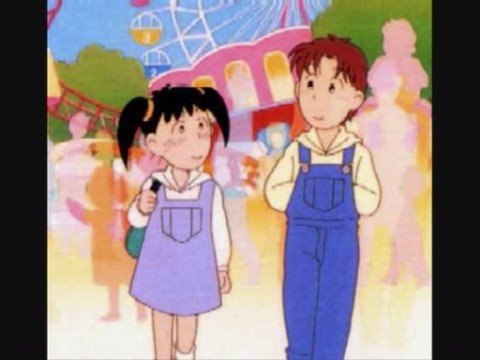
This is the opening theme of Azuki-chan, which aired starting on April 4, 1995.
It was released the same year as the fifth single by the rock band Razz Ma Tazz.
The melody of the chorus really sticks in your head after just one listen.