

Tear-jerking J-pop from the ’90s. Hit songs and real tearjerkers.


The 1990s were the era in J-pop history when CDs sold the most, and countless timeless classics were born that are still loved in the 2020s.
It was truly J-pop’s golden age, with artists and bands from a wide range of genres scoring hit after hit—an important period that greatly expanded the possibilities of Japanese music.
From among the dazzling array of brilliant 90s songs, this time we’re highlighting “tear-jerkers”: masterpieces that remain etched in both the record books and our memories.
Whether you lived through that time or you’re a younger music fan who’s recently gotten into 90s Japanese music, be sure to check them out.
- Iconic ballads of 90s J-pop: nostalgic mega-hits and fan favorites
- [Tearjerker] Songs that make your heart tremble with tears & moving tracks with lyrics that touch the soul
- Tear-jerking songs recommended for women in their 40s: classic and popular Japanese tracks
- A roundup of hit love songs from the ’90s
- Tear-jerking songs I want to sing at karaoke
- A heartbreak song that was a hit in the 90s. Classic and popular tracks in Japanese music.
- A hidden gem among tearjerker songs. Recommended popular tracks.
- A coming-of-age song that was a hit in the ’90s. A classic and popular track in Japanese music.
- [So touching it makes you cry] A heartbreakingly wistful and sad song that tightens your chest
- Classic and hit songs by nostalgic Japanese bands from the 1990s
- Tear-jerking songs recommended for women in their 50s: classic and popular Japanese hits
- The nostalgic atmosphere tugs at your heartstrings. Tear-jerker songs from the Showa era.
- Heisei-era heartbreak songs: A roundup of classic tracks from the ’90s to the 2010s
Tearjerking J-Pop from the ’90s: Hit Songs and Weep-Inducing Tracks (61–70)
Watarase BridgeMoritaka Chisato

Speaking of Chisato Moritaka, she’s a singer-songwriter who released numerous classic hits in the ’90s.
When you see her beauty and her songwriting talent, you can’t help but question the saying that heaven doesn’t grant two gifts.
“Watarasebashi” is also a very famous ballad.
Love Story Comes SuddenlyOda Kazumasa
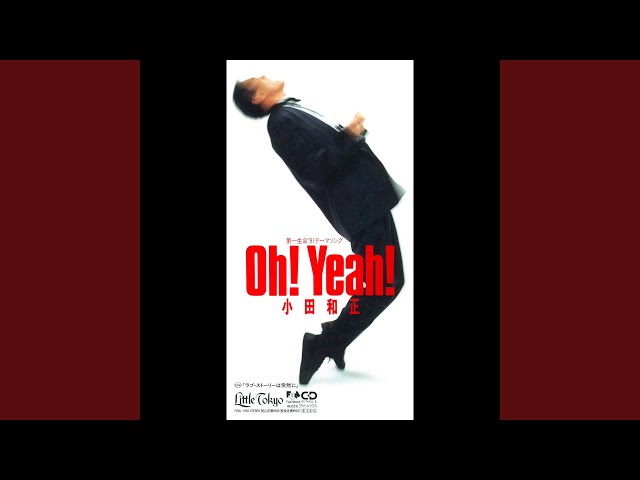
Singer-songwriter Kazumasa Oda, who rose to popularity with his high-toned voice tinged with transience and his playful character, continues to be highly active today.
“Love Story wa Totsuzen ni,” written as the theme song for the quintessential trendy drama Tokyo Love Story, was originally included as the B-side to his sixth single, “Oh! Yeah!” Its airy, urban arrangement still feels timeless even now.
It’s a pop tune whose massive success makes perfect sense—the opening guitar alone brings back iconic scenes from the drama.

Azure RabbitNoriko Sakai

Due to various incidents, this song has unfortunately been associated with a somewhat different image, but it was originally a bittersweet love song.
It was also used as the theme song for a romance drama featuring a protagonist who is deaf, and it explores how one can convey a heartbreaking feeling that can’t be delivered through words.
Drops of a thousand currentsKudō Shizuka

It’s a heartbreak song, but the lyrics are profoundly deep.
It can also be taken as the inner voice of a woman who fell in love with someone she shouldn’t have.
Her fleeting wish to relive those sweet moments from back then, and the strength that shows through as she resolves to face forward, never regretting what happened—both are vividly expressed.
Between the Sky and YouNakajima Miyuki

Singer-songwriter Miyuki Nakajima holds the remarkable record of topping the singles chart across four decades, from the 1970s through the 2000s.
Her 31st single, Between the Sky and You, released as a double A-side with Fight!, became a million-selling hit as the theme song for the TV drama A Homeless Kid, which sparked a major social phenomenon.
The sentimental lyrics, woven through her trademark powerful vocals, instantly bring scenes from the drama to mind as you listen.
It’s an emotional number that’s sure to draw attention at karaoke, especially with people from that generation.
O skyJinnai Taizo

Are you familiar with Taizo Jinnouchi, a musician who was active in the 1990s? His song “Sora yo” (Oh, Sky) became popular in households as the ending theme of the Nippon TV detective drama “Keiji Kizoku,” starring Yutaka Mizutani.
ALONEB’z

B’z’s ninth single is a rock ballad that sings of the preciousness of love that shines brightest in loneliness.
Chosen as the theme song for the drama “Hotel Woman,” it topped the Oricon charts for two consecutive weeks and became a million seller.
The poignant feelings of a man who can only yearn for someone he cannot meet truly hit home.
The grand sound incorporating piano and synth, along with the emotive, tear-evoking guitar phrases, is unforgettable.
It’s a masterpiece that stays close to your heart when your feelings for someone special grow stronger.