

Tear-jerking J-pop from the ’90s. Hit songs and real tearjerkers.


The 1990s were the era in J-pop history when CDs sold the most, and countless timeless classics were born that are still loved in the 2020s.
It was truly J-pop’s golden age, with artists and bands from a wide range of genres scoring hit after hit—an important period that greatly expanded the possibilities of Japanese music.
From among the dazzling array of brilliant 90s songs, this time we’re highlighting “tear-jerkers”: masterpieces that remain etched in both the record books and our memories.
Whether you lived through that time or you’re a younger music fan who’s recently gotten into 90s Japanese music, be sure to check them out.
- Iconic ballads of 90s J-pop: nostalgic mega-hits and fan favorites
- [Tearjerker] Songs that make your heart tremble with tears & moving tracks with lyrics that touch the soul
- Tear-jerking songs recommended for women in their 40s: classic and popular Japanese tracks
- A roundup of hit love songs from the ’90s
- Tear-jerking songs I want to sing at karaoke
- A heartbreak song that was a hit in the 90s. Classic and popular tracks in Japanese music.
- A hidden gem among tearjerker songs. Recommended popular tracks.
- A coming-of-age song that was a hit in the ’90s. A classic and popular track in Japanese music.
- [So touching it makes you cry] A heartbreakingly wistful and sad song that tightens your chest
- Classic and hit songs by nostalgic Japanese bands from the 1990s
- Tear-jerking songs recommended for women in their 50s: classic and popular Japanese hits
- The nostalgic atmosphere tugs at your heartstrings. Tear-jerker songs from the Showa era.
- Heisei-era heartbreak songs: A roundup of classic tracks from the ’90s to the 2010s
Tear-Jerking J-Pop from the ’90s: Hit Songs and Cry-Inducing Tracks (31–40)
To the futureKiroro

A well-known classic, to say the least! Hearing it at life’s turning points fills my heart, because it’s such a straightforward song of encouragement.
It’s a wonderful piece packed with a strong wish—from parent to child, senior to junior, or friend to friend—for a life of happiness in the days to come.
BELOVEDGLAY

Even after entering the 2020s, GLAY continues to thrive as a top-tier, hugely popular band.
Their rise in the 1990s was remarkable: despite their origins in what’s commonly called the visual kei scene, they produced a string of universally known hits and grew into a truly national band—something that hardly needs restating.
The classic ballad “BELOVED,” released in 1996 and a song that cemented GLAY’s popularity, clearly shows how their music possesses a timeless quality, untouched by passing trends.
As GLAY’s principal songwriter, TAKURO is known for lyrics and melodies that cherish the Japanese language and favor traditional turns of phrase; his work reaches the tender places in listeners’ hearts across generations.
When you meet someone truly special, be sure to lend an ear to this song.

GoodbyeGAO

A heartbreak song that passionately sings about a lost woman in a husky high tone.
Just like the title, it repeats “Goodbye…” while also conveying a message that looks back on the past, wishing to go back once more.
Men who’ve had similar experiences might find themselves unexpectedly moved.
threadNakajima Miyuki

While vividly weaving in the image of threads spinning together, this song makes you once again feel the meaning of living and the importance of people supporting one another.
Many artists cover it now, and it’s become a staple wedding song.
Still, I feel that Miyuki Nakajima’s original version resonates the most.
BOY MEETS GIRLTRF

The 1990s were truly Tetsuya Komuro’s era, and leading the charge in that popularity was TRF.
Their song “BOY MEETS GIRL” is a tearjerker that anyone who knows the ’90s can’t listen to without crying.
It’s a classic.
Tear-Jerking J-Pop of the ’90s: Hit Tracks and Heart-Wrenching Songs (41–50)
LA LA LA Love SongKubota Toshinobu/Naomi Campbell
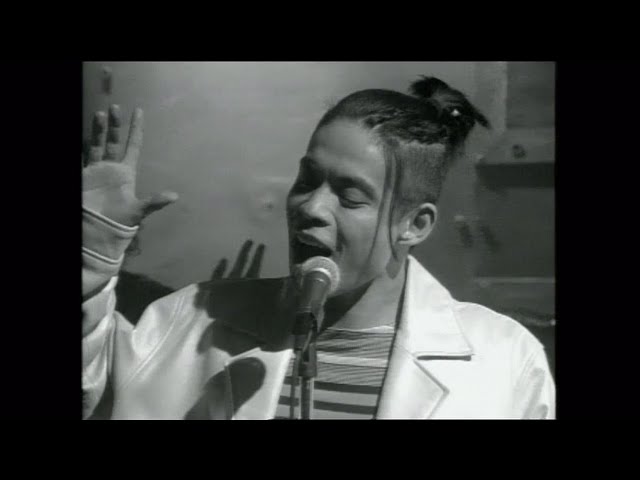
Toshinobu Kubota is truly a singer-songwriter active on a global scale.
This song, “LA LA LA LOVE SONG,” became a mega hit as the theme song for the popular TV drama “Long Vacation.” It was also released as a single in the United States.
Before you become a memorysupittsu

Here it is—Spitz! A song that captures a man’s bittersweet wish to never let what happened with his ex become just a memory.
With Spitz’s signature soothing, gentle vocals, he pours out his feelings for his former lover.
It’s a heartbreak song from a band known for countless love songs—definitely give it a listen!