

Tear-jerking J-pop from the ’90s. Hit songs and real tearjerkers.


The 1990s were the era in J-pop history when CDs sold the most, and countless timeless classics were born that are still loved in the 2020s.
It was truly J-pop’s golden age, with artists and bands from a wide range of genres scoring hit after hit—an important period that greatly expanded the possibilities of Japanese music.
From among the dazzling array of brilliant 90s songs, this time we’re highlighting “tear-jerkers”: masterpieces that remain etched in both the record books and our memories.
Whether you lived through that time or you’re a younger music fan who’s recently gotten into 90s Japanese music, be sure to check them out.
- Iconic ballads of 90s J-pop: nostalgic mega-hits and fan favorites
- [Tearjerker] Songs that make your heart tremble with tears & moving tracks with lyrics that touch the soul
- Tear-jerking songs recommended for women in their 40s: classic and popular Japanese tracks
- A roundup of hit love songs from the ’90s
- Tear-jerking songs I want to sing at karaoke
- A heartbreak song that was a hit in the 90s. Classic and popular tracks in Japanese music.
- A hidden gem among tearjerker songs. Recommended popular tracks.
- A coming-of-age song that was a hit in the ’90s. A classic and popular track in Japanese music.
- [So touching it makes you cry] A heartbreakingly wistful and sad song that tightens your chest
- Classic and hit songs by nostalgic Japanese bands from the 1990s
- Tear-jerking songs recommended for women in their 50s: classic and popular Japanese hits
- The nostalgic atmosphere tugs at your heartstrings. Tear-jerker songs from the Showa era.
- Heisei-era heartbreak songs: A roundup of classic tracks from the ’90s to the 2010s
Tear-jerking J-pop from the ’90s: Hit songs and weep-worthy tracks (1–10)
Winter, againGLAY

This is the 16th single by GLAY, a four-piece rock band that has set numerous milestones in the J-pop scene, from CD sales to live attendance.
Chosen as the campaign song for JR East’s “JR SKI SKI,” the track features lyrics that vividly evoke the scenery of Hokkaido, the band’s hometown.
Its catchy yet wistful melody and arrangement can still tug at the heartstrings even today.
Among GLAY’s many hit singles, this one achieved their highest sales and stands as an iconic masterpiece of the 1990s.

PRIDEImai Miki

Miki Imai’s biggest hit—and the song best known as both her signature and her personal favorite—is “PRIDE,” released in 1996.
Guided by the gentle guitar tones crafted by Tomoyasu Hotei—who wrote, composed, and arranged the piece and later became Imai’s husband—Imai’s tender, expressive vocals soothe the listener and wrap them in a warm sense of emotion.
The fact that so many artists have covered the song speaks to its universal appeal.
It’s a perfectly crafted ballad that needs no embellishment, yet taking the time to read the lyrics—so skillfully portraying the protagonist’s feelings as she sings that her love for her partner is her “pride”—will bring an even deeper sense of resonance.

Poem of SunlightLe Couple
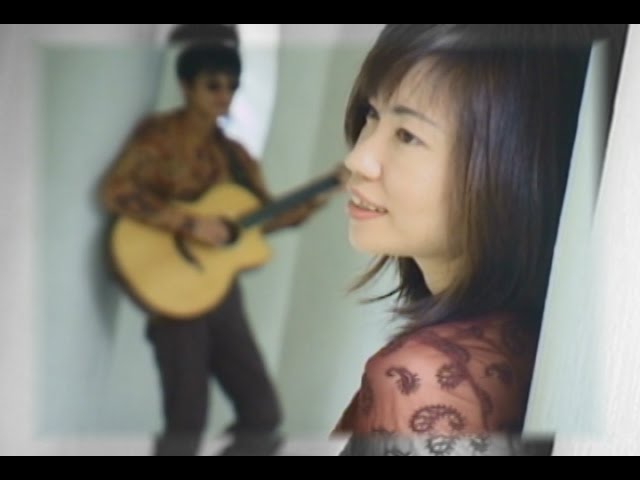
This is the fifth single by the music duo Le Couple—whose unit name comes from the French word meaning “couple” or “married couple”—a real-life husband-and-wife pair who disbanded in 2007.
Used as an insert song in the hugely popular TV drama Under One Roof 2, it became a long-running hit and ultimately sold over a million copies.
The gentle vocals and arrangement, which evoke the song’s title, may bring scenes from the drama to mind for some listeners.
With sentimental lyrics that tenderly envelop the heart, it’s a song that can move you to tears just by listening.
Tearjerking J-Pop from the ’90s: Hit Songs and Weep-Worthy Tracks (11–20)
Someday Merry ChristmasB’z

The moment the music box timbre tracing the chorus melody begins to play, many people can’t help but get teary-eyed, right? B’z have produced many exquisite ballads, and although this isn’t even a single, its popularity and recognition are outstanding.
The song first appeared on the 1992 mini-album “FRIENDS.” It’s been included on many best-of compilations and has become a quintessential J-pop standard—so much so that you’ll hear it somewhere every Christmas season.
The beautiful acoustic guitar arpeggios, the story-driven, superb lyrics, and the restrained yet gorgeous melody—every aspect is nothing short of perfect.
It’s also known for having several versions, and it’s fun to listen while enjoying the differences among them.
I don’t want to let go.T-BOLAN

A four-piece rock band, T-BOLAN, which disbanded at the height of its popularity but reignited longtime fans’ passion when it resumed activities in 2017.
This is their second single.
The song was used as the ending theme for ‘’92 Paris–Le Cap’ and as an insert song in the TV drama ‘Hotel Woman,’ and is known as one of T-BOLAN’s signature ballads.
Its husky vocals and lyrical melody have captivated many listeners—some may still find themselves moved to tears even today.
It is an evergreen classic that represents the 1990s J-pop scene, an era renowned for its many masterpieces.
I won’t fall in love anymore.Makihara Noriyuki
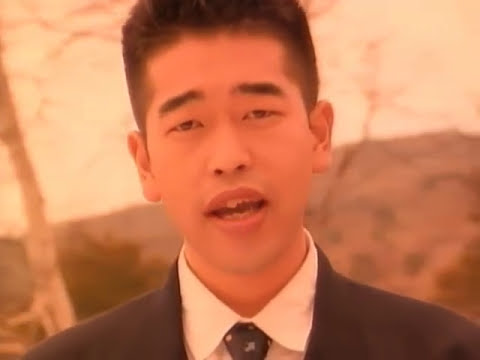
This is the fifth single by singer-songwriter Noriyuki Makihara, who has released numerous universally known masterpieces, including his own original song “Donna Toki mo” and the SMAP hit he wrote, “Sekai ni Hitotsu Dake no Hana.” Chosen as the theme song for the TV drama “Kodomo ga Neta Ato de,” its brisk yet bittersweet melody tugs at the heartstrings.
While the lyrics can be interpreted as positive, the story that conjures a scene of parting and the poignant melody will likely make many listeners feel sentimental, overlaying it with their own experiences.
Among the many classic songs Makihara has created, this is a particularly tear-jerking number—one that’s hard to listen to without tears.
rainMoritaka Chisato

This is the 11th single by singer-songwriter Chisato Moritaka, who is active across multiple fields beyond her music, including MC work and magazine columns.
Known among fans as a highly popular ballad, it blends her cute vocal tone with heartrending lyrics in an exquisite balance.
The clear, transparent feel that evokes the title and the dramatic arrangement brilliantly build the song’s world.
With a beautiful yet wistful melody that can bring tears to your eyes, it’s a heart-wrenching, guaranteed tearjerker.