

Tear-jerking J-pop from the ’90s. Hit songs and real tearjerkers.


The 1990s were the era in J-pop history when CDs sold the most, and countless timeless classics were born that are still loved in the 2020s.
It was truly J-pop’s golden age, with artists and bands from a wide range of genres scoring hit after hit—an important period that greatly expanded the possibilities of Japanese music.
From among the dazzling array of brilliant 90s songs, this time we’re highlighting “tear-jerkers”: masterpieces that remain etched in both the record books and our memories.
Whether you lived through that time or you’re a younger music fan who’s recently gotten into 90s Japanese music, be sure to check them out.
- Iconic ballads of 90s J-pop: nostalgic mega-hits and fan favorites
- [Tearjerker] Songs that make your heart tremble with tears & moving tracks with lyrics that touch the soul
- Tear-jerking songs recommended for women in their 40s: classic and popular Japanese tracks
- A roundup of hit love songs from the ’90s
- Tear-jerking songs I want to sing at karaoke
- A heartbreak song that was a hit in the 90s. Classic and popular tracks in Japanese music.
- A hidden gem among tearjerker songs. Recommended popular tracks.
- A coming-of-age song that was a hit in the ’90s. A classic and popular track in Japanese music.
- [So touching it makes you cry] A heartbreakingly wistful and sad song that tightens your chest
- Classic and hit songs by nostalgic Japanese bands from the 1990s
- Tear-jerking songs recommended for women in their 50s: classic and popular Japanese hits
- The nostalgic atmosphere tugs at your heartstrings. Tear-jerker songs from the Showa era.
- Heisei-era heartbreak songs: A roundup of classic tracks from the ’90s to the 2010s
Tear-Jerking J-Pop of the ’90s: Hit Tracks and Heart-Wrenching Songs (41–50)
5 seconds before I fall seriously in loveHirosue Ryōko

Ryoko Hirosue’s debut single, “Maji de Koi suru 5 Byō Mae,” was a big hit.
For those who remember that time, this song is so nostalgic it might bring you to tears.
Her fresh, youthful presence back then is also a highlight.
Tear-jerking J-pop of the ’90s. Hit songs and sob-inducing tracks (51–60)
WOW WAR TONIGHT ~Sometimes You Gotta Make a MovementH Jungle with T

Many people are likely to feel nostalgic when they hear WOW WAR TONIGHT ~Move Your Body Sometimes.
The song is performed by H Jungle with t, a unit formed by Downtown’s Masatoshi Hamada and Tetsuya Komuro.
It’s truly a song that symbolizes its era, having become a record-breaking megahit.
countrysideTamaki Kōji

Koji Tamaki is a singer-songwriter who is still active today.
It is said that, thanks to his talent, Tamaki can create songs in no time.
This song, “Den-en” (The Countryside), is also known as the theme song for the 1996 TV drama “Coach,” starring Koji Tamaki, and it became a big hit.
It’s also a song that really gets listeners fired up.
Banzai ~ So glad I loved you ~Urufuruzu

“Banzai ~So Glad I Love You~” is a single by Ulfuls released in 1996 that became a major hit.
Following their huge breakthrough with “Guts Da ze!!,” it was an impactful masterpiece that further accelerated their popularity.
TOMORROWMayo Okamoto

The ultimate go-to cheer song! A track by singer-songwriter Mayo Okamoto—also known for hits like “FOREVER” and “Sono Mama no Kimi de Ite”—it was released in 1995 as her debut single.
Chosen as the theme song for the drama “Second Chance,” it became a massive hit.
Countless listeners have been encouraged by its lyrics, which tell us, “The more tears you shed, the stronger you’ll surely become.” It’s one of the masterpieces of Japanese pop music that we hope will be sung for generations to come.

I’m glad I met you.Koizumi Kyoko

Kyoko Koizumi’s 32nd single, released in May 1991, was used as the theme song for the TBS drama “Papa to Nacchan” and became a million seller, topping the Oricon charts for five consecutive weeks.
Koizumi herself wrote the lyrics, with composition and arrangement by Takeshi Kobayashi.
While the lyrics—expressing gratitude and regret toward someone after a breakup and a wish to meet again—sound like a love song at first, they were actually written with her father in mind.
Because she wrote them by imagining Masakazu Tamura, who played her father in the drama, as a lover, the song took on this form.
It won the Lyricist Award at the 33rd Japan Record Awards and has been covered by many artists, including Akina Nakamori and Masayoshi Yamazaki.
Its melody, which carries warmth within its poignancy, will gently comfort anyone who has experienced parting from someone dear.
Soap bubbleNagabuchi Tsuyoshi
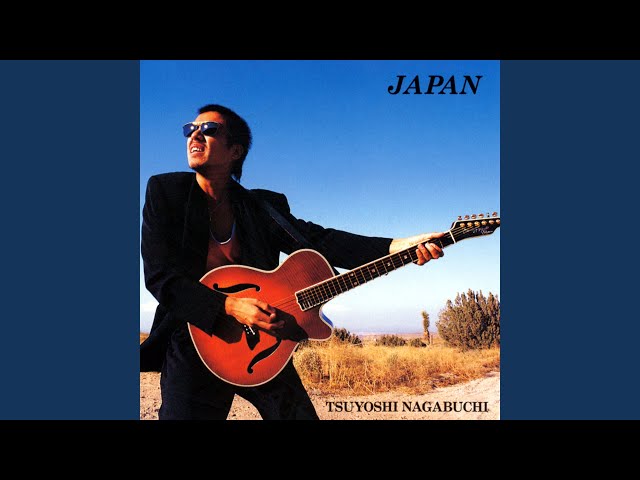
Boosted by the popularity of the tie-in TV drama of the same name, Tsuyoshi Nagabuchi’s 24th single became a million-seller.
Released in October 1991, it topped the Oricon weekly chart and sold over 1.1 million copies in total.
The lyrical guitar-riff intro and the folk-rock sound centered on acoustic guitar lend the entire track a wistful atmosphere.
Recorded in Los Angeles with top American session musicians, it achieves a grand, expansive sonic image.
The lyrics are emotional, portraying someone who, while confronting the injustices of society, keeps struggling to launch their dreams again and again.
It’s a track you’ll want to hear if you’ve faced setbacks but are trying to look ahead, or on nights when you want to savor life’s bitterness and hope at the same time.