

Tear-jerking J-pop from the ’90s. Hit songs and real tearjerkers.


The 1990s were the era in J-pop history when CDs sold the most, and countless timeless classics were born that are still loved in the 2020s.
It was truly J-pop’s golden age, with artists and bands from a wide range of genres scoring hit after hit—an important period that greatly expanded the possibilities of Japanese music.
From among the dazzling array of brilliant 90s songs, this time we’re highlighting “tear-jerkers”: masterpieces that remain etched in both the record books and our memories.
Whether you lived through that time or you’re a younger music fan who’s recently gotten into 90s Japanese music, be sure to check them out.
- Iconic ballads of 90s J-pop: nostalgic mega-hits and fan favorites
- [Tearjerker] Songs that make your heart tremble with tears & moving tracks with lyrics that touch the soul
- Tear-jerking songs recommended for women in their 40s: classic and popular Japanese tracks
- A roundup of hit love songs from the ’90s
- Tear-jerking songs I want to sing at karaoke
- A heartbreak song that was a hit in the 90s. Classic and popular tracks in Japanese music.
- A hidden gem among tearjerker songs. Recommended popular tracks.
- A coming-of-age song that was a hit in the ’90s. A classic and popular track in Japanese music.
- [So touching it makes you cry] A heartbreakingly wistful and sad song that tightens your chest
- Classic and hit songs by nostalgic Japanese bands from the 1990s
- Tear-jerking songs recommended for women in their 50s: classic and popular Japanese hits
- The nostalgic atmosphere tugs at your heartstrings. Tear-jerker songs from the Showa era.
- Heisei-era heartbreak songs: A roundup of classic tracks from the ’90s to the 2010s
Tear-Jerking J-Pop of the ’90s: Hit Tracks and Heart-Wrenching Songs (41–50)
TRUE LOVEFujii Fumiya

This is the first song released by Fumiya Fujii as a solo artist after he had built an era as the frontman of The Checkers.
The drama Asunaro Hakusho, which used this song as its theme, was also a massive hit, and the track ultimately sold over two million copies, making it one of the defining hits of the 1990s.
Interestingly, at the time Fujii had no experience composing, and there’s an anecdote that he wrote the song using only the chords he knew.
While that was merely a coincidence, it resulted in an inherently simple structure—so simple it became a staple in guitar instruction books—and it’s fascinating to think that such simplicity gave rise to a timeless classic.
Personally, I love how in the first chorus he uses falsetto, and in the second chorus he sings the same melody in his chest voice all the way through.

Easy★RiderOkuda Tamio
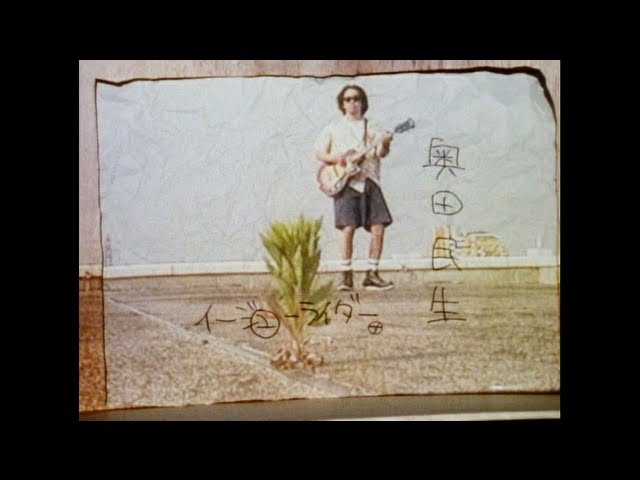
Speaking of Tamio Okuda, he’s a singer-songwriter who began a solo career after his success with the band Unicorn.
His unbounded, free-spirited image is especially popular.
This song, Easy Rider, became his biggest hit as a solo artist.
Come, spring.Matsutōya Yumi

With its indescribably melancholic melody line and lyrics that feel so natural on the tongue, this is a song I always remember when spring arrives.
Some of you may have sung it or heard it played at graduation ceremonies, right? When you sense the arrival of spring, a nostalgic someone comes to mind… I think that feeling lives in everyone’s heart, regardless of gender.
CAN YOU CELEBRATE?Amuro Namie

In 2018, Namie Amuro sadly retired from the entertainment industry.
Since her debut in the 1990s, she produced numerous major hits in partnership with Tetsuya Komuro, and sparked social phenomena such as the emergence of countless girls who imitated her fashion—dubbed “Amurers.” She truly is a songstress the Heisei era can be proud of.
Among her works, “CAN YOU CELEBRATE?”, released once in 1997 and a massive hit, remains a beloved wedding staple even well into the 2020s.
Commissioned as a “Komuro-style wedding song,” its lyrics—rendered in Komuro’s distinctive turns of phrase—movingly portray a future walked together by two lovers.
Even so, it’s astonishing to remember that Amuro, who delivers the song with a mature, black-music-inspired vocal style, was only 19 at the time.
Summertime BluesWatanabe Misato

While the tune is upbeat, the song captures a woman’s feelings as she looks back on the man she broke up with.
It vividly brings back the scenes and the maiden’s heart that once fretted over even a single outfit, wondering how he saw her when they first started dating.
Yet when she gazes out over the sea of memories, old wounds start to ache… It’s the kind of relatable lyric that stirs the heart—something almost anyone has experienced.
I want to take only you away just like this.DEEN

Above all, DEEN is renowned for their vocal prowess, and the ballads they sing are truly masterpieces! This song expresses a man’s powerful desire to have a woman all to himself; once you hear the heartfelt delivery carried by its heartrending melody line, you will undoubtedly be moved to tears!
JulianPRINCESS PRINCESS

Princess Princess can be called the original girls’ band in Japan.
They were hugely active from the 1980s through the 1990s.
They have many tearjerker songs, but this time I especially recommend their popular track “Julian.”