

True-or-false quiz for adults: a full roundup from common-sense questions to surprising trivia!


Did you know that hidden within the things we take for granted in our daily lives—things we casually use without a second thought—are actually some astonishing facts? From the unit used for a computer mouse, to the origin of SOS, to the history behind the tally mark “正” used for counting, everyday items are full of surprising truths.
We’ll introduce adult-friendly life trivia lurking in the everyday, presented in a true-or-false quiz format.
We’ve gathered questions that will make you think, “Wait, really?” as well as trivia you’ll be proud to brag about.
So, how many can you get right?
- [Interesting] Compilation of Trivia Quiz Questions
- [Common Sense & Trivia] True-or-False Quiz with Knowledge for Elementary School Students
- [Battle of Wits] Stimulate your intellectual curiosity! Quiz questions that get adults excited
- Surprisingly unknown? Trivia Quiz [Multiple Choice: 3 Options]
- Fun Quiz Questions That Will Liven Up the Office [2026]
- It never hurts to know! General knowledge quiz
- [Killing Time] A Collection of Fun Trivia Quizzes You'll Want to Share with Someone
- So interesting you’ll want to tell someone! December Trivia & Fun Facts Special
- A collection of challenging quizzes for adults [Difficult]
- A quiz of fun trivia: bite-sized knowledge that leads to new insights.
- Let's take on a four-choice quiz that everyone can enjoy together!
- [Trick Quiz] Quiz Questions That Excite Everyone from Kids to Adults
- [For Seniors] Surprising Facts! Multiple-Choice Trivia Quiz (4 Options)
Everyday Life Trivia Quiz (11–20)
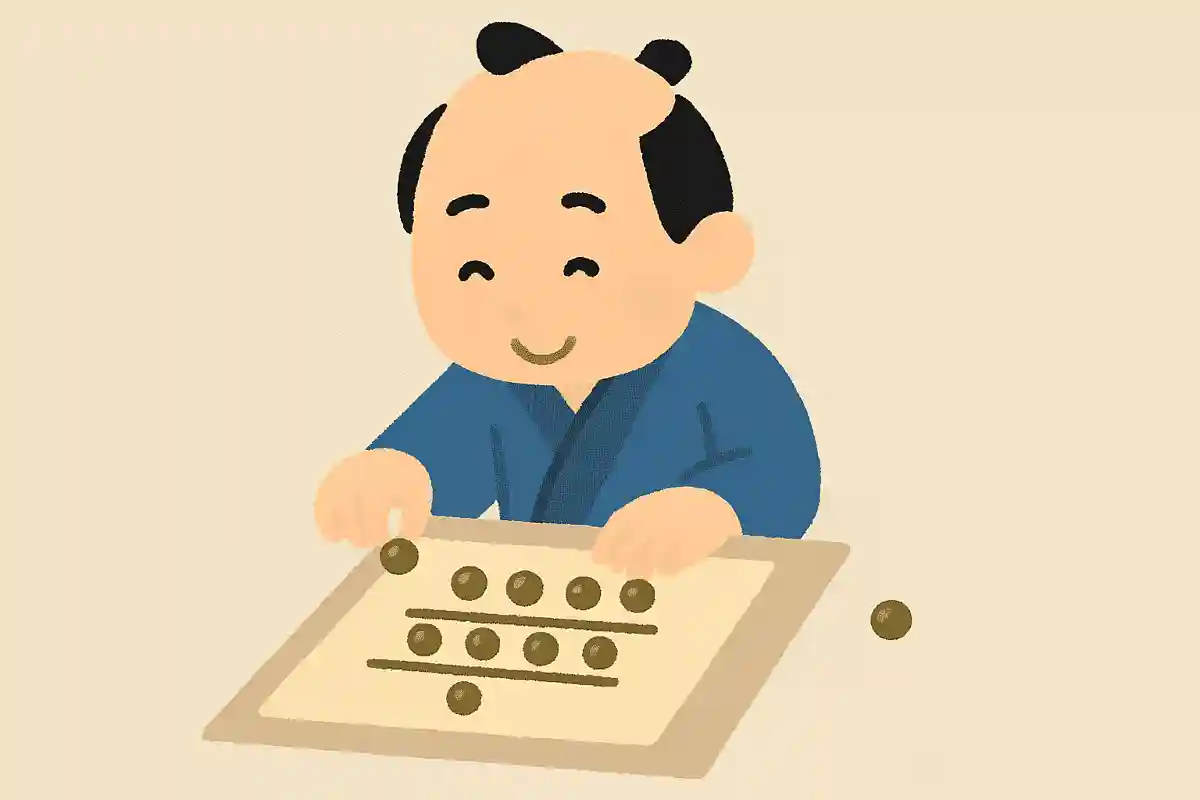
In the Edo period, the tally mark used for counting was not 正 but 玉.
See the answer
○
It’s said that using the character “正” when counting dates back to the Meiji era; during the Edo period, people used “玉.” This is believed to have originated from the beads (玉) on the abacus used by merchants, but later the more intuitive character “正” became widespread.

The word “gussuri” means “good sleep.”

See the answer
×
Explanation of the answer: The Japanese word “gussuri” describes sleeping deeply and peacefully, and it is not derived from the English phrase “good sleep.” This word is a uniquely Japanese onomatopoeic expression without a specific etymology.
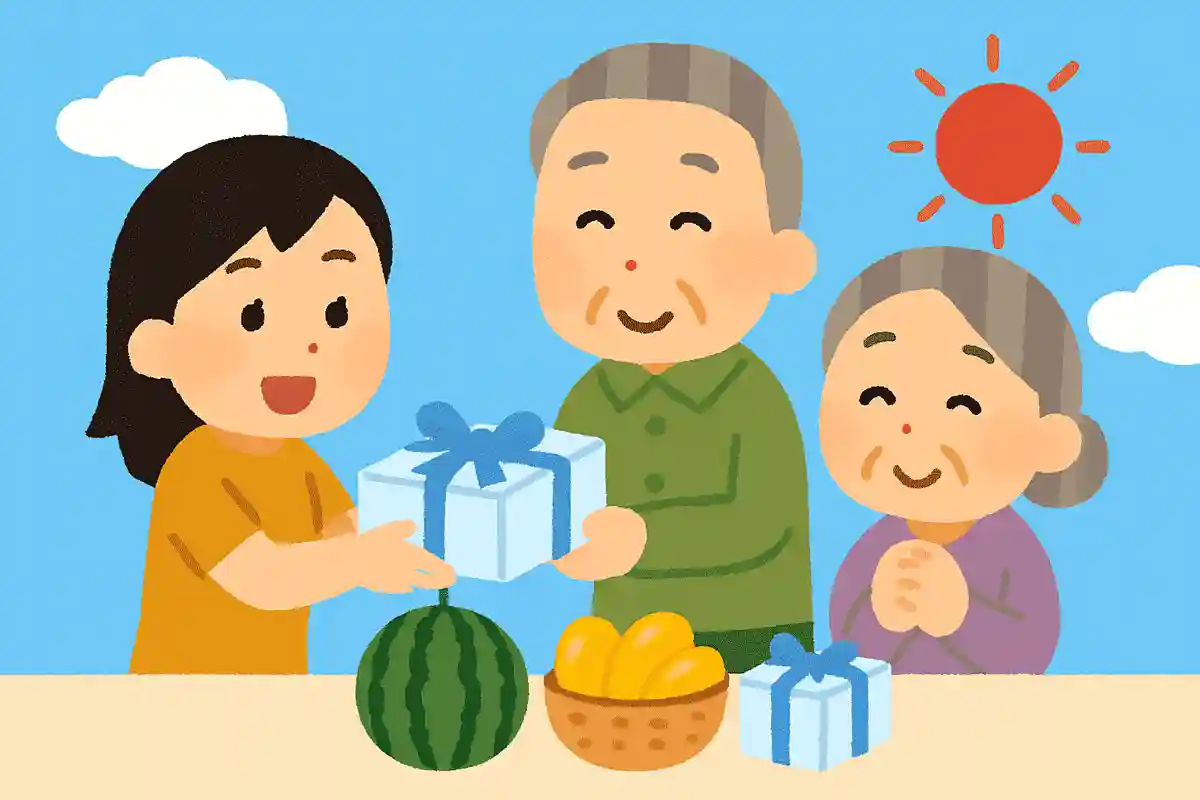
A gift given to express a year’s gratitude to those who have helped you is called “ochūgen.”
See the answer
×
A gift given to someone who has helped you over the past year is called “oseibo.” The word “seibo” means the end of the year. It varies by region, but such gifts are generally sent from early December until around Christmas. By the way, “ochugen” is given in the summer.

Many cosmetic ingredients are derived from petroleum.

See the answer
○
Many cosmetics use petroleum-derived ingredients. These are widely used because they are more stable and more cost-effective than plant-derived alternatives. Examples include mineral oil, paraffin, and petrolatum (Vaseline).
The name Mercury was given because, when it was discovered, it appeared to shine with a light blue color.

See the answer
×
The name Mercury comes from the ancient Roman god Mercury (Mercurius). Mercury is the god of commerce and symbolizes swiftness. Because Mercury is the fastest-moving planet in the solar system, it was given this name. The idea that Mercury shines blue is a misunderstanding.
Litmus paper turns blue when it reacts to an alkaline solution.

See the answer
〇
Litmus paper, which is made from lichens such as litmus lichen and Parmelia (Xanthoparmelia), turns red in acidic solutions and blue in alkaline solutions. Using this property, it distinguishes whether a solution is acidic or alkaline.
Surprising Facts Quiz on the World, Animals, and History (1–10)
The shortest war in history ended in one hour.

See the answer
×
The shortest war in history was the Anglo-Zanzibar War of 1896, which ended in just 40 minutes. Faced with the overwhelming strength of the British forces, the soldiers of Zanzibar fled, bringing the brief conflict to a close.
