

True-or-false quiz for adults: a full roundup from common-sense questions to surprising trivia!


Did you know that hidden within the things we take for granted in our daily lives—things we casually use without a second thought—are actually some astonishing facts? From the unit used for a computer mouse, to the origin of SOS, to the history behind the tally mark “正” used for counting, everyday items are full of surprising truths.
We’ll introduce adult-friendly life trivia lurking in the everyday, presented in a true-or-false quiz format.
We’ve gathered questions that will make you think, “Wait, really?” as well as trivia you’ll be proud to brag about.
So, how many can you get right?
- [Interesting] Compilation of Trivia Quiz Questions
- [Common Sense & Trivia] True-or-False Quiz with Knowledge for Elementary School Students
- [Battle of Wits] Stimulate your intellectual curiosity! Quiz questions that get adults excited
- Surprisingly unknown? Trivia Quiz [Multiple Choice: 3 Options]
- Fun Quiz Questions That Will Liven Up the Office [2026]
- It never hurts to know! General knowledge quiz
- [Killing Time] A Collection of Fun Trivia Quizzes You'll Want to Share with Someone
- So interesting you’ll want to tell someone! December Trivia & Fun Facts Special
- A collection of challenging quizzes for adults [Difficult]
- A quiz of fun trivia: bite-sized knowledge that leads to new insights.
- Let's take on a four-choice quiz that everyone can enjoy together!
- [Trick Quiz] Quiz Questions That Excite Everyone from Kids to Adults
- [For Seniors] Surprising Facts! Multiple-Choice Trivia Quiz (4 Options)
Food and Cooking Trivia Quiz (1–10)
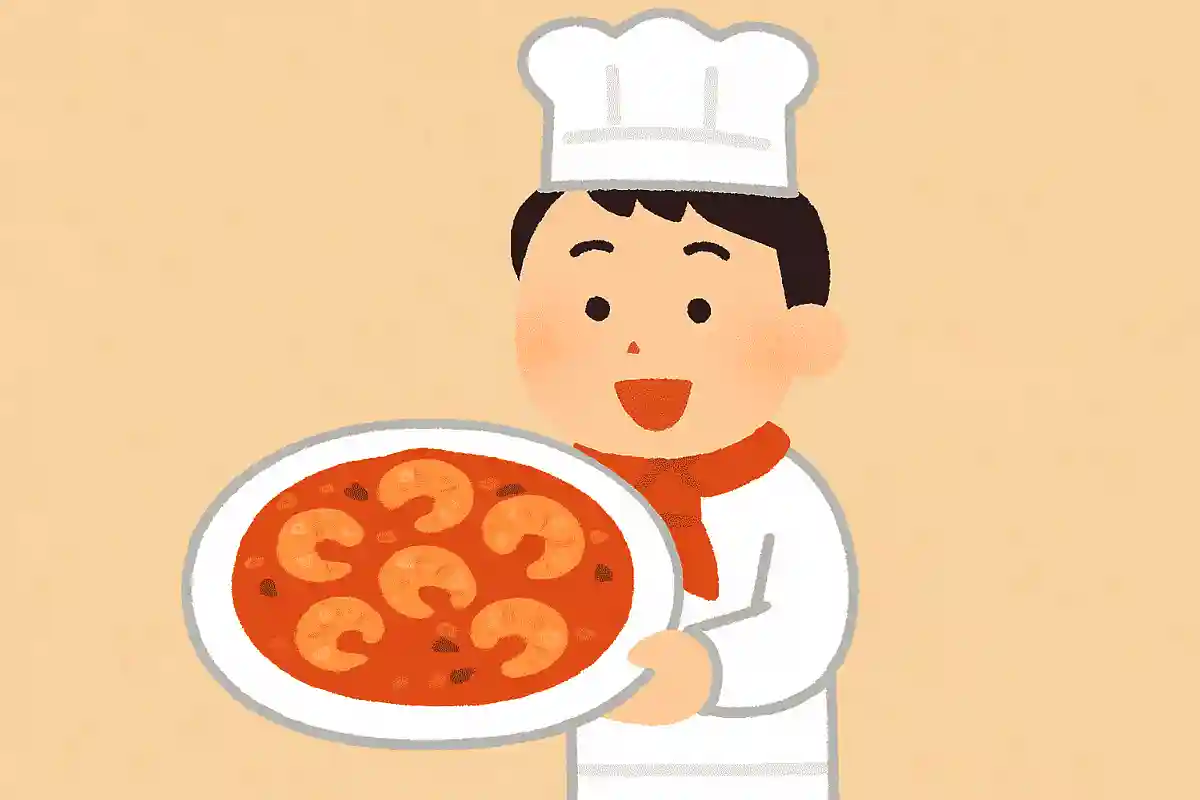
The Chinese dish ebi chili originated in Japan.
See the answer
〇
Ebi chili is a dish adapted from authentic Chinese cuisine—shrimp stir-fried in a spicy sauce—devised by Kenmin Chen, known as the “father of Chinese cuisine in Japan.” Incidentally, Tenshinhan (天津飯) is also said to have originated in Japan!

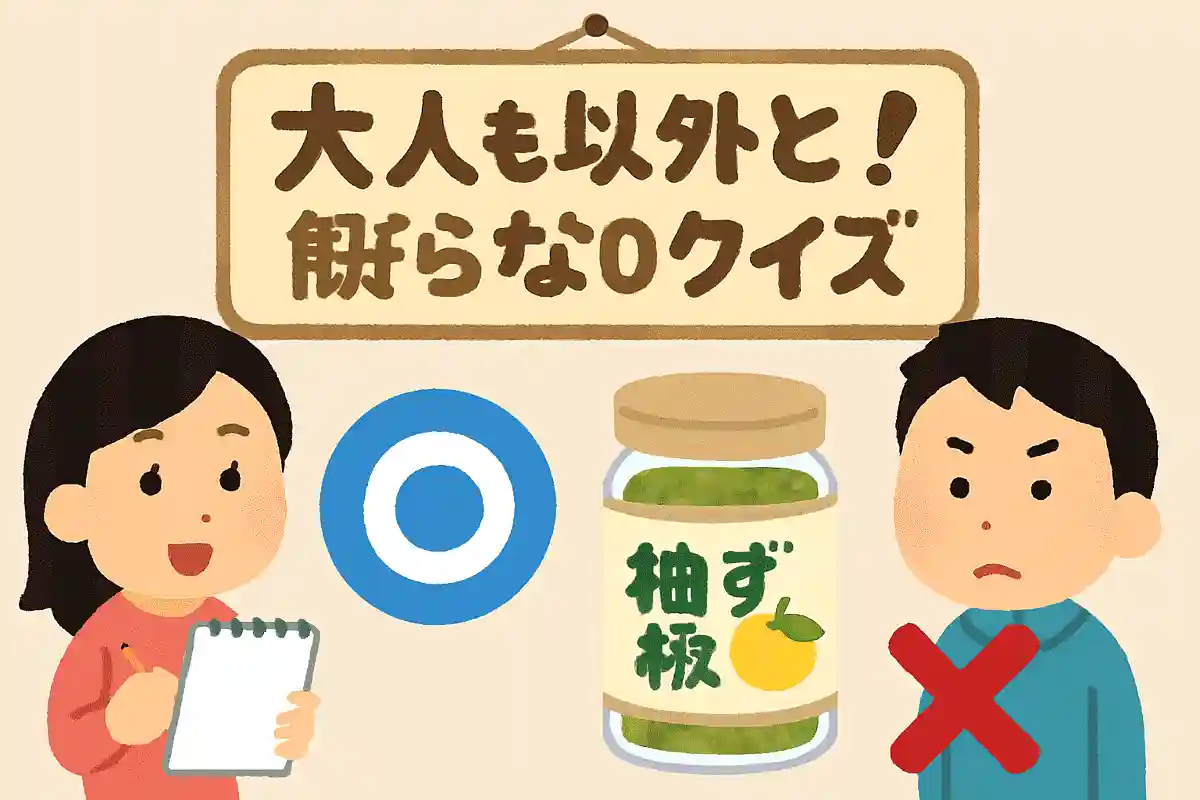
Yuzu kosho doesn’t contain pepper.
See the answer
〇
Yuzu kosho does not typically contain black or white pepper as spices. Yuzu kosho is a condiment made primarily by grinding together yuzu zest, green chili peppers, and salt. The name “kosho” comes from a Kyushu dialect in which chili peppers are called “kosho,” and the ingredient actually used is chili pepper. For this reason, genuine yuzu kosho does not include pepper itself.

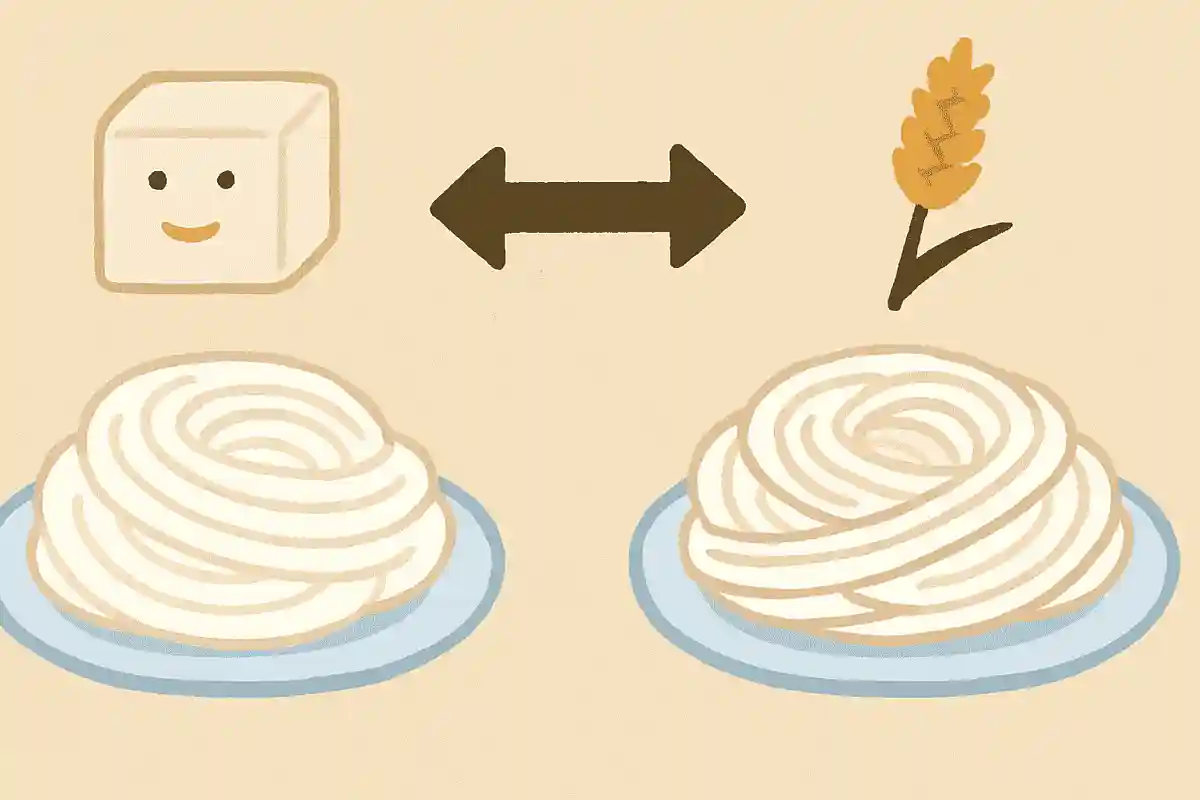
The difference between somen and hiyamugi lies in their ingredients.
See the answer
×
Both somen and hiyamugi are noodles made from wheat flour, but the difference lies in their thickness. Somen are relatively thin, with a diameter of less than 1.3 mm. In contrast, hiyamugi are defined as having a thickness of at least 1.3 mm and less than 1.7 mm.

The reading of “松阪牛” is “Matsusaka gyū.”

See the answer
×
Matsusaka Beef is a domestic brand of wagyu primarily raised in Matsusaka City, Mie Prefecture. It is pronounced “Matsusaka-ushi” or “Matsusaka-gyu”; pronouncing it with a voiced ‘z’ as in “Matsuzaka-gyu” is incorrect. Incidentally, besides these two, the name “Matsusaka-niku,” read as “matsusaka-niku,” is a registered trademark.

There was a court case disputing whether tomatoes are vegetables or fruits.

See the answer
〇
Tomatoes are classified as vegetables known as fruit vegetables. However, in 19th-century America, there was a court case disputing whether tomatoes were fruit or vegetables. At the time, a law imposed no tariffs on fruit but did impose tariffs on vegetables, which is said to have sparked the dispute.
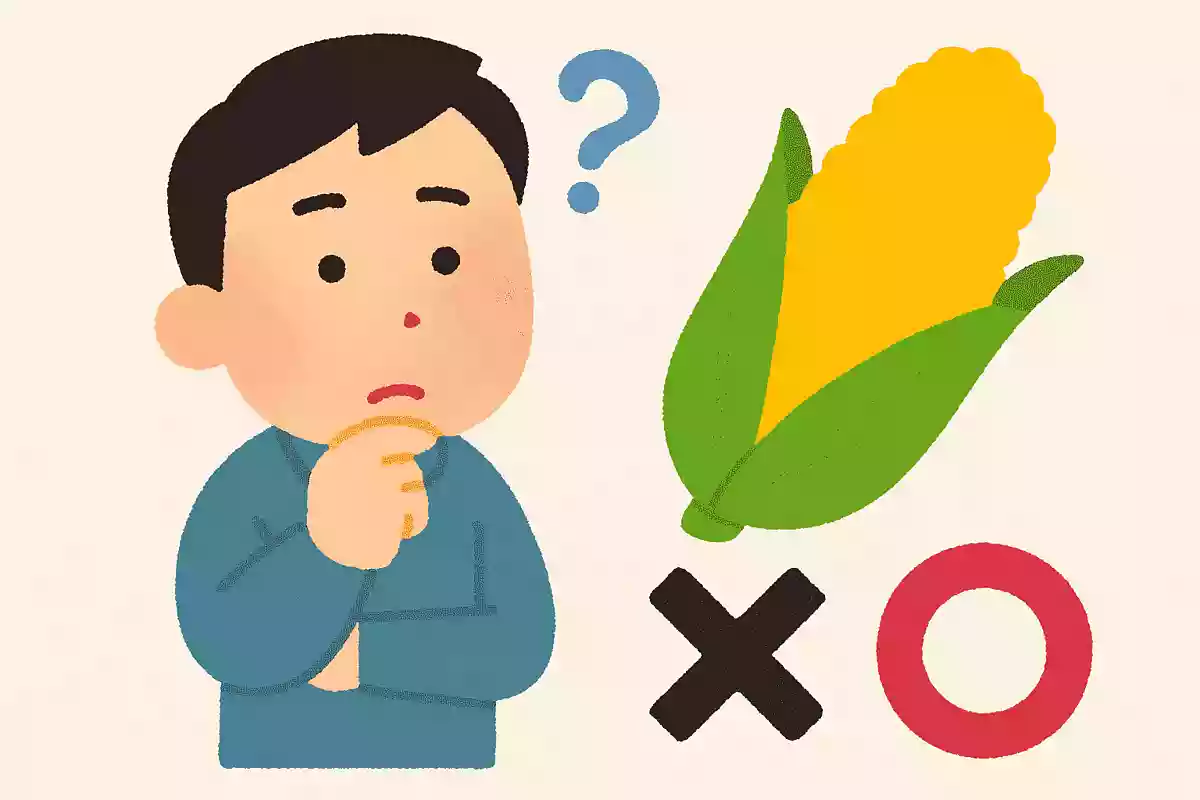
The number of kernels on a corn cob is always odd.
See the answer
×
The number of kernels on a corn cob is always even. It’s said that this is because the structure of the cob pairs the kernels in two rows, resulting in an even count. It’s a fun little fact about a common food that reveals a hidden pattern in nature.
In the cooking mnemonic “sa-shi-su-se-so,” the “so” stands for sauce.
See the answer
×
In the culinary mnemonic “sa-shi-su-se-so,” the “so” refers to miso, not sauce. Specifically, “sa” is sugar, “shi” is salt, “su” is vinegar, “se” is soy sauce (from the old spelling ‘seuyu’), and “so” is miso. This phrase indicates the basic order of seasonings in Japanese cooking and is very important, so it’s a good one to remember.