

True-or-false quiz for adults: a full roundup from common-sense questions to surprising trivia!


Did you know that hidden within the things we take for granted in our daily lives—things we casually use without a second thought—are actually some astonishing facts? From the unit used for a computer mouse, to the origin of SOS, to the history behind the tally mark “正” used for counting, everyday items are full of surprising truths.
We’ll introduce adult-friendly life trivia lurking in the everyday, presented in a true-or-false quiz format.
We’ve gathered questions that will make you think, “Wait, really?” as well as trivia you’ll be proud to brag about.
So, how many can you get right?
- [Interesting] Compilation of Trivia Quiz Questions
- [Common Sense & Trivia] True-or-False Quiz with Knowledge for Elementary School Students
- [Battle of Wits] Stimulate your intellectual curiosity! Quiz questions that get adults excited
- Surprisingly unknown? Trivia Quiz [Multiple Choice: 3 Options]
- Fun Quiz Questions That Will Liven Up the Office [2026]
- It never hurts to know! General knowledge quiz
- [Killing Time] A Collection of Fun Trivia Quizzes You'll Want to Share with Someone
- So interesting you’ll want to tell someone! December Trivia & Fun Facts Special
- A collection of challenging quizzes for adults [Difficult]
- A quiz of fun trivia: bite-sized knowledge that leads to new insights.
- Let's take on a four-choice quiz that everyone can enjoy together!
- [Trick Quiz] Quiz Questions That Excite Everyone from Kids to Adults
- [For Seniors] Surprising Facts! Multiple-Choice Trivia Quiz (4 Options)
Surprising Facts Quiz on the World, Animals, and History (1–10)
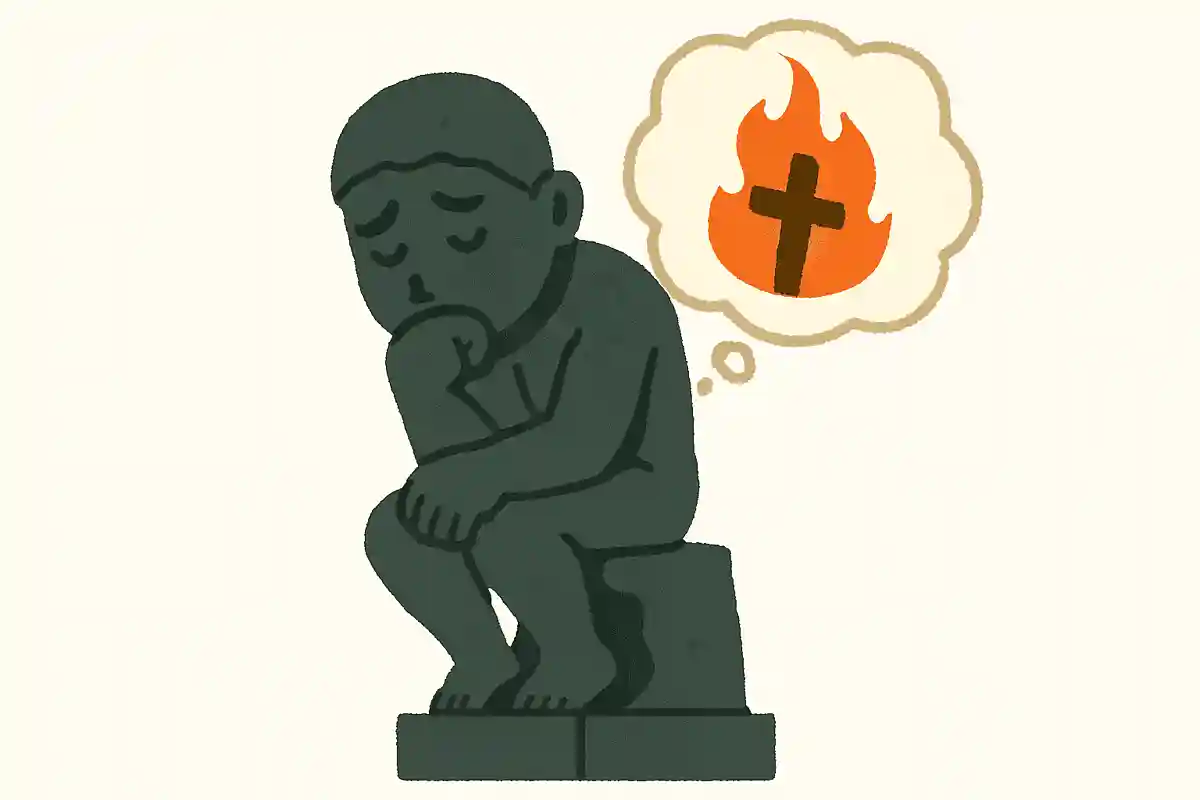
Rodin’s sculpture The Thinker is contemplating his own sin.
See the answer
×
“The Thinker” is said to represent a judge looking down on those who have fallen into hell from above, and that he isn’t thinking at all—just gazing down at the sinners.

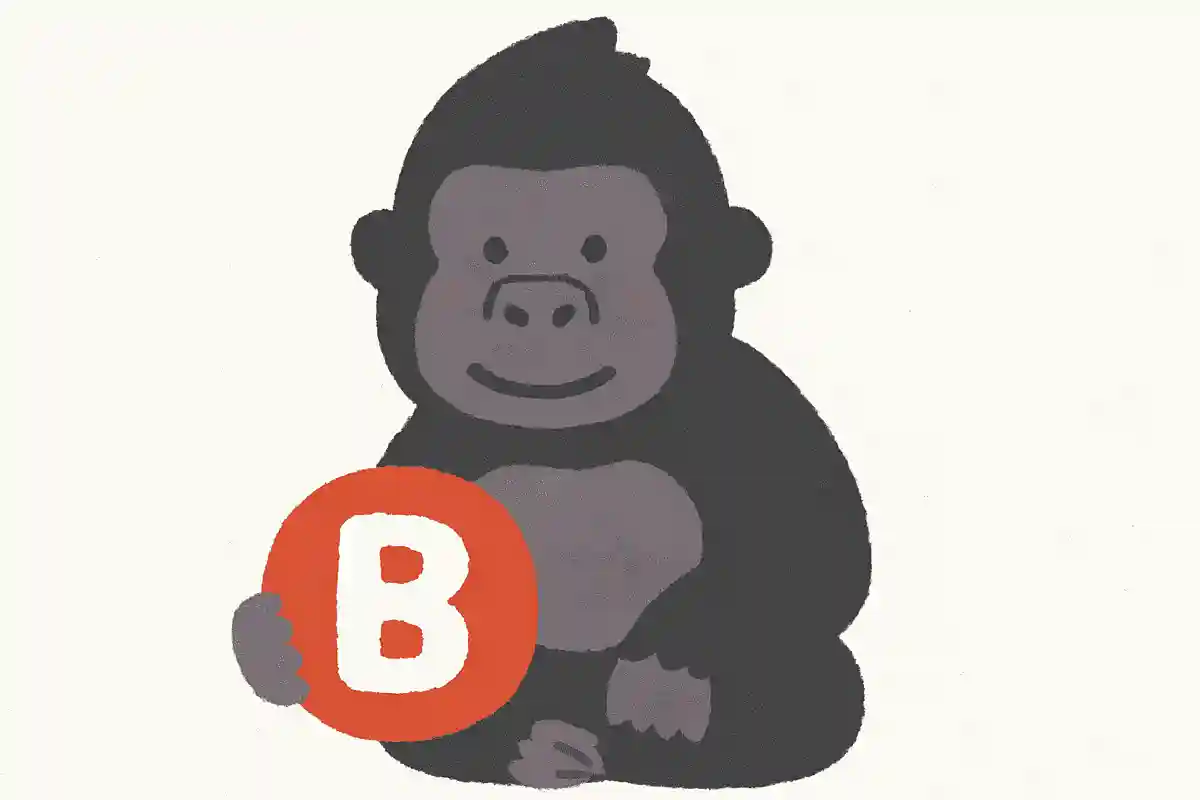
All gorillas have blood type B.
See the answer
×
Gorillas have multiple blood types, such as mountain gorillas which are only type A or O, and western lowland gorillas which are only type B. It seems this rumor spread because the vast majority of gorillas are western lowland gorillas, which are exclusively type B.
Nezumi Otoko from GeGeGe no Kitaro is from China.

See the answer
×
The correct answer is not Japan... but actually Hungary! When he came to Japan as a servant of Dracula IV, he met the Eyeball Father.
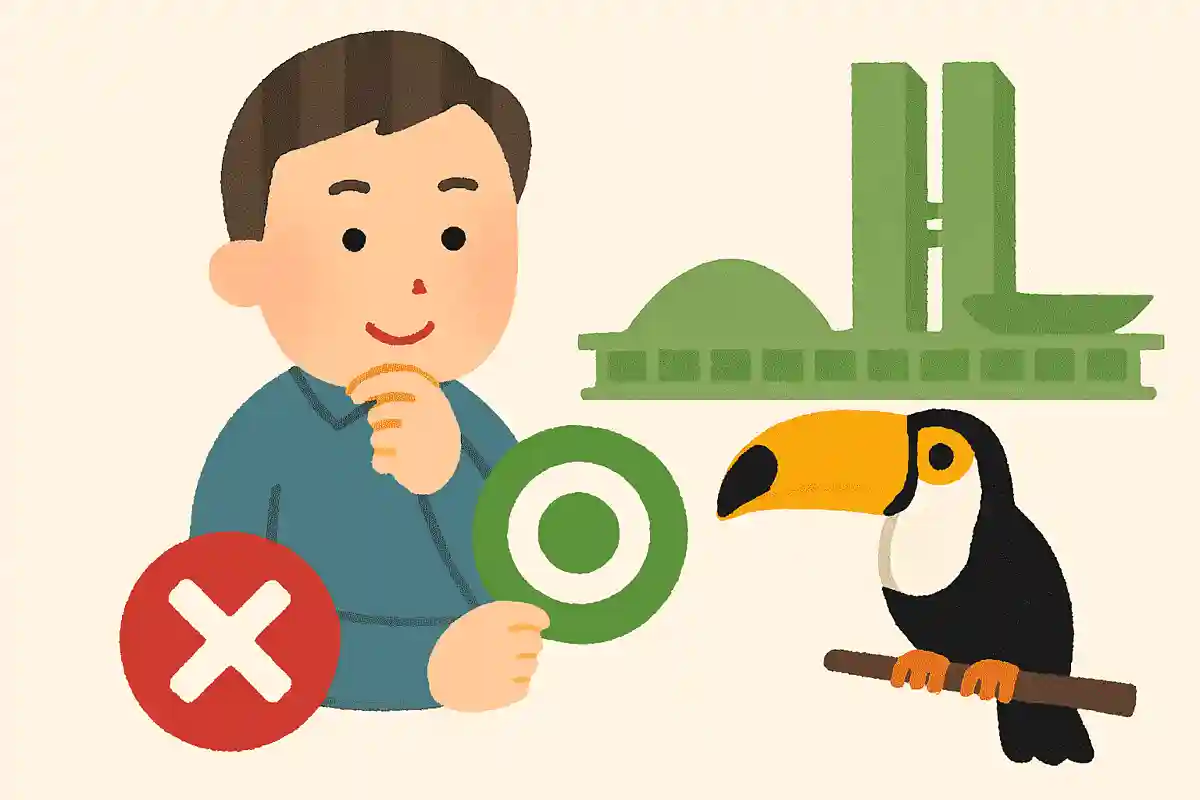
The capital of Brazil is Brasília.
See the answer
〇
In Brazil, Rio de Janeiro and São Paulo are well known, but the capital is a place called Brasília. Brasília is a planned city newly built inland in 1960 to promote the country’s political and economic development, and it is also registered as a UNESCO World Heritage site. The city’s design is by the famous architect Oscar Niemeyer, and it is characterized by a modern and distinctive urban landscape.

Mito Komon’s real name is Tokugawa Ieyasu.

See the answer
×
The person famous as Mito Kōmon was actually Tokugawa Mitsukuni, the grandson of Tokugawa Ieyasu, the first shogun who founded the Edo shogunate. Mitsukuni was the second lord of the Mito domain and became well known for overseeing the compilation of the Great History of Japan (Dai Nihonshi). Although he is fondly known to many as an elderly traveler from television dramas and the like, it is also said that he did not actually go on such journeys.
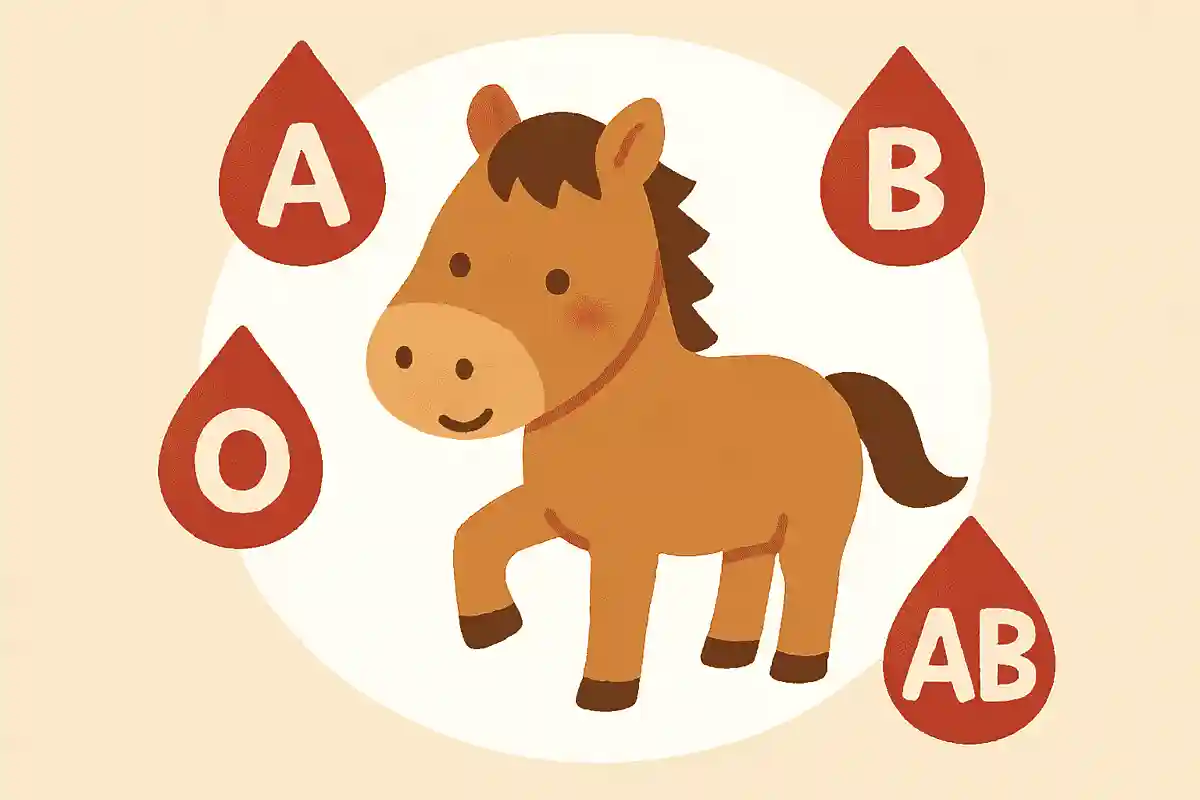
Horses have four blood types.
See the answer
×
Unlike humans, horses have a very large variety of blood types. Broadly speaking there are eight groups, and when further subdivided, it is said there are more than three trillion types in total. However, unlike humans, blood transfusions do not require matching blood types; transfusions can be performed between any blood types.

In Turin, Italy, you can be fined if you don’t walk your dog at least three times a day.

See the answer
〇
In Turin, Italy, the law stipulates—on animal welfare grounds—that pet dogs must be provided a comfortable life by ensuring they get enough exercise. As a result, if you fail to walk your dog at least three times a day, you may be fined. It’s a rule that reflects a culture typical of a leading animal-welfare nation, one that respects pets as members of the family.