

[Akita Songs] A Collection of Gem-Like Local Tunes Filled with Love for Hometowns

Akita Prefecture faces the Sea of Japan and is alive with abundant nature and traditional culture.
In this land, countless folk songs, enka, and local tunes filled with love for Akita have been born.
In this article, we’ve gathered masterpieces that possess a uniquely Akita quality—an enigmatic charm that stirs nostalgia.
Whether you’re from Akita or simply cherish it deeply, just hearing these songs will surely bring back memories as if the places themselves are appearing before your eyes.
Please enjoy these many classics that convey the very atmosphere and emotion of the land to your heart’s content.
- [Folk Songs and Children's Songs of Akita] A curated selection of local masterpieces that evoke love for one’s hometown
- Songs of Iwate: The Heart of Our Hometown Passed Down in Song | A Collection of Classics to Enjoy While Thinking of Iwate
- Akita Ondo: The Heart of Japan Passed Down in Song
- [Artists from Akita Prefecture] A comprehensive showcase from famous popular singers to up-and-coming bands
- Miyagi Songs: Popular tracks that celebrate famous sights and specialties, and timeless pieces filled with love for home
- A classic song that celebrates Niigata. The enduring spirit of our hometown passed down through song.
- [Local Songs] Recommended tracks packed with Japan’s nationwide classics and hometown pride
- A roundup of regional enka songs: classic hits that feature places from all across Japan in their lyrics.
- [Children’s Songs of Autumn] Autumn songs, school songs, and traditional children’s rhymes. A collection of classic pieces to sing in autumn.
- [Songs of Aomori] A collection of local songs depicting the grandeur of nature and the warmth of its people.
- An enka song about the Sea of Japan. A collection of famous songs themed around the great ocean.
- [Snow Songs] Classic winter tunes themed around snow. Snow songs that touch the heart.
- A classic enka masterpiece about one's hometown. A wonderful song that evokes thoughts of home.
[Songs of Akita] A Treasury of Local Classics Filled with Love for Our Hometown (11–20)
Oga PeninsulaKitayama Takeshi
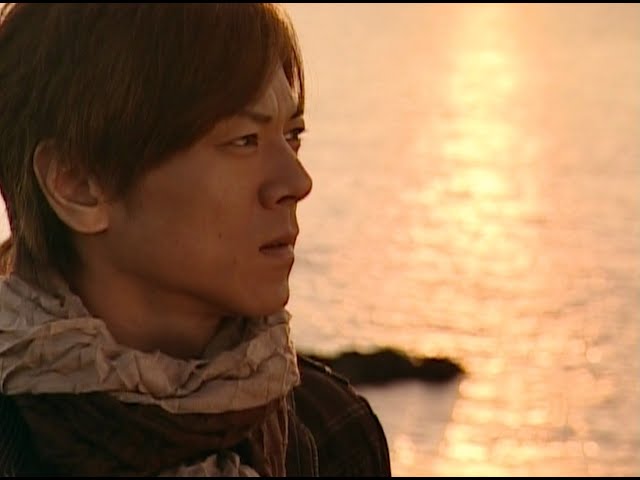
Set against the majestic natural backdrop of the Oga Peninsula in Akita Prefecture, this song captures the blazing spirit of a man who keeps his passion hidden within.
Landmarks from the peninsula appear in the lyrics, and just by listening, you can vividly picture the rugged scenery of the Sea of Japan.
Released in August 2007, the single’s coupling track, “Yume Ichizu,” was also used as the theme song for a period drama on TV.
Thanks to this song, Takeshi Kitayama served as the Oga Peninsula Tourism Ambassador and performed the piece at that year’s NHK Kouhaku Uta Gassen.
For anyone standing at a crossroads in life and about to take on a challenge, this is a song that gives a powerful push forward.
Wonderful Hachi-kunInaba Akira

It’s a heartwarming local song filled with love for the city of Ōdate.
Akira Inaba, a native of Ōdate, wrote both the lyrics and music himself, using humorous words to portray the city’s adorable mascot, as well as local specialties like kiritanpo hot pot and Hinai-jidori chicken.
The lively chorus sung by local kindergarteners adds a sense of warmth that feels like the whole community coming together.
This piece is included on the concept album “Minna Issho ni! Gotōchi Character Taisō,” released in July 2016, and it’s also cherished as a tourism PR song for Ōdate City.
Brimming with charm that brings a smile to every listener, it vividly conjures up the tranquil scenery of Akita.
O star maiden,Ozaki Kiyohiko

This is a grand, large-scale piece created as the image song for Ogata Village in Akita Prefecture.
Kiyohiko Ozaki’s overwhelming vocal power beautifully overlaps with the village’s vast night sky.
Amid the loneliness of parting, its romantic worldview resonates with a sense of hope for the future.
The song was produced in 1992 to commemorate the 25th anniversary of Ogata Village and was included on the single “Furusato no Satsuki,” released in April 1995.
For those striving away from their hometown, listening while gazing up at the night sky will surely set their hearts aflame.
Sky of DreamsTsukumo Yuu

This is a work by Yu Tsukumo that moves the heart with the passion of fireworks artisans who set Akita’s night sky ablaze and their love for their hometown.
Since 1988, this piece has been cherished as the opening theme of the National Fireworks Competition, enveloping the venue in emotion at the exact moment a Niagara fireworks display—spanning roughly 500 meters—ignites.
It is included on albums such as “Akita Sanka II” and is also used as the departure melody at Omagari Station.
For those with roots in Akita, or anyone longing to feel the warmth of the land, this work may well feel like a spiritual home in itself.
This is Ayako’s hometown pride.Fuji Ayako

It’s a truly signature track that made a striking impression as the opening chapter of Tomoyasu Hotei’s solo career.
The fusion of industrial beats and razor-sharp guitar riffs delivers a shock that shatters listeners’ preconceptions.
This challenging sound is the embodiment of his philosophy of “Guitarhythm,” which pioneers new possibilities for the guitar.
The song is the title track of his milestone debut album, GUITARHYTHM, released in October 1988.
Many were likely astonished by the sheer scale—recorded at a prestigious British studio just six months after BOØWY disbanded.
When you’re ready to take a new step forward, bathing in this shower of sound will give you the courage to carve out the future.
Akita Prefectural AnthemAkita-ken

This prefectural anthem, which sings of Akita’s mountains, rivers, and history in an elevated style, is a work of great historical significance established in October 1930.
It is the older of the two Akita prefectural songs.
The composition was created by Tamezo Narita from Kitaakita City, known for pieces such as “Hamabe no Uta,” with lyrics by Masashi Kurata from Daisen City and supplementary lyrics by Tatsuyuki Takano.
Its solemn and beautiful melody possesses an artistic resonance.
Although opportunities to sing it declined for a time after the war, it was reappraised when it was incorporated into the third movement of “Oinaru Akita,” a work for choir and wind band produced in 1968 as part of the Meiji centennial project, and it remains widely beloved today.
It is even hailed as one of Japan’s three greatest prefectural anthems.
[Songs of Akita] A Treasured Collection of Local Gems Filled with Love for Hometown (21–30)
Prefectural AnthemAkita-ken

December 1959, as Japan moved from postwar reconstruction into a period of rapid growth.
This work was selected through a public contest by Akita Prefecture as a symbol of a new era and enacted as the second prefectural anthem.
Reflecting the spirit of a “leaping-forward Akita” in anticipation of the Hachirōgata land reclamation project and the National Sports Festival, it is composed in a bright and lively style.
In 1961, King Records produced it on SP records, and it was later reissued as a single.
It was also incorporated into the fourth movement of “Great Akita,” a piece for chorus and wind band created in 1968 as part of the Meiji Centennial commemorations, and has been cherished deeply as more than a mere ceremonial song.