

What animal is this kanji? A quiz on difficult animal kanji.

You usually see animal names written in hiragana or katakana, right?
So when an animal name suddenly appears in kanji, you might find yourself a bit confused, thinking, “What animal is this?”
In this article, we’ll introduce tricky kanji that represent animals in a quiz format!
It features many animals you often see at zoos, aquariums, and in wildlife documentaries on TV.
Take the quiz and you’ll learn even more about animals.
It’s perfect for studying kanji and for brain training, so be sure to give it a try!
- A quiz on how to read obscure kanji: words that become difficult when written in kanji.
- Obscure fish kanji. Can you read them?
- [Animal Quiz] Learn about animals through quizzes!
- [Hard-to-Read Quiz] Single-character difficult kanji — including surprisingly simple ones!
- A quiz of interesting obscure kanji: characters that look easy but are hard to read
- How many can you read? A quiz on difficult kanji for foods
- [Interesting] Summary of Kanji Reading Quiz Questions
- [For Elementary School Students] Animal Quiz to Learn Knowledge and Fun Facts
- [For Elementary School Students] 3-Choice Quiz to Deepen Knowledge of Living Things
- [Trivia] Do you know the answers? A roundup of animal quizzes
- Animal riddles
- [Snake Quiz] Surprisingly fascinating once you know! Snake ecology & characteristics
- List of animals that start with “n”
What animal is this kanji? Difficult Animal Kanji Quiz (11–20)
What kind of animal is a “risu” (squirrel)?
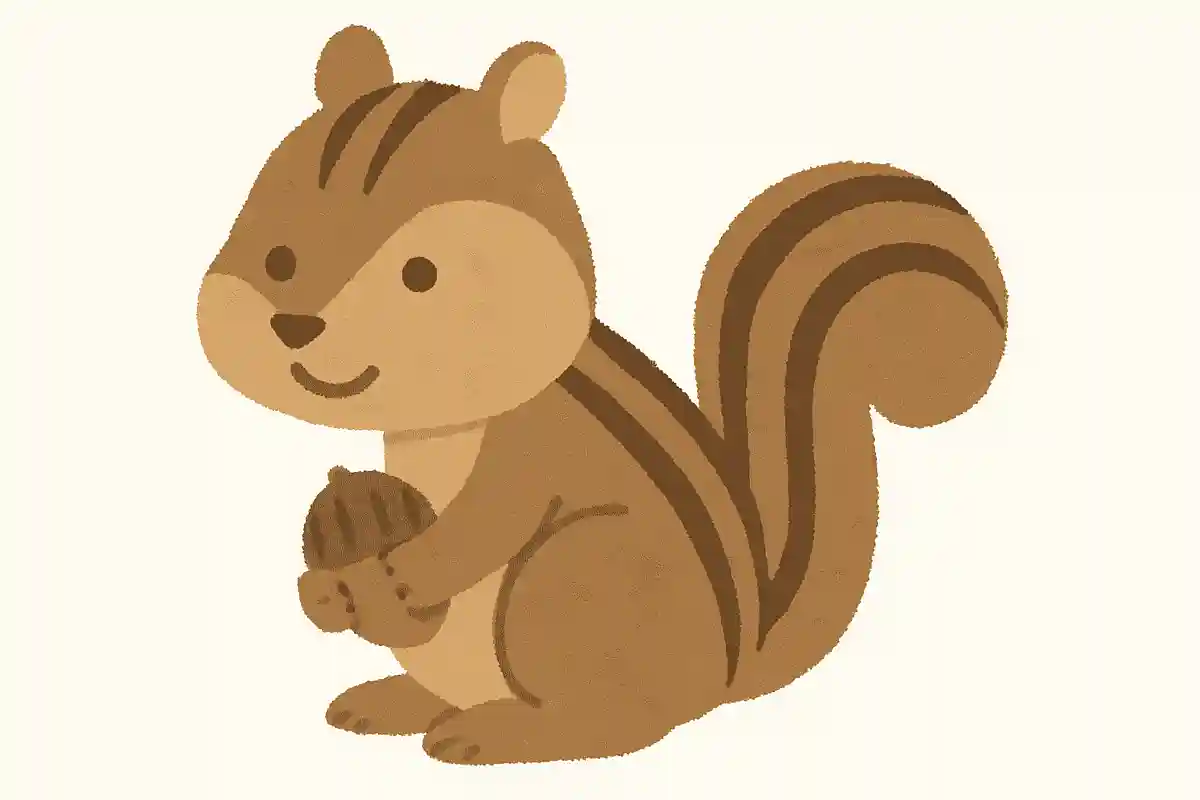
- squirrel
- mole
- hamster
See the answer
squirrel
“栗鼠” refers to “risu,” meaning squirrel. This kanji denotes a small rodent with markings like a chestnut. Besides “栗鼠,” squirrels may also be written as “木鼠” or “松鼠,” depending on their characteristics. By the way, in Japan, two species live in the wild: the Ezo squirrel and the Japanese squirrel.

In conclusion
We’ve just given you a quiz on animal kanji—how was it? You may have felt, “I think I’ve seen this before, but how do you read it again?” There were probably lots of kanji like that. Sometimes the characteristics of the animal are reflected in the kanji itself, so take another look and observe the characters closely!