


You usually see animal names written in hiragana or katakana, right?
So when an animal name suddenly appears in kanji, you might find yourself a bit confused, thinking, “What animal is this?”
In this article, we’ll introduce tricky kanji that represent animals in a quiz format!
It features many animals you often see at zoos, aquariums, and in wildlife documentaries on TV.
Take the quiz and you’ll learn even more about animals.
It’s perfect for studying kanji and for brain training, so be sure to give it a try!
- A quiz on how to read obscure kanji: words that become difficult when written in kanji.
- Obscure fish kanji. Can you read them?
- [Animal Quiz] Learn about animals through quizzes!
- [Hard-to-Read Quiz] Single-character difficult kanji — including surprisingly simple ones!
- A quiz of interesting obscure kanji: characters that look easy but are hard to read
- How many can you read? A quiz on difficult kanji for foods
- [Interesting] Summary of Kanji Reading Quiz Questions
- [For Elementary School Students] Animal Quiz to Learn Knowledge and Fun Facts
- [For Elementary School Students] 3-Choice Quiz to Deepen Knowledge of Living Things
- [Trivia] Do you know the answers? A roundup of animal quizzes
- Animal riddles
- [Snake Quiz] Surprisingly fascinating once you know! Snake ecology & characteristics
- List of animals that start with “n”
What animal is this kanji? Difficult Animal Kanji Quiz (1–10)
What animal is a “umi-bō” (seal)?
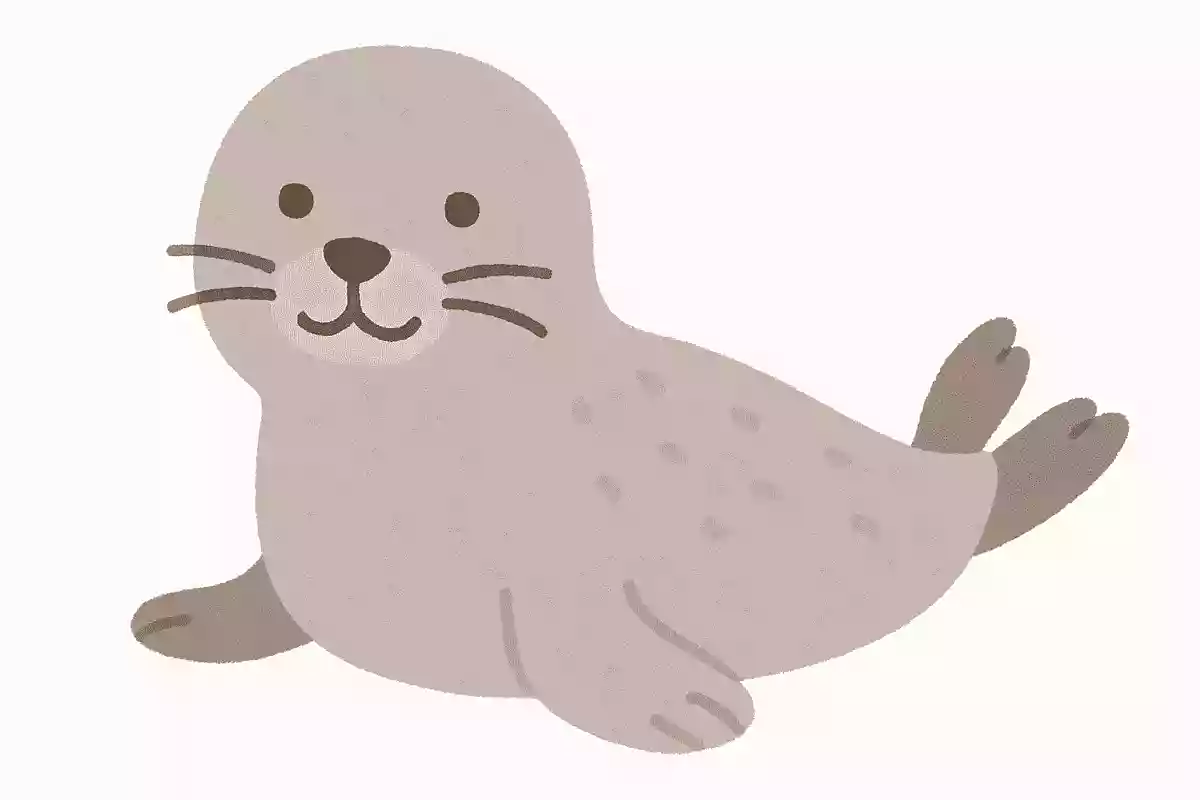
- seal
- dolphin
- sea otter
See the answer
seal
“海豹” is read as “azarashi.” An azarashi is a type of marine mammal, known in English as a “seal.” It’s said that the kanji “豹” (tiger/leopard) is used because seals, like leopards, have spotted patterns, making the character “豹,” which can be read as “hyō” (leopard), appropriate.

What kind of animal is a “dugong”?
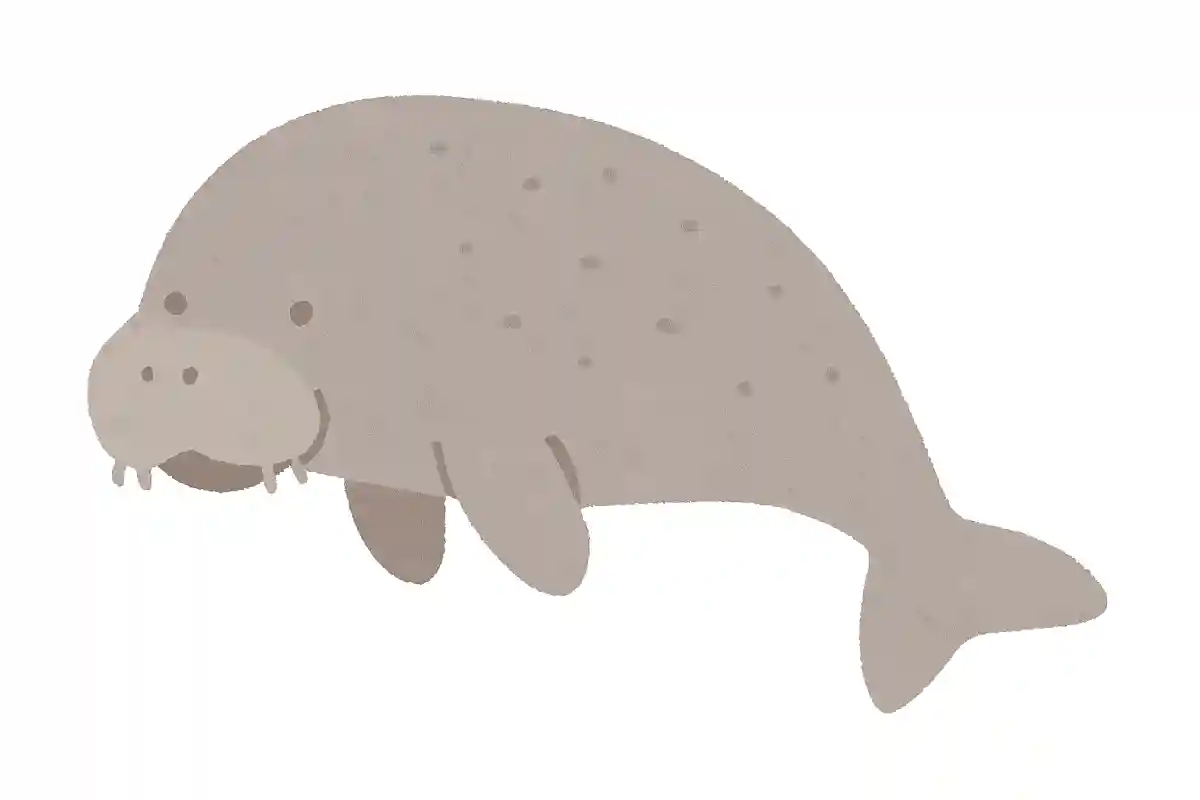
- dugong
- hippopotamus
- sea otter
See the answer
dugong
The reading of “儒艮” is “jugon” (dugong). It is a mammal that mainly inhabits warm seas, and because it eats seagrass on the ocean floor, it is also called the “herbivore of the sea.” The word “dugong” comes from the Malay “duyun,” which is said to mean “lady of the sea.”
What animal is a ‘umi-rasu’ (sea otter)?
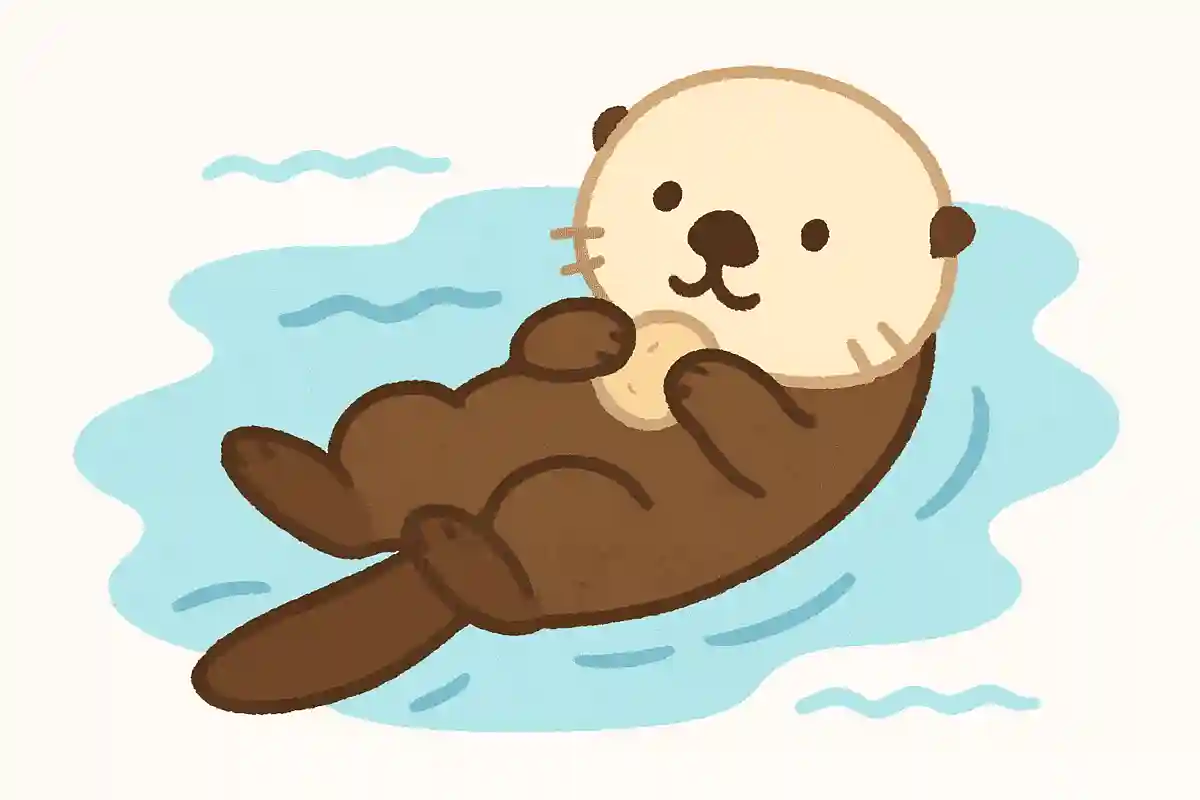
- otter
- raccoon dog
- sea otter
See the answer
sea otter
“海獺” is read as “rakko,” meaning sea otter. Sea otters are marine mammals that live mainly along the coasts of the North Pacific, and they are known for using stones placed on their bellies to crack open shellfish to eat. After using a stone, they carry it by putting it into a pocket under their armpit.
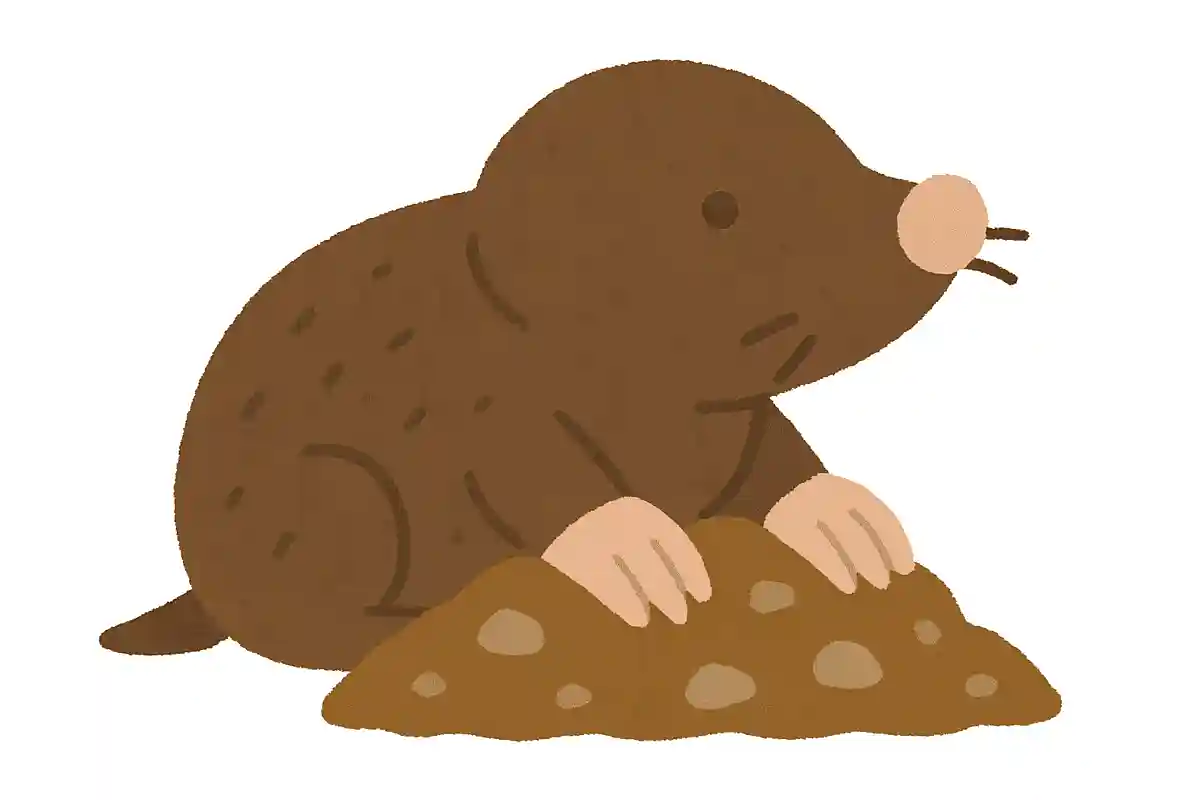
What kind of animal is a “mogura” (mole)?
- Japanese dormouse
- mole
- Spider
See the answer
mole
“土竜” is the kanji that refers to a mole. Moles live mainly underground and are characterized by small, inconspicuous eyes and sharp claws suited for digging. As for the origin of this kanji, there are various theories: for example, that the tunnels dug by moles are long like a dragon, or that when the term “土竜” (which in China referred to earthworms) came to Japan, it was misapplied to moles.
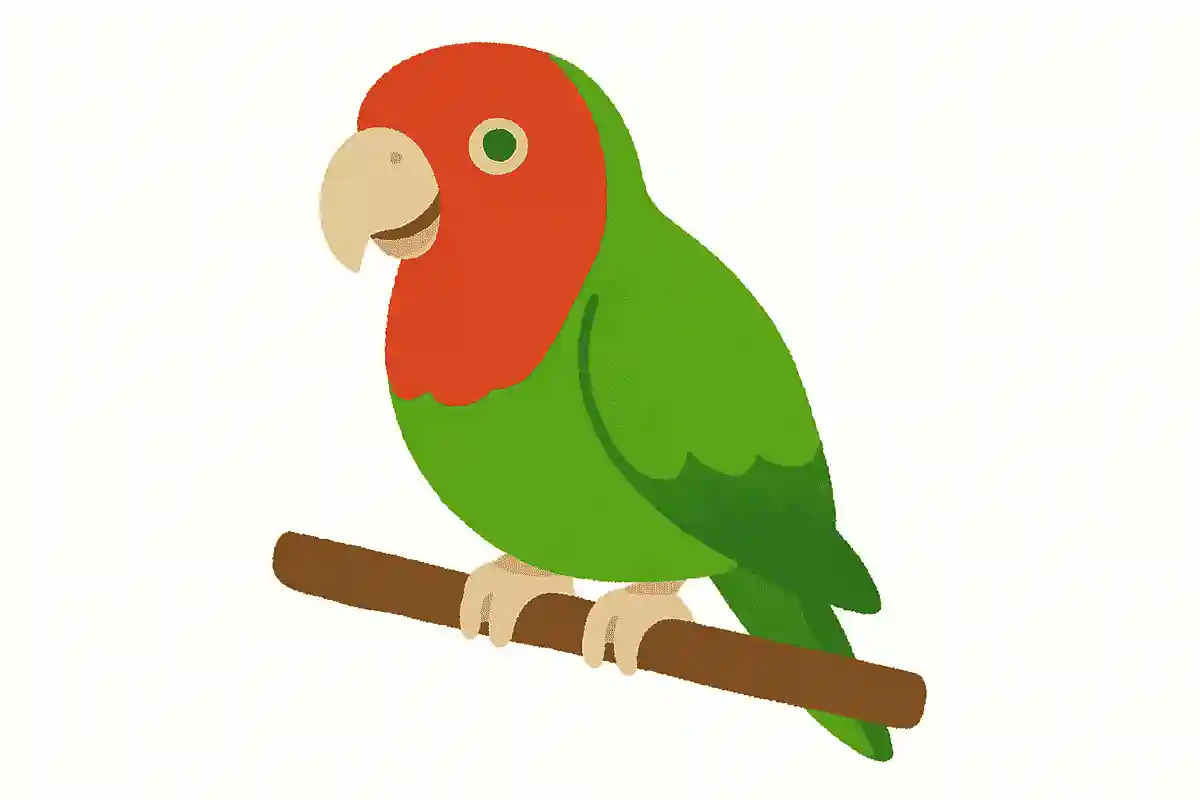
What kind of animal is a “ōmu” (parrot)?
- flamingo
- parrot
- canary
See the answer
parrot
“鸚鵡” is a difficult kanji that refers to parrots, known for their colorful feathers and their ability to mimic human speech. Parrots can “talk” because their syrinx—the avian vocal organ—and their tongues are well developed. It is also said that their habit of imitating a partner’s calls as a means of communication contributed to their ability to mimic human language.
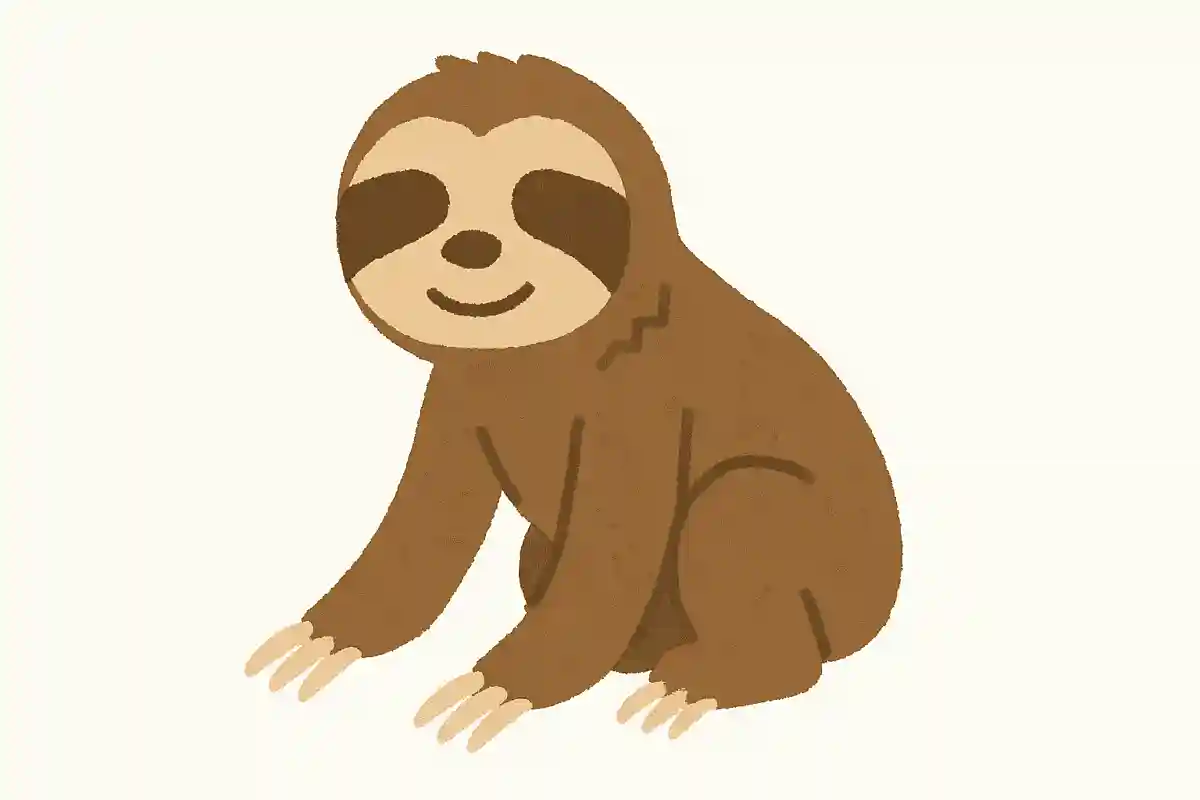
What kind of animal is a “sloth”?
- koala
- sloth
- panda
See the answer
Option 2
“樹懶” is read as “namakemono.” Sloths live in the tropical rainforests of Central and South America, spending their days leisurely in the trees. The characters used—“樹,” meaning tree, where sloths live, and “懶,” meaning lazy—make it a perfectly fitting kanji for sloths.
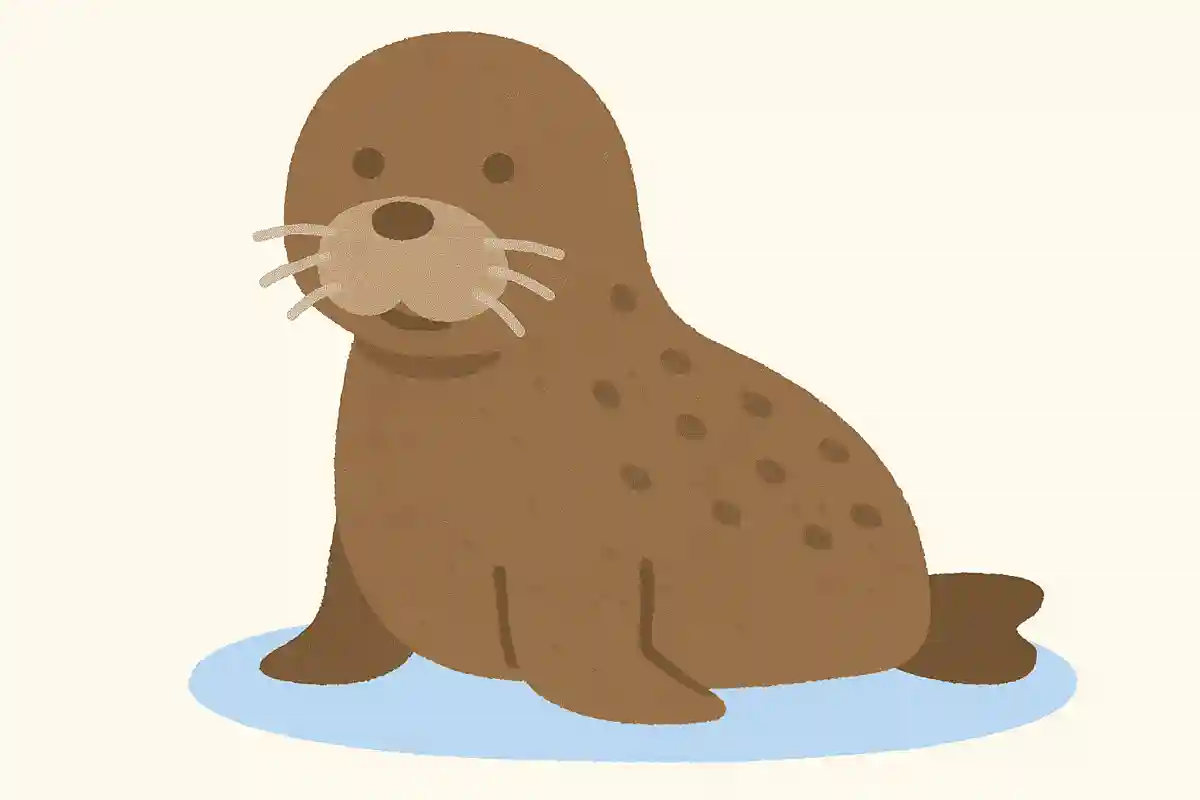
What animal is “膃肭臍”?
- seal
- Capybara
- fur seal
See the answer
fur seal
The fur seal is a large animal, with males reaching 2 meters in length and weighing over 250 kilograms, but it’s often hard to tell them apart from seals and sea lions. Fur seals are distinguished by their visible ear flaps, dark-colored bodies, and long fur.