

[Songs of Aomori] A collection of local songs depicting the grandeur of nature and the warmth of its people.

The fertile fields and the Tsugaru Plain stretching serenely, the majestic Hakkoda Mountains, and the grand Sea of Japan.
Songs born from Aomori’s nature-rich land are loved not only by its residents but by many people far and wide.
In this article, we introduce captivating pieces woven with Aomori’s scenery and sentiment—from local songs cherished by the community, to popular ballads set in Aomori, to hometown tunes by artists hailing from the prefecture.
Please enjoy them while reflecting on the land of Aomori and the hometown that resides in each of our hearts.
- Folk Songs, Children's Songs, and Nursery Rhymes of Aomori: Japanese Songs from Tsugaru and Hachinohe that Resonate with the Heart
- [Akita Songs] A Collection of Gem-Like Local Tunes Filled with Love for Hometowns
- [Hometown Songs] A curated selection of popular Japanese tracks that fill your heart with nostalgia
- Miyagi Songs: Popular tracks that celebrate famous sights and specialties, and timeless pieces filled with love for home
- [Local Songs] Recommended tracks packed with Japan’s nationwide classics and hometown pride
- Songs of Iwate: The Heart of Our Hometown Passed Down in Song | A Collection of Classics to Enjoy While Thinking of Iwate
- [Songs of Fukushima] Thinking of my hometown | A heartwarming collection of classic songs celebrating the beautiful “Fukushima”
- [2026] Masterpieces that sing of Hokkaido: the heart of a beloved homeland passed down in song
- A classic song that celebrates Niigata. The enduring spirit of our hometown passed down through song.
- The Spirit of Japan: A Collection of Famous and Popular Shamisen Pieces
- [Okayama Songs] A roundup of local anthems and classic hits brimming with hometown pride!
- [Yamagata Songs] Beloved local tunes and classic tracks celebrating majestic nature and hometown pride
- A classic song that sings of Nagasaki: the enduring heart of our hometown
[Aomori Songs] A collection of local tunes depicting the grandeur of nature and the warmth of its people (11–20)
dodarebachiningen ishi

This is a song brimming with a rustic, homegrown charm, sung entirely in the Tsugaru dialect.
Performed by the Hirosaki, Aomori–born band Ningen Isu, it appears on their classic album Odoru Issun-boshi, released in December 1995.
The fusion of heavy sounds with folk-like melodic turns conjures vivid images of Tsugaru’s harsh natural environment and the resilient people who live there.
Infused with a warm, endearing quality that only a hometown accent can convey, this piece is sure to give you a gentle push when you find yourself thinking of home.
Aomori Rock Ministerningen ishi

This is a quintessential Ningen Isu track that shouts a twisted love for their hometown over a hard rock sound.
At first listen it may come off as humorous and self-deprecating, but beneath that lies a fierce affection and pride for their birthplace, Aomori.
The anecdote that they incorporated in-train announcements from their trips home into the lyrics also conveys a deep attachment to everyday life back in their hometown.
The song was included on the album Rashomon, released in October 1993, and was also selected for the best-of compilation The Swindler and the Air Man: Ningen Isu Masterpieces.
It even became a local commercial jingle in Aomori—truly an officially recognized local anthem.
Lake TowadaKitajima Saburō
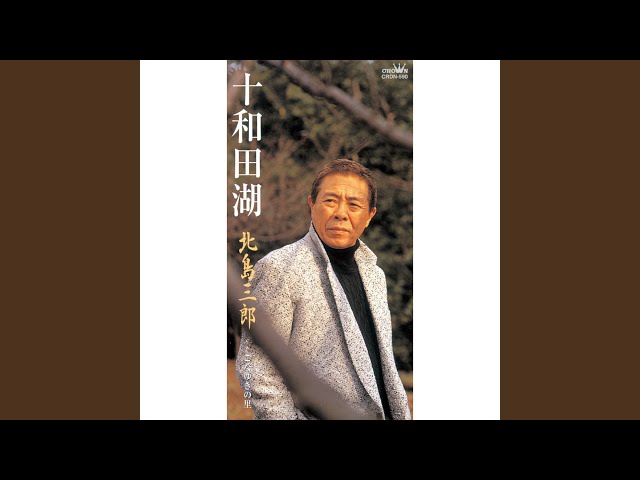
Set against the majestic scenery of a lake stretching across the border between Aomori and Akita, this is a life-themed enka by Saburo Kitajima that sings of the profound depths of existence.
The protagonist, reflecting on his own path by the lakeside, is portrayed through a powerful vocal performance.
The song’s appeal lies in its lyrical worldview, where the quiet of nature resonates with the cry of the human soul.
Released as a single in January 1999, it was also included on the album “Saburo Kitajima Complete Collection: Lake Towada / Root.” It’s a piece that will resonate deeply when you want to face yourself at a turning point in life, or when you wish to align your heart with the nature of your hometown.
Solo Journey with the Tsugaru ShamisenSaisei

This song captures the resolve and loneliness of leaving one’s hometown to devote oneself to a life in the performing arts.
Ayasei, who sings and also plays the Tsugaru shamisen and shakuhachi, puts the instrument at the core of his roots—the Tsugaru shamisen—front and center, stirring the listener’s heart.
Set against the harsh natural backdrop of Japan’s northern lands, the piece portrays a young person pursuing a dream alone.
Their earnest determination overlaps with the shamisen’s powerful yet somehow wistful tones, resonating deeply with all who listen.
Riding the momentum of winning the Best New Artist Award at the 61st Japan Record Awards, Ayasei released this track as his second single in May 2020.
Come back here.Mizuki Natsumi

A poignant enka of homesickness that longs for a father who won’t return home, as if waiting for spring to arrive in the Tsugaru Plain.
Natsumi Mizuki’s powerful yet lyrical voice—nurtured by folk song—merges with Tsugaru’s primal scenery, from apple orchards to the sound of steam whistles, stirring the listener’s heart.
Released in August 2017 as her sixth single, this song later became one of her signature tracks, included on the album “Utatugumi 2” and the best-of collection “Zenkyokushū 2021.” For those living away from their hometowns, it may overlap with feelings for their own families and make their hearts swell.
Cape TappiMizumori Kaori

This is a celebrated song by Kaori Mizumori that overlays the poignant emotions of a heartbroken woman onto the desolate natural scenery of Aomori.
Released as a single in October 1999, it was also included on the album “Kaori Mizumori Complete Collection ~Tappi Misaki~.” Set at the northernmost tip of the Tsugaru Peninsula, the piece powerfully conveys the sorrow of a protagonist traveling alone while carrying feelings for someone she cannot forget.
Give it a listen when you want to immerse yourself in the travel atmosphere of Japan’s northern regions and the lyrical storytelling unique to enka.
[Aomori Songs] A collection of local tunes depicting majestic nature and the warmth of its people (21–30)
Message from the Blue ForestAomori-ken
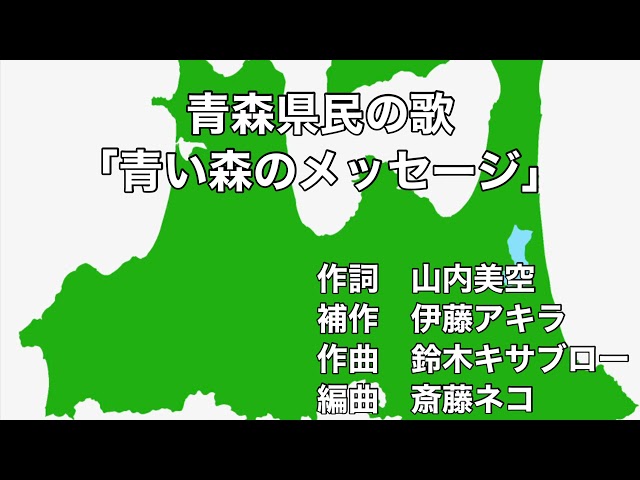
A song established in January 2001, marking the dawn of the 21st century, that can be called a new symbol of Aomori Prefecture.
Aomori has two officially designated prefectural songs, but this is the one primarily used.
It’s striking how the phrase “Aoi Mori” (“Blue Forest”) is portrayed not only as the natural landscape, but also as a symbol of people supporting one another.
Produced by Katsuhisa Hattori, the piece features a sound that combines grandeur with warmth.
Why not listen closely and savor Aomori’s rich four seasons?