

[Baroque Music] A Curated Selection of Timeless Masterpieces and Famous Works

Baroque music, which emerged from the early 17th century to the mid-18th century.
During the Baroque era, when great composers such as Johann Sebastian Bach, Antonio Vivaldi, and George Frideric Handel were active, music was performed mainly at courts and in churches, and was cherished as an aristocratic pleasure beyond the reach of ordinary people.
Here, we present representative works from that era—pieces born in the Baroque period that have continued to be loved across the centuries.
- Handel’s Masterpieces | A Comprehensive Introduction to His Popular Works
- J.S. Bach | Introducing Famous and Representative Works
- Vivaldi’s masterpiece. Popular classical music.
- [Masterpiece Classics] A special showcase of gem-like masterpieces so beautiful they’ll move you to tears
- [Classical Music] A carefully curated selection of masterpieces born in the pivotal era that bridged the Baroque and Romantic periods
- Classical Masterpieces: Recommended Works You Should Hear at Least Once
- Arcangelo Corelli’s Masterpieces and Popular Works: A Collection of Beautiful and Elegant Melodies
- A catchy tune that sounds familiar
- Timelessly beautiful classical masterpieces. Recommended classical music.
- [Violin] A curated selection of beloved classic masterpieces and popular pieces that continue to be cherished across eras
- [Quartet] Masterpieces and Popular Pieces for String Quartet
- Today's Classics: Recommended classical music and great performances to listen to today
- [Scarlatti] Introducing masterpieces and signature works from his many keyboard compositions!
[Baroque Music] A Curated Selection of Timeless Masterpieces and Famous Works (11–20)
Trumpet Tune and AirHenry Purcell
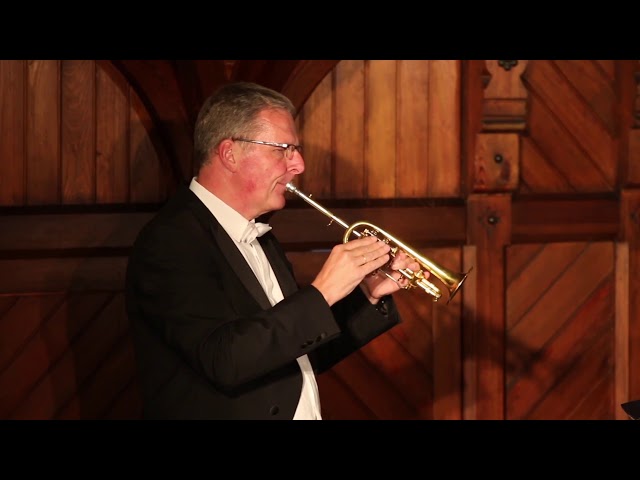
Henry Purcell’s 1685 creation, Trumpet Tune and Air, is a work notable for its magnificent trumpet melodies.
Originally written for keyboard, it later became widely known as a trumpet classic.
Combining elegance and brilliance, the piece is often performed at joyful occasions such as weddings, and in Japan it’s also familiar as the music used in a cup-noodle commercial.
If your only association is the comedic parody version, do give the original a listen.
Samson HWV 57 ‘Overture’Georg Friedrich Händel

Georg Friedrich Handel, a leading figure of the late Baroque.
This piece opens the overture to the oratorio Samson, which Handel undertook immediately after completing the famous Messiah and premiered in February 1743.
While the oratorio deals with the tragedy of a hero, this work does not depict the story directly; rather, it heightens anticipation for the grand drama to come.
Its appeal lies in the brilliant, resounding brass, whose powerful sonorities suggest the hero’s dignity and the sanctity of the tale, instantly drawing listeners in.
Known also through recordings conducted by Nikolaus Harnoncourt, this piece is perfect as an introduction before focusing on a task, or whenever you want to immerse yourself in the expansive world of classical music.
Water Music: HornpipeGeorg Friedrich Händel

There is an orchestral suite by George Frideric Handel written to adorn a royal river outing, and one of its pieces combines a refreshing coolness with festive brilliance that suits summer perfectly.
At its premiere on the Thames in July 1717, it captivated audiences so much that King George I reportedly ordered multiple encores.
With trumpets and horns in lively motion, it lifts listeners into a bright, celebratory mood.
It’s also known for coloring a scene in the film Dead Poets Society.
For those seeking a brisk, invigorating moment on muggy days, or anyone who wants to enjoy the majestic yet light charm of Baroque music with ease, this piece is just the thing.
Oratorio ‘Solomon’: The Arrival of the Queen of ShebaFranz Joseph Haydn

Handel’s masterpiece oratorio, Samson.
The instrumental piece performed in Act III is renowned among classical works for its especially festive atmosphere.
Depicting the splendid arrival of a queen from the Old Testament, it features a striking, energetic interplay between oboes and strings.
It’s as if the palace doors swing open and a dazzling procession sweeps in with radiant light.
Although originally presented in March 1749 as part of the oratorio’s premiere, the piece also drew wide attention when it was performed at the opening ceremony of the London 2012 Olympics.
There may be no piece more fitting as celebratory background music.
Easter OratorioJ.S.Bach

A resplendent fanfare announces the dawn of resurrection in this festive oratorio by Johann Sebastian Bach.
Its great appeal lies in the magnificent instrumental writing—featuring trumpets and timpani—and the dramatic dialogues among the four soloists who portray the characters.
The music vividly depicts the disciples’ quickened steps as they hurry to the Lord’s tomb and the subtle shift of their hearts from astonishment to conviction.
Premiered on Easter Day in April 1725, the work also has the intriguing background of having originally been a different celebratory cantata.
It is a masterpiece perfectly suited for immersing oneself in a world of hope and joy, enveloped in the majestic sonorities of orchestra and voices.
O Thou, God the FatherJ.S.Bach

Johann Sebastian Bach, the father of music.
The Orgelbüchlein, a collection of organ pieces that Bach left around 1713 during his Weimar period, contains many masterpieces.
This work, one of the pieces from that collection, is an arrangement of a chorale based on the Lord’s Prayer.
Its calm yet noble melody, together with the delicately ornamented inner voices, seems to embody the very spirit of deep prayer.
It was originally performed in church services as an introduction to hymns sung by the congregation.
On a night when you wish to quiet your heart, or in the morning when you want to begin the day with a pure mind, imagine the sound resonating in a church and listen, savoring each and every note.
In conclusion
We have introduced works that represent the Baroque era. Music that once belonged solely to the nobility is now, centuries later, loved by people of all ages and backgrounds—surely something the great composers of the time could never have imagined. Beyond the pieces mentioned in this article, many other remarkable works from the Baroque period remain. Why not take this opportunity to immerse yourself fully in the charms of Baroque music?