

Games you can play in the car! Fun activities to liven up drives and traffic jams


“I want to make boring time in the car fun!” If you’re looking for ideas to make that wish come true, you’re not alone.
In fact, there are plenty of games you can enjoy in the car with family and friends.
In this article, we’ll introduce ideas for car games that turn travel time into something exciting.
From license-plate math games and the classic word-chain game to music-based challenges.
With games that everyone can enjoy together, even traffic jams and long drives can turn into fun memories! Be sure to try them on your next trip!
Games you can play in the car! Fun activities for road trips and traffic jams (1–10)
Sea turtle soup

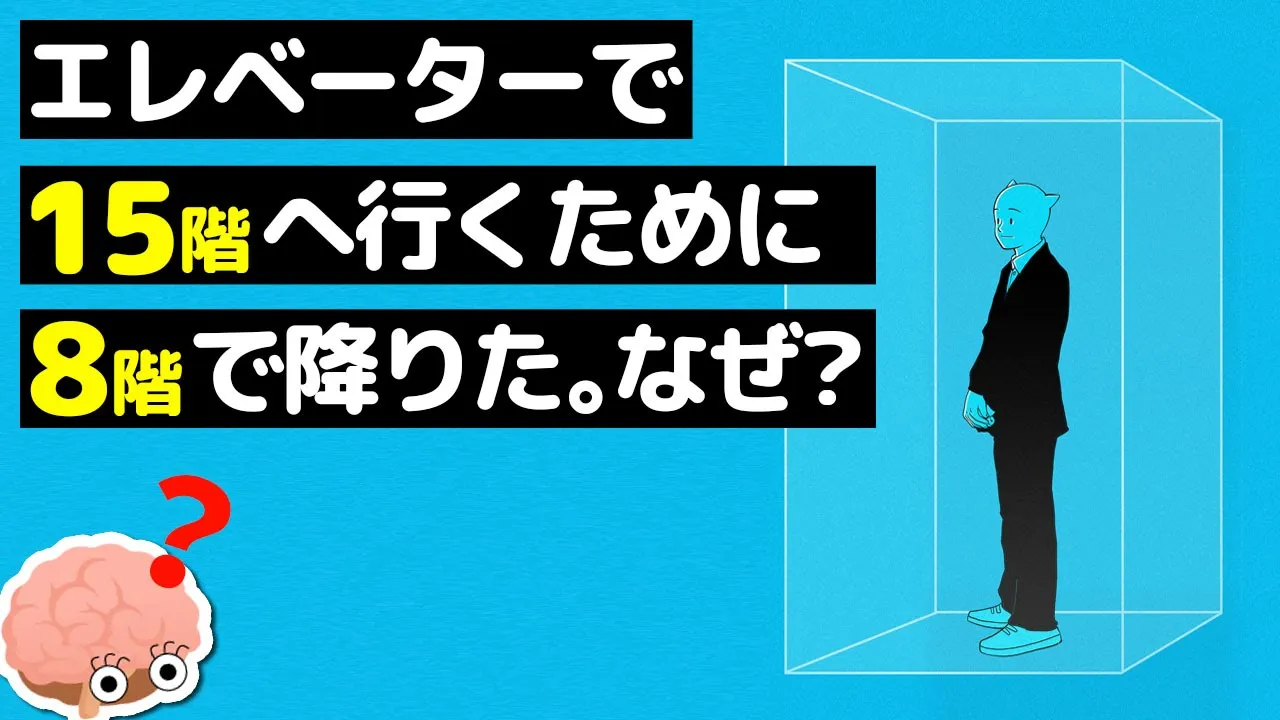
‘Umigame no Soup’ is a classic analog game also known as a ‘lateral thinking riddle game.’ At first glance, a baffling problem statement is presented, and players ask the poser questions that can be answered with “yes” or “no” to arrive at the solution.
It’s a game that values creativity, as you ask questions from various angles to reach an answer that may even seem unreasonable.
As long as you have a problem prepared, the rest can proceed through conversation alone, and since each round can take time to solve, it’s perfect for passing the time.

Unanimous Game

It’s a simple game where you present answers to a prompt and aim to make everyone’s answers match.
It can be fun to have each person give the answer that first comes to mind and see how closely your thoughts align, or you can focus on matching by discussing without saying your actual answers and steering toward consensus—that’s likely to be exciting too.
The simpler the prompt and the more possible answers there are, the harder it is to match, and that almost-but-not-quite matching frustration is part of what makes the game enjoyable.
riddle

Riddles are a game where creativity is key, and they can be enjoyed by people of all ages, from children to adults.
Sometimes the key to a puzzle lies in words that share the same pronunciation but have different meanings, which also makes them great for language learning.
You can easily find riddles by looking them up online or referring to books that compile them.
It’s best to adjust the difficulty according to the participants’ ages so everyone present can enjoy the questions.
Flexibility of thinking is often important, and sometimes adults can’t solve them—this is part of what makes the game fun.
Rhythm 4

The “Rhythm 4” segment from the variety show “Go to School!” is a game that uses hand motions and names.
You start with the phrase, “Let’s go with the rhythm that begins with [Name]!” Put the first player’s name in the brackets.
After saying the name of the person you’re passing it to, say a number from 1 to 4.
The person whose name is called then says their own name that many times.
If you miss the rhythm or say the wrong number, you lose.
When playing, don’t forget to tap the desk, clap your hands, and make the two-thumbs-up gesture.
You can also add various extra rules like “Cheke” or “Bomba-ye,” so try different versions and have fun!

Intro Quiz

The intro quiz, a staple on TV quiz shows, is easy to run as long as you can play music.
You just play a song from the beginning, and the person who answers correctly the fastest gets a point—simple rules that are appealing.
It’s also fun to choose songs that suit the questions, like tracks that start with vocals or have distinctive intros.
Since for big hits the chorus is often more famous than the intro, you might even make new discoveries through the quiz.
Do-Re-Mi Song Game

“Do-Re-Mi Song” is often sung by children to learn the solfège notes.
The “Do-Re-Mi Song Game” that uses this tune tests not only whether you remember the Do-Re-Mi syllables, but also whether you can sing the original lyrics and melody correctly.
You sing the lyrics associated with each solfège syllable in turn, but the order of the syllables is scrambled—for example, after Do comes La, after La comes Mi, and so on.
You must sing the lyric that matches each syllable and also convert the melody to the correct phrase for that part.
If you get carried away by the previous person and just keep following their flow, you’re out.
Because it requires concentration, it’s a great way to forget the time and have fun even during a long traffic jam!
NG word game

The “NG Word Game” is a conversation game where you try not to say certain taboo words.
First, assign an NG (no-go) word to each participant—using phrases they often say or their verbal tics can make it more fun! Write each person’s NG word on a piece of paper and stick it to their forehead.
Once you’re set up, just start a normal conversation.
Guide the talk so others end up saying their NG word.
If someone says their NG word, they lose; the last person who hasn’t said theirs wins.
You can play it over and over, so it’s perfect for long traffic jams!