

How to win at kibasen (mounted cavalry battles). A thorough guide to team assignments, horse formation, and tactics.


Kibasen, one of the classic events at school sports days, is a competition where three people form a human “horse” as the base and one rider mounts on top to battle.
You win by either snatching the headband or cap worn by the opposing rider, or by knocking the opposing rider off their horse.
It’s one of the most heated events at a sports day.
In this article, we’ll thoroughly introduce tips for kibasen, where the determination of “I absolutely don’t want to lose!!” clashes head-on.
We’ll explain in detail everything from staffing and how to form the horse, to tactics during matches and even training methods.
If you’re a competitor who’s set on winning at kibasen no matter what, be sure to use this as a reference!
- Songs that hype up Sports Day and Athletic Festivals: Japanese Music / J-Pop Artist Rankings [2026]
- [Blazing] Carefully selected tracks perfect as BGM for cavalry battles at sports festivals!
- Sports Day/Athletics Festival: Crowd-Pleasing Cheer Battle Ideas and Performances
- Get Fired Up! A Collection of Anime Songs to Hype Up Your Sports Day and Athletic Festival
- [Teens] Popular Songs Ranking by Generation [2026]
- [From Classics to Hidden Favorites] A Compilation of Main Track Entrance Themes [2026]
- Effects and Uses of “Bamiri” on the Dance Stage
- Top Songs to Hype Up Sports Day and Athletic Festivals [2026]
- [Eisa] A roundup of classic and popular songs—perfect for sports day!
- [Popular] A Collection of Japanese Songs Related to Horse Racing [Music]
- [Sports Day] A roundup of popular Japanese songs perfect for mass performances [Athletic Festival]
- [Sports Day] Get Fired Up! Cool Phrases Recommended for Cheer Squads
- [Elementary School Students] Popular Song Rankings by Generation [2026]
Overall tips for cavalry battles (1–10)
Be sure to speak up/reach out.
This may be the most basic aspect of a cavalry battle—so basic it might not even count as a “tip”—but calling out to each other is essential.
In particular, if an opponent gets around behind your horse, your chances of losing go way up, so the rider should keep a close watch on the surroundings and communicate the situation to the carriers.
It’s also good for the rider to tell the carriers which opponent to target and the overall plan of attack.
Meanwhile, the carriers should call out when they move to synchronize their actions, and when grappling with the opposing horse, they should keep communicating—whether to push or pull—so they can move steadily and in sync.
The jockey doesn’t lower his hands.
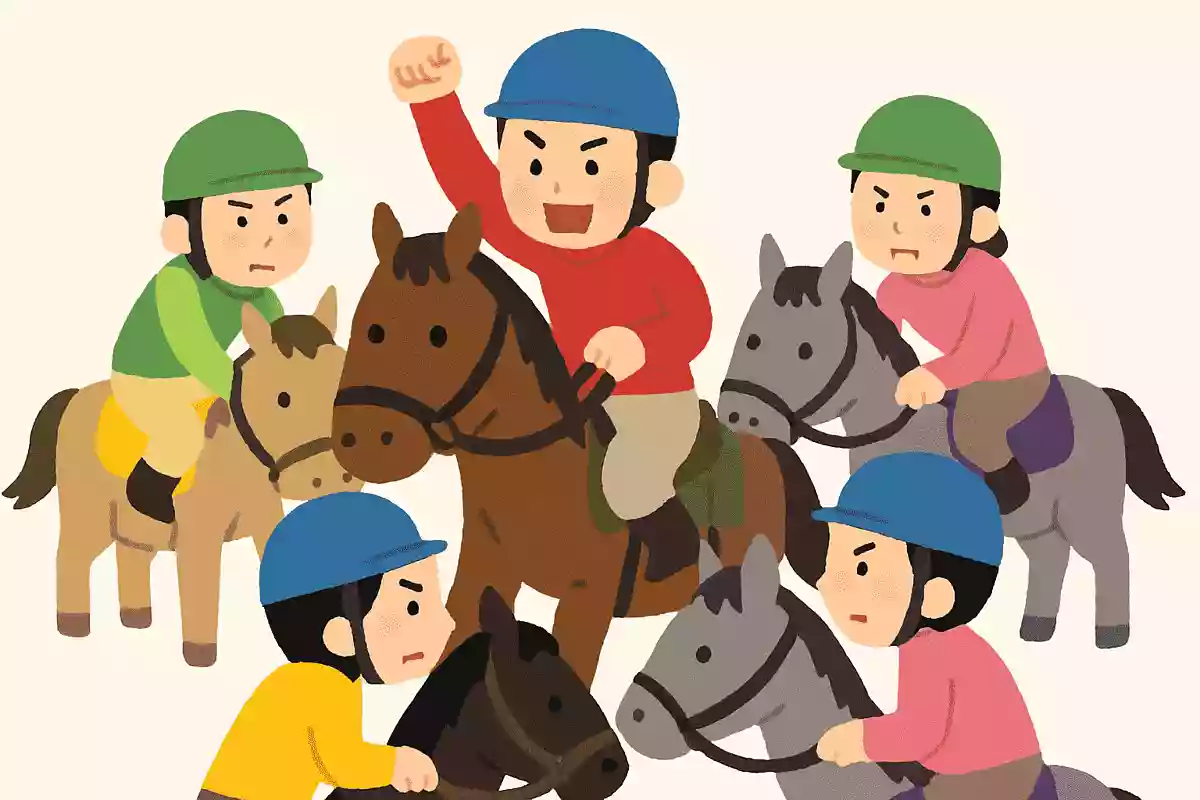
The second tip for cavalry battles is about the rider’s basic posture.
In cavalry battles, being attacked from above puts you at a serious disadvantage, so it’s important for the rider to keep both hands raised rather than lowered.
By keeping your arms up, you can maintain a constant guard and also switch to offense quickly.
Make sure to thoroughly adopt this as the fundamental stance for cavalry battles.
Tips for Team Battle Tactics (1–10)
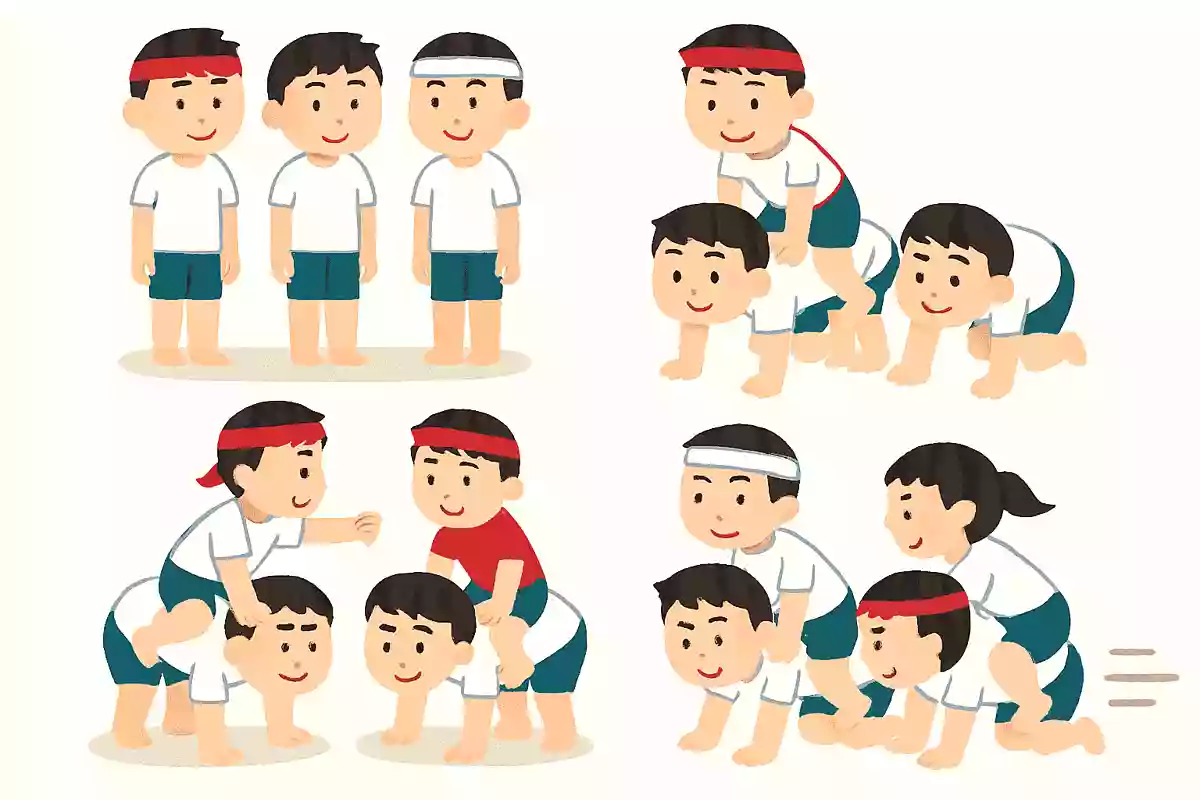
From here, we’ll finally dive into tips for positioning and movement in team battles.
These are the core elements of strategy in cavalry battles, so pick the tips that suit your team, make them your own, and use them to gain the upper hand in matches.
Divide roles between fast horses and tall horses
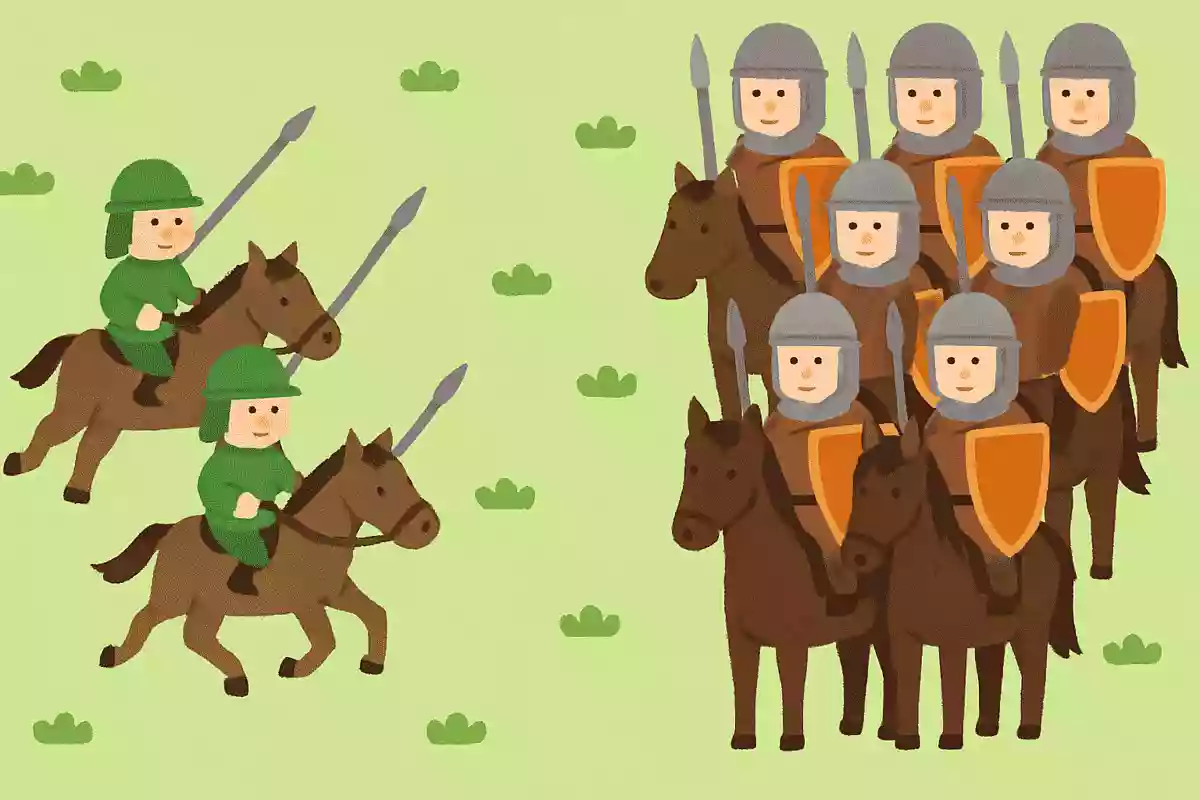
In team matches, the standard tactic is to build two types of mounts—one fast and one tall—and divide roles between them as you attack.
Earlier, we recommended arranging your riders to create both a tall mount and a fast mount; this directly connects to team match strategy.
First, the fast mount acts as a decoy, moving around to scatter the opposing team’s riders.
Then, the tall mount targets any rider left isolated and goes in to snatch their headband or cap.
Additionally, if you pair a fast mount with a tall mount and use the duo to pincer an opponent who’s become separated, your win rate will improve even more.
By maintaining a consistent strategy—from how you build your mounts to how you maneuver during the match—you should be able to steer the game to your advantage.
Aim for a mounted opponent whose horse is shorter than your own
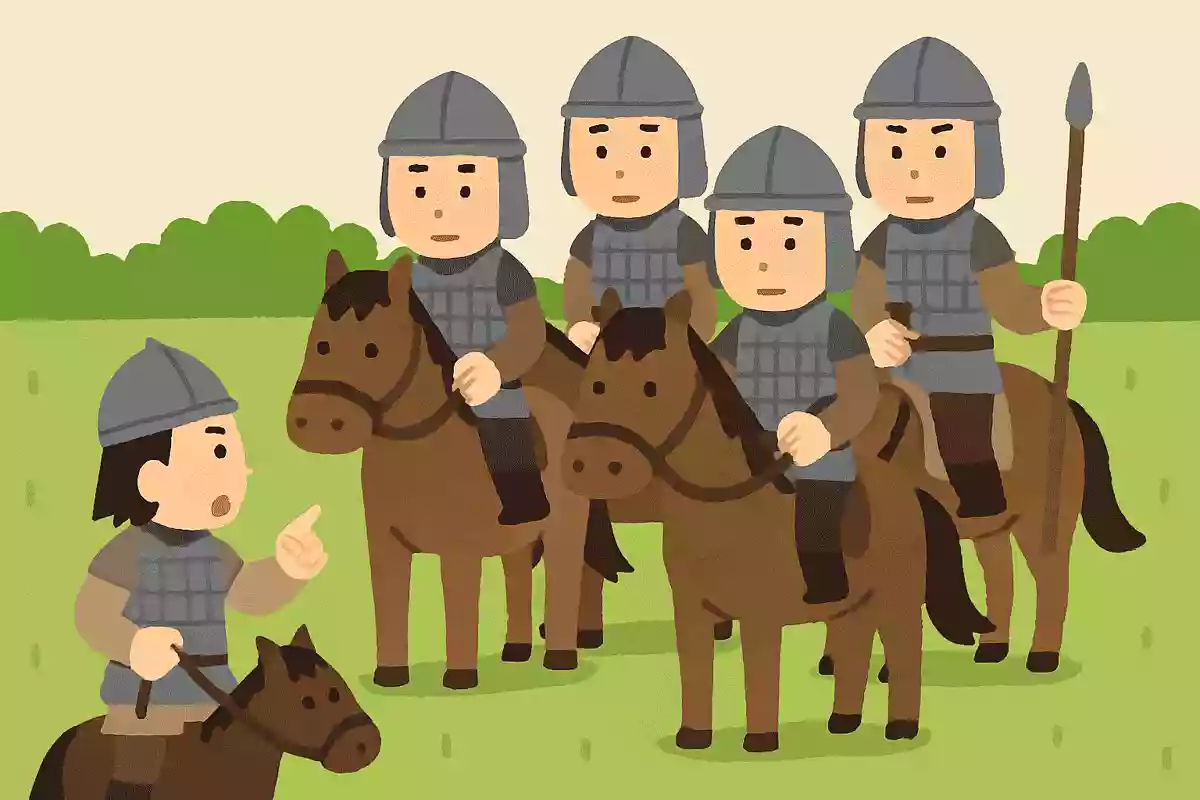
If you’re unsure which mounted team to attack during a match, aim for one that’s shorter than yours.
This strategy is based on the premise of cavalry battles that attacking from above gives you an advantage.
Targeting a smaller team lets you strike from above, increasing your chances of grabbing their headband or hat.
It might sound a bit underhanded, but sometimes you have to get gritty to win!
Does not work on its own
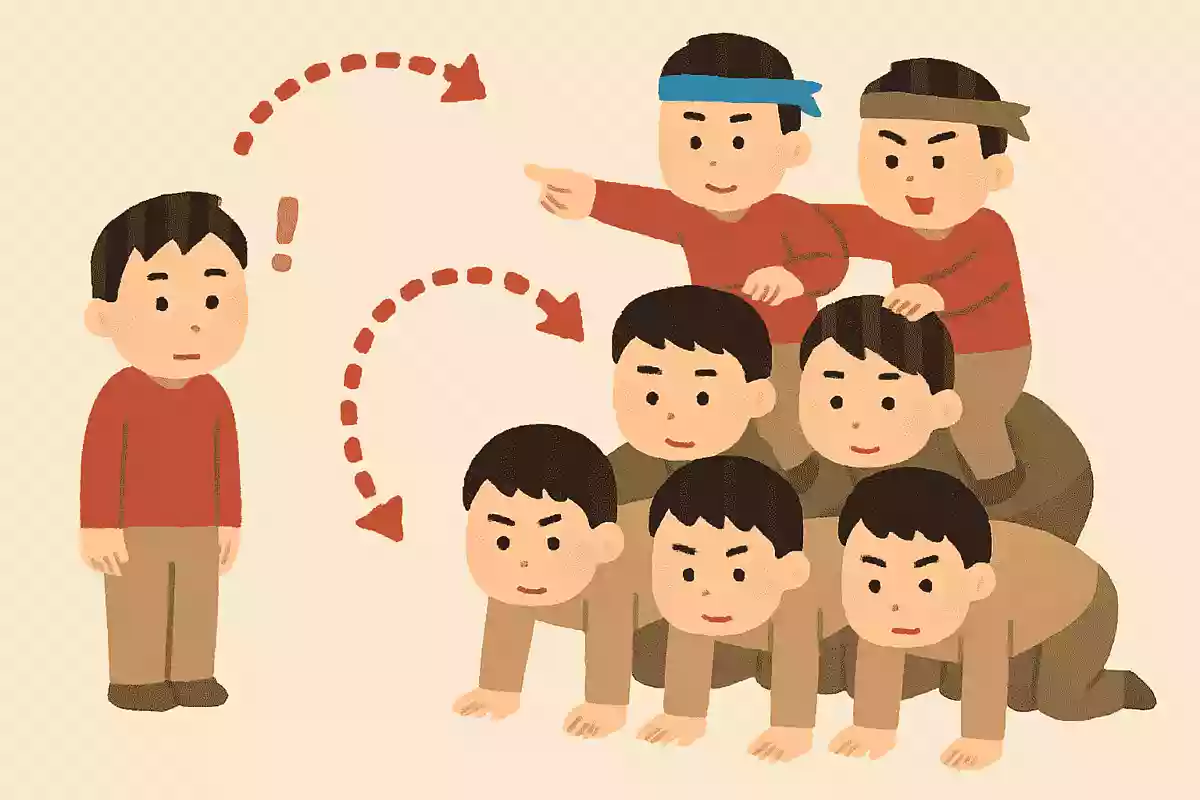
From here, I’ll introduce the playstyle tips you should keep in mind to avoid losing.
First, it’s important not to act alone.
If you’ve already mastered the basics of attacking, you may know this, but a lone cavalry unit is easy to target—such as getting pincered—and is much more likely to be defeated.
Therefore, it’s best to avoid spreading out and advance the match by coordinating closely with your fellow cavalry.
Don’t confront them head-on.
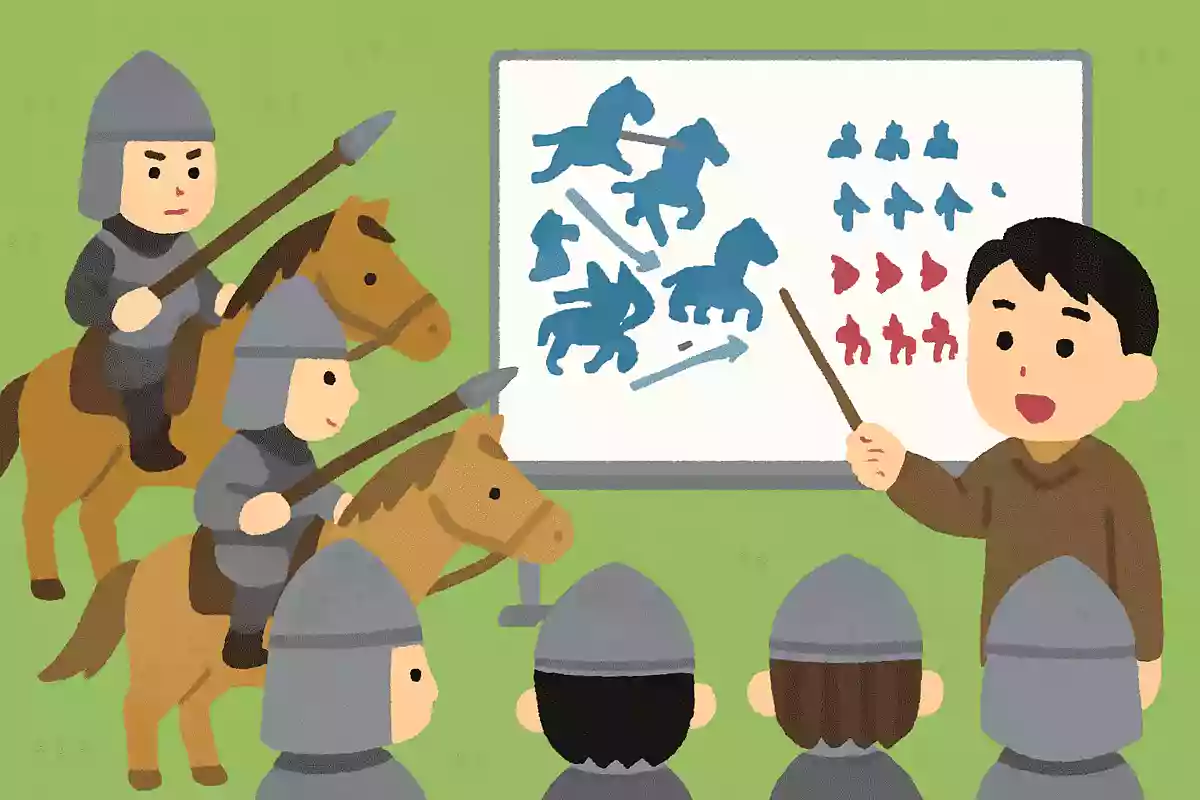
While there are exceptions in one-on-one matches, in team battles it’s generally safer to avoid head-on collisions with the opponent’s mounted players.
As mentioned in the initial strategy of pinching the opponent with two riders, the key in team play is to coordinate with your teammates to attack together.
If you’re on a taller mount initiating the attack, approach from the opponent’s side or rear whenever possible and aim for their headband or hat!
Don’t leave an opening behind you.

In a cavalry battle, attention tends to be focused forward, and since members other than the rider can’t look behind, it’s fair to say the horse’s weak point is its rear.
Therefore, no matter how heated the match gets, the rider should also keep an eye on the back and avoid creating openings.
If you notice an opposing mount approaching from behind, immediately call out to your team to change direction and avoid being attacked straight from the rear; this is recommended.
Tips for one-on-one duels (1–10)

After sharing tips for team battles, I’ll move on to strategies for one-on-one rules.
The tips I’m about to introduce are also effective when a duel situation arises during a team match, so players who compete in team battles should definitely use them as a reference.