

How to win at kibasen (mounted cavalry battles). A thorough guide to team assignments, horse formation, and tactics.


Kibasen, one of the classic events at school sports days, is a competition where three people form a human “horse” as the base and one rider mounts on top to battle.
You win by either snatching the headband or cap worn by the opposing rider, or by knocking the opposing rider off their horse.
It’s one of the most heated events at a sports day.
In this article, we’ll thoroughly introduce tips for kibasen, where the determination of “I absolutely don’t want to lose!!” clashes head-on.
We’ll explain in detail everything from staffing and how to form the horse, to tactics during matches and even training methods.
If you’re a competitor who’s set on winning at kibasen no matter what, be sure to use this as a reference!
- Songs that hype up Sports Day and Athletic Festivals: Japanese Music / J-Pop Artist Rankings [2026]
- [Blazing] Carefully selected tracks perfect as BGM for cavalry battles at sports festivals!
- Sports Day/Athletics Festival: Crowd-Pleasing Cheer Battle Ideas and Performances
- Get Fired Up! A Collection of Anime Songs to Hype Up Your Sports Day and Athletic Festival
- [Teens] Popular Songs Ranking by Generation [2026]
- [From Classics to Hidden Favorites] A Compilation of Main Track Entrance Themes [2026]
- Effects and Uses of “Bamiri” on the Dance Stage
- Top Songs to Hype Up Sports Day and Athletic Festivals [2026]
- [Eisa] A roundup of classic and popular songs—perfect for sports day!
- [Popular] A Collection of Japanese Songs Related to Horse Racing [Music]
- [Sports Day Cheer Songs] A roundup of classic cheer anthems and recommended parody-song picks [2026]
- [Sports Day] A roundup of popular Japanese songs perfect for mass performances [Athletic Festival]
- [Sports Day] Get Fired Up! Cool Phrases Recommended for Cheer Squads
Tips for one-on-one duels (1–10)
Attack mainly with cavalry
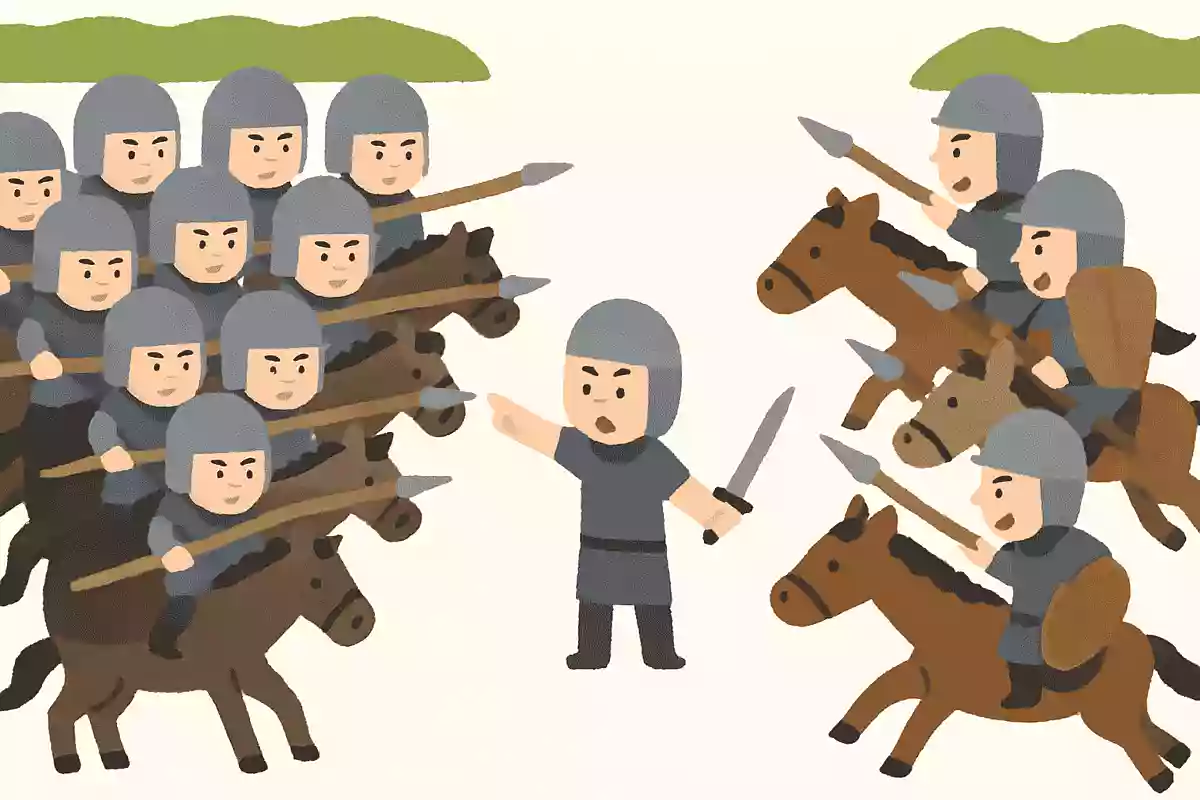
In a one-on-one match, the basic tactic is to charge straight at the opponent’s horse formation.
What’s crucial then is that your “horse” takes the initiative on offense.
In other words, have the horse formations push against each other and aim to throw the opponent’s horse off balance.
If you can upset the opponent horse’s balance, the rider will have to lower their head to regain stability—that’s your chance! Don’t miss that moment—snatch their headband or cap right away! If you’re using this strategy under one-on-one rules, it’s ideal to choose horse members who are stronger and more stable.
Lift the jockey
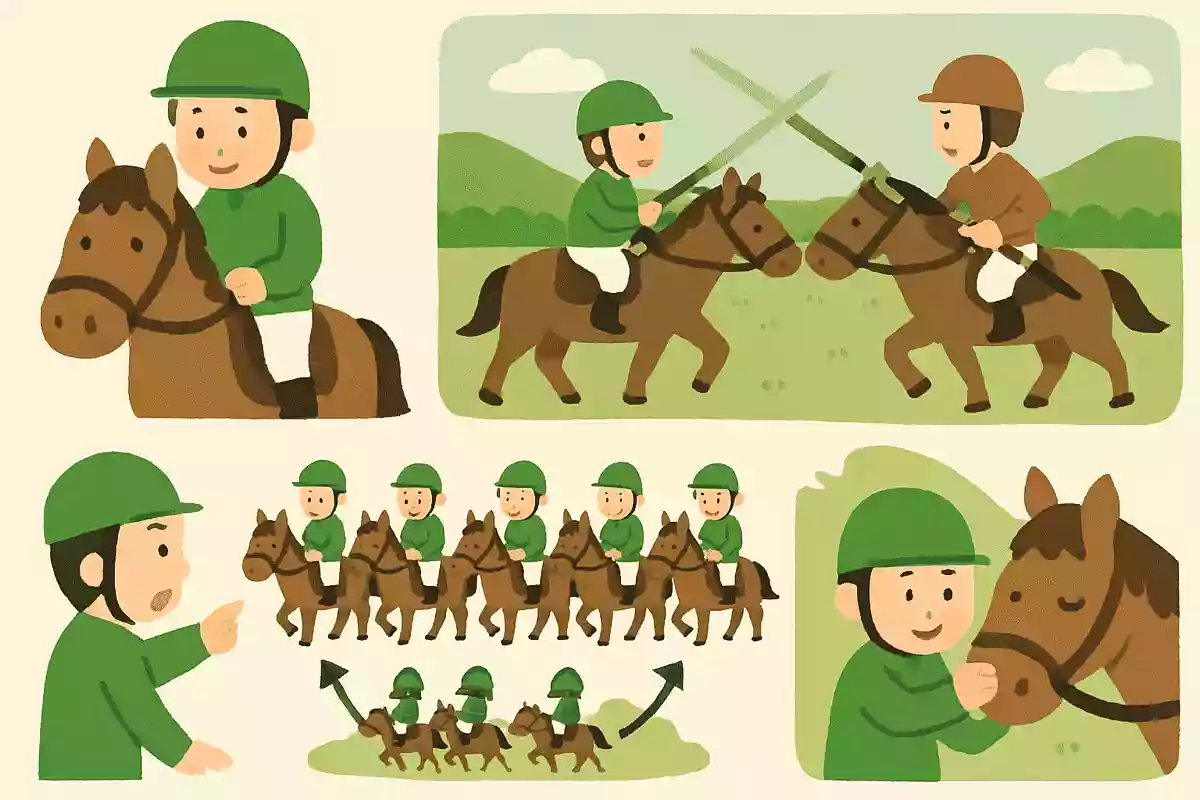
In a one-on-one duel, one key to gaining even a slight advantage is having the base lift the rider to increase their height.
As we’ve mentioned several times in this article—along with tips on how to position the base members and how to maneuver in team battles—attacking from above gives you the upper hand in a cavalry battle.
So when the moment calls for it, muster your strength and hoist the rider up.
Dodge the attack and counterattack
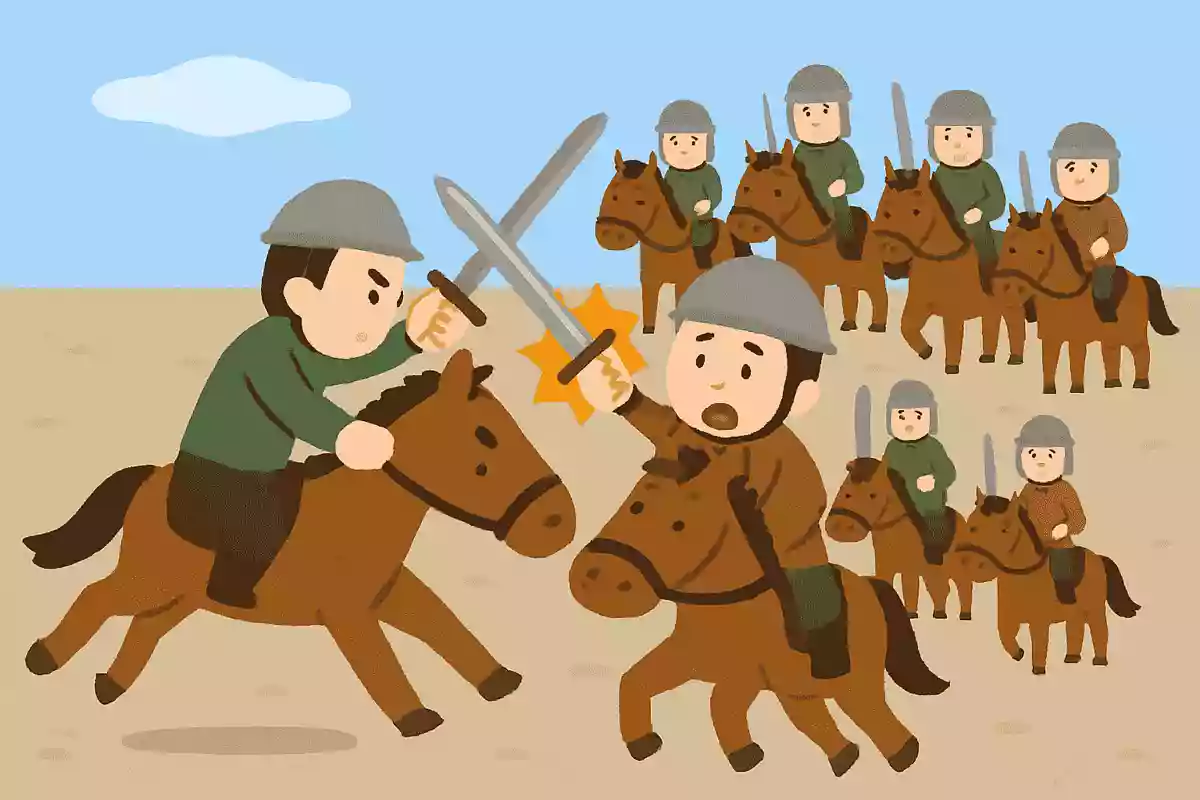
The last tip for dueling tactics is a bit technical.
In a one-on-one match, you can expect a close-quarters scuffle, and the outcome will often be decided when one rider has their headband or cap taken.
In such situations, calmly reading the opponent’s attack and delivering a counterattack is extremely effective.
However, because it’s so effective, it’s also difficult to execute, so you’ll need to practice thoroughly and develop a solid sense for timing and decision-making.
Practice Methods (1–10)
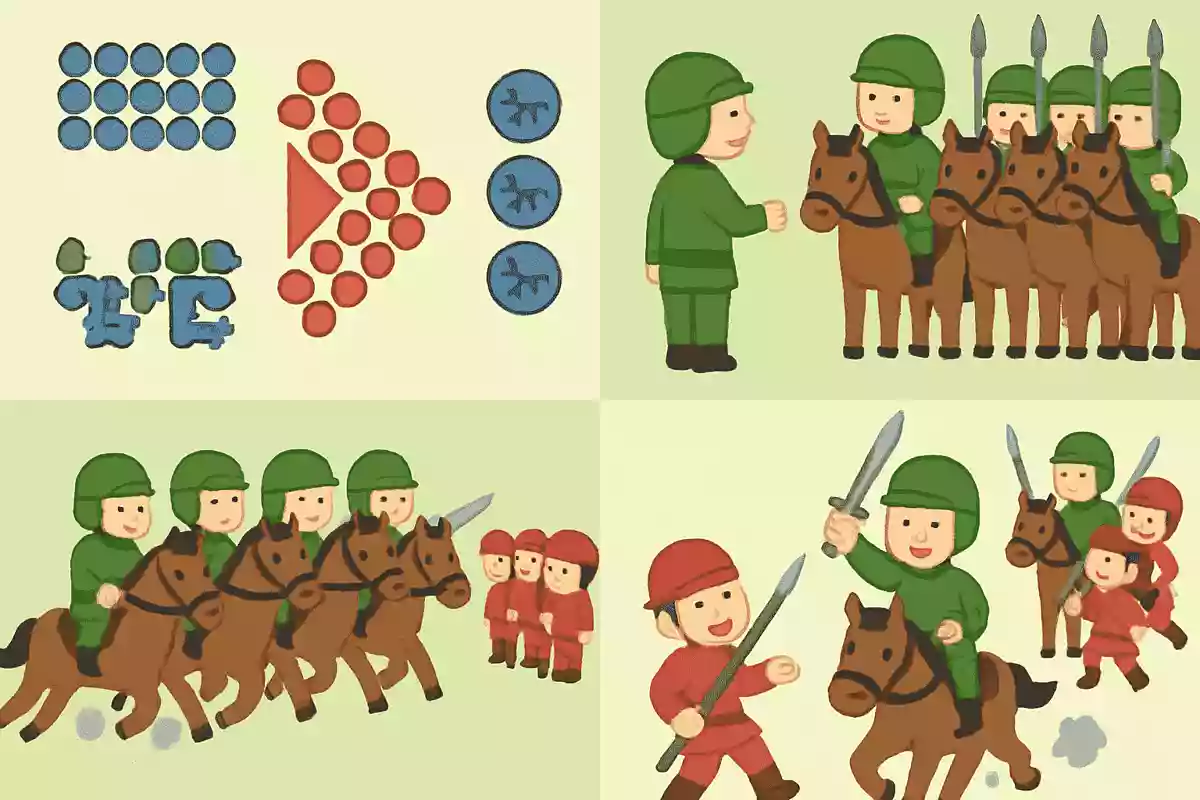
Up to this point, we’ve covered in detail how to form the cavalry, how to assign roles, and tips for maneuvering during matches.
To wrap up, I’d like to introduce some practice methods for cavalry battles.
No matter how well you understand match strategy, you won’t gain an advantage if you can’t move the way you intend.
Incorporate the drills introduced below and make sure you’re well prepared by the time the sports day arrives!
Posture maintenance practice
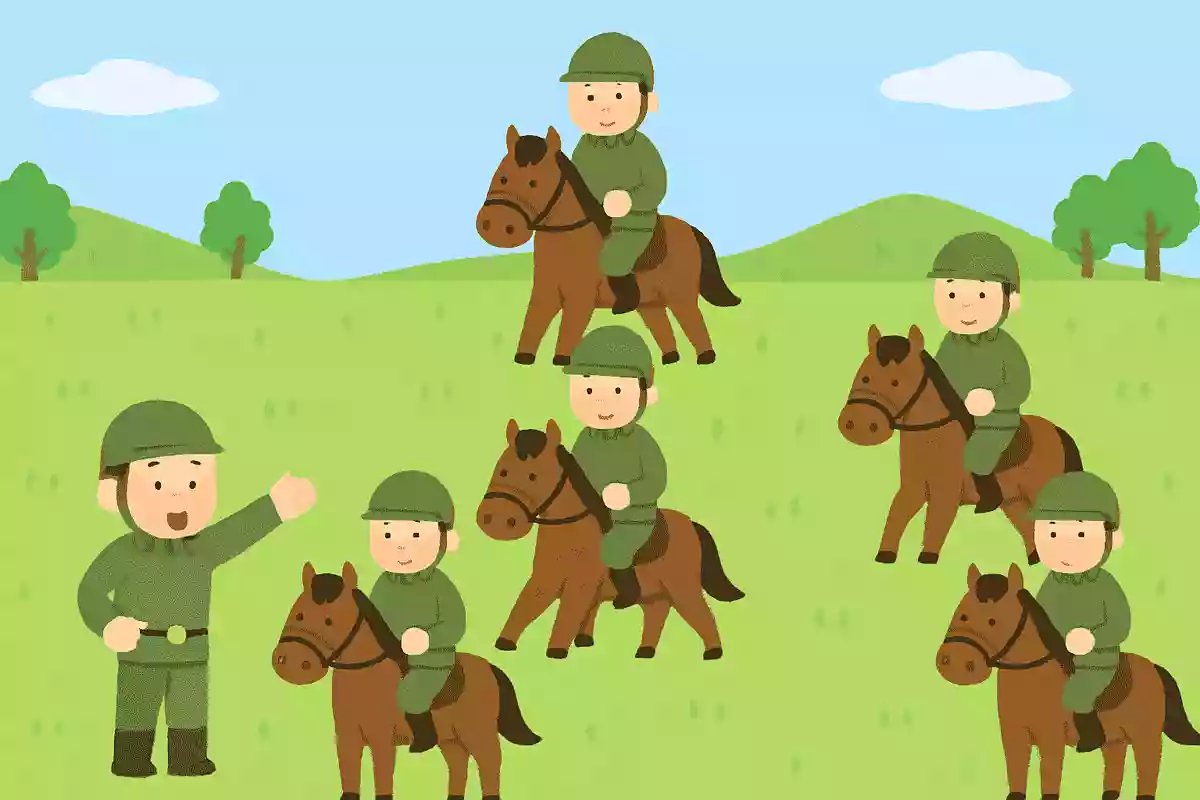
The first basic practice is getting used to the human pyramid.
While running and changing direction in the mounted formation, practice maintaining a stable posture.
It’s important for members to coordinate closely with one another so you can move around without losing balance.
Practical training
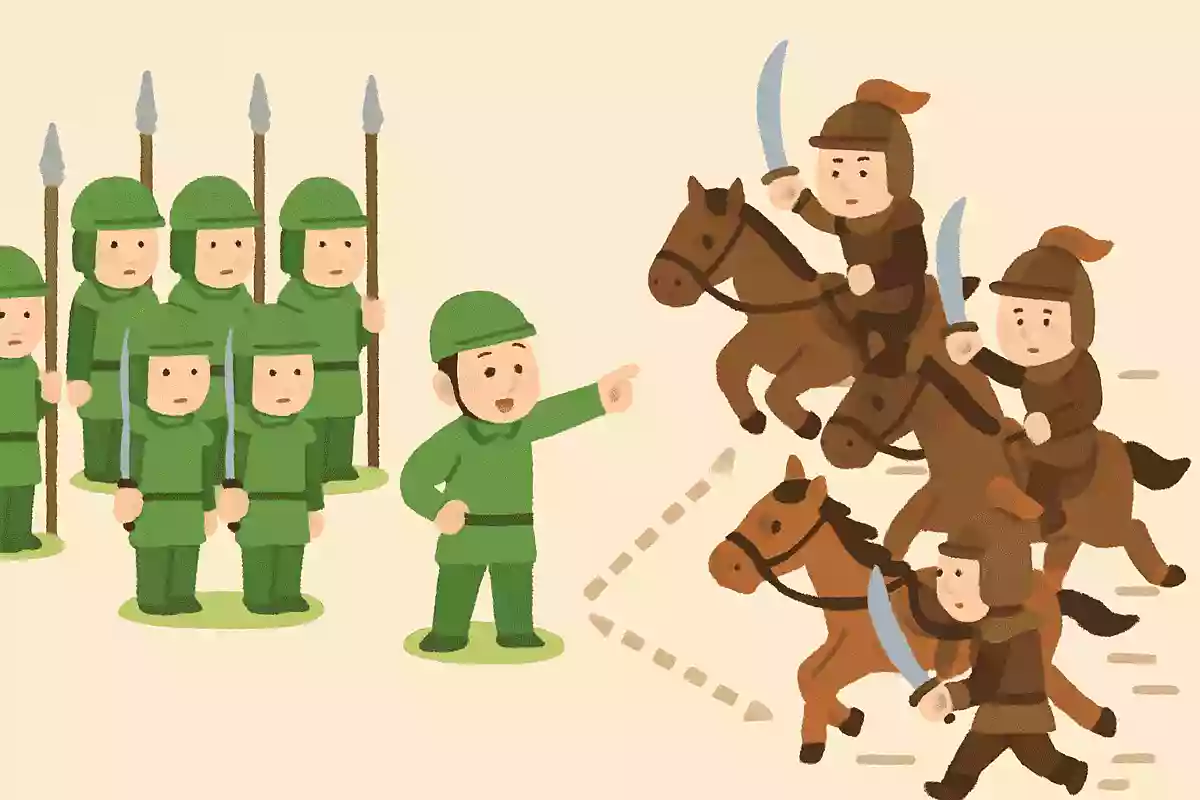
Once you can move confidently while locked in a cavalry formation, all that’s left is practical experience.
Split the team into two sides and have a scrimmage.
By practicing in a live-combat format, you should pick up how to evade attacks, when to counter, and the tactics of one-on-one duels.
The more live practice you do within the available time, the better your sense for winning will become.
In conclusion
From how to assemble a cavalry formation and tips on personnel placement to strategies for in-match maneuvering, we’ve compiled all the key points for winning at the horseback battle game. We’ve organized the tips by section so athletes preparing to take on the event can refer back to what they need, when they need it. We hope this article helps your team shine in the cavalry battle at your sports day and that it becomes a wonderful memory for you.