

[For Kids] Trivia & Fun Facts Quiz About June

June marks the start of the rainy season, when it rains a lot and it becomes harder to go play outside.
For those looking for activities that can brighten a gloomy mood, this article offers quizzes with trivia and fun facts about June!
These quizzes are for children, so please make use of them during playtime at daycare or kindergarten, or for spending time at home.
Even children who don’t have a great impression of June might, through these quizzes, start to think, “So that’s what June is like,” and enjoy taking an interest—if even just a little, we’ll be happy.
- Trivia & fun facts about June
- [Easy] Quizzes That Elementary School Students Can Solve! A Collection to Nurture Wisdom
- [For Kids] November Trivia Quiz & Fun Facts: Let’s Learn While Having Fun!
- Rainy season trivia roundup: fun facts you'll want to share with someone
- Indoor games and recreational activities recommended for June
- Learn to Love the Rain! Fun Facts & Trivia Quiz about the Rainy Season for Kids
- [For Elementary School Students] Trivia About April
- Trivia quiz with useful tips to know: fun facts that come in handy at school or at home [for kids]
- [For Kids] December Trivia Quiz & Fun Facts! Learn about seasonal events and traditions!
- [For Kids] Fun Summer Trivia Quiz & Facts
- [For Kids] Trivia Quiz & Fun Facts About Rain
- Will you like May even more once you know? Fun May trivia elementary schoolers should know
- Make your summer festival even more fun! Trivia quizzes and fun facts for kids
[For Kids] Trivia & Fun Facts Quiz About June (1–10)
Why is the character for “plum” (梅) used in the word for the rainy season (tsuyu)?
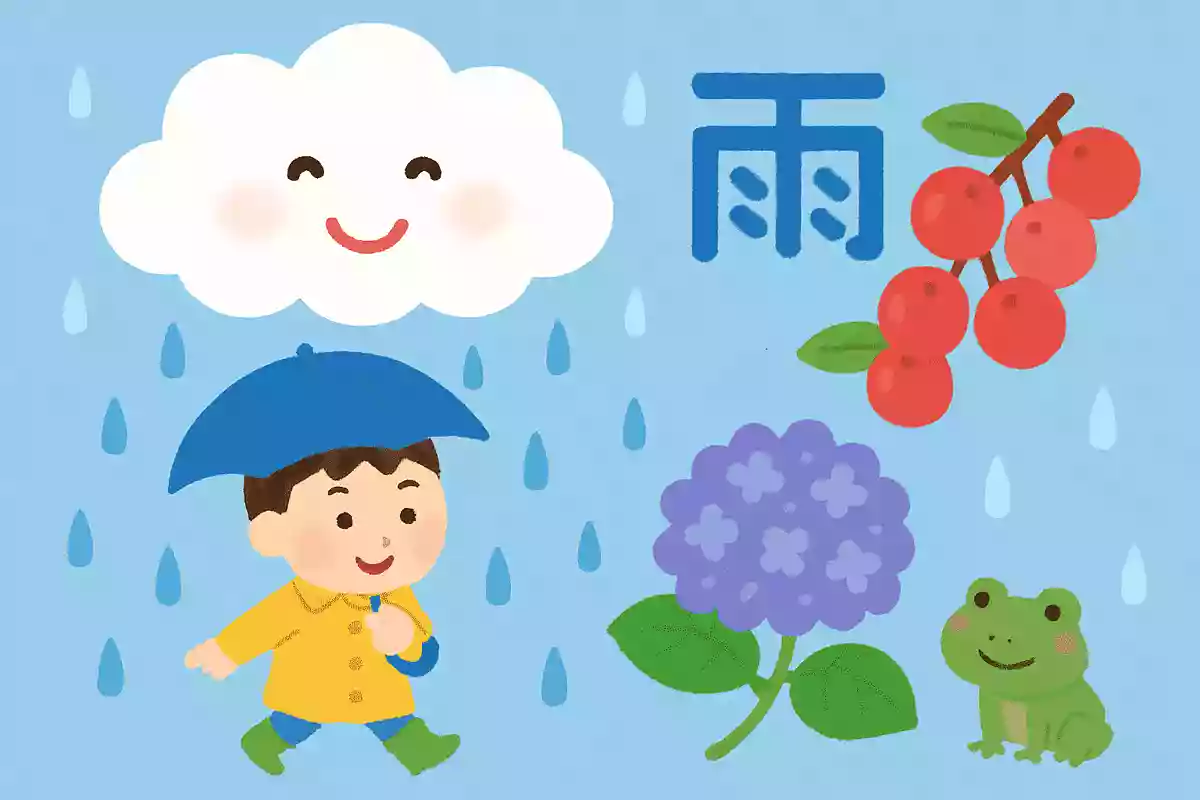
- Because it’s the season when the plum fruits ripen.
- Because raindrops resemble the shape of plum blossoms
- Because it’s the season when plum blossoms bloom.
See the answer
Because it’s the season when the plum fruits ripen.
The reason the character for “plum” (梅) is used in the word tsuyu (rainy season) is that this is the time when plums ripen. When the term was brought from China during the Heian period, it was pronounced baiu, but it came to be read tsuyu due to associations with the season of dew—when plants are covered with dew—and with expressions like tsubeiu, referring to crushed plum fruit.

What is the full moon seen in June called?

- Strawberry Moon
- Apple Moon
- Cherry Moon
See the answer
Strawberry Moon
The full moon seen in June is called the Strawberry Moon. It is said to be named by Native Americans to mark the strawberry harvest season. Many people know it for its cute-sounding name, and it is also popular as a moon that brings happiness.

Who is the model for the teru teru bozu?

- boy
- girl
- noble
See the answer
girl
The model for the teru teru bōzu is a girl from China. She is known as “Saoqing Niang,” a girl who stopped a long spell of rain, and in China there is a custom of hanging dolls of her. That custom was brought to Japan and evolved into the present form of the teru teru bōzu.
[For Kids] Trivia & Fun Facts Quiz About June (11–20)
What symbol is used to represent rain in weather forecasts overseas?
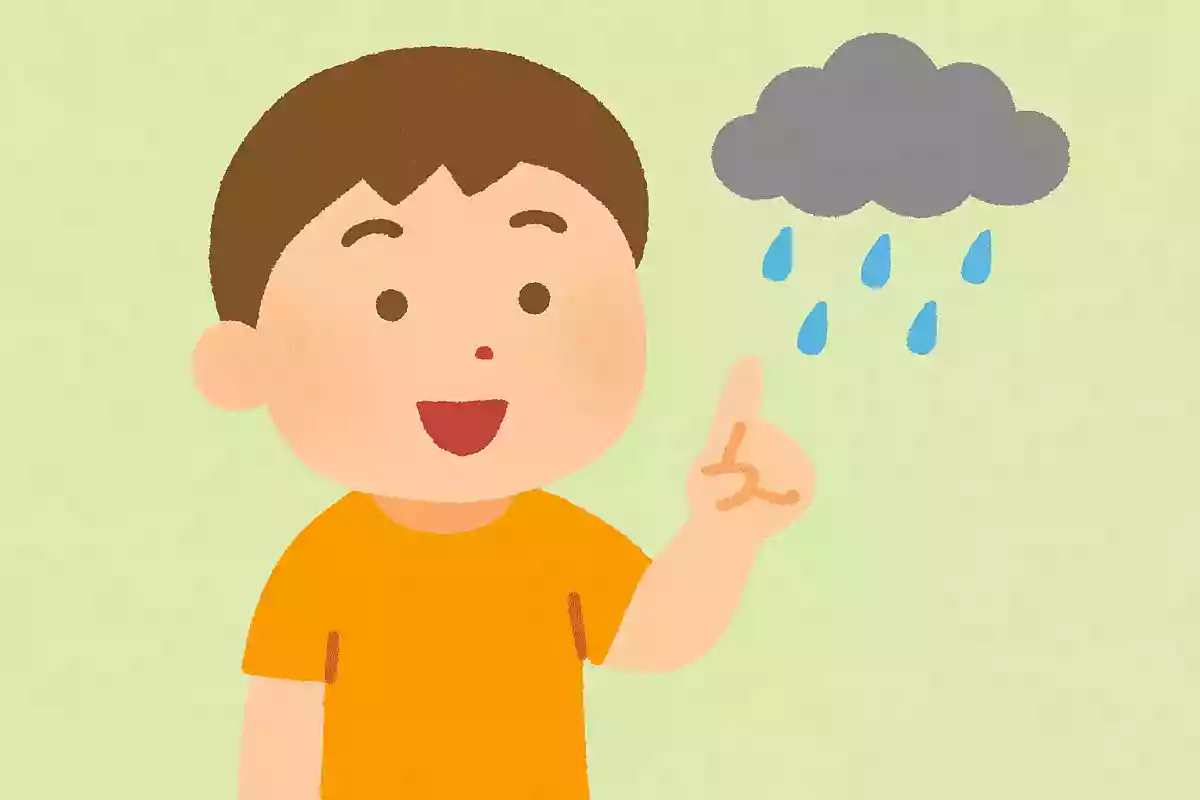
- rain cloud icon
- umbrella mark
- Raincoat mark
See the answer
rain cloud icon
In Japanese weather forecasts, an umbrella icon is used to indicate rain, whereas overseas forecasts generally use a rain cloud icon. This is said to be because opening an umbrella when it rains isn’t necessarily taken for granted in other countries. Incidentally, Korean weather forecasts use the umbrella icon just like Japan.
Which country’s language is the origin of the word “tsuyu” (the rainy season)?
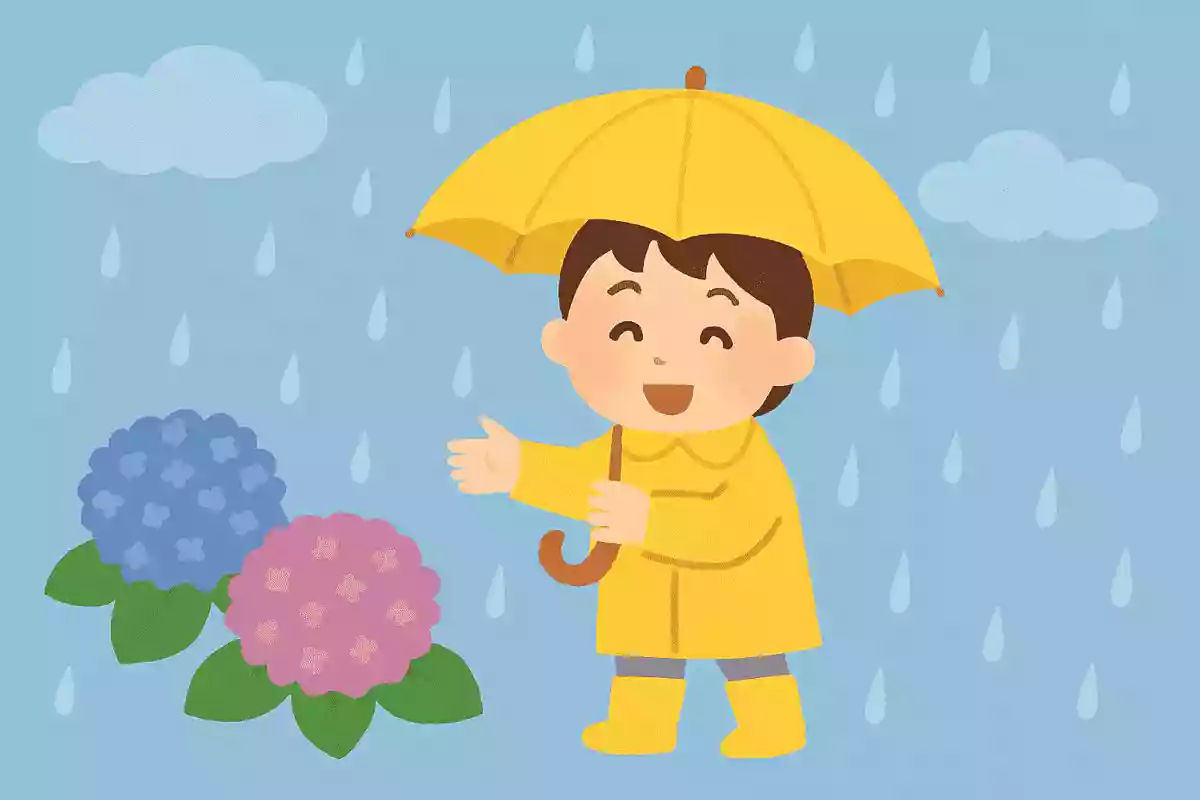
- Japan
- China
- South Korea
See the answer
China
“Tsuyu” (the rainy season) is a term that came from China. In China, it was named because the plums ripen during this period. It is also called “baiu,” written with the character for mold (黴), due to the tendency for mold to grow easily at this time, giving the alternate form 黴雨.
What is the birthstone for June?
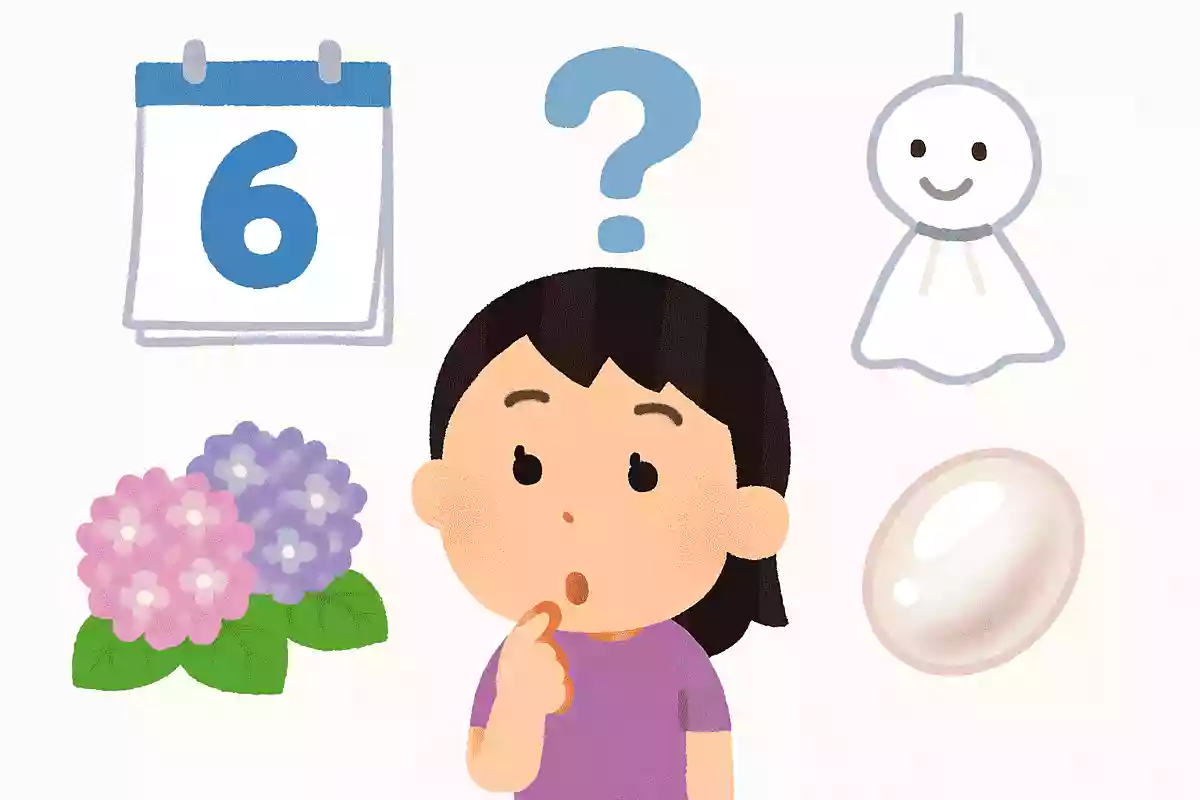
- coral
- jade
- pearl
See the answer
pearl
The birthstone for June is the pearl. Associated with health and longevity, it is cherished as a gemstone with a special meaning due to its mysterious luster and its unique origin of forming inside a shell. Beyond being June’s birthstone, pearls are often worn to mark life’s milestones and are loved by people of a wide range of ages.
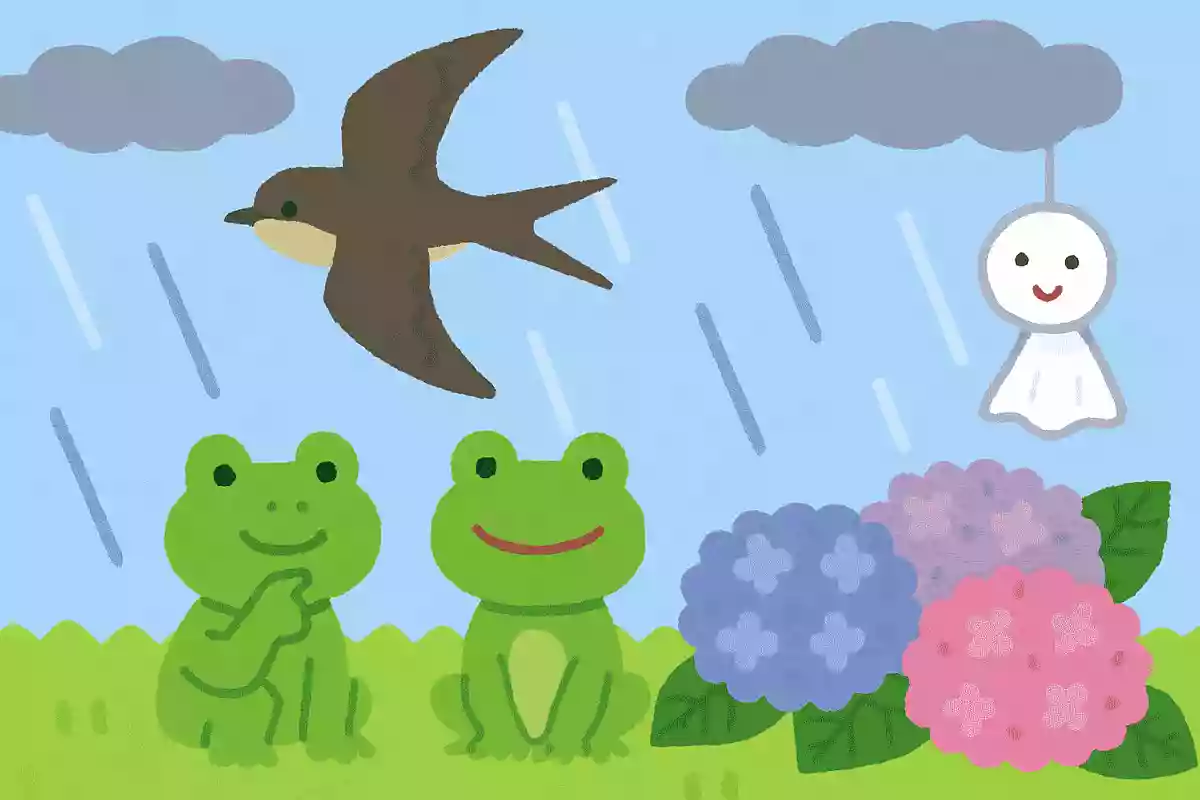
It’s said that when a certain animal flies low, it will rain—what animal is it?
- Bee
- crow
- swallow
See the answer
swallow
It’s said that when swallows fly low, it’s going to rain. Changes in air pressure and humidity before rain affect the height at which insects—the swallows’ food—fly, and swallows fly lower to catch them. This saying has been passed down from the wisdom of people in the past who observed animals and nature.