

Chopin’s masterpieces. Popular classical music.

Are you looking for famous piano pieces and beautiful melodies?
Here are some masterpieces and recommended works by Frédéric Chopin, a pianist and composer who represents the early Romantic era in Poland.
Chopin composed as many as 21 nocturnes, and he also left a wealth of piano works in many other styles—such as mazurkas, waltzes, and polonaises—which is why he is known as the Poet of the Piano.
Let yourself be captivated for a while by the beautiful melodies woven by Chopin.
- [Masterpiece Classics] A special showcase of gem-like masterpieces so beautiful they’ll move you to tears
- Classical piano masterpieces: legendary performances from around the world you should hear at least once
- Rachmaninoff’s masterpieces. Recommended pieces by Rachmaninoff.
- [Tchaikovsky] Pick up famous and representative pieces!
- Frederic Chopin Popular Songs Ranking [2026]
- François Couperin Popular Songs Ranking [2026]
- [Advanced] A Comprehensive Introduction to the Difficult Piano Pieces of Chopin, the Poet of the Piano!
- Pick up Beethoven’s famous and representative works!
- Popular classical piano pieces. A collection of masterful performances by Japanese pianists.
- Timelessly beautiful classical masterpieces. Recommended classical music.
- Classical masterpieces. Recommended classical music.
- Cool classical masterpieces. Recommended classical music.
- Elgar’s masterpiece. Popular classical music.
Chopin’s masterpieces. Popular classical music (51–60)
Variations in A major, “Reminiscences of Paganini”Frederic Chopin

Frédéric Chopin, the genius composer born in Poland.
The piano piece he composed in 1829 is an homage to Paganini.
While it is a technically brilliant and dazzling set of variations, it also conveys Chopin’s characteristic delicacy.
Using a famous theme by Paganini as its motif, Chopin magnificently reconstructs it with his own musical language.
Richly imbued with Romantic traits, its emotionally expressive character is deeply appealing.
It is recommended not only for piano enthusiasts but also for anyone interested in classical music.
As an entry point into Chopin’s world, why not give it a listen at least once?
NocturneFrederic Chopin
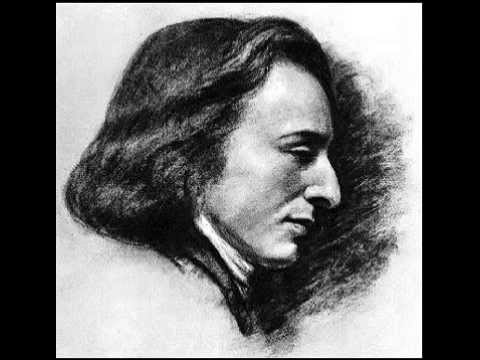
A collection of 21 solo piano pieces left by Frédéric Chopin, a composer emblematic of the Romantic era.
No.
2 and the posthumous No.
20 are especially famous.
Born in 1810, Chopin showed musical talent from childhood, composing his first piece at the age of just seven.
Written from his twenties through his final years, this work can be regarded as a masterpiece that reveals the depth of his artistry and the breadth of expression in piano music.
It beautifully captures the stillness of night and an introspective atmosphere, characterized by lyrical melodies, fresh harmonies, and a free spirit that resonates deeply with listeners.
It is a work well worth hearing on a quiet night.
springFrederic Chopin

Frédéric Chopin left behind many masterpieces, from pieces that torment pianists to works that soothe listeners.
Among Chopin’s many compositions, the one I especially recommend as a perfect fit for spring is this piece, “Spring.” Though set in G minor and tinged with a somewhat melancholy tone, it beautifully captures the delicacy of the season.
In Japan in particular, where spring and autumn are short, this melody may resonate even more deeply.
The sky is overcast from morning, and a light rain begins to fall—this is the perfect piece for that kind of springtime scene.

Nocturne No. 1Frederic Chopin

“Nocturne” is called “yasoukyoku” (night piece) in Japanese.
Chopin’s nocturnes are said to be strongly influenced by the Irish composer John Field.
They often use a technique in which the right hand sings a sweet, sentimental melody over a stereotypical left-hand accompaniment.
It is as if the endlessly flowing, luscious melodies are written down just as they pour forth, making these works the ones that best reflect the side of Chopin known as the “poet of the piano.” With their dimly lit mood and exquisitely romantic, beautiful melodies, they are very accessible and approachable pieces.

Chopin’s masterpieces. Popular classical music (61–70)
Waltz No. 6 in D-flat major, Op. 64 No. 1Frederic Chopin

Also known in English as the Minute Waltz, this piece, Waltz No.
6 in D-flat major, Op.
64, No.
1, is famous in Japan as the “Little Dog Waltz.” It is a masterpiece that depicts on the piano a scene of his lover’s small dog playfully chasing its own tail.
Waltz of the PuppiesFrederic Chopin
A light piece often played as an encore.
It’s very charming, with a mood like a puppy scampering around in circles.
It’s also performed at children’s recitals, but the level is fairly high, so it requires solid practice.
Fantasy PolonaiseFrederic Chopin

Nobuyuki Tsujii’s Fantaisie-Polonaise.
Among the many polonaise works, it boasts one of the highest levels of difficulty, yet its beauty and artistic merit have long been highly acclaimed.
It’s a bit on the longer side, but it’s a piece so captivating that you can’t help but listen intently.