

[Ghibli] Timeless Ghibli Classics in Classical Arrangements: The charm of Ghibli music performed with live instruments

Classical music and Ghibli.
At first glance, this combination may seem worlds apart, yet it’s quietly sparking a boom among music fans.
Ghibli’s beloved melodies, performed on classical instruments like the piano and violin, bring us new allure and profound emotion.
While preserving the warmth and tenderness of the originals, the grandeur and delicacy unique to classical music are added, creating a fresh experience that feels like listening to an entirely different story.
Experience for yourself how those famous tunes you know so well are reborn through classical arrangements.
- [Ghibli’s Famous Songs Medley] The soothing world of Studio Ghibli that resonates with the heart
- [Masterpiece Classics] A special showcase of gem-like masterpieces so beautiful they’ll move you to tears
- [Ghibli] Popular BGM. Enjoy the world of Ghibli through music!
- Songs of Studio Ghibli: List of Theme Songs, Insert Songs, and BGM from Ghibli Music
- [Christmas] Classical music to listen to at Christmas: recommended sacred Christmas songs
- [Violin] A curated selection of beloved classic masterpieces and popular pieces that continue to be cherished across eras
- [Orchestra] Introducing famous and popular pieces
- [For Piano Recitals] Simple yet Cool Classical Pieces
- Cool classical masterpieces. Recommended classical music.
- Debussy’s masterpiece. Popular classical music.
- Disney classics to enjoy in a classical arrangement: recommended popular songs
- [For Beginners] Recommended Ghibli Masterpieces You’ll Want to Play on the Piano
- Immersive Ghibli Classics! Recommended BGM for Work and Study
[Ghibli] Classic arrangements of beloved Ghibli songs. The charm of Ghibli music performed with live instruments (1–10)
Anna (Piano Arrangement)Muramatsu Takatsugu
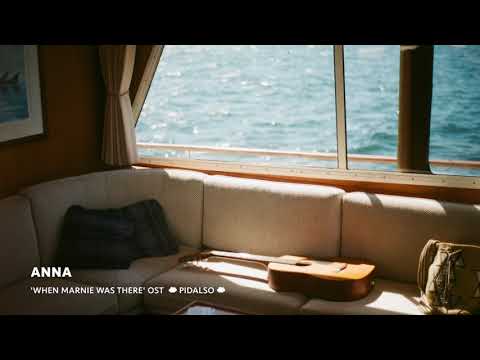
Hiromasa Yonebayashi of Studio Ghibli adapted Joan G.
Robinson’s children’s novel “When Marnie Was There” into an animated film, and the piece “Anna” that plays in the movie also has a piano version.
It is memorably performed by an orchestra in scenes such as when Anna and Setsu are preparing lunch and when Marnie and Anna say their goodbyes, but as a piano solo it feels delicate and heartrending, conveying Anna’s emotions beautifully.
The sheet music has been published as well, so if you play piano, it might be nice to try performing it while recalling the film’s scenes.

My Neighbors the Yamadas Theme – Orchestral VersionYano Akiko

“The Theme of My Neighbors the Yamadas” has been transformed into a grand orchestral performance through wonderful orchestration.
The original song, “I Won’t Be Alone Anymore,” was written, composed, and sung by Akiko Yano, depicting everyday warmth with a pop sound.
In the orchestral version, the refreshing feel remains intact while the texture of live performance comes through directly.
A trumpet solo and mellow strings join as backing, highlighting the strengths of the orchestra.
The live-performance version of “I Won’t Be Alone Anymore” is great too! The performance is by the Czech Philharmonic Orchestra and is included on the album “Czech Phil Plays Studio Ghibli Symphonic Collection.”
Path of the WindHisaishi Joe
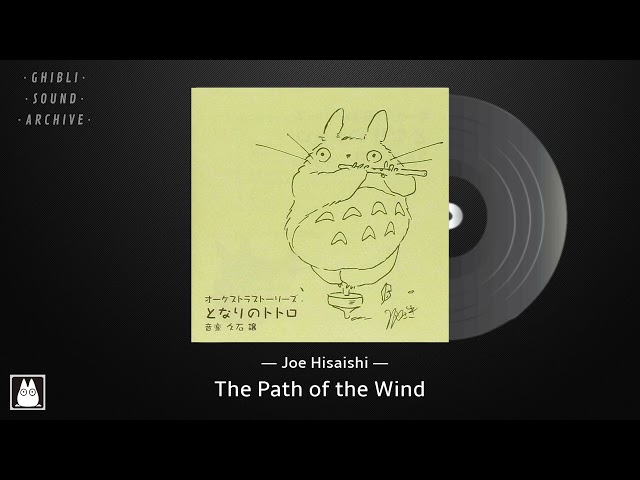
The indispensable classic “The Path of the Wind” from Studio Ghibli’s beloved masterpiece My Neighbor Totoro is presented here in an orchestral performance.
This piece is included in “Orchestra Stories: My Neighbor Totoro,” in which composer Joe Hisaishi restructured music from My Neighbor Totoro so it can be enjoyed with narration.
In the original, Hisaishi—then influenced by minimalism—used an electronic sound, but this version becomes a grand orchestral work that brings out the beauty of acoustic instruments.
The sheet music is also available, so students and members of community orchestras who want to enjoy ensemble playing on real instruments might consider giving it a try.
After the introduction, the violin solo is superb, vividly conjuring up images of Japan’s pastoral landscapes.
[Ghibli] Classic arrangements of Ghibli masterpieces. The allure of Ghibli music performed with live instruments (11–20)
againHisaishi Joe

An iconic scene from the film Spirited Away is being performed by a full classical orchestra.
The piece was titled “Chihiro’s Waltz” on the image album, and in the latter half of the film it plays during the unforgettable moment when Haku regains his name and he and Chihiro fall from the sky hand in hand.
Hearing it performed by a live orchestra will surely bring back memories of the movie and move many listeners to tears.
It’s one of those Ghibli masterpieces you should hear at a concert at least once.
A Town with an Ocean ViewHisaishi Joe

The famous Kiki’s Delivery Service piece “A Town with an Ocean View” is being performed by a full-fledged overseas classical orchestra.
This piece is used in the film’s opening when Kiki takes off from the train, expressing her excitement as she heads to a new town, as well as the breath and everyday life of the townspeople.
Though Studio Ghibli is a Japanese studio, it’s said that the town of Koriko was inspired by Stockholm in Sweden and Visby on the island of Gotland, so having a European orchestra perform it gives the music an even greater sense of realism.
Dragon BoyHisaishi Joe

From Studio Ghibli’s hugely famous film Spirited Away, this is “The Dragon Boy.” The “dragon” refers to Haku, and the piece is used in the scene where Haku and Chihiro meet and then depart from the bathhouse.
In the film, the New Japan Philharmonic Orchestra performs it: a mystical tone born from layered harp and piano leads into flowing horn lines, while the woodwinds stack in perfect fourths to evoke a traditional Japanese atmosphere.
This performance is a longer version than the one in the film, making “The Dragon Boy” even more powerful.
CatbusHisaishi Joe

“Catbus” from Orchestra Stories: My Neighbor Totoro—a suite that reorganizes the beloved music of My Neighbor Totoro into an orchestral work with narration.
This piece selects seven numbers from the film’s score and is arranged by Joe Hisaishi himself as an orchestral work with narration that parents and children can enjoy together.
It opens with playful phrases in the cellos and double basses, and the horn-like dissonances in the woodwinds and brass make the Catbus’s entrance all the more striking.
It’s a cheerful piece that’s perfect as an encore for a pops orchestra, and hearing My Neighbor Totoro performed by a live orchestra is truly moving!