

[Ghibli] Timeless Ghibli Classics in Classical Arrangements: The charm of Ghibli music performed with live instruments

Classical music and Ghibli.
At first glance, this combination may seem worlds apart, yet it’s quietly sparking a boom among music fans.
Ghibli’s beloved melodies, performed on classical instruments like the piano and violin, bring us new allure and profound emotion.
While preserving the warmth and tenderness of the originals, the grandeur and delicacy unique to classical music are added, creating a fresh experience that feels like listening to an entirely different story.
Experience for yourself how those famous tunes you know so well are reborn through classical arrangements.
- [Ghibli’s Famous Songs Medley] The soothing world of Studio Ghibli that resonates with the heart
- [Masterpiece Classics] A special showcase of gem-like masterpieces so beautiful they’ll move you to tears
- [Ghibli] Popular BGM. Enjoy the world of Ghibli through music!
- Songs of Studio Ghibli: List of Theme Songs, Insert Songs, and BGM from Ghibli Music
- [Christmas] Classical music to listen to at Christmas: recommended sacred Christmas songs
- [Violin] A curated selection of beloved classic masterpieces and popular pieces that continue to be cherished across eras
- [Orchestra] Introducing famous and popular pieces
- [For Piano Recitals] Simple yet Cool Classical Pieces
- Cool classical masterpieces. Recommended classical music.
- Debussy’s masterpiece. Popular classical music.
- Disney classics to enjoy in a classical arrangement: recommended popular songs
- [For Beginners] Recommended Ghibli Masterpieces You’ll Want to Play on the Piano
- Immersive Ghibli Classics! Recommended BGM for Work and Study
[Ghibli] Timeless Ghibli Classics in Classical Arrangements: The Allure of Ghibli Music Performed on Live Instruments (31–40)
Arrietty`s SongSimon Caby

From The Secret World of Arrietty.
Cécile Corbel is a French singer-songwriter and harpist—an artist who sings while playing the harp.
She also wrote the lyrics and composed the music for this piece.
She became responsible for the film’s theme song after she sent Studio Ghibli a letter saying she had long been a big fan of Ghibli films and that her music was influenced by them, along with a CD of her work.
She also handled the score for the film, and the sound of the Celtic harp creates a fantastical atmosphere.
Because she sings in Japanese, her pronunciation sometimes sounds indistinct; paradoxically, that enhances the otherworldly feel and results in a song unlike any before.
Cécile’s clear, pure vocals and the slightly wistful melody fit the film beautifully.
NAUSICAA REQUIEM Nausicaä RequiemHisaishi Joe
The memorable “Nausicaä Requiem” that plays in the film is performed here in a healing piano arrangement.
As a healing piano piece, it works well as background music for working or studying, yet the arrangement is highly classical and really lets the piano solo shine.
In the original, you hear a child’s voice singing “Ran, ran rara ran ran ran…,” and the singer is the composer Joe Hisaishi’s daughter, Mai, who was four years old at the time.
Heard on piano, it almost sounds like a Baroque-era dance.
Symphonic Poem“NAUSICAÄ”Hisaishi Joe

Ghibli music usually gives a heartwarming impression, but this Nausicaä piece feels completely different no matter how many times I listen to it.
Even so, it’s filled with gentleness and poignancy, and it moves me to tears.
The piano delivers an incredibly beautiful melody.
THE WIND RISES The Wind Rises From the film “The Wind Rises”Hisaishi Joe

This one also has a nostalgic feel that brings to mind scenes from a movie.
It’s sweet and bittersweet, and I find myself wanting to listen to it over and over.
With the imagery from the film in mind, every time I hear the music I can’t help but think of it, and the tears naturally start to flow.
I want to listen to it again.
“Nausicaä of the Valley of the Wind” – Highlights –Hisaishi Joe
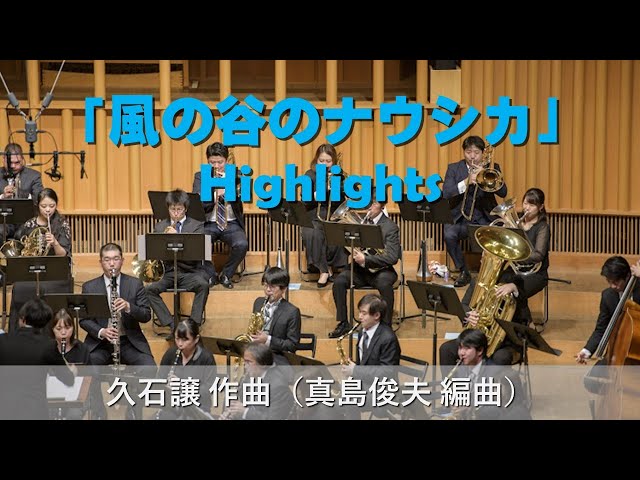
There may be no piece more perfectly suited for orchestral performance than Nausicaä.
It’s great that we can enjoy so many different versions.
This one is a well-rounded piece of music that feels reassuring to listen to.
It has a lovely melody.
[Ghibli] Classic arrangements of beloved Ghibli tunes. The charm of Ghibli music performed on live instruments (41–50)
Always With MeHisaishi Joe

From Spirited Away.
The original song is by Yumi Kimura.
Wakako Kaku, who also wrote the lyrics for this piece, is active as a lyricist, poet, and singer-songwriter, and has provided lyrics for a variety of artists including SMAP and Rimi Natsukawa.
This song won honors such as the Gold Prize at the 43rd Japan Record Awards.
She also wrote the lyrics for “Mother Sea,” a song from the Studio Ghibli film Ponyo.
Known by many alongside the film, it’s a piece whose lyrics evoke death yet, with a somehow calming melody, resonates deeply in the heart.
Name of LifeHisaishi Joe
“Name of Life” from the film Spirited Away is performed here as a poignant, ephemeral healing piano piece.
In the film it’s known as “One Summer’s Day,” but on the Image Album, Yumi Kimura—famous for “Always With Me”—sings lyrics she wrote to Joe Hisaishi’s melody.
Rendered with a gentle touch, this piece both evokes the scenes from the movie and becomes a healing music that seems to cleanse the listener’s heart.
The interlude arrangement is also wonderful, unfolding a musical drama on the piano that brings tears to your eyes.