

[Ghibli] Timeless Ghibli Classics in Classical Arrangements: The charm of Ghibli music performed with live instruments

Classical music and Ghibli.
At first glance, this combination may seem worlds apart, yet it’s quietly sparking a boom among music fans.
Ghibli’s beloved melodies, performed on classical instruments like the piano and violin, bring us new allure and profound emotion.
While preserving the warmth and tenderness of the originals, the grandeur and delicacy unique to classical music are added, creating a fresh experience that feels like listening to an entirely different story.
Experience for yourself how those famous tunes you know so well are reborn through classical arrangements.
- [Ghibli’s Famous Songs Medley] The soothing world of Studio Ghibli that resonates with the heart
- [Masterpiece Classics] A special showcase of gem-like masterpieces so beautiful they’ll move you to tears
- [Ghibli] Popular BGM. Enjoy the world of Ghibli through music!
- Songs of Studio Ghibli: List of Theme Songs, Insert Songs, and BGM from Ghibli Music
- [Christmas] Classical music to listen to at Christmas: recommended sacred Christmas songs
- [Violin] A curated selection of beloved classic masterpieces and popular pieces that continue to be cherished across eras
- [Orchestra] Introducing famous and popular pieces
- [For Piano Recitals] Simple yet Cool Classical Pieces
- Cool classical masterpieces. Recommended classical music.
- Debussy’s masterpiece. Popular classical music.
- Disney classics to enjoy in a classical arrangement: recommended popular songs
- [For Beginners] Recommended Ghibli Masterpieces You’ll Want to Play on the Piano
- Immersive Ghibli Classics! Recommended BGM for Work and Study
[Ghibli] Classic arrangements of Ghibli’s famous songs: the charm of Ghibli music performed with live instruments (21–30)
Love is a flower, and you are its seed.Amanda McBroom

From “Only Yesterday.” It is a single by Harumi Miyako released in 1991 and was used as the ending theme of the film.
The song is a Japanese cover of “The Rose,” the theme song of the 1979 film The Rose.
It has been covered by many artists both worldwide and in Japan, and its placement at the end of the movie creates a moving climax.
In addition, the coupling track “Suki ni Natta Hito” was also used in the film’s soundtrack.
“Always With Me” to “Reprise” from Spirited AwayHisaishi Joe
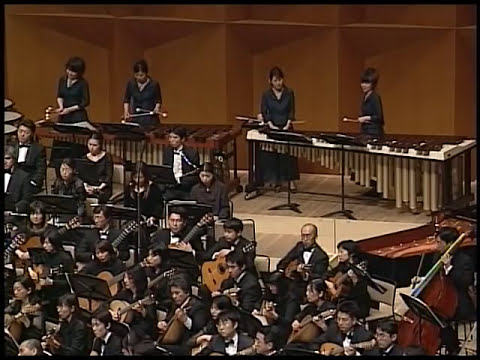
This one also has a wonderful atmosphere and has turned out to be a lovely piece.
It’s a song I love—I watched the movie many times and was captivated by the music.
I adore the melody that makes you want to keep listening forever.
It has become a work that makes the xylophone feel incredibly cool.
Ponyo on the CliffHisaishi Joe

Nozomi Ohashi is such a wonderful girl, singing unfazed with all these adults behind her.
Hearing it in a classical arrangement makes it truly grand and beautiful.
Even now, it feels as if the music is alive, and it’s really overwhelming.
It makes you want to listen to it again and again.
Kiki’s Delivery ServiceHisaishi Joe

It’s a song from the movie Kiki’s Delivery Service.
Every time I listen to it, memories come back.
Even in a classical arrangement, it’s very calming to listen to, and it still feels fresh even now.
I love this song.
It’s a piece that can be enjoyed by both adults and children.
Symphonic Suite “Nausicaä of the Valley of the Wind”Hisaishi Joe
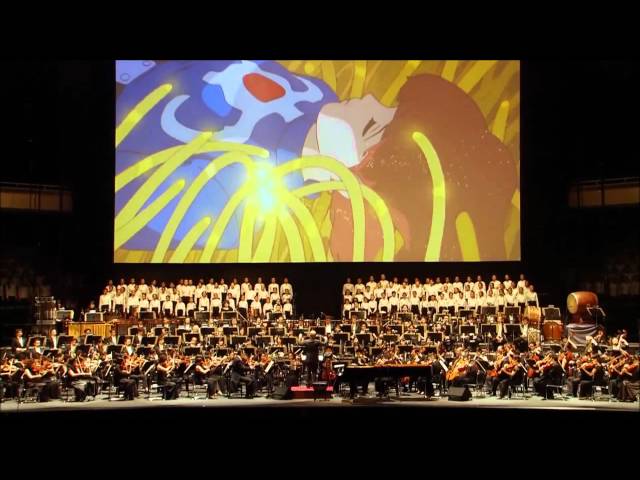
This Nausicaä piece is full of impact, and I absolutely love the music right from the beginning.
I really think this track is perfect for classical arrangements.
Along with the film, the music deserves much more recognition.
Its unique atmosphere is what keeps you completely captivated.
“Princess Mononoke” Fantastic Scene (Wind Orchestra)Hisaishi Joe

This one is easy to listen to and has turned into really great music.
This version is also one of my favorites.
It’s a cool piece of classical music that I really like.
It reminded me of the movie scenes and made me watch Princess Mononoke again without thinking.
The revolving seasonsHisaishi Joe

From Kiki’s Delivery Service.
It’s an image song composed and arranged by Joe Hisaishi, with the original performed by Azumi Inoue.
This song, along with A Town with an Ocean View and Windy Hill, shares the same melodic line.
While A Town with an Ocean View is the version that plays in the film, the three pieces each have a distinct character: Windy Hill features added arrangement, and The Changing Seasons has lyrics.
The covering artist, Wednesday Campanella, is a three-member unit that debuted on YouTube in 2012 and made their major-label debut with SUPERKID in 2016.
This track is included on their cover album.
It’s a song that beautifully captures Kiki’s bittersweet emotions.