

Classical piano masterpieces: legendary performances from around the world you should hear at least once

“Classical piano sounds interesting, but where should I start listening?” Even within classical piano, the music differs greatly by era, style, and composer—and everyone’s tastes vary.
This feature is an introductory guide just for you.
It broadly covers famous and popular pieces from across times and places, so you’re sure to discover a piece you love.
Once you find a favorite, it’s fun to compare works by the same composer or pieces written in the same period.
- Chopin’s masterpieces. Popular classical music.
- [Masterpiece Classics] A special showcase of gem-like masterpieces so beautiful they’ll move you to tears
- Classical masterpieces. Recommended classical music.
- Masterpieces of classical piano that are too beautiful for words. A gathering of delicate tones that cleanse the soul.
- [Ultra-Advanced] Even challenging for advanced players! A curated selection of highly difficult piano pieces
- François Couperin Popular Songs Ranking [2026]
- Cello Masterpieces: A comprehensive introduction to exquisite classical works that let you savor its profound timbre
- Popular classical piano pieces. A collection of masterful performances by Japanese pianists.
- Pick up Beethoven’s famous and representative works!
- Timelessly beautiful classical masterpieces. Recommended classical music.
- Famous pianists you should listen to at least once. Recommended pianists.
- [Classical] A comprehensive introduction to famous love pieces: recommended popular works
- [Intermediate Level] A curated selection of piano masterpieces featuring strikingly brilliant melodies!
Masterpieces of classical piano: World-class performances you should hear at least once (61–70)
A small path in the grass’s shadeLeoš Janaček

Just before the collapse of the late Romantic era, it was also a time when composers known as members of the national schools emerged across various parts of Europe outside the classical centers such as Germany and France.
The Czech composer Janáček wrote many highly regional works that incorporated local folk songs into his music.
Piano Sonata No. 15 “Pastoral”Ludwig van Beethoven
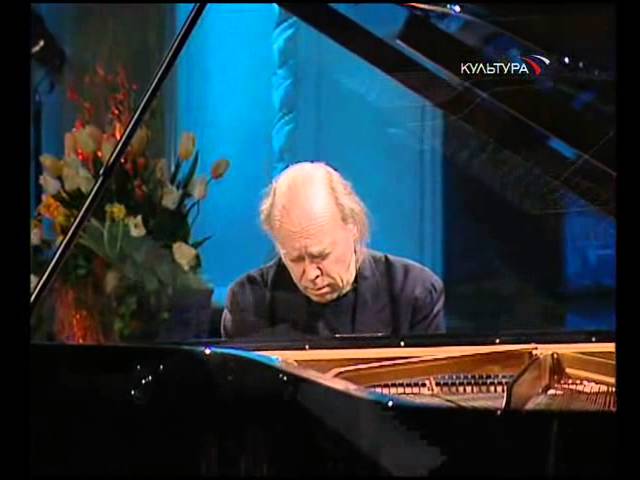
Piano Sonata No.
15 “Pastoral.” Composed by Beethoven.
As bright and refreshing as its title suggests, this piece unfolds a pastoral landscape before your eyes.
Partway through, it turns quiet and a little wistful.
It’s a lovely work that lets you feel the seasons of the countryside.
Recommended for everyone from children to adults—perfect for listening with the whole family.
Please give it a listen.

Piano Concerto No. 5 in E-flat major, Op. 73 “Emperor”Ludwig van Beethoven

One of the works composed during Beethoven’s golden period, often called his “forest of masterpieces.” Because of the title “Emperor,” many people assume it was dedicated to Napoleon, fitting the era, but in fact the nickname spread only after Beethoven’s death, inspired by its bold and majestic musical character.
At the time of composition, Vienna—where Beethoven lived—was under attack by the French army, and the Austrian emperor, who should have led the defense, was effectively in evacuation that could be seen as fleeing the front.
The “Emperor” naming appears to be based on image alone.

Prelude in C-sharp minor “The Bells”Sergei Rachmaninov

During the Late Romantic era, a succession of remarkable composers emerged from Russia.
Rachmaninoff was among them.
This piece is one of his most popular works and is included in the set of five pieces titled “Morceaux de Fantaisie” (Fantasy Pieces).
Classical piano masterpieces: World-famous performances you should hear at least once (71–80)
Piano Concerto No. 12 in A major, K. 414Wolfgang Amadeus Mozart

Mozart’s piano concertos are not complex in structure; their hallmark is a simple, unadorned beauty.
The performer, Dang Thai Son, is known as the first person from Asia to win the International Chopin Piano Competition.
Please enjoy his delicate expression.
Rain Tree Sketch II – In Memoriam Olivier Messiaen –Takemitsu Tōru

Toru Takemitsu, a leading composer of contemporary Japanese music, also left remarkable works for piano, and his pieces are still frequently performed in concerts today.
He said he absorbed new harmonic language from the French composer Olivier Messiaen, and this piece is dedicated to Messiaen.
Water ReflectionsClaude Debussy

It was Debussy who defined the current of modern French music known as “Impressionist music,” which belongs neither to the major nor minor mode.
“Reflections in the Water” is a piece of very high value in music history, placed at the opening of the first book of his piano cycle Images.