

Classical piano masterpieces: legendary performances from around the world you should hear at least once

“Classical piano sounds interesting, but where should I start listening?” Even within classical piano, the music differs greatly by era, style, and composer—and everyone’s tastes vary.
This feature is an introductory guide just for you.
It broadly covers famous and popular pieces from across times and places, so you’re sure to discover a piece you love.
Once you find a favorite, it’s fun to compare works by the same composer or pieces written in the same period.
- [Masterpiece Classics] A special showcase of gem-like masterpieces so beautiful they’ll move you to tears
- Chopin’s masterpieces. Popular classical music.
- Classical masterpieces. Recommended classical music.
- Masterpieces of classical piano that are too beautiful for words. A gathering of delicate tones that cleanse the soul.
- [Ultra-Advanced] Even challenging for advanced players! A curated selection of highly difficult piano pieces
- François Couperin Popular Songs Ranking [2026]
- Cello Masterpieces: A comprehensive introduction to exquisite classical works that let you savor its profound timbre
- Popular classical piano pieces. A collection of masterful performances by Japanese pianists.
- Pick up Beethoven’s famous and representative works!
- Timelessly beautiful classical masterpieces. Recommended classical music.
- Famous pianists you should listen to at least once. Recommended pianists.
- [Classical] A comprehensive introduction to famous love pieces: recommended popular works
- [Intermediate Level] A curated selection of piano masterpieces featuring strikingly brilliant melodies!
Classical piano masterpieces: World-famous performances you should hear at least once (21–30)
From a woodblock print: Rainy GardenClaude Debussy

This piece, with its powerful yet emotional melody, as its name suggests, evokes a rain-soaked garden; toward the end, it clears up as if all the preceding rain had been a lie.
It even leaves that kind of impression.
This highly fantastical work is included in Debussy’s collection called “Estampes,” and the other pieces in the set are also wonderfully dreamy, so I strongly recommend listening to them together.
Dance at the village tavernFranz Liszt

Starting with a lively rhythm that conjures vivid images of ringing voices, the graceful dances of the ballerinas, and villagers chatting with drinks in hand, this piece could well be called one of Liszt’s hidden gems.
It was actually featured in the drama Nodame Cantabile, so many of you may have heard it before—but I highly recommend listening to it in full.
Classical piano masterpieces: World-famous performances you should hear at least once (31–40)
Étude Op. 10 No. 4Frederic Chopin

Although this piece bears no specific title among the études, its fame is overwhelming, and it is a celebrated work often used as an assignment in music conservatories.
It was also featured in the drama “Nodame Cantabile,” which likely broadened its recognition even further.
More recently, it has even been included in the rhythm game “Taiko no Tatsujin.” Among the études, it is considered especially difficult to perform, and its fast, passionate melody is nothing short of breathtaking.
Polonaise No. 3 “Military Polonaise”Frederic Chopin

When it comes to Chopin’s polonaises, the first that comes to mind is this “Heroic.” After a long introduction, the music waits in grand, glittering anticipation, as if announcing the hero’s arrival—a piece that even those not fond of classical music have likely heard at least once.
As you can hear, its performance demands advanced technique and expressive power—truly befitting a hero.
Waltz Op. 64, No. 2Frederic Chopin
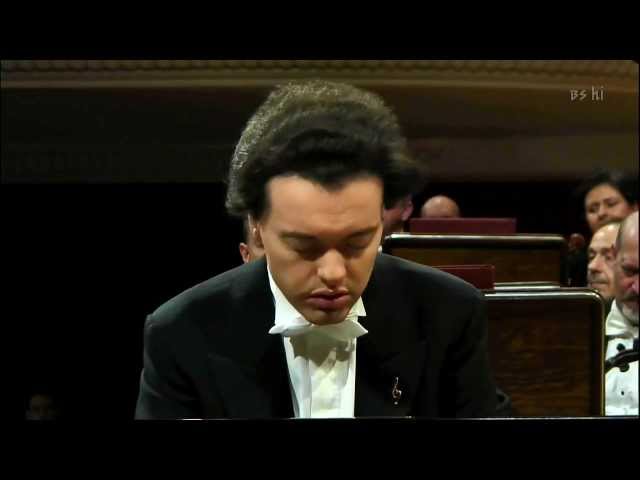
In contrast to the Minute (Puppy) Waltz, this waltz is striking for its dark, heavy atmosphere.
Yet even within the darkness, hints of elegance flicker, and to me it evokes an almost nocturne-like mood—an enchanting, dreamlike piece.
Because it doesn’t demand exceptionally high technical skill, it is also a frequently performed classic in concert settings.
Impromptu No. 3, Op. 51Frederic Chopin

Vladimir Davidovich Ashkenazy is a Russian pianist who is also known as a conductor.
He currently holds Icelandic citizenship and resides in Switzerland.
This is a performance of Chopin’s Impromptu No.
3.
The light, nimble fingerwork is delightful to watch.
The Well-Tempered Clavier, Book I, No. 1 in C majorJ.S.Bach

Bach was a German composer of the 17th century.
Because he came from a musical family, the most famous Bach is called “J.
S.
Bach” or “the Great Bach.” The Great Bach was a major composer who created and developed compositional techniques, and in The Well-Tempered Clavier every piece always consists of a pair: a prelude and a fugue.