

Classical piano masterpieces: legendary performances from around the world you should hear at least once

“Classical piano sounds interesting, but where should I start listening?” Even within classical piano, the music differs greatly by era, style, and composer—and everyone’s tastes vary.
This feature is an introductory guide just for you.
It broadly covers famous and popular pieces from across times and places, so you’re sure to discover a piece you love.
Once you find a favorite, it’s fun to compare works by the same composer or pieces written in the same period.
- [Masterpiece Classics] A special showcase of gem-like masterpieces so beautiful they’ll move you to tears
- Chopin’s masterpieces. Popular classical music.
- Classical masterpieces. Recommended classical music.
- Masterpieces of classical piano that are too beautiful for words. A gathering of delicate tones that cleanse the soul.
- [Ultra-Advanced] Even challenging for advanced players! A curated selection of highly difficult piano pieces
- François Couperin Popular Songs Ranking [2026]
- Cello Masterpieces: A comprehensive introduction to exquisite classical works that let you savor its profound timbre
- Popular classical piano pieces. A collection of masterful performances by Japanese pianists.
- Pick up Beethoven’s famous and representative works!
- Timelessly beautiful classical masterpieces. Recommended classical music.
- Famous pianists you should listen to at least once. Recommended pianists.
- [Classical] A comprehensive introduction to famous love pieces: recommended popular works
- [Intermediate Level] A curated selection of piano masterpieces featuring strikingly brilliant melodies!
Classical piano masterpieces: World-renowned performances you should hear at least once (11–20)
Nocturne No. 2Frederic Chopin

Meaning “nocturne,” Nocturne is an indispensable element when discussing Chopin, and this particular piece is especially emotional and mysterious.
It is probably the most famous of Chopin’s nocturnes, and listening to it before bed will make you feel just like a princess.
Waltz Op. 64 No. 1 “Minute (Little Dog) Waltz”Frederic Chopin

This waltz is said to depict the scene of a puppy owned by Chopin’s lover spinning around as it chases its tail.
Rather than “twirling,” though, my impression when listening is of a melody that lightly tumbles along, as if rolling playfully.
It evokes a moment in an elegant court, inviting you to sink into that refined mood.
Prelude “Raindrop”Frederic Chopin

The piece with a beautifully striking opening, Prelude “Raindrop,” is by Chopin.
It’s a calm and serene work that almost lets you hear the gentle patter of falling rain.
Its romantic, tender quality that softly comforts the heart is quintessentially Chopin of the Romantic era.
A perfect recommendation for a rainy afternoon.

Waltz No. 15 “Waltz of Love”Johannes Brahms

Brahms’s Waltz No.
15, the “Waltz of Love.” It’s well known from children’s collections, too.
With its friendly, adorable melody, it’s often performed on piano and violin.
A simple, short tune is repeated with variations, which makes it easy to listen to and very appealing.
It’s a gentle waltz that can be enjoyed by both children and adults.
Piano Sonata No. 8 “Pathétique”Ludwig van Beethoven
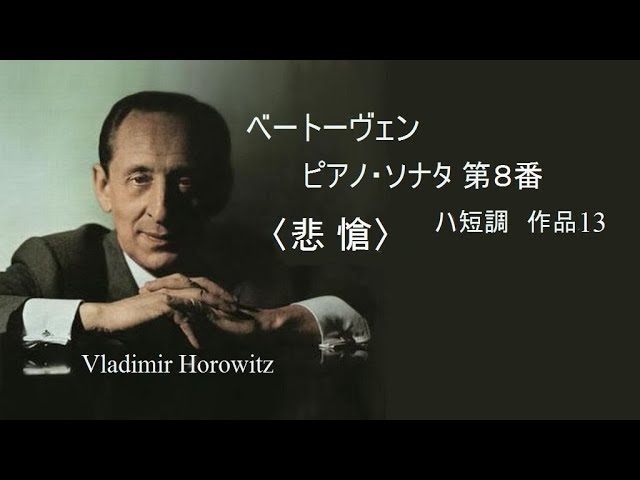
Alongside the Moonlight and Appassionata, this Pathétique Sonata is known as one of the three great piano sonatas and stands among Beethoven’s most celebrated masterpieces.
As its title suggests, from the very beginning the piece overflows with a sense of tragic intensity, and the occasional impassioned passages further accentuate its pathos.
The second movement is frequently used in television commercials, so many listeners will likely find it familiar.
Rhapsody in BlueGeorge Gershwin
When you think of Gershwin, this is the piece that comes to mind: Rhapsody in Blue, right? It also became famous as the ending theme of the TV drama Nodame Cantabile.
It’s a cool piece that richly expresses jazz elements through an orchestra.
As the instruments take turns, each one showcases its unique character, making it a joy to listen to.
I highly recommend this piece—be sure to give it a listen.
Classical piano masterpieces: World-famous performances you should hear at least once (21–30)
Etude Op. 25, No. 11 “Winter Wind”Frederic Chopin

A piece that every pianist admires and cannot avoid—that is the Étude “Winter Wind.” From the opening theme, which evokes the calm before the storm, a fast and passionately surging melody bursts forth like a howling, raging winter wind.