

General knowledge quiz time! From trivia to questions about Japan and the world


Whether you’re so interested in Japanese history and culture that you end up researching on your own, or you feel it seems too much like studying and can’t quite get into it, there are all kinds of people out there.
For those who are interested in various aspects of Japan—and even for those who aren’t—turning them into quizzes might just spark a bit of curiosity! In this article, we’ll present quizzes covering general knowledge and trivia about Japanese history, culture, and customs.
Let these quizzes be your starting point to learn even more about Japan!
- It never hurts to know! General knowledge quiz
- [Interesting] Compilation of Trivia Quiz Questions
- [Challenge] Stimulate your intellectual curiosity with a general knowledge quiz you might not know!
- Let’s take on the challenge! A multiple-choice history quiz for elementary school students. Review your history lessons.
- [Battle of Wits] Stimulate your intellectual curiosity! Quiz questions that get adults excited
- [History Quiz] General History Questions You Should Know
- [General] Surprisingly unknown? Test your geography skills with a three-choice quiz on Japan’s prefectures
- Surprisingly unknown? Trivia Quiz [Multiple Choice: 3 Options]
- [Killing Time] A Collection of Fun Trivia Quizzes You'll Want to Share with Someone
- A quiz for elementary school students about Japan’s number ones. Guess the “most ___” things in Japan!
- Fun facts you’ll want to share! January trivia and tidbits special
- [Study] Fun to Know! A Collection of World History Trivia Quizzes
- True-or-false quiz for adults: a full roundup from common-sense questions to surprising trivia!
Science, Trivia, and Life Knowledge Quiz (11–20)
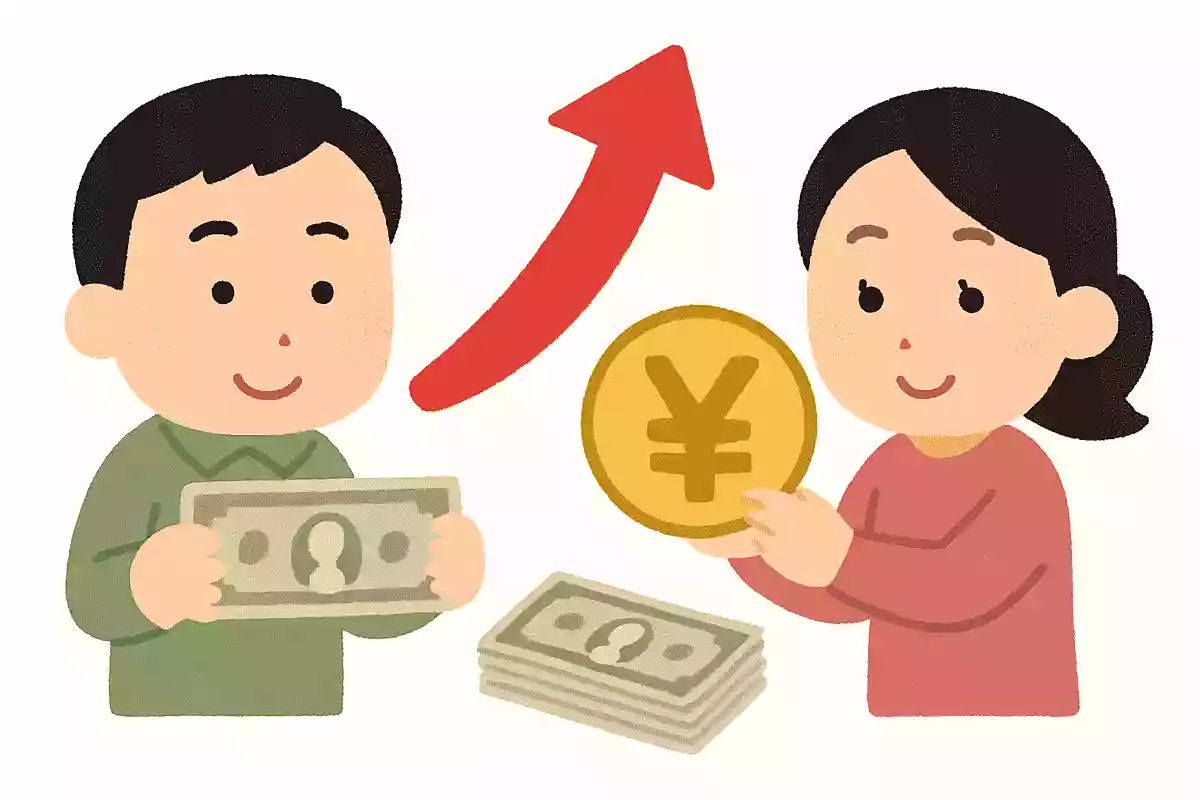
What happens when the yen strengthens?
- Imported goods become cheaper.
- Imported goods become more expensive.
- Exports become cheaper.
See the answer
Imported goods become cheaper.
When the yen appreciates, the value of the yen rises against foreign currencies, so imports from abroad can be purchased with fewer Japanese yen, resulting in cheaper imported goods. Conversely, when the yen depreciates, its value falls against foreign currencies, making imports more expensive and exports cheaper.

How do you read “一期一会”?

- one opportunity, one encounter
- Once-in-a-lifetime encounter
- Once in a lifetime
See the answer
Once-in-a-lifetime encounter
You might be tempted to read this as “ikki ikkai,” but it’s actually pronounced “ichigo ichie.” It means “a once-in-a-lifetime opportunity.” It can be used not only for encounters with people but also to describe situations at work. It’s a phrase suited for special moments, so be sure to remember it.

How many milliliters are in one tablespoon?

- 10ml
- 15ml
- 20ml
See the answer
15ml
One tablespoon is 15 ml. It’s commonly used as a standard measure to accurately measure liquids and powders when cooking. By the way, a teaspoon is 5 ml, which is one third of a tablespoon.
What is the true identity of the first star?

- Venus
- Sirius
- Polaris
See the answer
Venus
The first star refers to the bright star that is first visible at dusk, and this is often Venus. Venus is the brightest object in the sky after the Sun, and it is also called the Morning Star and the Evening Star. Sirius is the brightest fixed star in the night sky, but it is not as bright as Venus and is not called the first star. The North Star always points north and is not the first star.
From which direction does the moon rise?

- east
- West
- south
See the answer
east
When it comes to the direction the sun rises, it’s easy to understand, but with the moon, you might not be sure. However, like the sun, the moon also rises in the eastern sky.
What is the official name of “karaoke”?

- Sky Orchestra
- Colorful Orchestra
- Karaokation
See the answer
Sky Orchestra
Karaoke is perfect for when you want to sing your heart out. Did you know its formal name is actually “empty orchestra”? In the music industry, accompaniment tracks without vocals are called “kara-oke” (empty orchestra). That’s where the current term “karaoke” comes from.
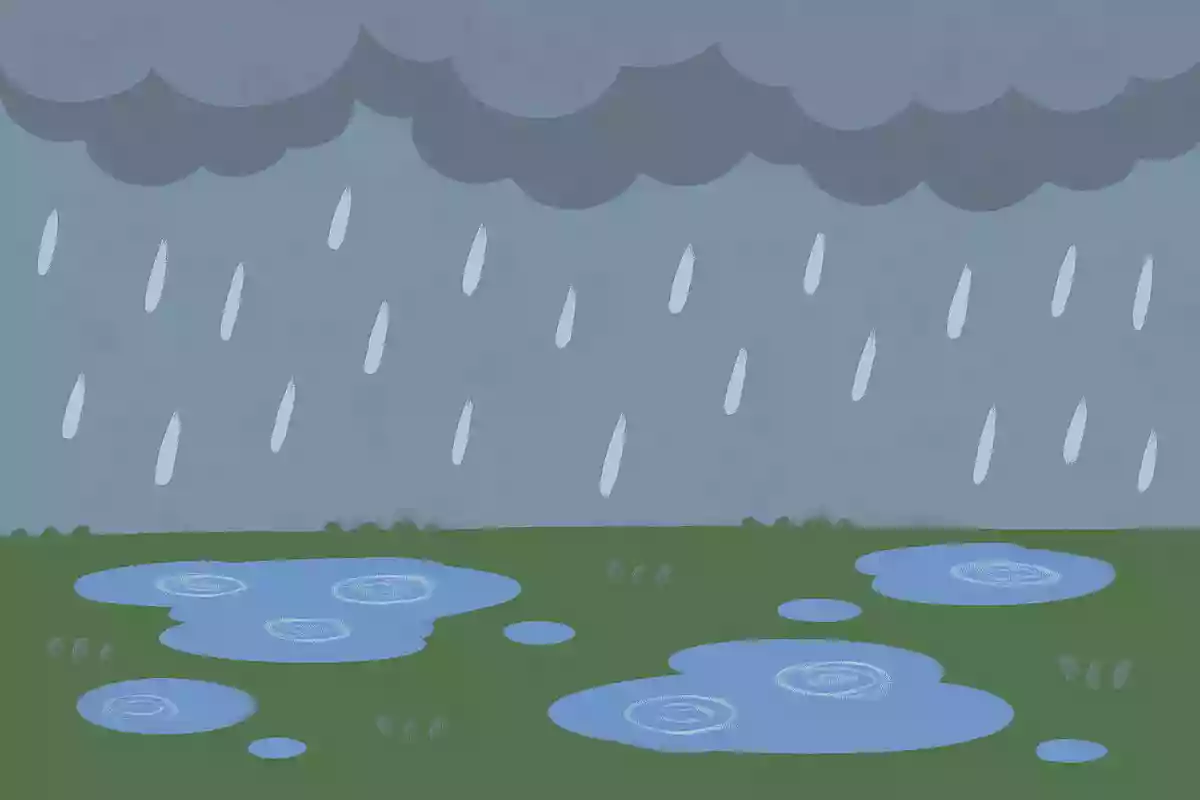
What kind of sky does “amemoyō” (rainy conditions) look like?
- The appearance of the sky as it begins to rain
- The appearance of a sky where it is raining
- The sky looks like it's going to rain.
See the answer
The sky looks like it's going to rain.
When you hear the term “amemoyō,” don’t you picture a sky where it’s already raining? In fact, the original meaning of amemoyō describes a sky that looks like it’s about to rain. These days, people sometimes use it to mean that it’s actually raining, and because interpretations vary from person to person, it’s apparently not used in weather forecasts.