

General knowledge quiz time! From trivia to questions about Japan and the world


Whether you’re so interested in Japanese history and culture that you end up researching on your own, or you feel it seems too much like studying and can’t quite get into it, there are all kinds of people out there.
For those who are interested in various aspects of Japan—and even for those who aren’t—turning them into quizzes might just spark a bit of curiosity! In this article, we’ll present quizzes covering general knowledge and trivia about Japanese history, culture, and customs.
Let these quizzes be your starting point to learn even more about Japan!
- It never hurts to know! General knowledge quiz
- [Interesting] Compilation of Trivia Quiz Questions
- [Challenge] Stimulate your intellectual curiosity with a general knowledge quiz you might not know!
- Let’s take on the challenge! A multiple-choice history quiz for elementary school students. Review your history lessons.
- [Battle of Wits] Stimulate your intellectual curiosity! Quiz questions that get adults excited
- [History Quiz] General History Questions You Should Know
- [General] Surprisingly unknown? Test your geography skills with a three-choice quiz on Japan’s prefectures
- Surprisingly unknown? Trivia Quiz [Multiple Choice: 3 Options]
- [Killing Time] A Collection of Fun Trivia Quizzes You'll Want to Share with Someone
- A quiz for elementary school students about Japan’s number ones. Guess the “most ___” things in Japan!
- Fun facts you’ll want to share! January trivia and tidbits special
- [Study] Fun to Know! A Collection of World History Trivia Quizzes
- True-or-false quiz for adults: a full roundup from common-sense questions to surprising trivia!
Japanese History, Culture, and Customs Quiz (1–10)
What is the difference between botamochi and ohagi?
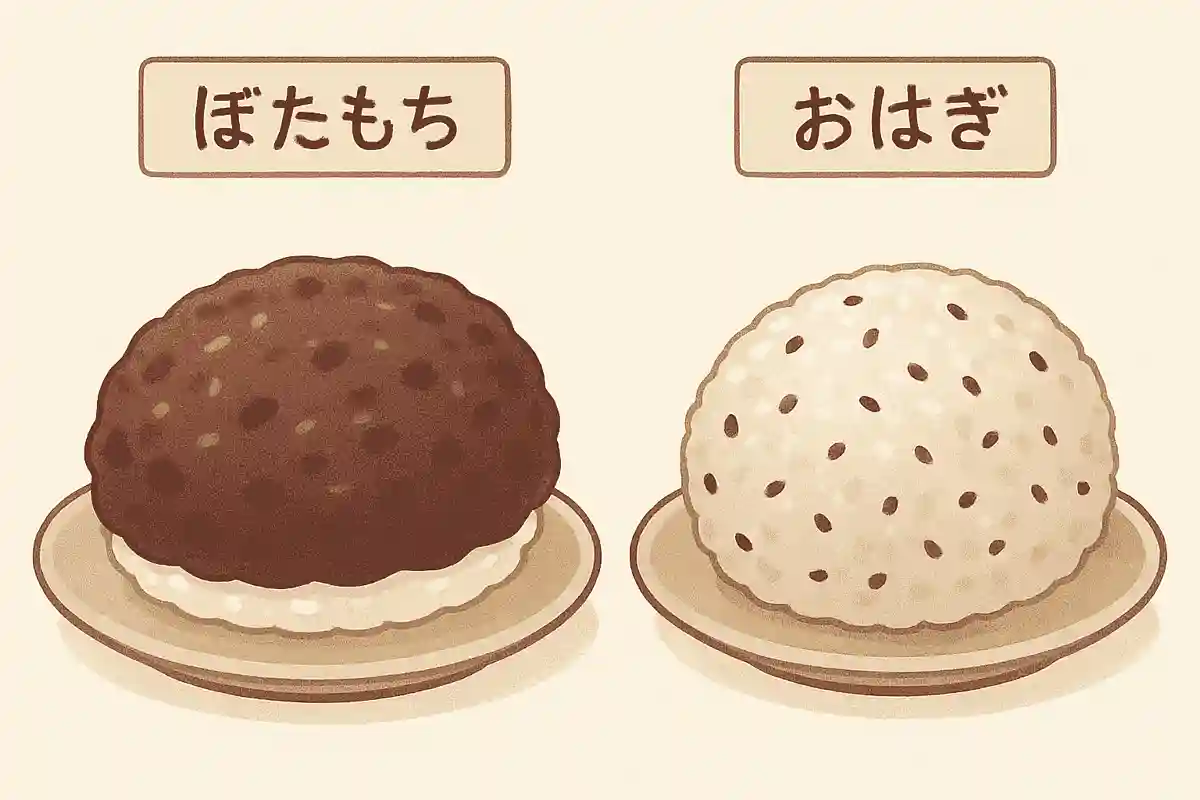
- Season to eat
- Materials to use
- Region
See the answer
Season to eat
“Botamochi” and “ohagi” are actually the same confection, but the name changes with the season. The ones made for the spring equinoctial week are called “botamochi,” while those made for the autumn equinoctial week are called “ohagi.” Each name comes from seasonal flowers: the peony (botan) in spring and the bush clover (hagi) in autumn.

Around which month does “koharu-biyori” (Indian summer) refer to?
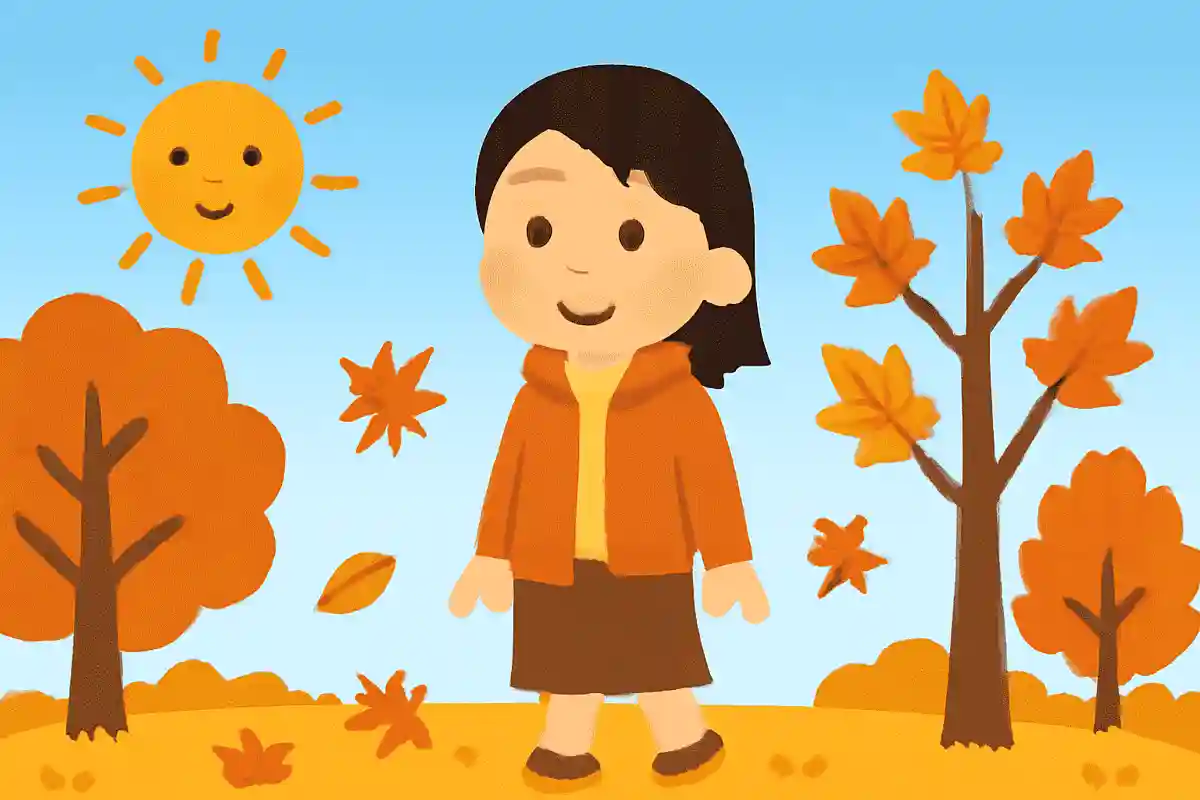
- Around November to December
- Around April to May
- Around June to July
See the answer
Around November to December
When you hear “koharu-biyori,” you might think of spring, but it actually refers to the period from November to early December. It describes warm, sunny days that arrive during that time. The term “koharu” is a seasonal word for November and is also another name for the tenth month in the old lunar calendar.

Who was the first Prime Minister?
- Hirobumi Ito
- Toshimichi Ōkubo
- Kido Takayoshi
See the answer
Hirobumi Ito
Hirobumi Ito was Japan’s first Prime Minister and made major contributions to the country’s modernization after the Meiji Restoration.

Japanese History, Culture, and Customs Quiz (11–20)
Which prefecture is the smallest in Japan?
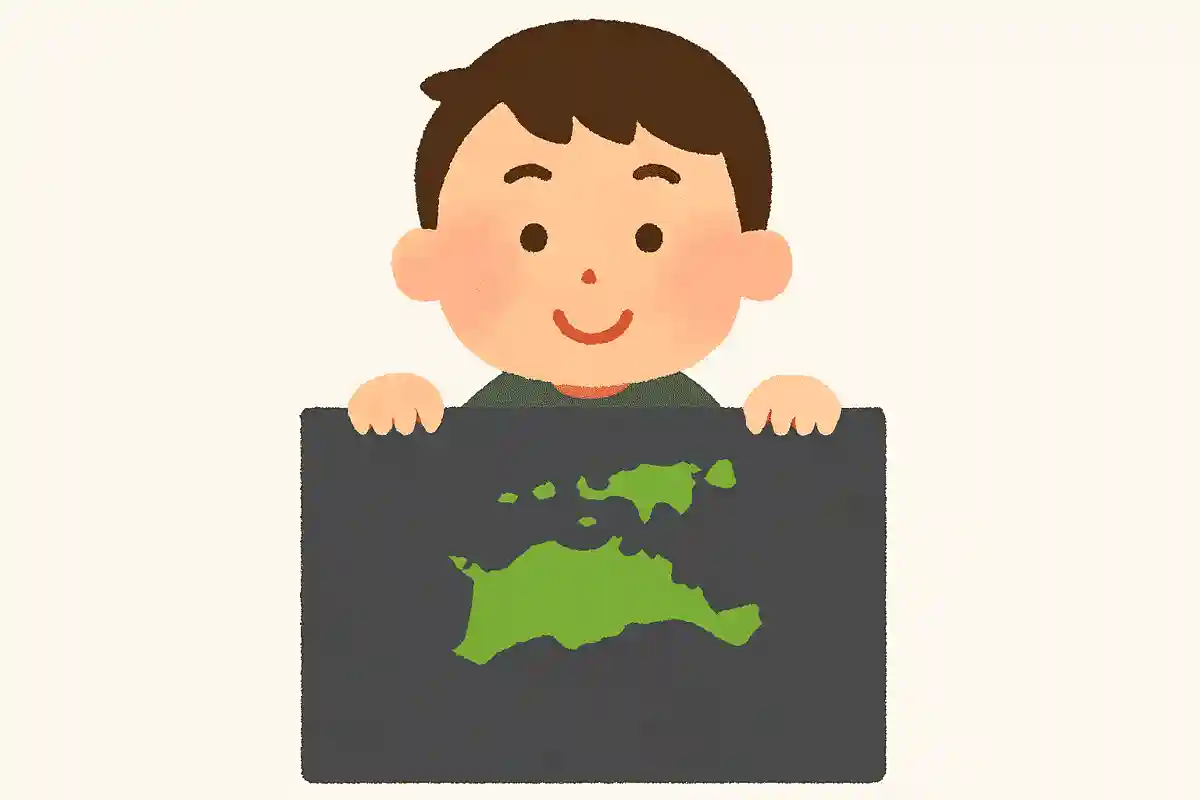
- Osaka Prefecture
- Kagawa Prefecture
- Nagasaki Prefecture
See the answer
Kagawa Prefecture
Kagawa Prefecture has the smallest area among Japan’s prefectures. By the way, Osaka Prefecture is the second smallest, and Nagasaki Prefecture is surprisingly large—it ranks 11th from the bottom.
How many meters tall is Mount Fuji?
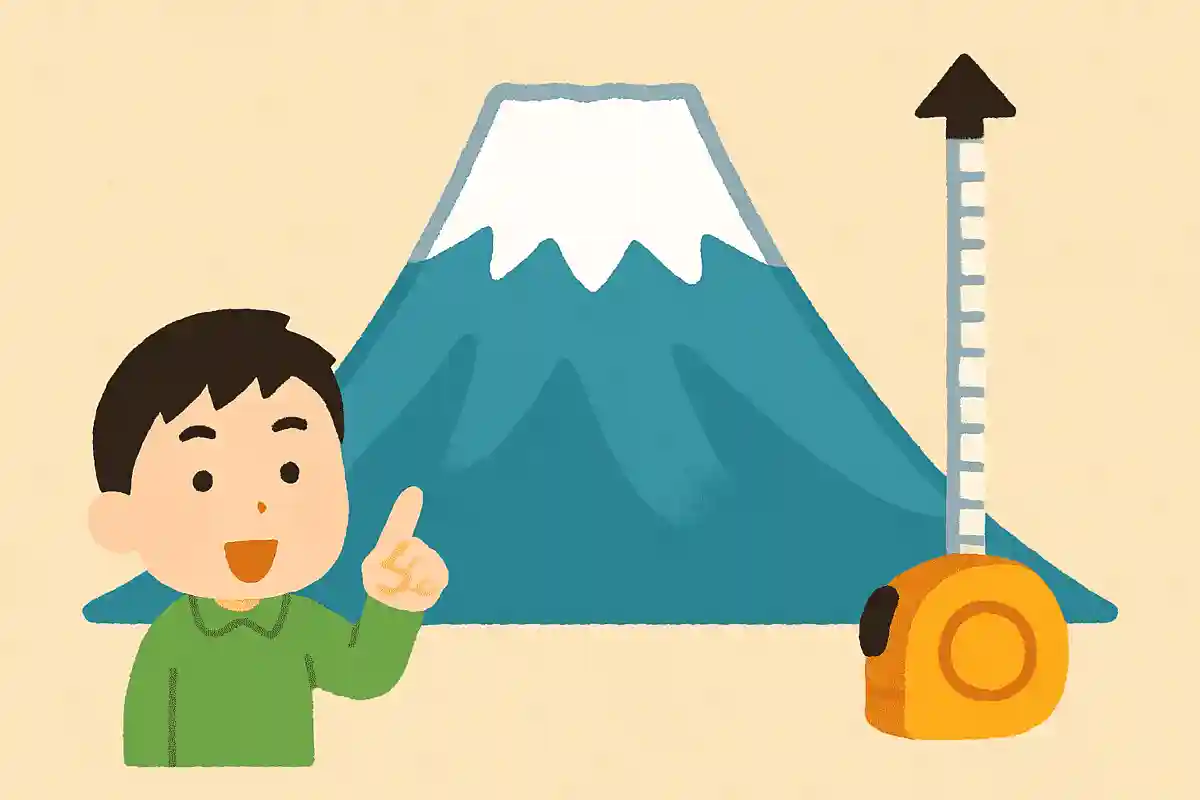
- 3666m
- 3776m
- 3886m
See the answer
3776m
Mount Fuji is 3,776 meters tall and is known as the highest mountain in Japan. This is the official height measured by the Geospatial Information Authority of Japan.
What was used as a reference for the design of Tokyo Tower?

- Big Ben
- Shanghai Tower
- Eiffel Tower
See the answer
Eiffel Tower
The design of Tokyo Tower was inspired by the structural beauty and architectural techniques of the Eiffel Tower in Paris, France, which was completed in 1889. Tokyo Tower was completed in 1958, stands 333 meters tall, and is also extremely popular as a tourist attraction.
Who is the person depicted on the new 10,000-yen banknote?
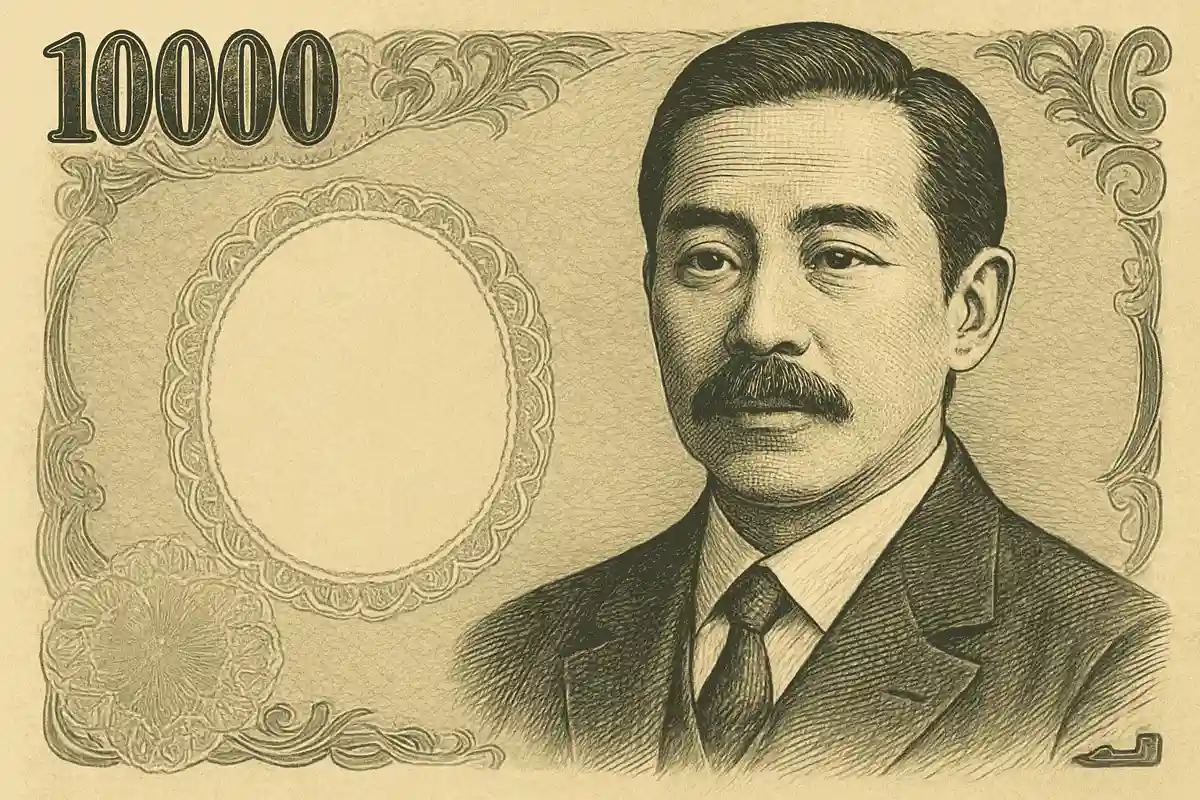
- Umeko Tsuda
- Shibasaburo Kitasato
- Eiichi Shibusawa
See the answer
Eiichi Shibusawa
The person printed on the new 10,000-yen bill is Eiichi Shibusawa. Shibusawa is known as the father of Japan’s modern economy and was instrumental in popularizing the banking system and the joint-stock company system. Incidentally, the 10,000-yen bill has previously featured Yukichi Fukuzawa and Prince Shotoku.