

General knowledge quiz time! From trivia to questions about Japan and the world


Whether you’re so interested in Japanese history and culture that you end up researching on your own, or you feel it seems too much like studying and can’t quite get into it, there are all kinds of people out there.
For those who are interested in various aspects of Japan—and even for those who aren’t—turning them into quizzes might just spark a bit of curiosity! In this article, we’ll present quizzes covering general knowledge and trivia about Japanese history, culture, and customs.
Let these quizzes be your starting point to learn even more about Japan!
- It never hurts to know! General knowledge quiz
- [Interesting] Compilation of Trivia Quiz Questions
- [Challenge] Stimulate your intellectual curiosity with a general knowledge quiz you might not know!
- Let’s take on the challenge! A multiple-choice history quiz for elementary school students. Review your history lessons.
- [Battle of Wits] Stimulate your intellectual curiosity! Quiz questions that get adults excited
- [History Quiz] General History Questions You Should Know
- [General] Surprisingly unknown? Test your geography skills with a three-choice quiz on Japan’s prefectures
- Surprisingly unknown? Trivia Quiz [Multiple Choice: 3 Options]
- [Killing Time] A Collection of Fun Trivia Quizzes You'll Want to Share with Someone
- A quiz for elementary school students about Japan’s number ones. Guess the “most ___” things in Japan!
- Fun facts you’ll want to share! January trivia and tidbits special
- [Study] Fun to Know! A Collection of World History Trivia Quizzes
- True-or-false quiz for adults: a full roundup from common-sense questions to surprising trivia!
Japanese History, Culture, and Customs Quiz (11–20)
What is the meaning embodied in kazunoko (herring roe) in Osechi cuisine?
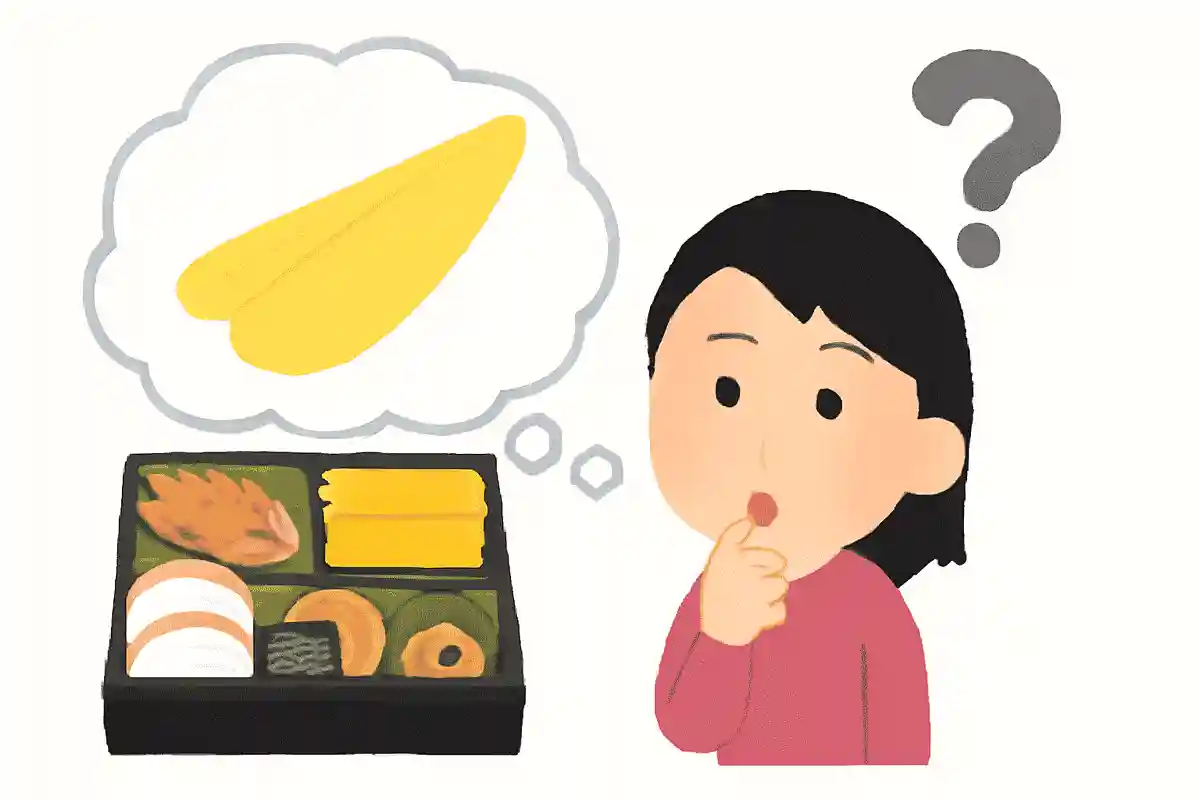
- diligence
- longevity
- prosperity of descendants
See the answer
prosperity of descendants
Kazunoko is herring roe, but when written in kanji it becomes “二親” (two parents), and from the image of many children being born to two parents, it is considered a lucky food symbolizing prosperity of descendants. By the way, black beans (kuromame) represent diligence, and shrimp represent longevity.

Japan’s three major duties are “paying taxes,” “working,” and what’s the third?
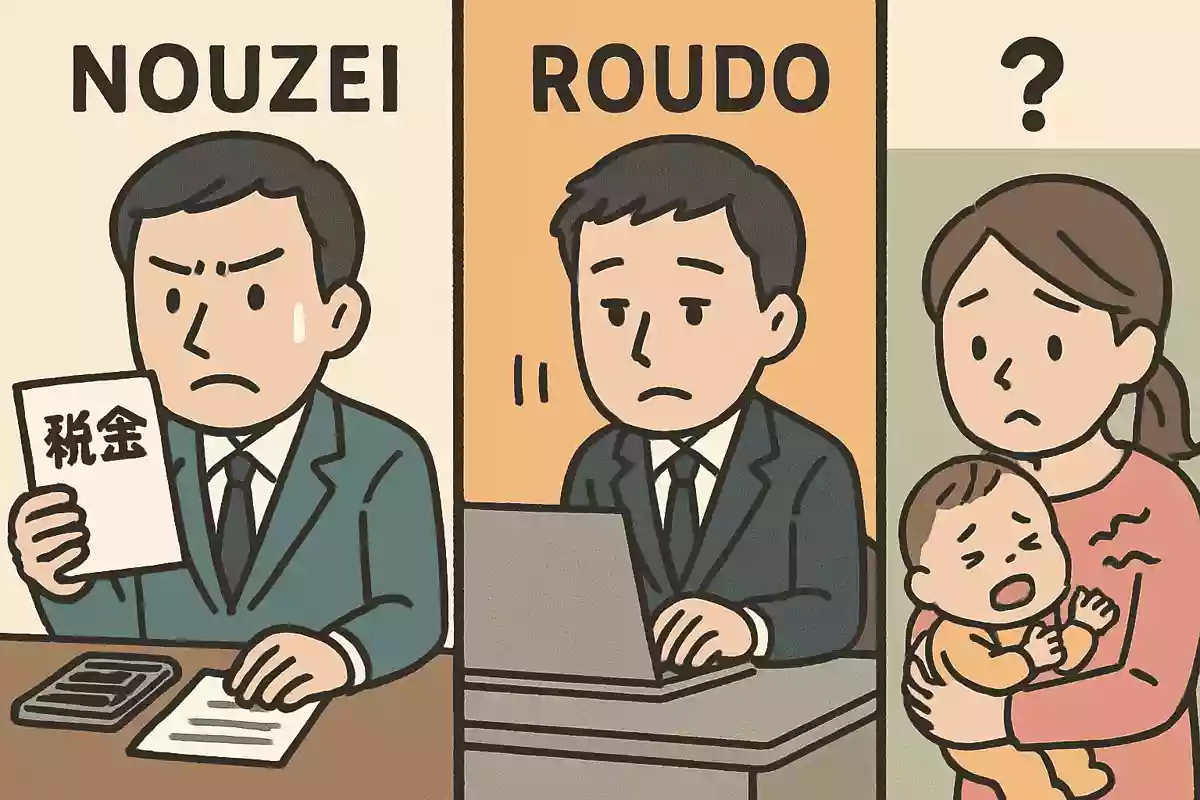
- effort
- creation
- Education
See the answer
Education
Japan’s three major civic duties are paying taxes, working, and education. These are stipulated in the Constitution of Japan to create a better society. Specifically, the duty of education means that parents must ensure their children receive nine years of compulsory schooling. Paying taxes means contributing taxes, and working refers to being engaged in labor.
What was the childhood name of Minamoto no Yoshitsune, known as the younger brother of Minamoto no Yoritomo who founded the Kamakura shogunate?
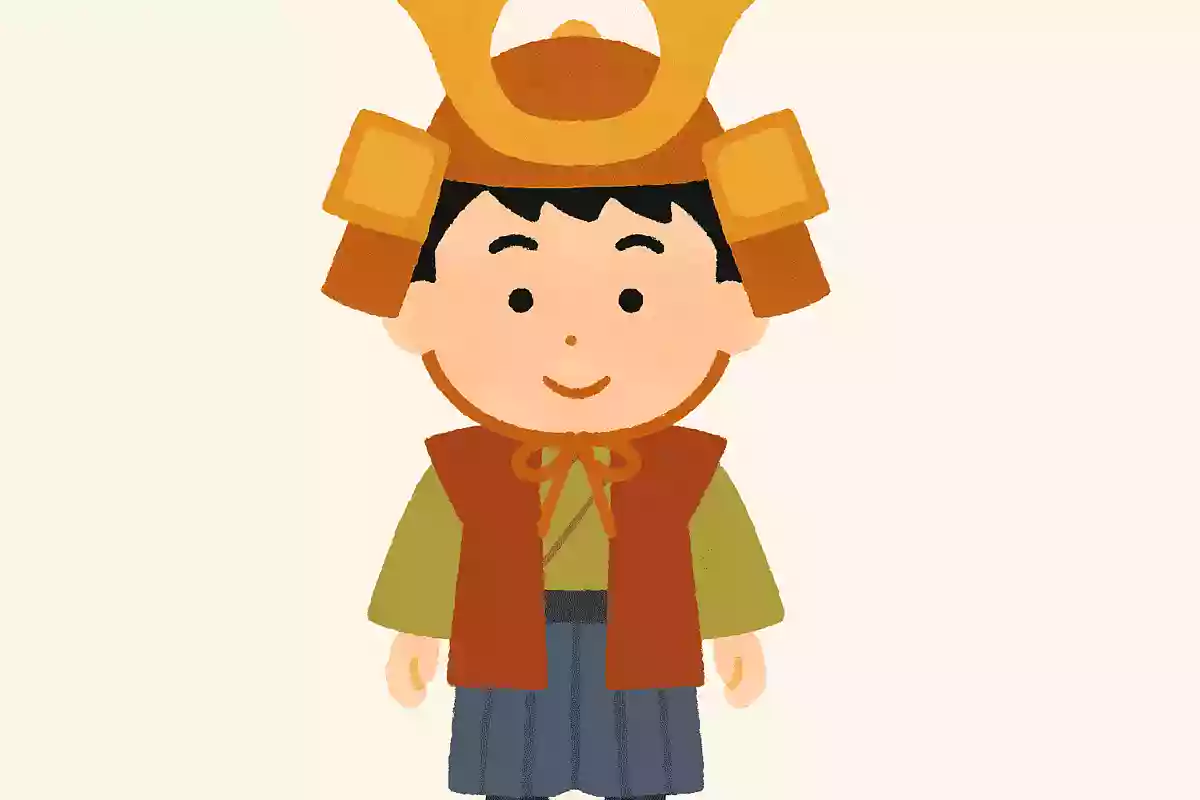
- Kichijiro
- Ushiwakamaru
- Kurō
See the answer
Ushiwakamaru
Minamoto no Yoshitsune’s childhood name was Ushiwakamaru. He was placed in the care of Kurama-dera during his early years and was known by this name. Yoshitsune was gifted with exceptional martial talent from a young age and is also famous for creating numerous legends together with Benkei. He later played a vital role in overthrowing the Taira clan, but due to conflict with his elder brother Yoritomo, he met a tragic end.

For whom was the Nikko Toshogu Shrine built?
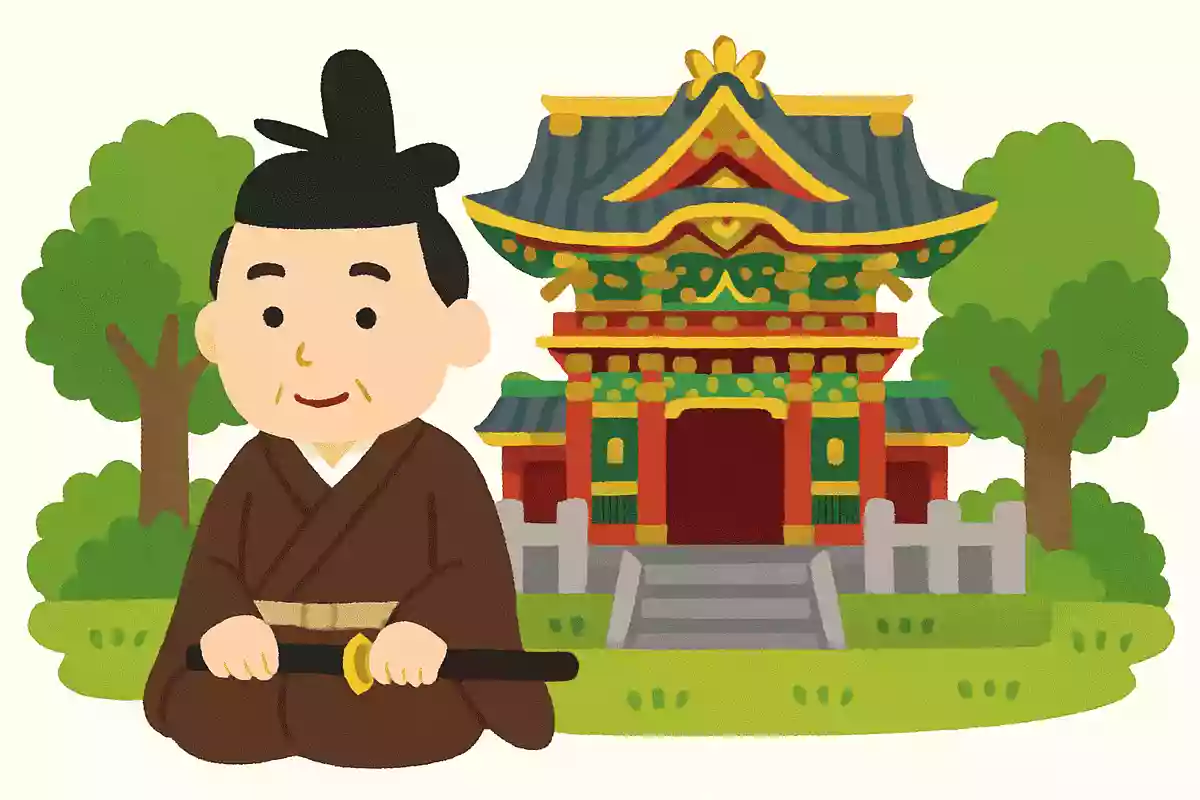
- Minamoto no Yoritomo
- Oda Nobunaga
- Tokugawa Ieyasu
See the answer
Tokugawa Ieyasu
Nikkō Tōshōgū is a Shinto shrine that enshrines Tōshō Daigongen—the deified form of Tokugawa Ieyasu, the first shogun of the Edo shogunate—as its principal deity. Founded in 1617 after Tokugawa Ieyasu’s death, it remains a historic landmark that attracts many visitors today.
We use cucumbers for spirit horses; which vegetable is used for the spirit cow?
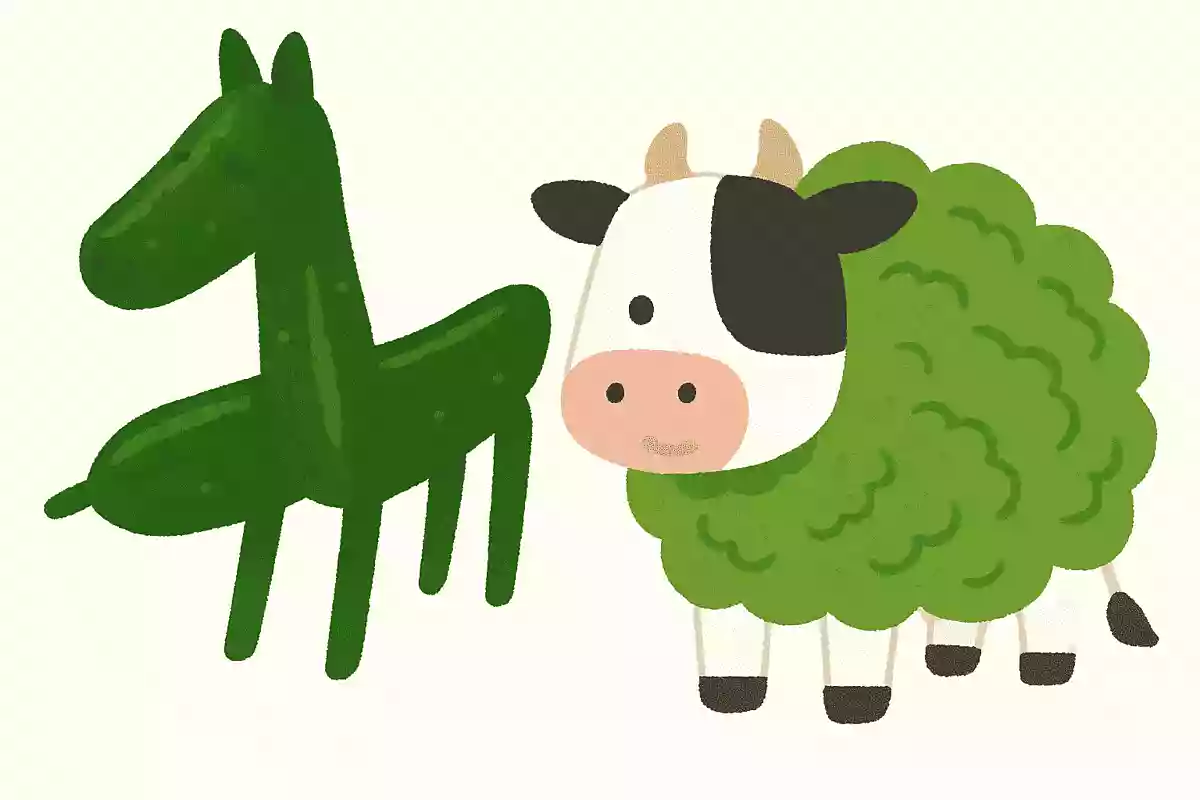
- eggplant
- carrot
- daikon
See the answer
eggplant
Shōryōma and shōryōushi are vehicles prepared during Obon to carry ancestral spirits. A shōryōma is made by attaching chopstick legs to a cucumber, and a shōryōushi is made by attaching chopstick legs to an eggplant. Ancestors ride the shōryōma when coming home and the shōryōushi when returning, because people wish for them to come quickly and go back slowly.
What color of roses are given on Father’s Day in Japan?

- yellow
- red
- white
See the answer
yellow
On Mother’s Day we give carnations, but did you know that on Father’s Day we give roses? The color of the roses is yellow. This is a Japanese custom, said to have started with the “Father’s Day Yellow Ribbon Campaign” held in 1981. In the United States, people reportedly give red or white roses.
Japanese History, Culture, and Customs Quiz (21–30)
What is the meaning behind the chestnut kinton included in osechi cuisine?
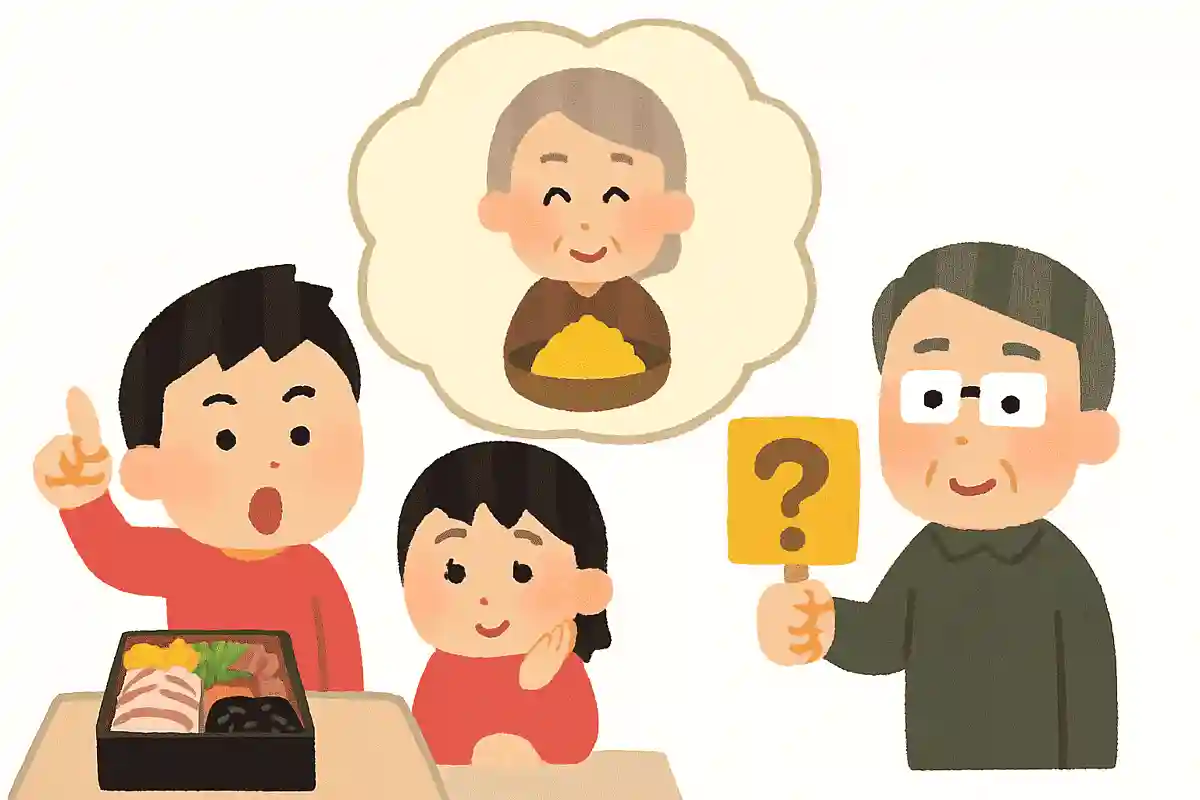
- health luck
- financial luck
- Love fortune
See the answer
financial luck
Kurikinton is one of the most popular dishes in osechi cuisine, and its vivid golden color evokes gold bars and treasure, making it a symbol of good fortune and increased wealth. Eating kurikinton at the start of the new year carries the hope that abundant prosperity will come to one’s household and oneself. Its bright hue also adds a festive touch to celebratory gatherings.
