

General knowledge quiz time! From trivia to questions about Japan and the world


Whether you’re so interested in Japanese history and culture that you end up researching on your own, or you feel it seems too much like studying and can’t quite get into it, there are all kinds of people out there.
For those who are interested in various aspects of Japan—and even for those who aren’t—turning them into quizzes might just spark a bit of curiosity! In this article, we’ll present quizzes covering general knowledge and trivia about Japanese history, culture, and customs.
Let these quizzes be your starting point to learn even more about Japan!
- It never hurts to know! General knowledge quiz
- [Interesting] Compilation of Trivia Quiz Questions
- [Challenge] Stimulate your intellectual curiosity with a general knowledge quiz you might not know!
- Let’s take on the challenge! A multiple-choice history quiz for elementary school students. Review your history lessons.
- [Battle of Wits] Stimulate your intellectual curiosity! Quiz questions that get adults excited
- [History Quiz] General History Questions You Should Know
- [General] Surprisingly unknown? Test your geography skills with a three-choice quiz on Japan’s prefectures
- Surprisingly unknown? Trivia Quiz [Multiple Choice: 3 Options]
- [Killing Time] A Collection of Fun Trivia Quizzes You'll Want to Share with Someone
- A quiz for elementary school students about Japan’s number ones. Guess the “most ___” things in Japan!
- Fun facts you’ll want to share! January trivia and tidbits special
- [Study] Fun to Know! A Collection of World History Trivia Quizzes
- True-or-false quiz for adults: a full roundup from common-sense questions to surprising trivia!
Japanese History, Culture, and Customs Quiz (21–30)
Why do we pack osechi dishes into tiered jubako boxes?
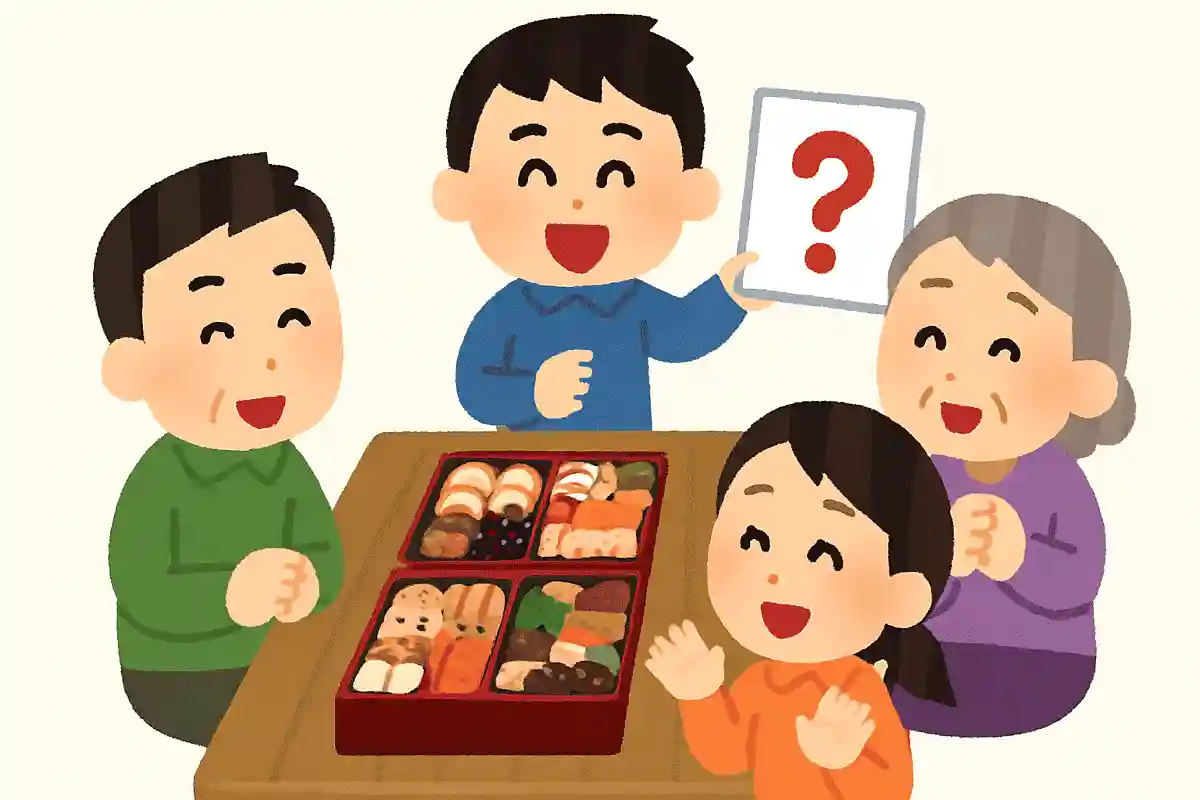
- To reduce the burden of doing the dishes
- To share (with others)
- A wish for layers of good fortune and auspiciousness to overlap
See the answer
A wish for layers of good fortune and auspiciousness to overlap
Stacking osechi dishes in layered jubako boxes carries the wish that good fortune and auspiciousness will come in many layers. In traditional Japanese culture, “layering” itself holds meaning, embodying the hope that a family’s happiness and prosperity will continue in multiple layers. For this reason, the practice has been passed down not only for visual beauty and preservation, but as a distinctly Japanese custom that values auspiciousness.

What is the meaning behind the datemaki included in osechi cuisine?
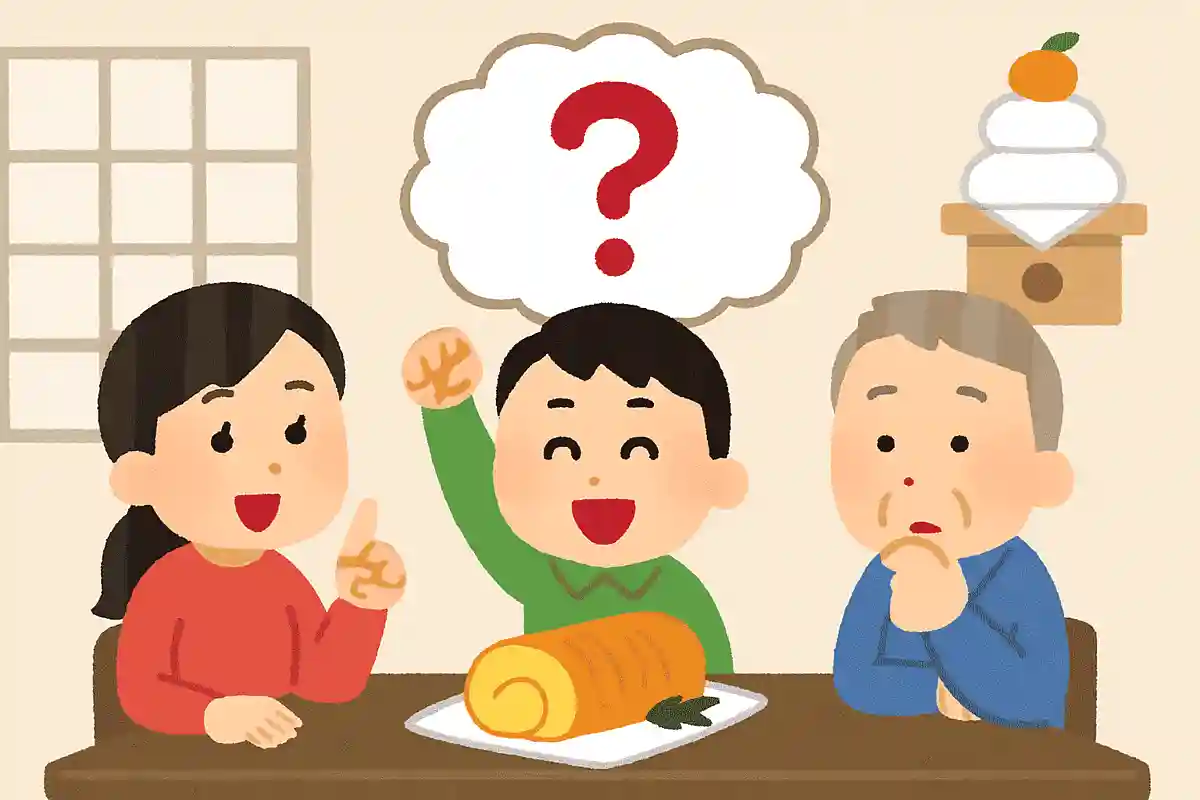
- Academic achievement
- Prosperous business
- Fulfillment of love
See the answer
Academic achievement
Datemaki, which resembles a scroll in appearance, is associated with old books and scrolls and thus carries wishes for academic success and increased knowledge. It is especially eaten at the start of the year with hopes for improving studies and learning new things. For that reason, it is a particularly valued dish in households with children or students.
What is the name of the stand that the kagami mochi is placed on?
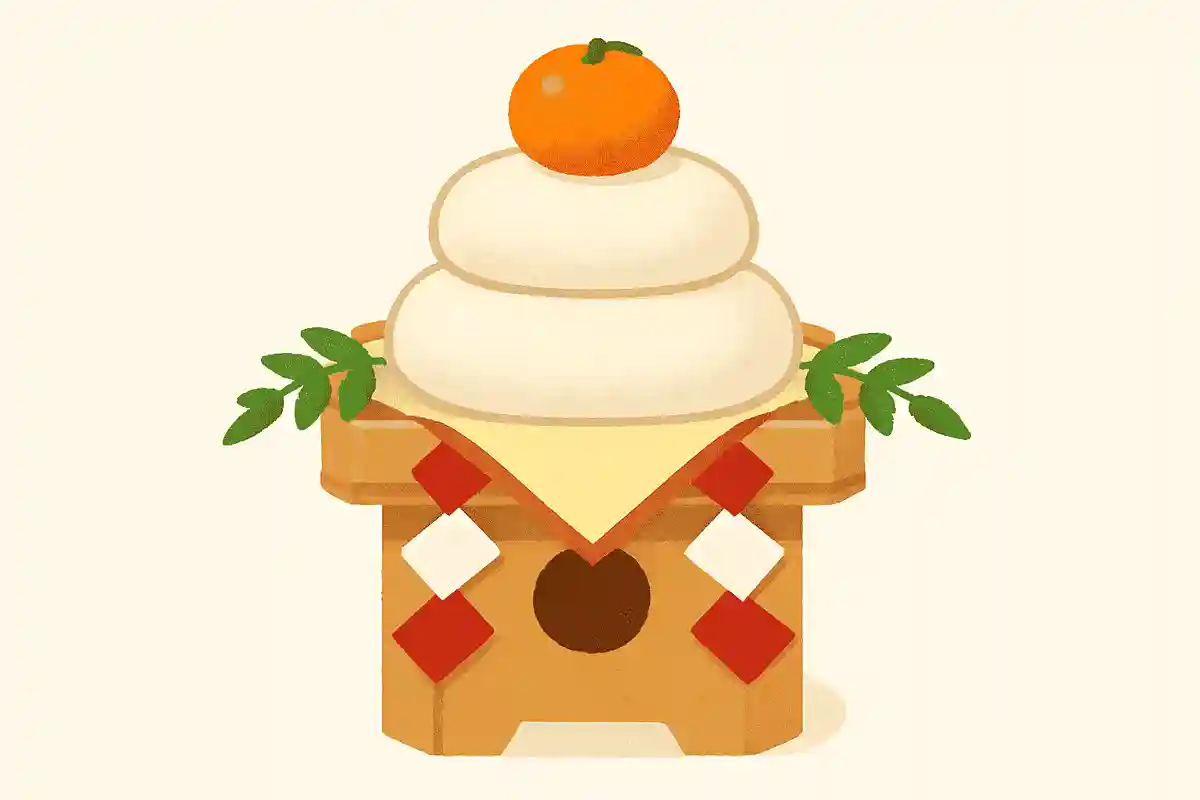
- tray table for serving a meal; individual dining tray (ozen)
- sanpō (a Japanese term meaning “three sides/directions”; also a traditional wooden offering stand used in Shinto/Buddhist rituals)
- household Shinto altar
See the answer
sanpō (a Japanese term meaning “three sides/directions”; also a traditional wooden offering stand used in Shinto/Buddhist rituals)
A sanpō is a stand used in traditional Japanese ceremonies and Shinto rituals, and during the New Year it is used to hold kagami mochi. It is a wooden, square-shaped stand characterized by openings on three of its sides, with the remaining side facing the altar. Offering kagami mochi on a sanpō to the deities expresses gratitude and wishes. It is an essential New Year decoration and an important item that conveys Japanese culture and customs.
When is “Gantan” (New Year’s Day)?

- all day on January 1
- January 1–3
- the morning of January 1
See the answer
the morning of January 1
The word “Gantan” refers to the morning of New Year’s Day and, strictly speaking, means the morning of January 1. It is often confused with “Ganjitsu” (New Year’s Day), but because the character “旦” in “Gantan” denotes morning, it originally refers not just to the date but to the morning hours. This reflects a Japanese custom that cherishes the special time of the morning on the first day of the new year, welcomed after staying up through New Year’s Eve.
What kind of noodles are good to eat for New Year’s?
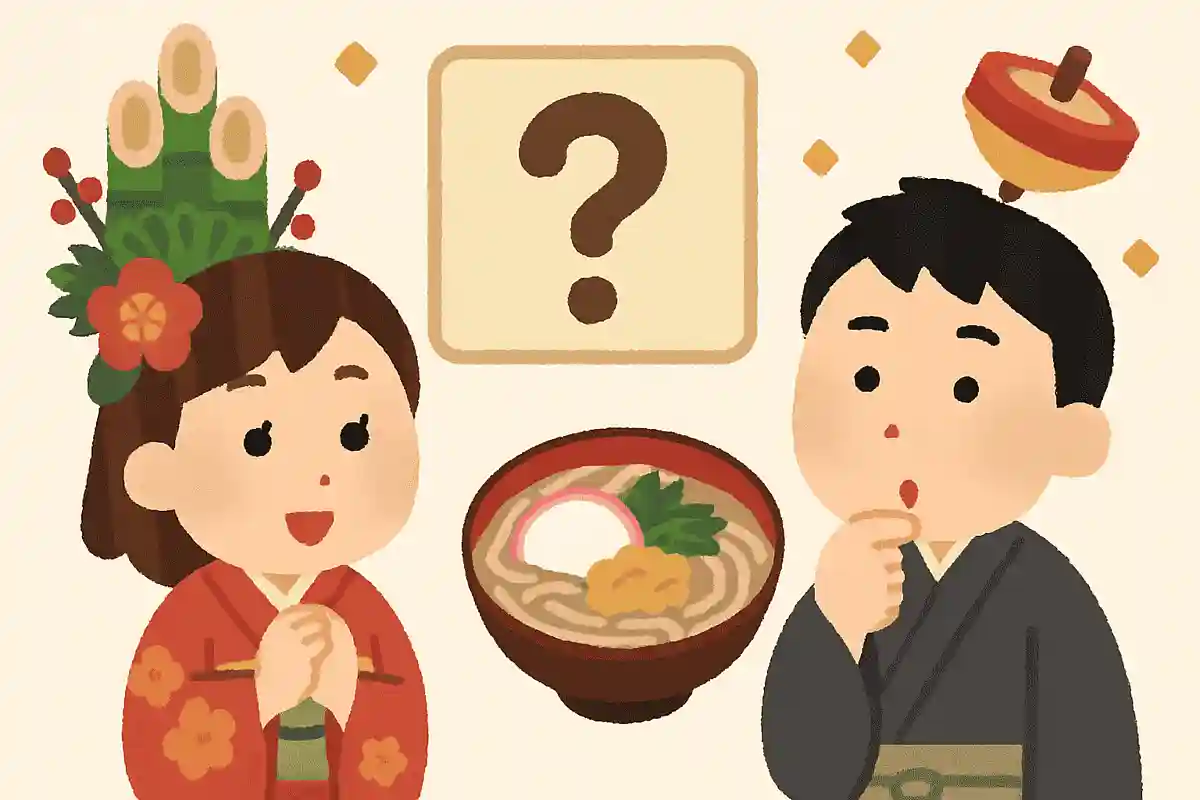
- udon
- soba
- ramen
See the answer
udon
The noodles considered good to eat during the New Year are udon. In some regions, there is a custom of eating udon for good luck alongside ozoni and osechi dishes. In places like Kagawa Prefecture, there is a tradition called “Toshiake Udon” (New Year’s Udon), where people eat white udon at the start of the year to pray for good fortune and longevity. It carries the meaning of wishing for a year free of illness and for the health of one’s family, making it a festive addition to the New Year’s table.
What do you call going around to various homes to offer New Year’s greetings?
- New Year’s courtesy visits
- New Year rounds
- New Year’s rounds
See the answer
New Year’s courtesy visits
“New Year’s visits” (toshikoshi/nen-shi mawari) is a traditional Japanese custom of going from house to house during the New Year to greet relatives, acquaintances, and colleagues. It is an important practice for expressing gratitude to those who have helped you and conveying your hopes for continued goodwill in the coming year, and it has been observed across Japan since long ago. This custom also plays a role in strengthening personal connections.
How many times is it okay to draw a fortune slip?
- one time
- three times
- As many times as you like
See the answer
As many times as you like
Omikuji are fortune-telling slips drawn at shrines and temples, and there’s basically no set limit on how many times you can draw one. Even if you don’t like the result you got the first time, drawing again isn’t considered rude. However, it’s generally recommended to avoid drawing repeatedly in quick succession for the sake of good manners. The idea that “you can draw omikuji as many times as you like” exists because there’s no official rule. What’s important is not to get too carried away by the result and to welcome the New Year with a positive mindset.