

So interesting you’ll want to tell someone! December Trivia & Fun Facts Special


Did you know that many traditional year-end and New Year events hide fascinating origins and meanings? From the significance behind the number of times the New Year’s Eve temple bell is struck, to the purpose of the big year-end house cleaning, and even the meaning of Christmas colors—December is full of intriguing trivia.
By learning the background of the year-end customs we usually perform without much thought, you can discover deeper meaning and charm in them.
In this article, we share fun, general-interest trivia and tidbits about December that will enrich your holiday season.
Feel free to use them as conversation starters with family and friends!
- [For Kids] December Trivia Quiz & Fun Facts! Learn about seasonal events and traditions!
- Fun facts you’ll want to share! A special feature on November trivia and tidbits
- A psychology test to try in December: have fun diagnosing everything from love to personality!
- [Year-end and New Year Parties] A look back at this year and a psychology test for the New Year
- A quiz of fun trivia: bite-sized knowledge that leads to new insights.
- Let's get excited with a New Year quiz! General questions about the Japanese New Year
- [Fun!] Quizzes to Liven Up a Christmas Party
- [For Kids] November Trivia Quiz & Fun Facts: Let’s Learn While Having Fun!
- Fun facts you’ll want to share! January trivia and tidbits special
- Useful right away in daily life! Surprising trivia and handy tips
- Fun facts about the Moon. A rapid-fire quiz!
- Trivia quiz with useful tips to know: fun facts that come in handy at school or at home [for kids]
- Fun facts you’ll want to share! A roundup of October trivia and tidbits
You’ll Want to Tell Someone! December Trivia & Fun Facts Special (1–10)
Daikon radishes, which are in season in winter, become sweeter and more succulent.

Thanks to advances in technology, most vegetables can be enjoyed year-round.
Even so, knowing what’s in season lets you enjoy them even more.
One vegetable that’s in season in winter is daikon.
During this time, it’s said to have a higher sugar content and a fresh, delicate sweetness.
Because the plant stores sugars to protect itself from the cold, it’s also a good idea to look for daikon grown in colder regions.
Pay close attention to factors like harvest timing, place of origin, and signs of freshness, and choose the daikon that will taste the best.

Black Santa punishes naughty children.

In Japan, when we think of Santa Claus, we picture an old man in a red suit.
But in Europe, something called the “Black Santa” is said to be well-known.
Unlike the red Santa Claus who gives presents, Black Santa punishes naughty children.
There are various theories about his appearance, but it seems common that he carries out punishments—delivering gifts children won’t like, hitting them, or even putting them in a sack and kidnapping them… Scary, isn’t it?

The “misoka” in New Year’s Eve refers to the last day of each month.
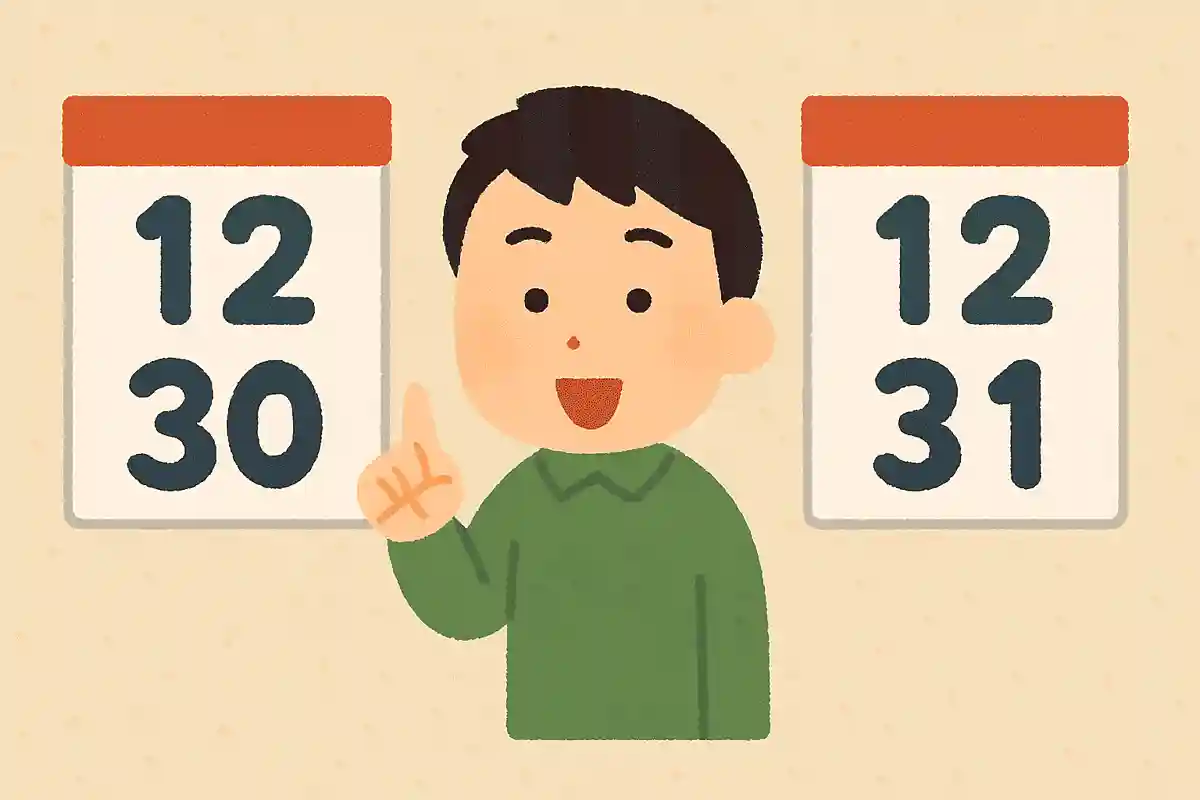
Misoka is read as “misoka” and, in the old lunar calendar, it refers to the last day of the month.
December 31 came to be called Ōmisoka (“Great Misoka”) because it is the final special day of the year.
As for why the last day is called misoka, it is said that in the past the 30th day used to be called “misoka.” The term is also related to the waxing and waning of the moon in the old calendar, and it is known by another name, “tsukigomori,” derived from “moon hiding.” Because, under the old calendar, the moon would be hidden around the 30th day, this character came to be used.
In the modern Gregorian calendar, since some months have 31 days, the last day of the month came to be called misoka.
Fun facts you'll want to share! December trivia & tidbits (11–20)
It is said that the “shi” in Shiwasu refers to Buddhist monks.
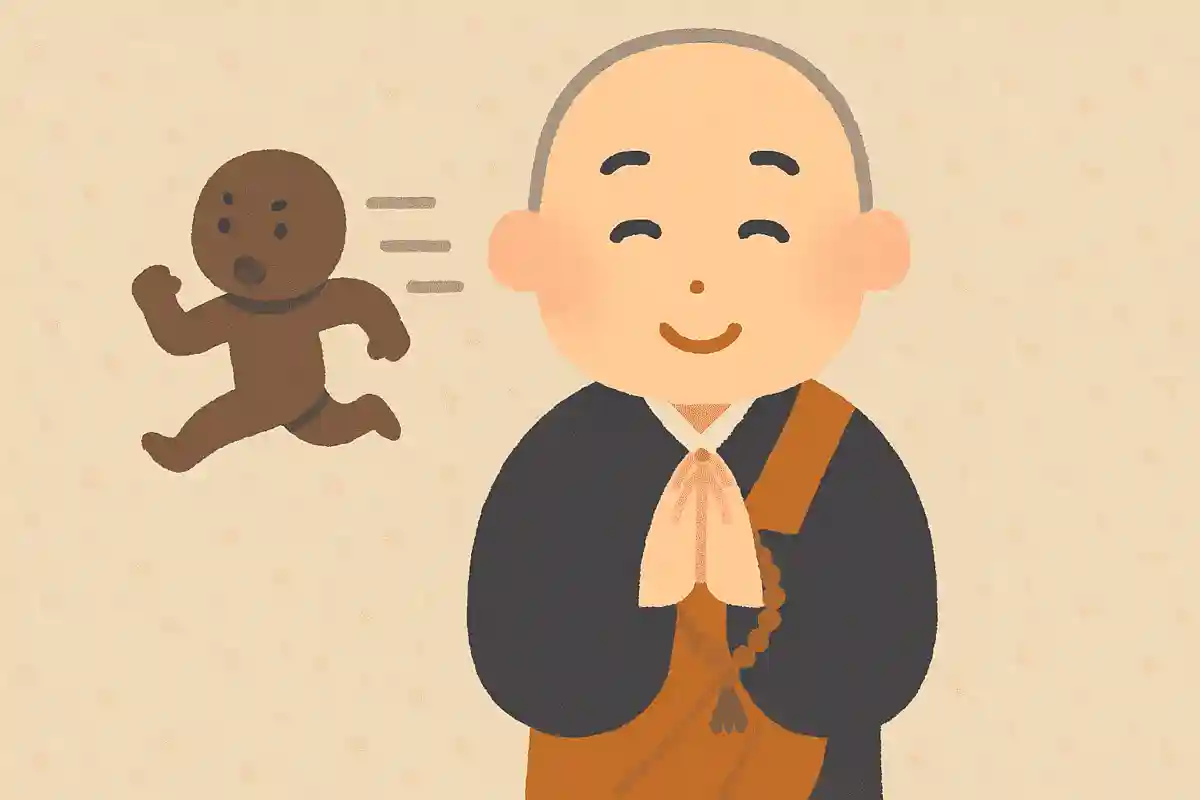
Shiwase is another name for December, and even from the kanji you can sense the busy preparations for the coming new year.
As for what the kanji 師 in Shiwase represents, there are various theories, but the prevailing view is that it refers to monks or Buddhist priests.
It’s said that the term arose from the image of December as a season when monks visit households to chant sutras and conduct Buddhist rites, becoming so busy with the increase in ceremonies that they hurry from place to place.
The fact that monks—who usually devote themselves to training within the temple—are running around outside also conveys just how hectic this time of year is.
For the winter solstice’s seven herbs, foods with two “n” sounds are chosen.
The winter solstice, which arrives in December and marks the shortest day of the year, can also be seen as a time when we truly feel the severity of winter.
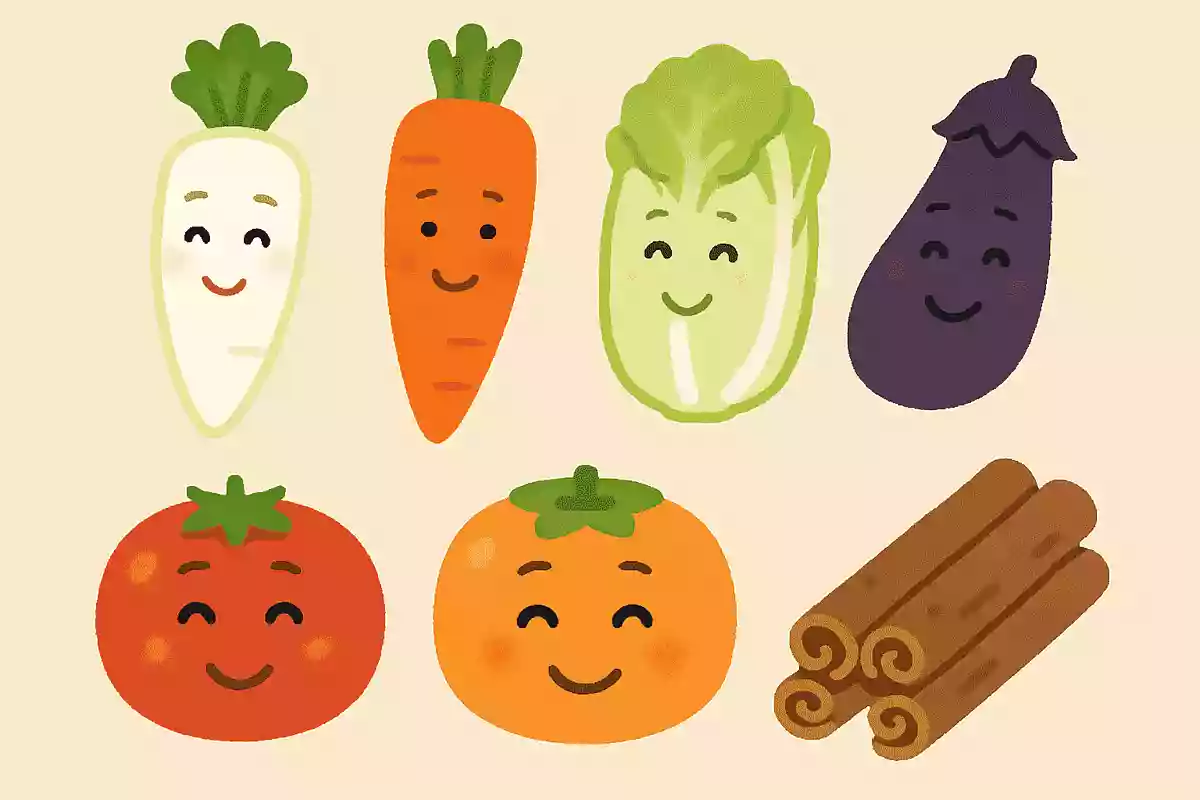
On this day, there is a traditional set of seven auspicious foods to eat, each containing two instances of the “n” sound in Japanese.
These seven are nankin (pumpkin), ninjin (carrot), renkon (lotus root), ginnan (ginkgo nuts), kinkan (kumquat), kanten (agar), and undon (udon).
They are said to help prevent colds and support career advancement.
The “n” sound is associated with the word for “luck” (un), which is believed to bring good fortune.
So try incorporating them into your daily meals to attract good luck.
Bathing on New Year’s Eve is called “Toshi-no-yu” (the year’s bath).

At the end of the year, it feels good to soak in a warm bath and welcome the New Year feeling refreshed, doesn’t it? “Toshi no yu” refers to bathing on New Year’s Eve, a custom that has been passed down in Japan since long ago.
The idea is to bathe on New Year’s Eve to wash away the year’s impurities and greet the new year with a clear, refreshed mind.
Traditions surrounding toshi no yu vary by region: some people take a yuzu bath to ward off evil spirits and pray for good health, while in other areas people make offerings at the household Shinto altar before bathing.
On New Year’s Eve, it’s nice to take your time in the bath, refresh yourself, and welcome the year ahead.

The New Year’s housecleaning is a Shinto rite, and its purpose is the ‘soot sweeping.’
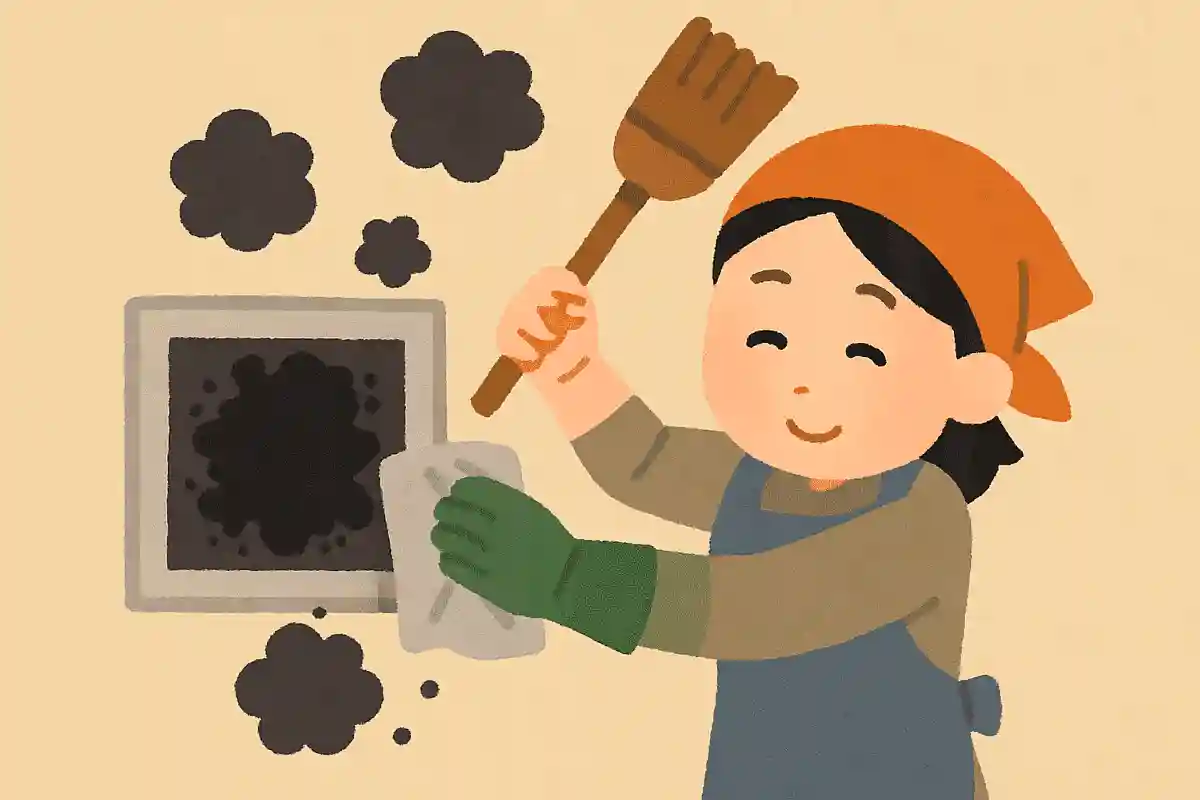
At the end of the year, many people do a thorough house cleaning so they can welcome the New Year with their homes in good condition.
Although it’s often thought of as an expanded version of ordinary housework, this major cleanup is actually a Shinto ritual, imbued with the meaning of preparing to welcome the gods.
It is said to have begun in the Heian period, originating from the soot-sweeping ceremony held at the imperial court to receive Toshigami, the deity of the New Year.
If we shift our focus from simply wanting to greet the New Year comfortably to the original purpose of avoiding discourtesy to the gods, our approach to this year-end cleaning may change as well.