



Did you know that many traditional year-end and New Year events hide fascinating origins and meanings? From the significance behind the number of times the New Year’s Eve temple bell is struck, to the purpose of the big year-end house cleaning, and even the meaning of Christmas colors—December is full of intriguing trivia.
By learning the background of the year-end customs we usually perform without much thought, you can discover deeper meaning and charm in them.
In this article, we share fun, general-interest trivia and tidbits about December that will enrich your holiday season.
Feel free to use them as conversation starters with family and friends!
- [For Kids] December Trivia Quiz & Fun Facts! Learn about seasonal events and traditions!
- Fun facts you’ll want to share! A special feature on November trivia and tidbits
- A psychology test to try in December: have fun diagnosing everything from love to personality!
- [Year-end and New Year Parties] A look back at this year and a psychology test for the New Year
- A quiz of fun trivia: bite-sized knowledge that leads to new insights.
- Let's get excited with a New Year quiz! General questions about the Japanese New Year
- [Fun!] Quizzes to Liven Up a Christmas Party
- [For Kids] November Trivia Quiz & Fun Facts: Let’s Learn While Having Fun!
- Fun facts you’ll want to share! January trivia and tidbits special
- Useful right away in daily life! Surprising trivia and handy tips
- Fun facts about the Moon. A rapid-fire quiz!
- Trivia quiz with useful tips to know: fun facts that come in handy at school or at home [for kids]
- Fun facts you’ll want to share! A roundup of October trivia and tidbits
You’ll Want to Tell Someone! December Trivia & Fun Facts Special (1–10)
All of Santa’s reindeer have names.
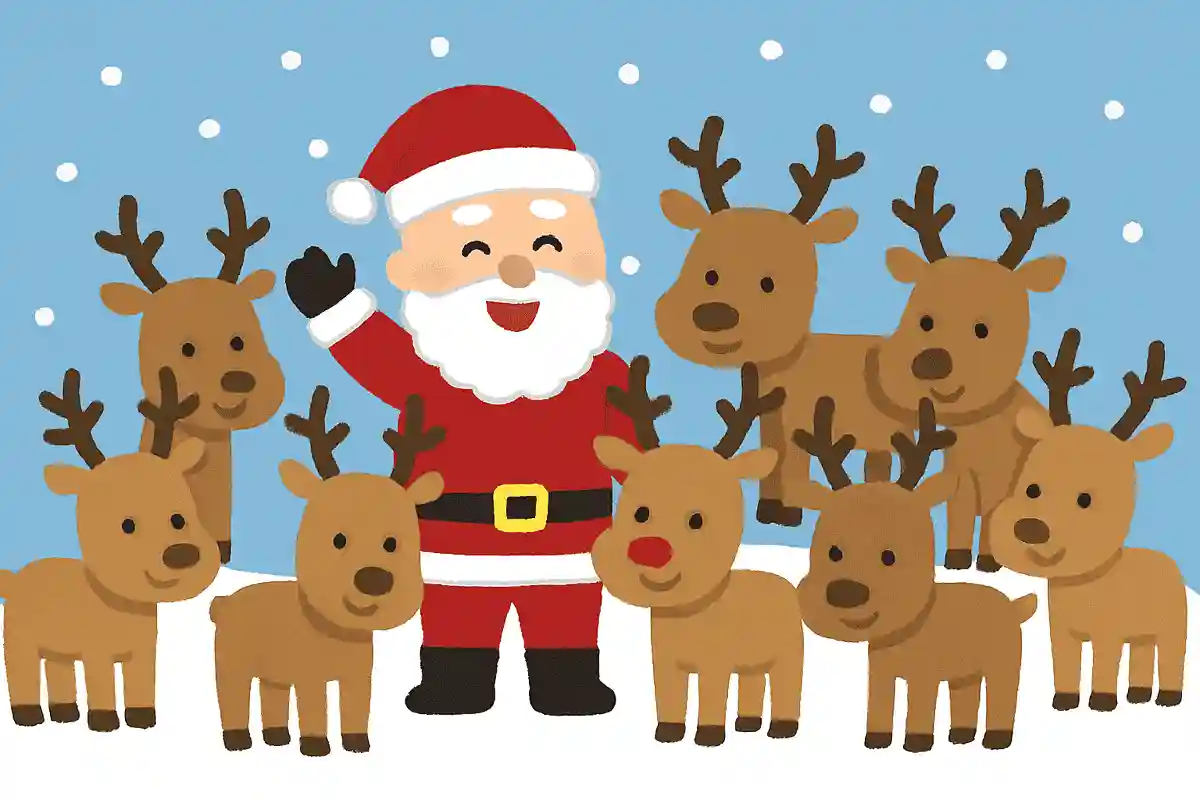
Santa Claus comes riding in a sleigh, which is pulled by reindeer.
In fact, each of Santa’s reindeer has a name.
It’s said there are eight reindeer, with names like Dasher, Dancer, and Prancer.
These names are thought to originate from the 1823 poem “A Visit from St.
Nicholas,” first published in an American newspaper.
The famous red-nosed Rudolph was created in 1938, so he does not appear in that poem.

The tree used for Christmas trees is the fir tree.
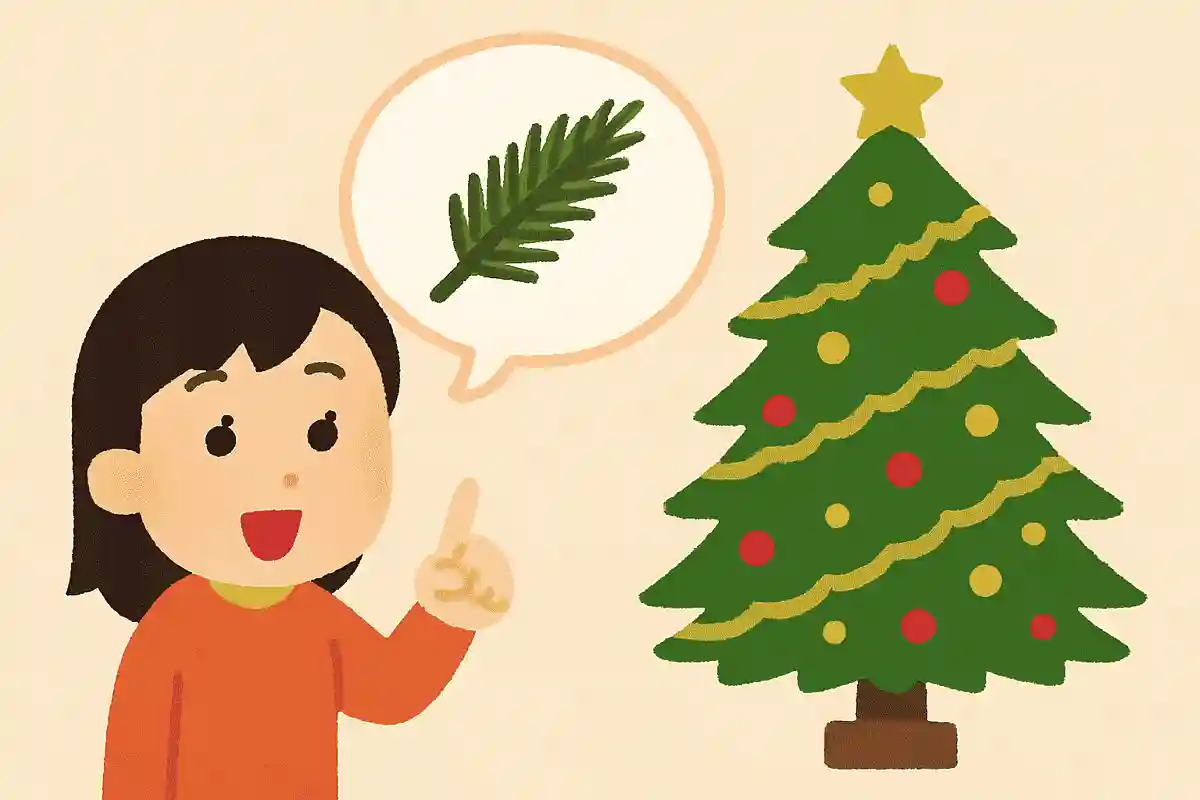
When it comes to Christmas trees, you probably picture a fir tree with sharp, needle-like leaves.
Do you know why fir trees are used for Christmas trees? There are several theories, but a leading one is that trees symbolize vitality, and among them, conifers remain green even in winter, conveying a sense of strength.
Come to think of it, green is the standard color for Christmas trees.
Considering that winter is a season when plants wither, it does feel a bit curious, doesn’t it?
Each Christmas color—red, white, and green—has its own meaning.
Christmas is an event when towns overflow with decorations, starting with Christmas trees, and the classic colors are the Christmas trio of red, white, and green.
Each of these colors carries its own meaning, and knowing them may deepen your feelings toward the holiday.
Red represents God’s love and generosity, white stands for purity and peace, and green symbolizes vibrant life; combined, they express powerful wishes.
Gold, which conveys meanings of light and kingship, is also sometimes treated as a Christmas color, so as you decorate festively, consider which wish you’d like to emphasize.

December 23 is no longer a national holiday because there was an imperial succession.
December is when preparations for the coming year really ramp up, and the fact that it’s a month without any public holidays seems to make it feel even busier.
In the past, December 23 used to be a holiday, but it disappeared at some point.
The reason is that when the era name changed from Heisei to Reiwa, the Emperor’s Birthday—which had been on December 23 during the Heisei era—was moved to February 23 with the imperial succession.
Since it had been a holiday for a long time, there may still be quite a few people who assume that day is a holiday.
Fujiya was the first to sell Christmas cakes in Japan.
At Fujiya, Christmas cakes have been sold since 1910 (Meiji 43).
The shop was located in Motomachi at the time, and it’s said they learned how to make them from foreign chefs visiting Yokohama.
When we think of Christmas cakes, we often picture ones with fresh cream, but back then they didn’t use it; instead, they were sweet fruitcakes made with dried fruits and liqueur.
At first, Western-style sweets weren’t part of people’s habits, so they didn’t sell very well.
However, after the war—helped by the spread of refrigerators—buying a cake for Christmas gradually became the norm.
In the United Kingdom, Santa Claus is called “Father Christmas.”
Santa Claus, the very symbol of Christmas, is loved in many countries around the world as the person who brings gifts to children.
Did you know that in the UK, Santa Claus is also called “Father Christmas”? A major reason is that they have different origins: while Santa Claus traces back to Saint Nicholas, a Christian saint, Father Christmas in the UK originates from a fairy associated with celebrating the sun’s rebirth and the arrival of spring in Celtic tradition.
Even the clothing differs—instead of Santa’s red and white, Father Christmas traditionally wore green—so you can see from these details that they are distinct figures.
It is said to be good to eat pumpkin on the winter solstice.
There are broadly three reasons why people began eating kabocha (Japanese pumpkin) on the winter solstice.
First, its high nutritional value.
Second, its round shape evokes the sun, and eating it expresses the wish for the days to grow longer after the solstice and the idea of taking in the sun’s energy.
Third, kabocha is also called “nankin,” which contains two instances of the syllable “n,” making it particularly auspicious.
In addition to kabocha, there was also a custom of eating foods whose names contain “n,” collectively called the “Seven Winter Solstice Foods,” such as ninjin (carrot), renkon (lotus root), ginnan (ginkgo nuts), kinkan (kumquats), kanten (agar), and udon.
