

So interesting you’ll want to tell someone! December Trivia & Fun Facts Special


Did you know that many traditional year-end and New Year events hide fascinating origins and meanings? From the significance behind the number of times the New Year’s Eve temple bell is struck, to the purpose of the big year-end house cleaning, and even the meaning of Christmas colors—December is full of intriguing trivia.
By learning the background of the year-end customs we usually perform without much thought, you can discover deeper meaning and charm in them.
In this article, we share fun, general-interest trivia and tidbits about December that will enrich your holiday season.
Feel free to use them as conversation starters with family and friends!
- [For Kids] December Trivia Quiz & Fun Facts! Learn about seasonal events and traditions!
- Fun facts you’ll want to share! A special feature on November trivia and tidbits
- A psychology test to try in December: have fun diagnosing everything from love to personality!
- [Year-end and New Year Parties] A look back at this year and a psychology test for the New Year
- A quiz of fun trivia: bite-sized knowledge that leads to new insights.
- Let's get excited with a New Year quiz! General questions about the Japanese New Year
- [Fun!] Quizzes to Liven Up a Christmas Party
- [For Kids] November Trivia Quiz & Fun Facts: Let’s Learn While Having Fun!
- Fun facts you’ll want to share! January trivia and tidbits special
- Useful right away in daily life! Surprising trivia and handy tips
- Fun facts about the Moon. A rapid-fire quiz!
- Trivia quiz with useful tips to know: fun facts that come in handy at school or at home [for kids]
- Fun facts you’ll want to share! A roundup of October trivia and tidbits
Fun facts you'll want to share! December trivia & tidbits (11–20)
Ringing the New Year’s Eve bell 108 times is to eliminate all of human earthly desires.
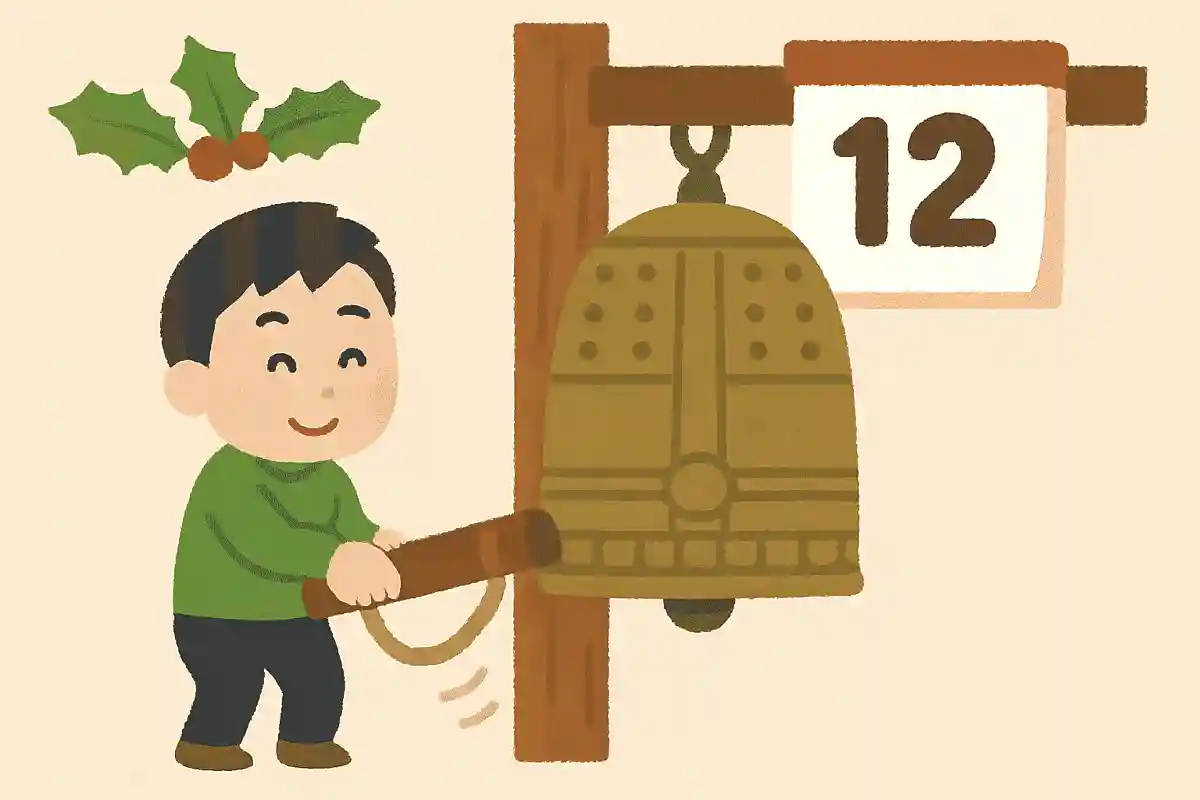
On New Year’s Eve night, many people have likely heard the New Year’s bell rung around midnight.
It’s said that this tradition began in the Heian period.
While monks at temples usually strike the bell, there are also temples where members of the public can take part.
In Buddhism, it’s believed there are 108 fundamental sources of the feelings and desires we experience in daily life.
Each strike of the bell on New Year’s Eve is said to dispel one worldly desire.
This custom of ringing the New Year’s bell exists not only in Japan but also in Korea and China.
Let’s listen to the bell and welcome the new year with a fresh, clear mind.

Staying up late on New Year’s Eve is allowed to welcome the Toshigami (New Year deity).
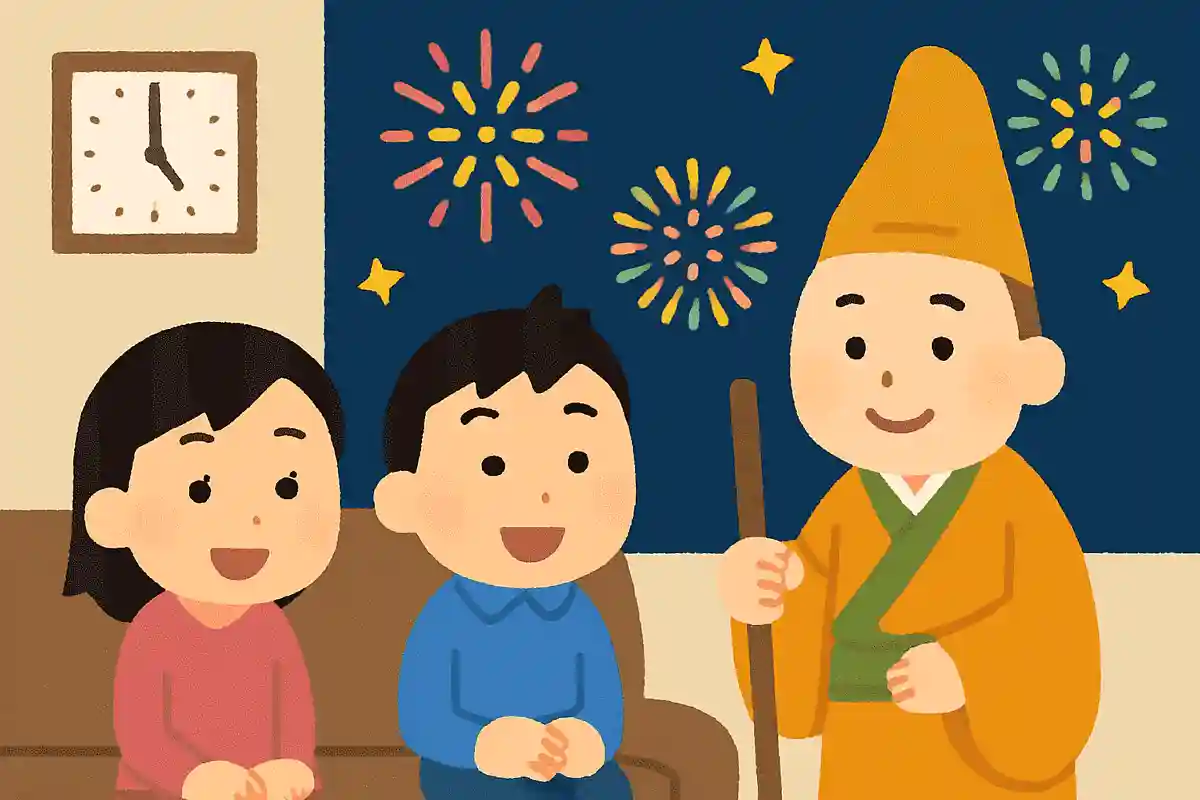
As a New Year’s Eve memory, many people probably remember being allowed to stay up later than usual.
A leading explanation is that it was to welcome the Toshigami (the New Year deity), and going to bed early on this day alone was thought to be disrespectful to the deity.
Today, midnight marks the change of date and is quite late, but in the past, sunset was considered the boundary between days, so even “staying up late” might have meant going to bed earlier than we do now.
Even if you usually just stay up without thinking much about it, knowing this reason might help you welcome the New Year with an even happier feeling.

In the Edo period, snowmen were shaped like Daruma figures.
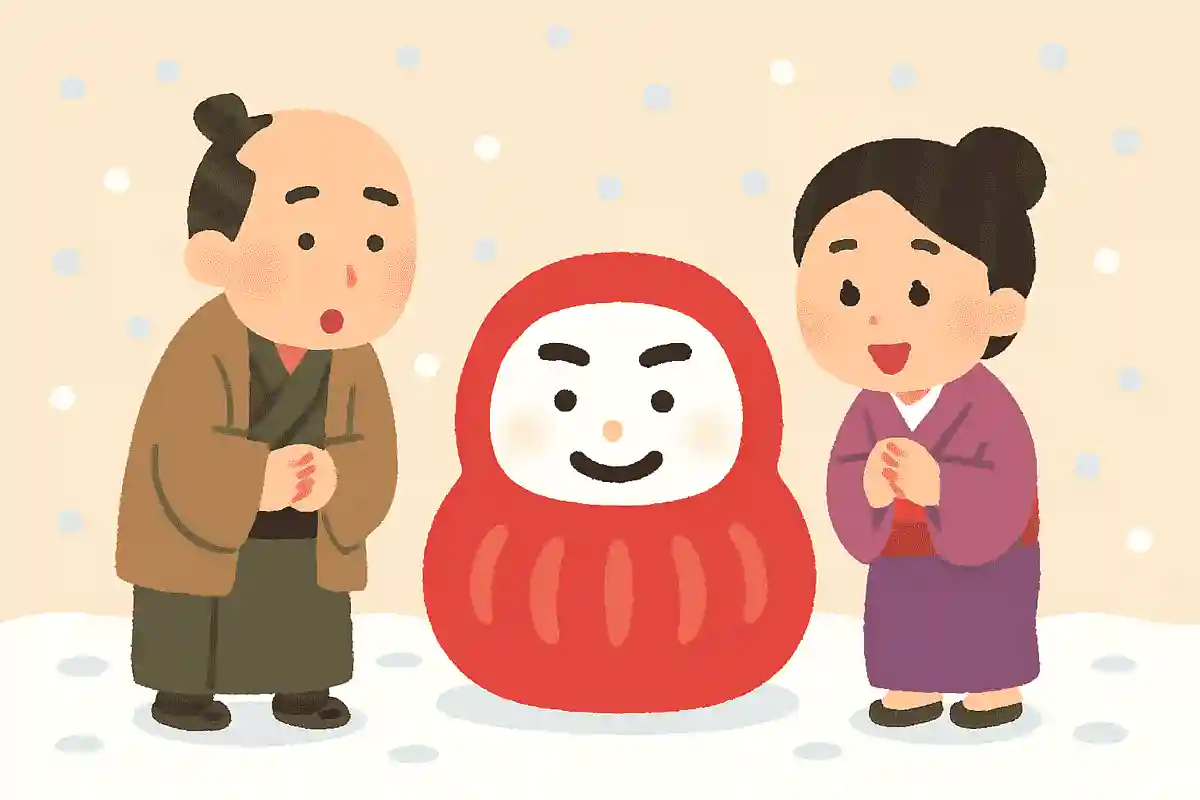
During the mid-Edo period, the roly-poly toy, which came from China, became popular.
This roly-poly evolved into the limbless Daruma shape and spread as a children’s toy.
It’s believed that children imitated the familiar Daruma to make snowmen.
Unlike modern snowmen assembled from multiple parts, Edo-period snowmen were represented as a single round mass, and it’s said that offerings such as fish and green onions were sometimes placed before them.
In the Edo period, snowmen were often appreciated for viewing and treated as good-luck charms.
The taste of oden differs between the Kanto and Kansai regions.
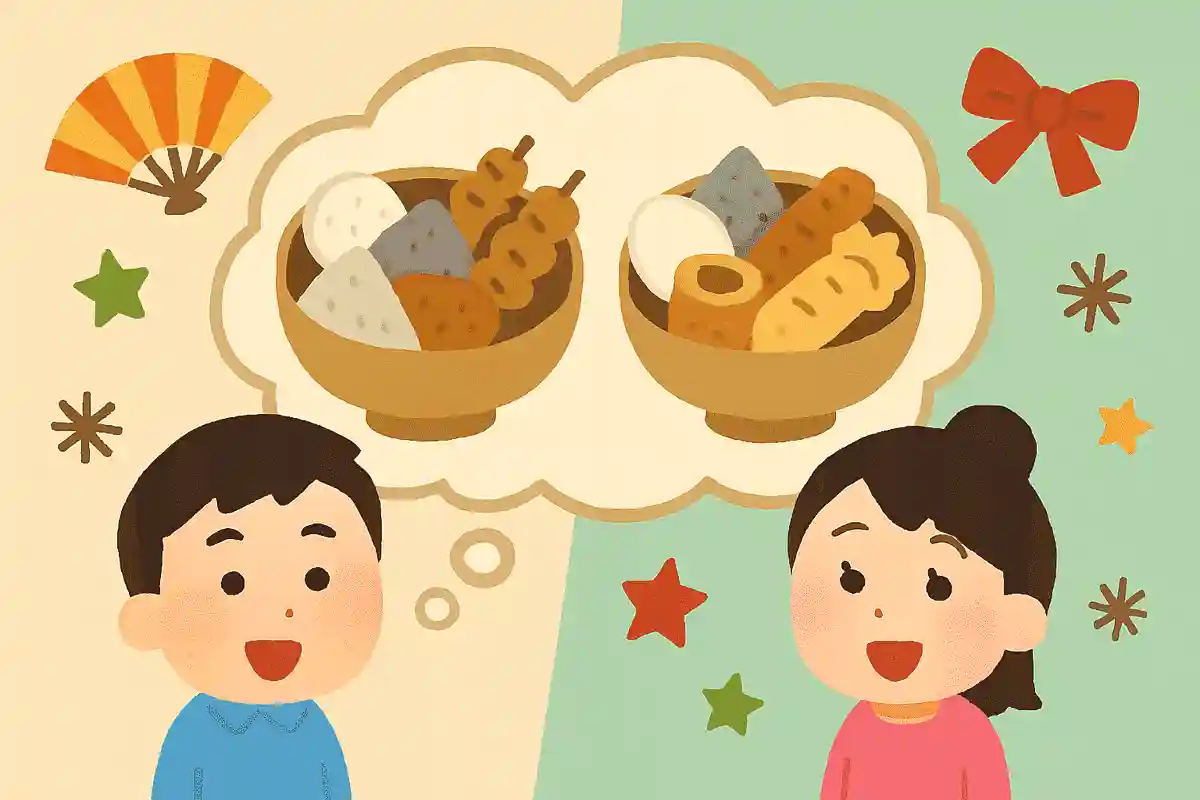
Oden, a classic winter dish, is beloved nationwide in Japan, but it’s often said that Kanto and Kansai have their differences.
While both share a dashi base made from bonito and kelp, Kanto typically uses broth seasoned with mirin and sake plus dark soy sauce, whereas Kansai uses broth seasoned with salt and light soy sauce—this is the biggest distinction.
The simmering method is also said to differ, and Kansai’s version is generally considered lighter in flavor compared to Kanto’s.
The ingredients used can vary as well, so it’s also recommended to look beyond just Kanto and Kansai and find the style of oden that suits you best.
In the old lunar calendar, December is called “Shiwasu.”

The alternative names for each month, also called the traditional Japanese month names (wafū getsumei), have ancient origins and are mentioned in Japan’s oldest chronicle, the Nihon Shoki.
When December is expressed using these traditional names, it is called Shiwasu; even the characters themselves convey the sense of bustle as the new year approaches.
While Shiwasu is the standard, there are also names like Gokugetsu and Harumachizuki, all of which evoke the severe cold of winter and the period of moving toward the New Year.
It’s also worth noting that these names were used in the old lunar calendar; let’s consider what time of year they correspond to in the present day.
It is said that the custom of everyone sharing a hot pot began with a dish called “shippoku.”
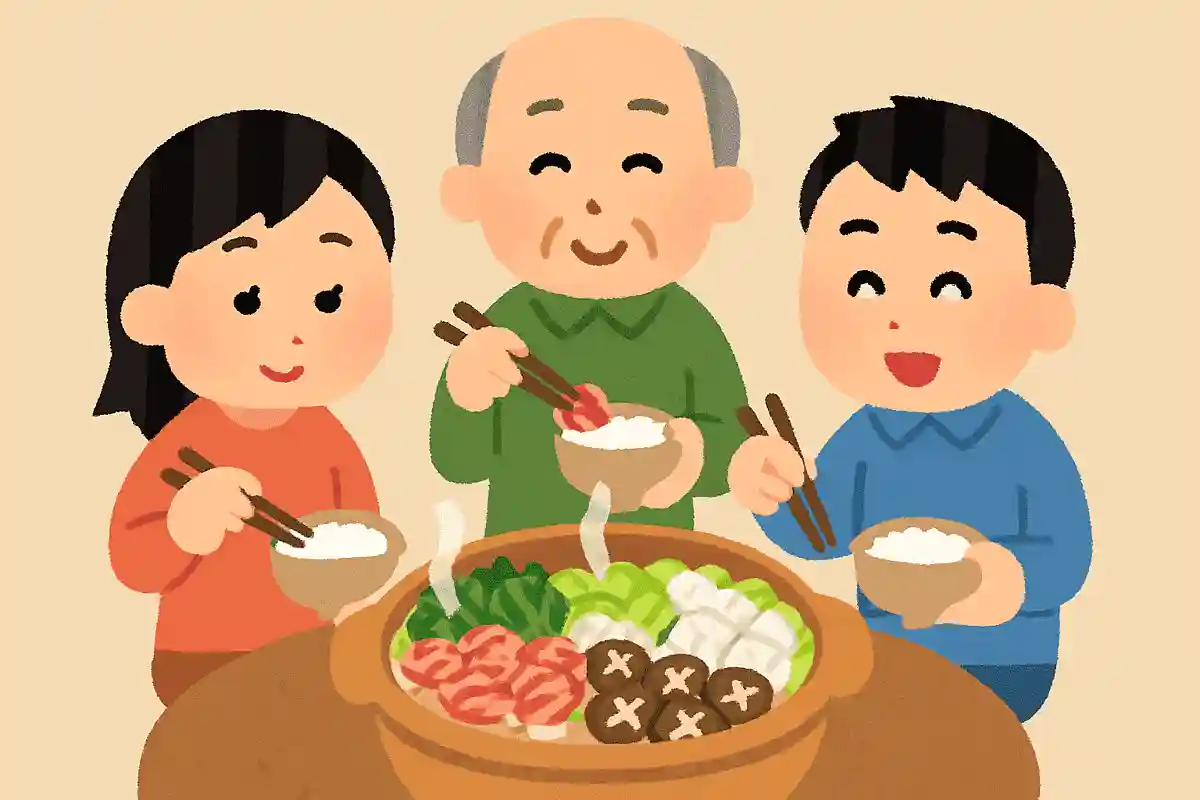
When it comes to classic winter dishes, hot pot is a staple—not only for its variety of flavors, but also for the fun of everyone gathering around the table.
It’s said that this style of sharing a single pot originates from shippoku cuisine, a traditional Nagasaki fare introduced from China.
In shippoku, dishes are laid out on a large round table for everyone to share, and from there the practice of taking food from a single platter or pot spread.
It’s also recommended to learn about the history—how hot pot evolved from individual small pots to today’s communal style.
Fun facts you’ll want to share! December trivia & tidbits (21–30)
In Australia, Santa’s partner is a kangaroo.

Because Christmas in Australia falls in the height of summer, reindeer—strongly associated with snowy imagery—don’t quite fit the hot climate, so kangaroos often take their place as Santa’s partners.
Santa is sometimes depicted delivering presents on sandy beaches, a hallmark of the Southern Hemisphere’s unique Christmas culture.
This custom shows how celebrations around the world adapt to local climates and traditions, and it offers a window into how Christmas is observed abroad.
It’s a fun bit of trivia that conjures the image of Santa alongside kangaroos.
