

So interesting you’ll want to tell someone! December Trivia & Fun Facts Special


Did you know that many traditional year-end and New Year events hide fascinating origins and meanings? From the significance behind the number of times the New Year’s Eve temple bell is struck, to the purpose of the big year-end house cleaning, and even the meaning of Christmas colors—December is full of intriguing trivia.
By learning the background of the year-end customs we usually perform without much thought, you can discover deeper meaning and charm in them.
In this article, we share fun, general-interest trivia and tidbits about December that will enrich your holiday season.
Feel free to use them as conversation starters with family and friends!
- [For Kids] December Trivia Quiz & Fun Facts! Learn about seasonal events and traditions!
- Fun facts you’ll want to share! A special feature on November trivia and tidbits
- A psychology test to try in December: have fun diagnosing everything from love to personality!
- [Year-end and New Year Parties] A look back at this year and a psychology test for the New Year
- A quiz of fun trivia: bite-sized knowledge that leads to new insights.
- Let's get excited with a New Year quiz! General questions about the Japanese New Year
- [Fun!] Quizzes to Liven Up a Christmas Party
- [For Kids] November Trivia Quiz & Fun Facts: Let’s Learn While Having Fun!
- Fun facts you’ll want to share! January trivia and tidbits special
- [Part 2] Recommended Indoor Activities and Recreation Games for December
- Useful right away in daily life! Surprising trivia and handy tips
- Fun facts about the Moon. A rapid-fire quiz!
- Trivia quiz with useful tips to know: fun facts that come in handy at school or at home [for kids]
Fun facts you’ll want to share! December trivia & tidbits (21–30)
The custom of eating toshikoshi soba began in the Edo period.
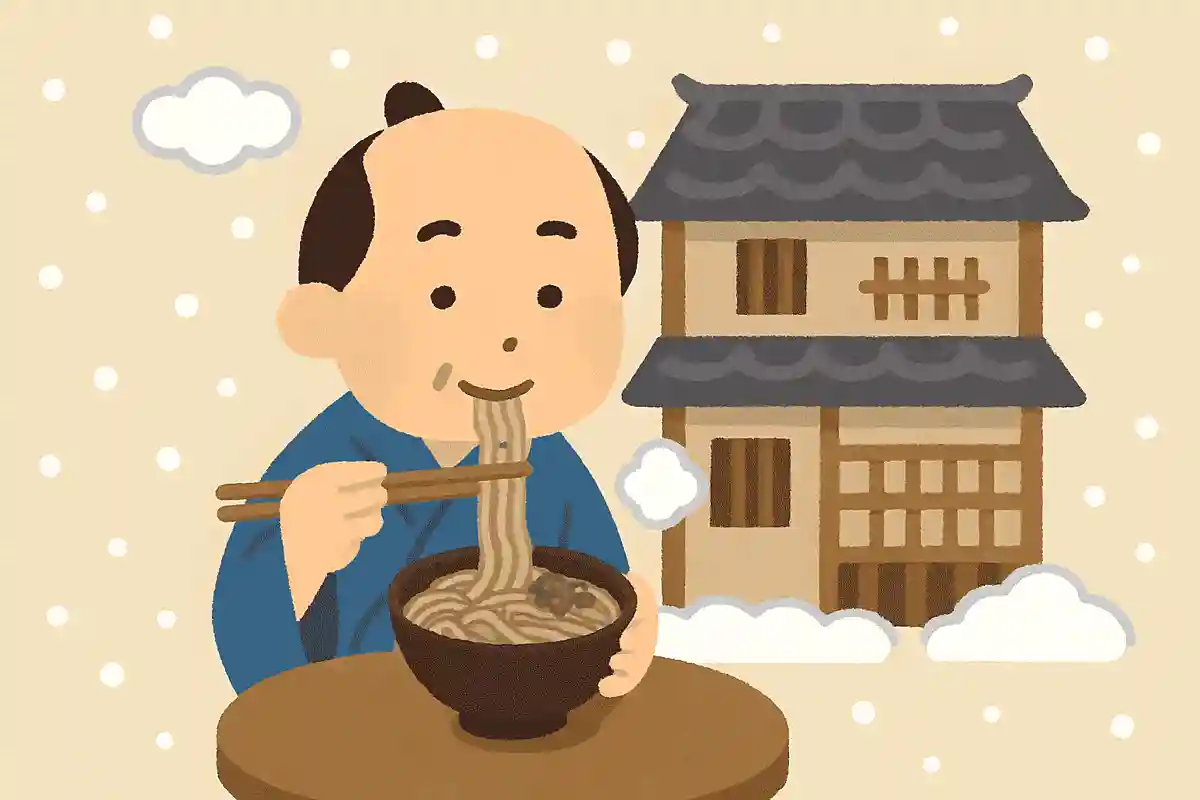
If you don’t have any allergies, I imagine many of you eat soba to ring in the New Year.
Toshikoshi soba is said to ward off bad luck and pray for longevity.
In fact, this tradition dates back to the Edo period.
These days, I feel like you see udon more often than soba, but in the mid-Edo period, soba was actually more common.
The custom began when Edo-period merchants celebrated the end of the month’s work by eating soba, and from there it became something people also ate on New Year’s Eve.

In the Edo period, people did a celebratory toss after the big year-end cleaning.
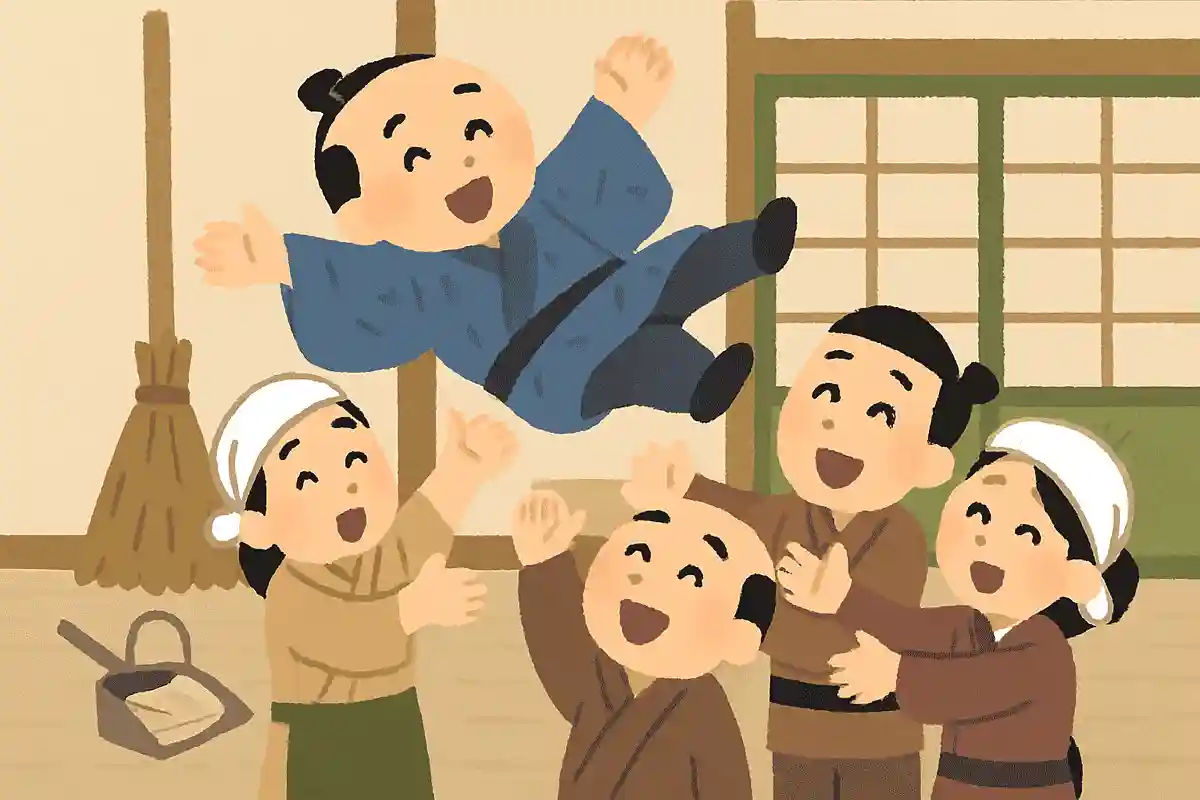
Year-end housecleaning was originally a sacred ritual called “susuharai,” meant to welcome the gods.
In the Edo period, it’s said that after the cleaning was finished, people would perform a celebratory tossing (do-age) to honor the workers.
Especially in samurai residences and merchant houses, tossing those who supported the household throughout the year was thought to sweep away even the dust on their hearts.
Today, the custom has shifted into year-end parties and toasts, but the spirit of appreciating others and sharing laughter with companions remains unchanged.
It’s a bit of Japanese trivia that reminds us of human warmth.

The New Year’s Eve bell-ringing tradition began in China.
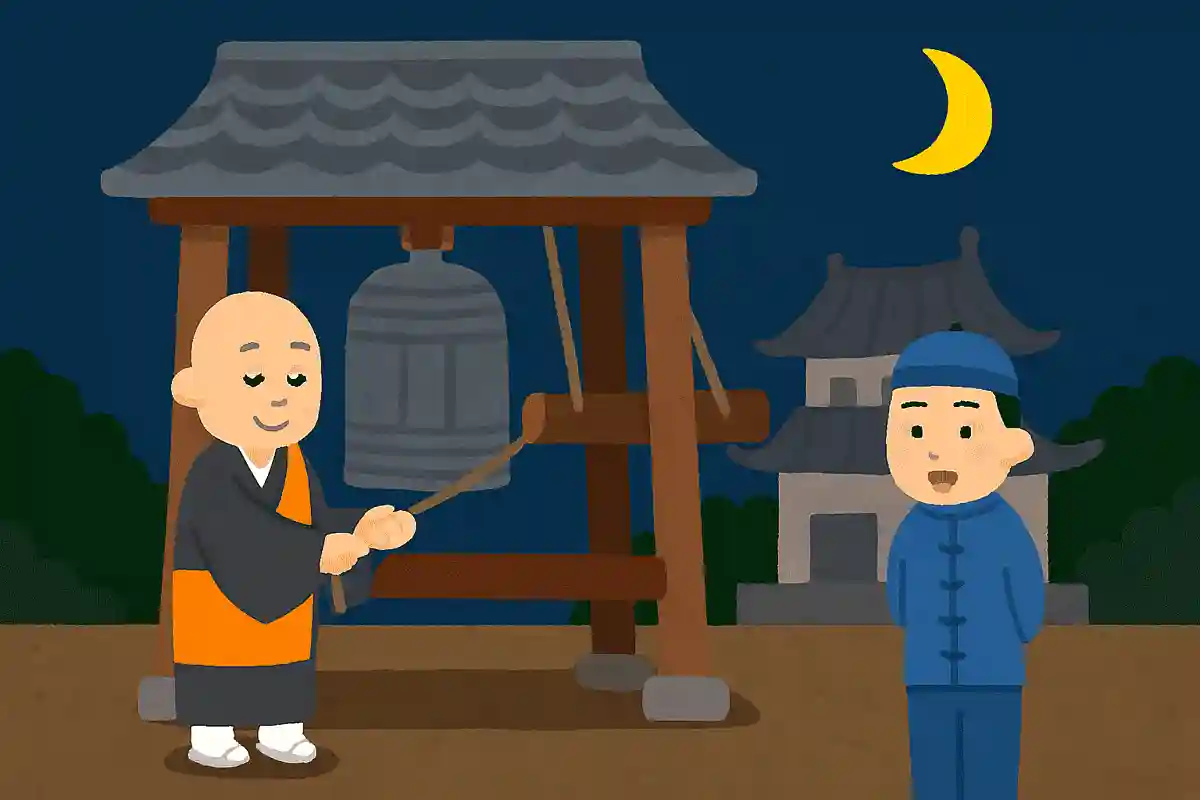
The Joya-no-Kane bell, indispensable on New Year’s Eve in Japan, is actually said to have originated in China.
In ancient times, as a Zen Buddhist observance, it was imbued with the meaning of dispelling worldly desires amid the quiet of the night, and it was introduced to Japan in the Kamakura period.
There is a theory that the 108 strikes represent the number of human desires, but originally it was a ritual to calm the mind and welcome the new year in purity.
It warms the heart to know that a culture of prayer from a distant land took root in Japan and continues to this day.
A bit of trivia passed down across time.
The custom of eating chicken at Christmas originated in Japan.
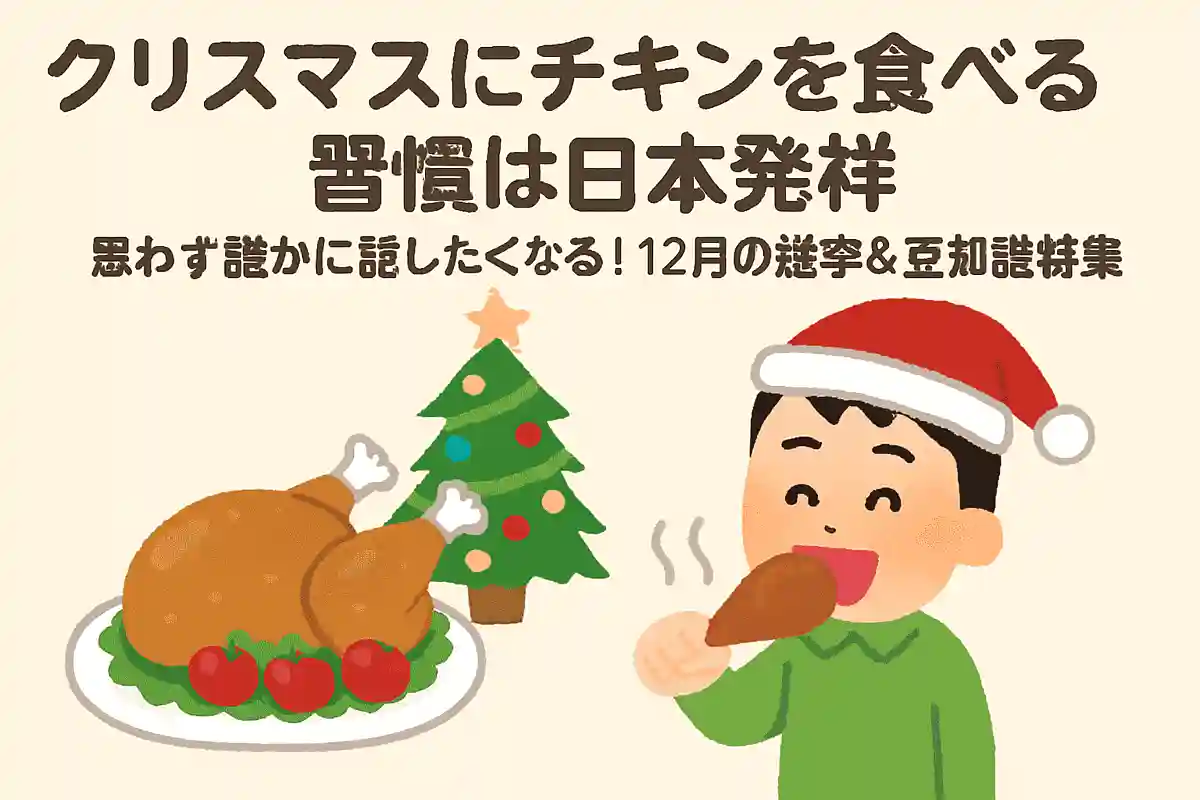
When you hear about eating chicken at Christmas, you might think it originated in America—but in the West, the standard is to eat turkey.
However, turkey used to be difficult to obtain in Japan.
After broiler chickens were introduced following the war, chicken became readily available, and roast chicken began to be eaten as a substitute for turkey.
Then in 1974, when KFC promoted the slogan “Fried chicken for Christmas,” it is said to have established the custom of eating fried chicken at Christmas in Japan.
Year-end parties began in the Kamakura period.
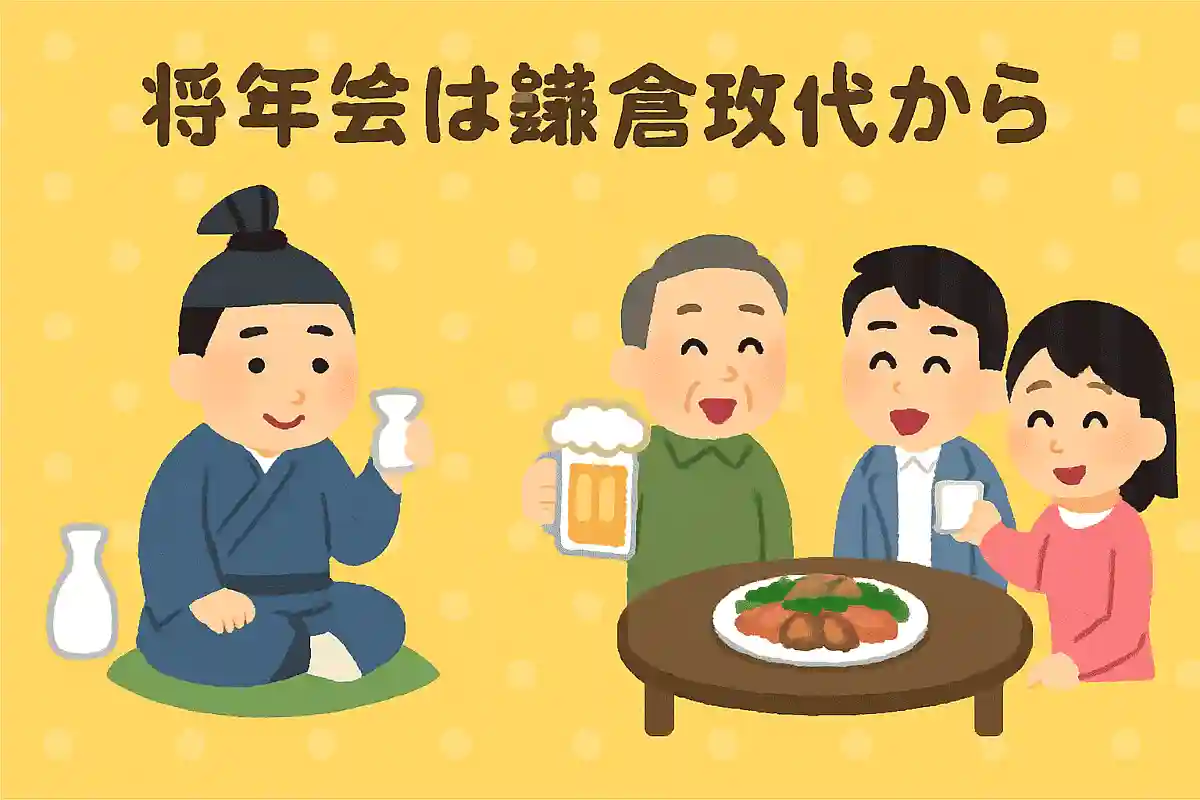
In modern times, bōnenkai—year-end parties—are an indispensable way to wrap up the year, but their origins are said to date back to the Kamakura period.
Back then they were called “toshigoshi” or “toshiforgetting,” and served as gatherings where people who had endured a harsh year exchanged poetry and comforted one another.
Amid ongoing wars and political tensions, having time for people to spend together with smiles was the greatest balm.
These gatherings eventually spread among commoners in the Edo period and evolved into the banquet-style events we see today.
It’s a heartwarming piece of trivia that conveys human bonds across the ages.
In conclusion
December, the month that concludes the year, is rich with a variety of enjoyable events and traditions passed down through generations.
By learning trivia and fun facts about the year-end and New Year season, you can appreciate each event and custom more deeply.
With this knowledge in mind, let’s prepare to welcome the new year with warmth in our hearts.