

[Can You Guess?] A Collection of Difficult Prompts for the Gesture Game

A gesture game where you communicate only with body movements and others guess what you’re expressing—without using words.
It’s an easy game that kids and adults alike can enjoy, so it’s often used in everyday play and recreational activities.
Still, some of you might be looking for fresh ideas because the prompts are getting stale.
In this article, we’ll introduce challenging prompts for gesture games.
We’ve gathered not only prompts that represent people or objects, but also higher-difficulty ones that express actions.
Use this as a reference and enjoy your gesture game even more!
- Collection of gesture game ideas and prompts
- A collection of challenging quizzes for adults [Difficult]
- [Recommended for Seniors] Simple and Fun Gesture Game Prompts
- Challenge together! A roundup of word games for adults
- [For Adults] Fun recreational games. Perfect for short breaks too!
- [Challenging and Fun!] Quizzes & Riddles for Adults
- Fun activities that liven up the office: recreation games
- Intro quiz ideas and theme roundup
- [For Adults] Fun Hand-Clapping Games: A Curated Selection of Ideas Great for Brain Training Too!
- Team-based recreational activities for adults that are fun even with large groups
- [Trick Quiz] Quiz Questions That Excite Everyone from Kids to Adults
- Games and activities everyone can enjoy together. A collection of fun play ideas.
- A collection of gesture-game prompts for elementary school kids: fun ideas to liven up class parties and children's gatherings.
Action System (1–10)
loach scooping

Dojo-sukui is a traditional dance performed with choreography set to the folk song “Yasugi-bushi” from Yasugi City in Shimane Prefecture.
As the name suggests, it reenacts the motion of scooping up loaches with a basket, and is characterized by a comical atmosphere, including its posture.
The striking look—such as the nose piece made from an old one-mon coin or inserting a short chopstick into the nose—also leaves a strong impression, so be sure to convey these adornments clearly through facial expression.
Since it’s an act performed to music, rhythmic and comical movements that align with the tune are essential to this prompt.

acute lower back strain (commonly called a “thrown-out back” or lumbago)
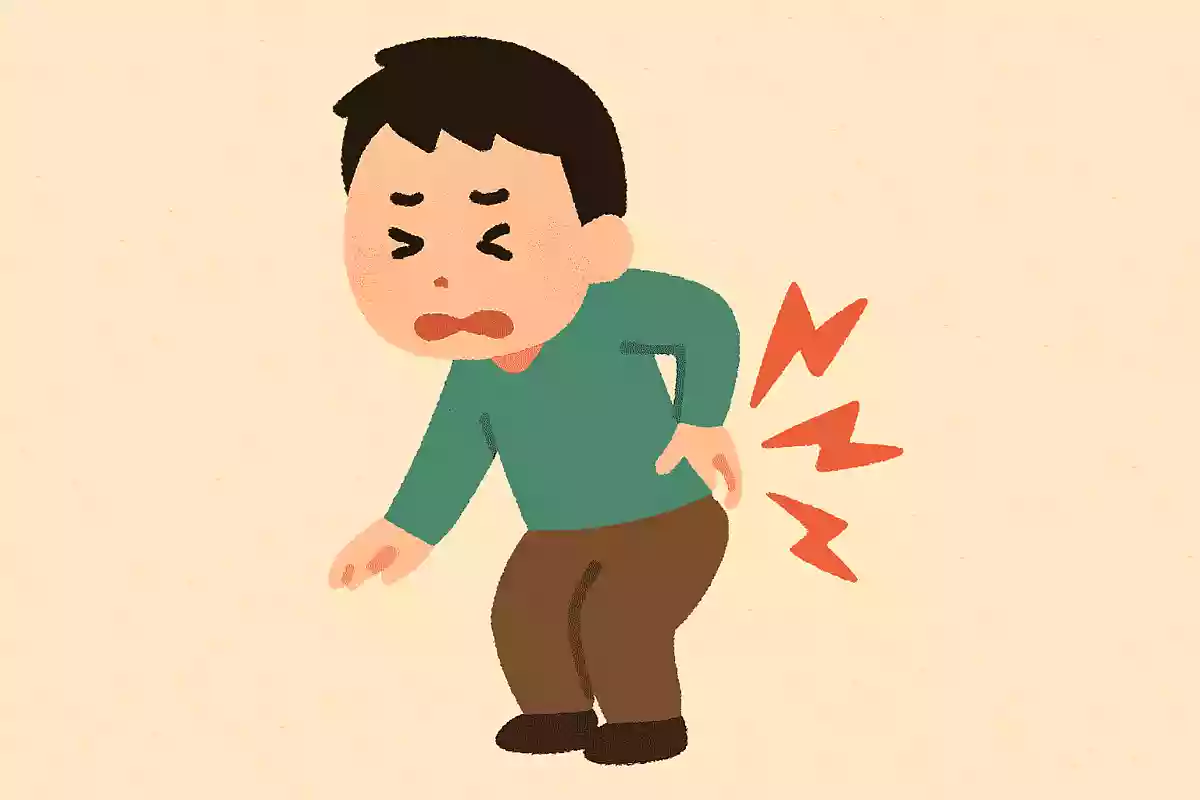
The correct medical term is “acute low back pain,” referring to severe back pain that occurs when you lift something heavy or twist your body.
From how difficult it can be to even stand, you can sense just how intense and persistent the pain is.
When expressing a slipped back (lumbago) through gestures, be sure to convey a pained expression and use your hand placement to show that the source is the lower back.
Focusing on the aspect of pain so severe you can’t remain standing, gradually crouching down would likely communicate it well.
Whether you’ve experienced a sudden back strain yourself may also affect how convincingly you can act it out.
A cat lying down
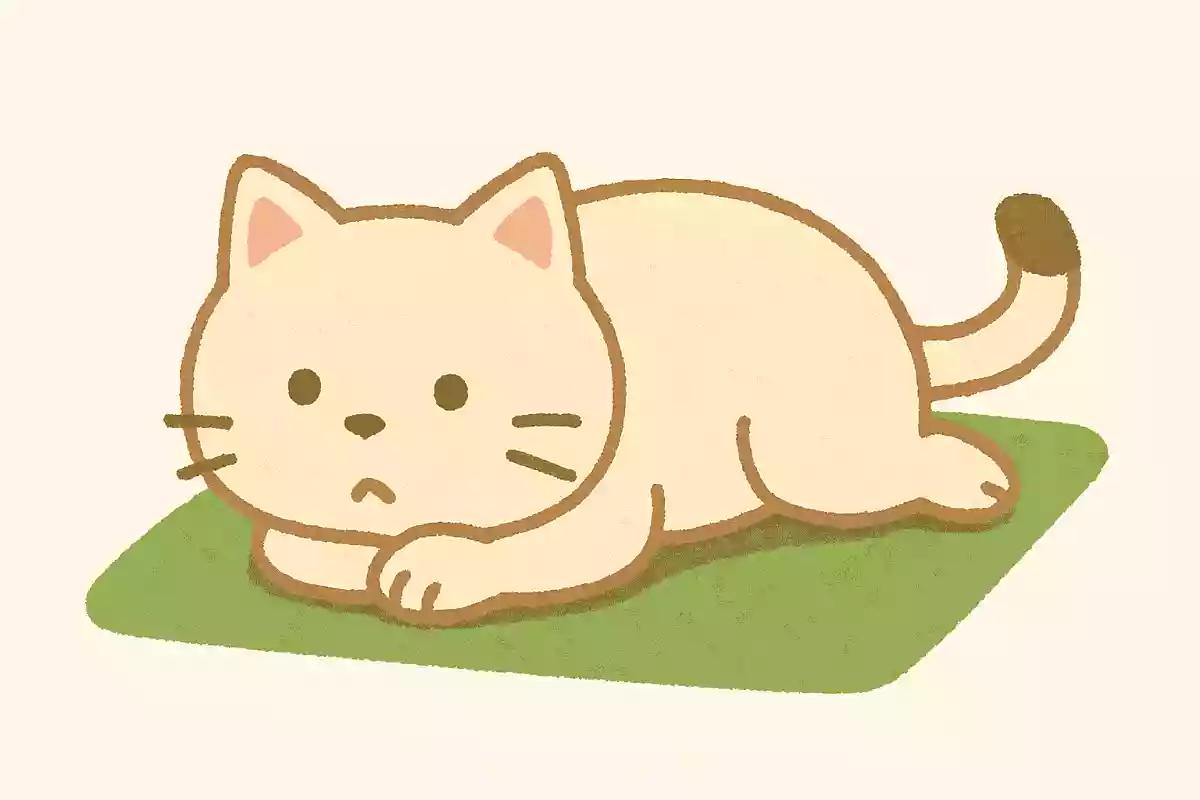
While clearly conveying that it’s a cat, this focuses attention on the specific action of lying down.
To make it clear that the answer is both the animal’s name and the action of lying down, it’s best to avoid performing other actions as much as possible.
You can indicate “cat” through the shape and posture of the ears and whiskers, and once the animal is recognized, emphasize the lying-down action to make it easier to understand.
It might also be fun to incorporate a laughing gesture to signal that the answer is a pun.
A monkey eating a banana
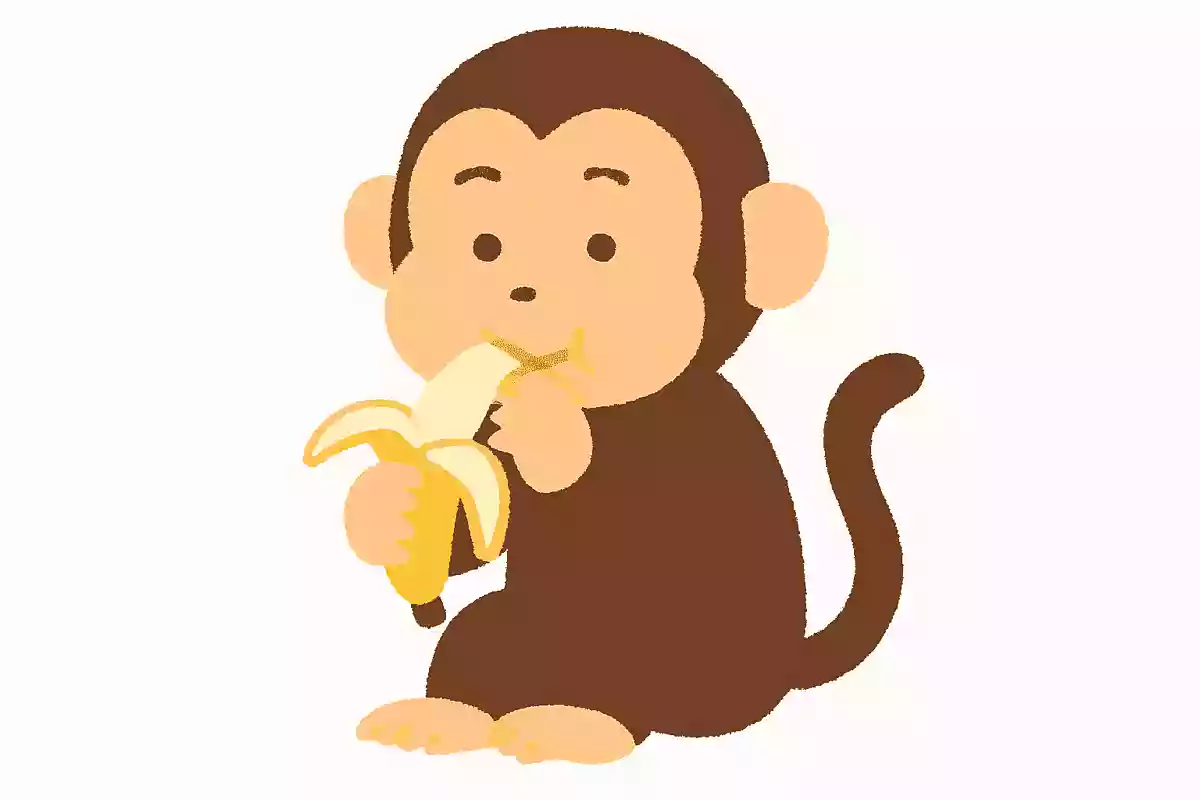
This content asks for not only the animal’s name but also the animal’s action.
It might be easiest to first convey the animal name “monkey,” and then convey the action “eating a banana.” Maintain clear posture and movements until “monkey” is understood, and once the answer is given, transition to the motion of peeling and eating a banana.
Since “monkey” and “banana” are strongly associated words, once each is conveyed, the combination should make it possible to arrive at the correct answer.
A gorilla climbing Tokyo Tower
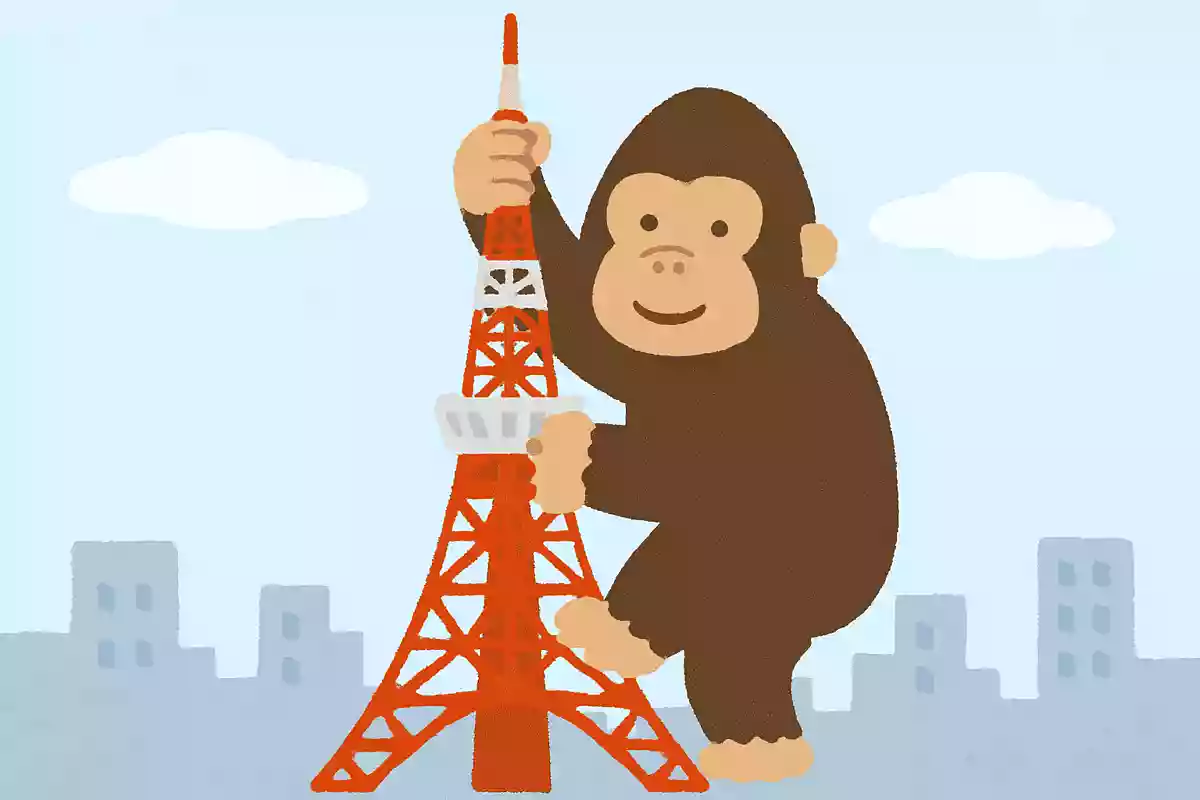
Let’s express with gestures the image of a giant gorilla climbing Tokyo Tower.
It’s a famous scene from the 1967 film “King Kong Escapes,” but it might be difficult for people who don’t know the work.
The most important thing is to clearly convey the words “Tokyo Tower” and “gorilla,” and to recreate them with attention to movement and shape.
Even if the connection isn’t clear, as long as each element is communicated well, people should be able to guess the answer.
In conclusion
We introduced some difficult prompts for a charades game—how did you like them? The key to choosing challenging prompts is to pick things that make you think, “How am I supposed to act that out?”, or to add an extra action element, like “a △△ that does 〇〇.” Beyond the examples we shared, try gathering more high-difficulty ideas and enjoy your charades game!