

![[Can You Guess?] A Collection of Difficult Prompts for the Gesture Game](https://media.ragnet.co.jp/img/1200__png__https://www.studiorag.com/files/2025/04/cba73e6317d9d1633dac45dff8052941.webp)
[Can You Guess?] A Collection of Difficult Prompts for the Gesture Game

A gesture game where you communicate only with body movements and others guess what you’re expressing—without using words.
It’s an easy game that kids and adults alike can enjoy, so it’s often used in everyday play and recreational activities.
Still, some of you might be looking for fresh ideas because the prompts are getting stale.
In this article, we’ll introduce challenging prompts for gesture games.
We’ve gathered not only prompts that represent people or objects, but also higher-difficulty ones that express actions.
Use this as a reference and enjoy your gesture game even more!
Words and proper nouns (1–10)
First, let’s introduce some challenging prompts starting with words and proper nouns! If you’re aiming for tougher topics, you’ll need to exclude the classics of charades like “dog” or “cat.” For difficult prompts, we recommend choosing things like buildings, vehicles, professions, or items you don’t often encounter.
Forcing the presenter to wonder, “How on earth do I express this with my whole body?” will bewilder the audience as well, heating up the game.
Definitely try prompts that make you think, “I’ve never done anything like this before!”
Statue of Liberty
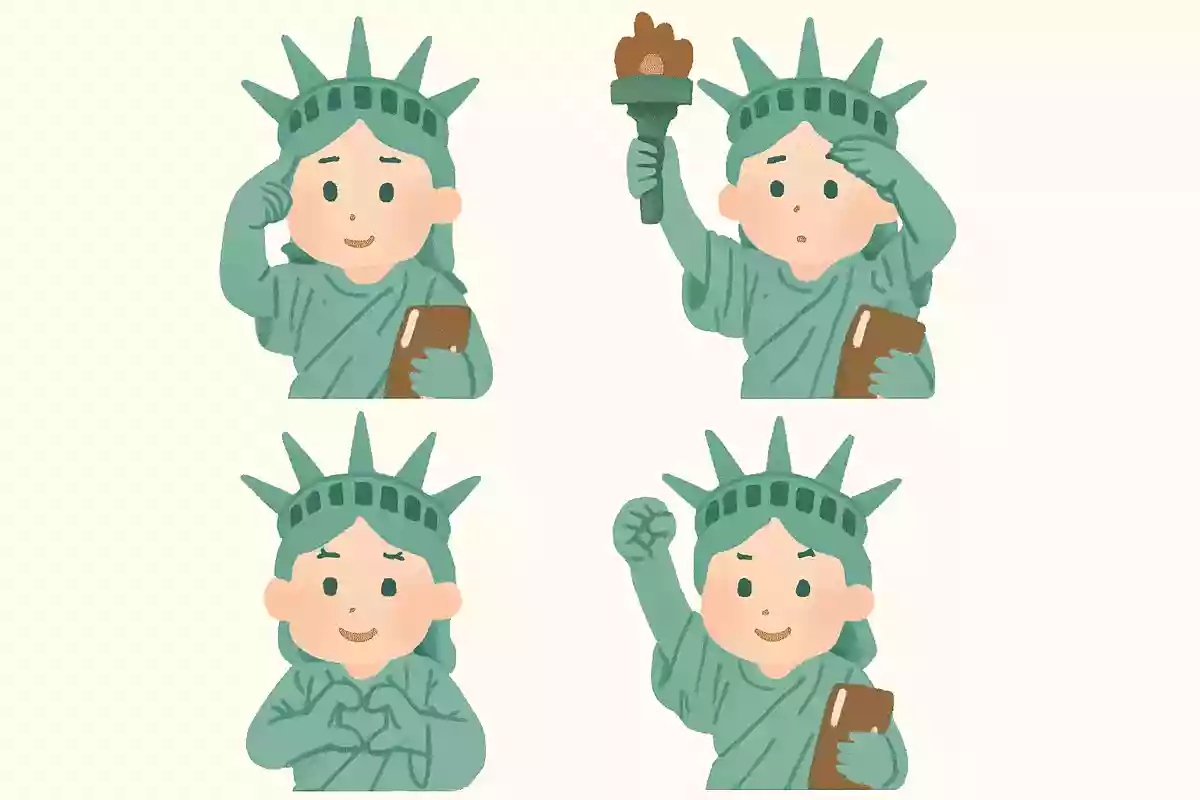
The Statue of Liberty is a gigantic statue in New York, United States, and its official name is “Liberty Enlightening the World.” Completed in 1886 to commemorate the 100th anniversary of the United States’ independence, it is an iconic symbol of America.
Its pose—raising a torch in the right hand and holding a tablet in the left—is striking, so let’s incorporate that into the gesture.
If that alone isn’t clear, adding cues such as its location in America, its great height, or the protrusions of the crown will make it easier to recognize.

Shinkansen
The Shinkansen, which connects regions across Japan, is an indispensable means of transportation when traveling long distances for trips or work.
Make sure to convey clearly that it’s a vehicle, while also letting people sense that it’s specifically the Shinkansen.
When expressing it with gestures, focusing on its speed and distinctive shape will make it easier to understand.
It’s also important to show that it’s a railway: we recommend gestures that express the presence of tracks and the action of running along them.
Tokyo Tower
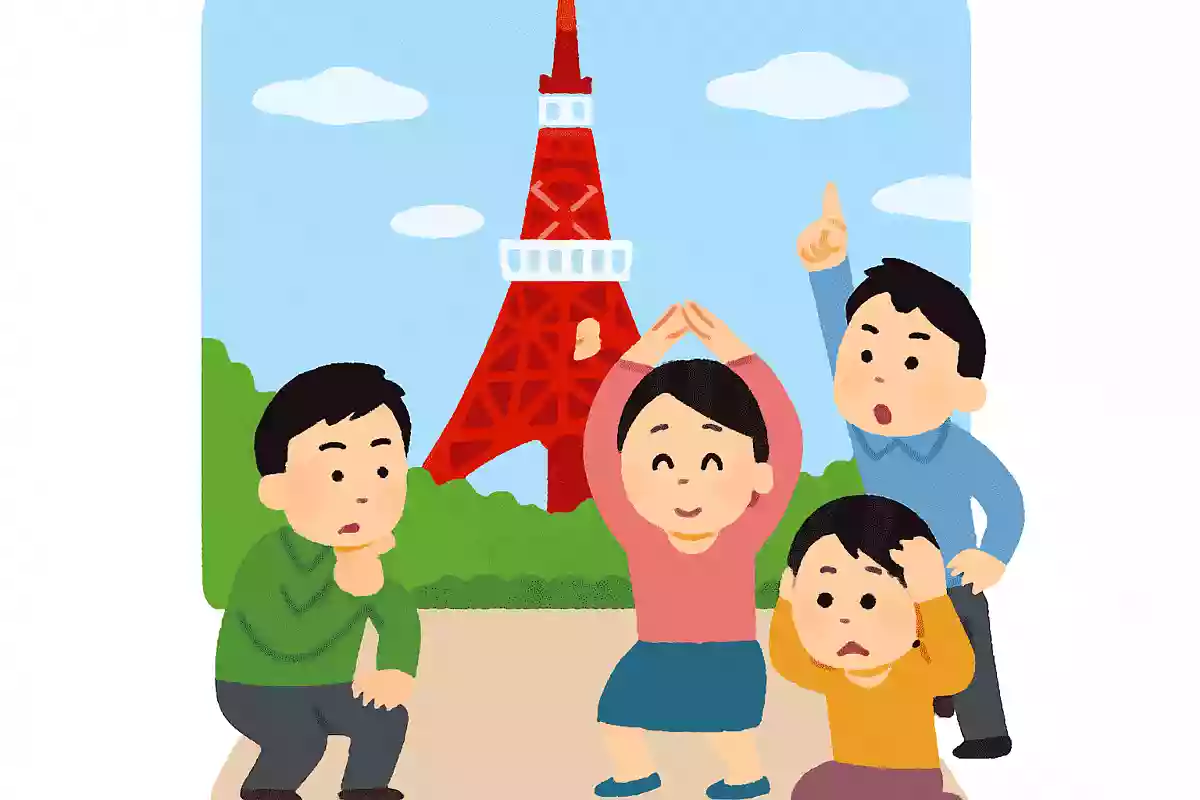
It’s a classic radio tower and a popular tourist spot located in Minato City, Tokyo.
Completed in 1958, it has appeared in many works as a symbol that reflects the passage of time.
As the second-tallest structure after the Skytree, it’s a good idea to convey its height while incorporating features of its shape and function.
Emphasize its pointed, upward-tapering silhouette and its long-standing role as a broadcasting tower to distinguish it from the Skytree.
Its height of 333 meters is also a major characteristic of Tokyo Tower, so expressing that number for those who know it could be a fun touch.
organ
It’s a classic keyboard instrument, alongside the piano—you see it at school, and large ones are placed in churches and halls.
Since there’s a major structural difference—pianos are struck-string instruments, while organs are wind instruments—let’s keep that in mind as we describe them.
If you picture the reed organs often found in schools, it can be hard to distinguish them from pianos, so it might be better to convey the grand, expansive sound of a pipe organ.
Whether you can communicate the sense of a majestic tone that sustains for a long time may be the key point.
salaryman
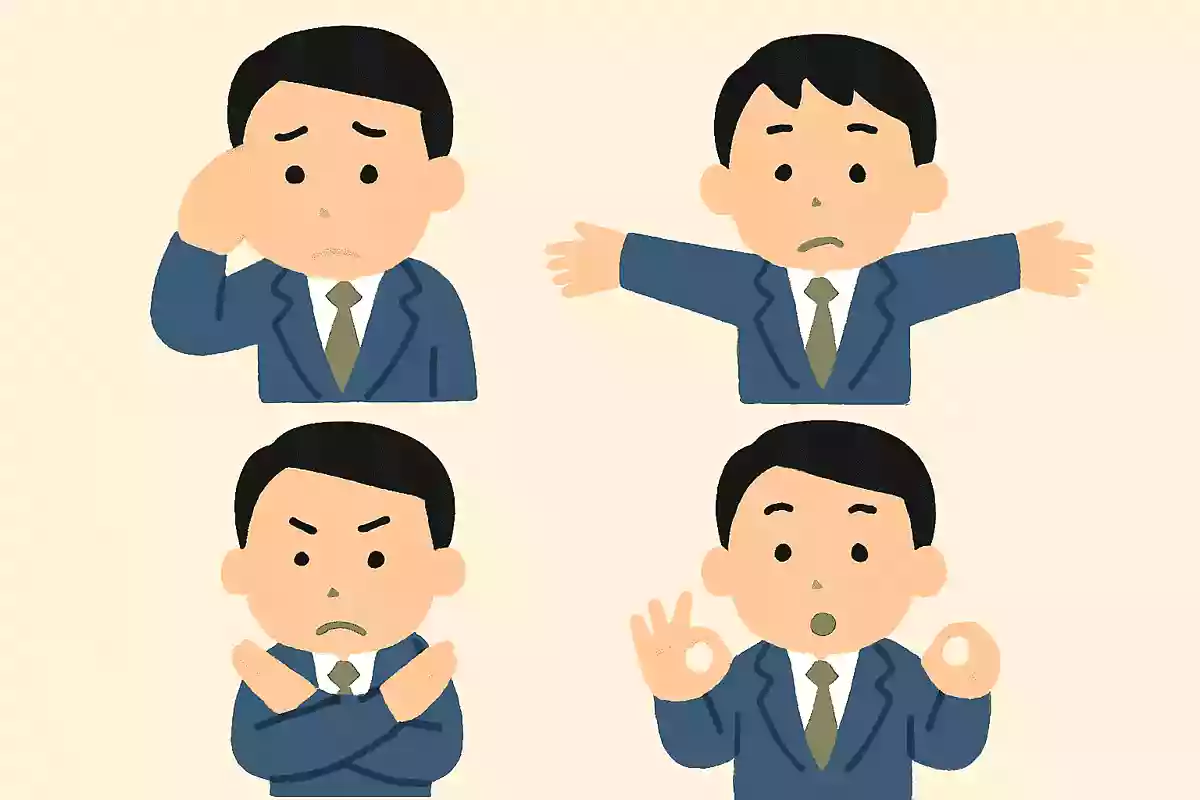
Let’s try expressing the daily life of an office worker through gestures.
Since remote work would depict someone at home, it’s best to focus on commuting and working at the office.
Even without firsthand experience, the classic image is someone in a suit swaying on a crowded train, so be sure to capture that hardworking vibe.
The word “work” can evoke different images, so it may be clearer to convey the idea of a salaryman through other elements.
merry-go-round
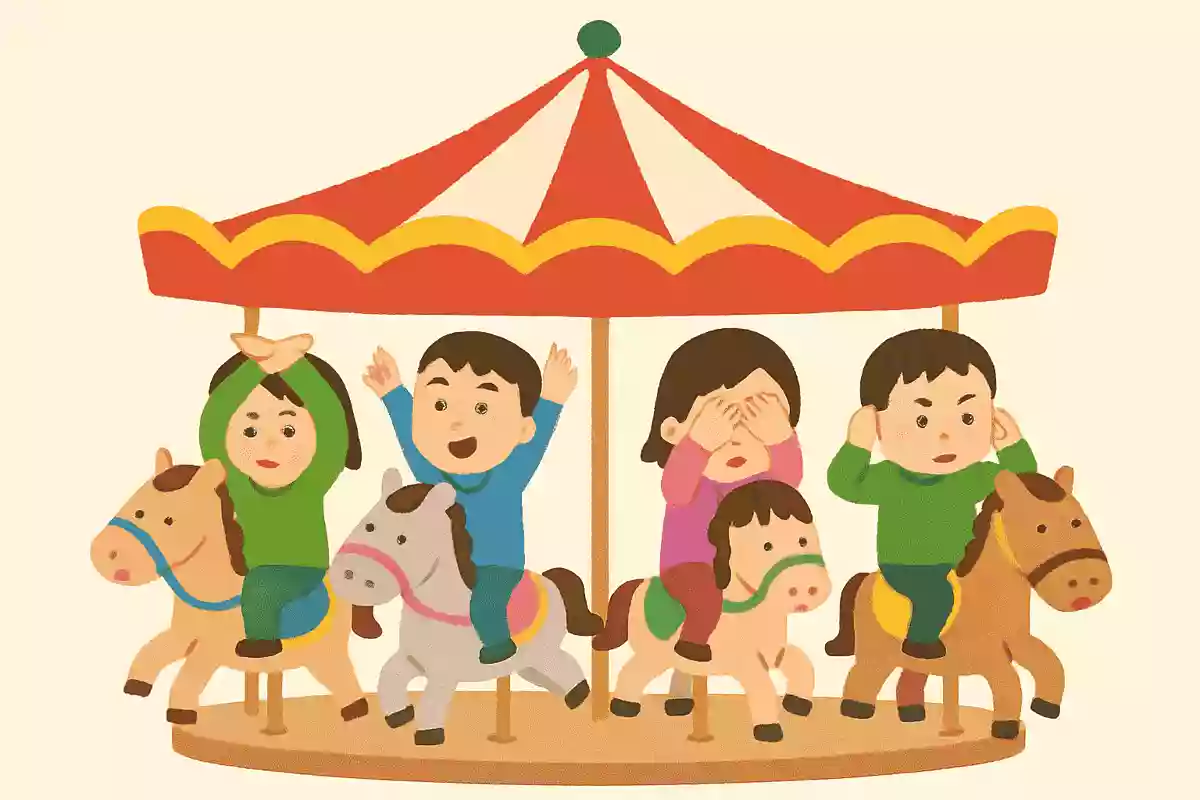
A merry-go-round is a classic amusement park attraction, memorable for the graceful way the rides rotate.
As the name “carousel” suggests, horses are the standard motif, but depending on a theme park’s worldbuilding, a variety of ride figures are used.
That’s why it’s better to focus on the rotation itself rather than the motif.
If you show someone holding on firmly to the ride and surrendering to the gentle spin, the idea will come across clearly.
The beautiful, sparkling lighting is also a striking feature, so expressing that aspect could be interesting too.
koto
It’s a traditional Japanese instrument that produces sound by plucking the strings with picks worn on the fingers.
You often hear it incorporated into recordings of folk songs from various regions.
There are many types of this instrument, but the image most people have is the large koto placed on the floor, so let’s try to depict that.
First, convey its large size and the presence of stretched strings; from there, include the playing posture to make it clear that it’s a musical instrument.
Since the actual plucking motion has a small range and may be hard to recognize as a gesture, it’s recommended to exaggerate the playing action for clarity.