

Fun Dinosaur Quiz Collection for Kids and Adults

Dinosaurs are beloved by fans of all ages, from kids to adults! How much do you know about these fascinating creatures? This article features a collection of dinosaur-themed quizzes.
Questions like “What kind of animals are dinosaurs?”, “What does ‘-saurus’ mean?”, and “What was the lifespan of Tyrannosaurus?” offer plenty of opportunities to learn.
Some questions can only be answered if you’re familiar with specific dinosaurs, so if you consider yourself a dino expert, aim for a perfect score and give it a try!
- [For Elementary School Students] A Three-Choice Dinosaur Quiz to Learn Trivia and Knowledge
- Let's take on a four-choice quiz that everyone can enjoy together!
- [Interesting] Compilation of Doraemon quiz questions
- [Interesting] Collection of Dragon Ball Quiz Questions
- [For Seniors] Fun and Easy! Dinosaur Multiple-Choice Quiz (3 Options)
- [Snake Quiz] Surprisingly fascinating once you know! Snake ecology & characteristics
- Let's get excited with a two-choice quiz that everyone—from kids to adults—can enjoy!
- Quiz on various kinds of fish
- [Satisfying When Solved] Challenging Quizzes Recommended for Elementary School Students!
- [For Kids] November Trivia Quiz & Fun Facts: Let’s Learn While Having Fun!
- Do you get tripped up too? A fun roundup of 10-time quiz questions
- [Knowledge Expander!] A Three-Choice Quiz about Fish for Elementary School Students
- [Pokémon Trivia] A collection of quizzes you’ll want to share with friends. A compilation of questions that can be enjoyed across generations
[For Kids to Adults] Fun Dinosaur Quiz Collection (11–20)
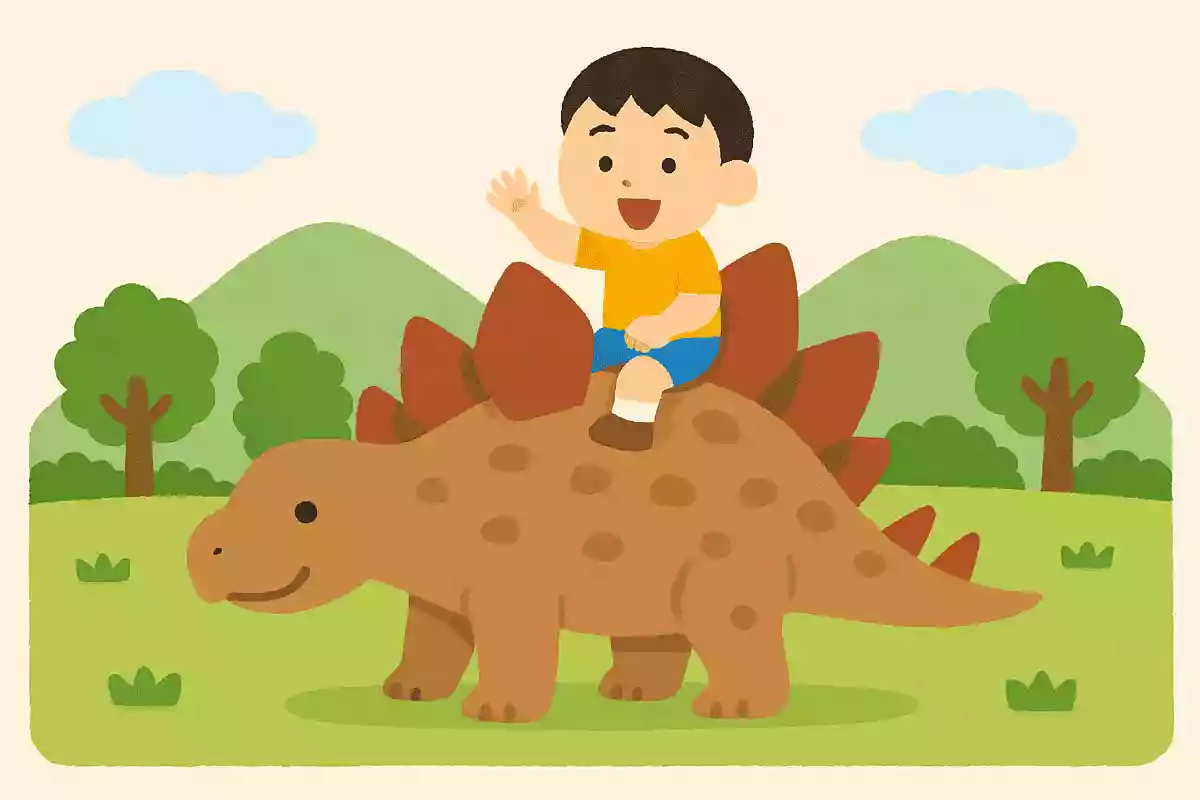
What were the plates on a Stegosaurus’s back used for?
- Intimidation when fighting
- Courtship display
- Thermoregulation
See the answer
Thermoregulation
This plate is a bone called a dermal plate, and research has shown that many blood vessels ran through it. It’s thought that the animal may have regulated its body temperature by cooling or warming the blood carried to the plates with the outside air. By the way, I’ve heard that Godzilla’s dorsal spikes were inspired by this Stegosaurus.
In conclusion
How did you like the dinosaur quiz? Did anyone manage to get a perfect score? I hope this quiz has sparked even more interest in dinosaurs for you. New dinosaur fossils are being discovered one after another around the world—and in Japan as well—and research is progressing every day. Please note that some answers in the quiz may change in the future as new findings emerge. We appreciate your understanding.