

Useful in emergencies! Learn disaster preparedness the fun way with a disaster-prevention trivia quiz

What actions should I take when a disaster strikes? What do I need in an emergency? Disaster-preparedness quizzes let you learn the answers to these questions in a fun way.
Knowing about disaster preparedness in everyday life helps you be mentally ready when the time comes.
In this article, we’ll introduce disaster-preparedness knowledge we want both children and adults to learn, in an approachable quiz format.
Why not learn about disaster readiness like a game together with your loved ones? You might even discover something that makes you say, “Wow, I didn’t know that!”
- Surprisingly unknown? Trivia Quiz [Multiple Choice: 3 Options]
- For Seniors: Be Prepared for Emergencies — A Disaster Preparedness Quiz Useful in Times of Crisis
- A collection of challenging quizzes for adults [Difficult]
- Let's get excited with a two-choice quiz that everyone—from kids to adults—can enjoy!
- It never hurts to know! General knowledge quiz
- [Battle of Wits] Stimulate your intellectual curiosity! Quiz questions that get adults excited
- Aim for a perfect score! A three-choice common knowledge quiz that deepens your understanding
- [You Can Make It with Everyday Items!] DIY Craft Ideas for Creating Emergency Preparedness Supplies
- A three-choice quiz of useful trivia: a collection of questions you can use in everyday life
- Let's take on a four-choice quiz that everyone can enjoy together!
- Fun quizzes for elementary school kids: a collection of questions everyone can enjoy together
- [For Kids] December Trivia Quiz & Fun Facts! Learn about seasonal events and traditions!
- [Trick Quiz] Quiz Questions That Excite Everyone from Kids to Adults
Useful in emergencies! Learn disaster preparedness the fun way with a disaster trivia quiz (21–30)
In the disaster-time mnemonic “okashimochi,” what does the “mo” stand for?
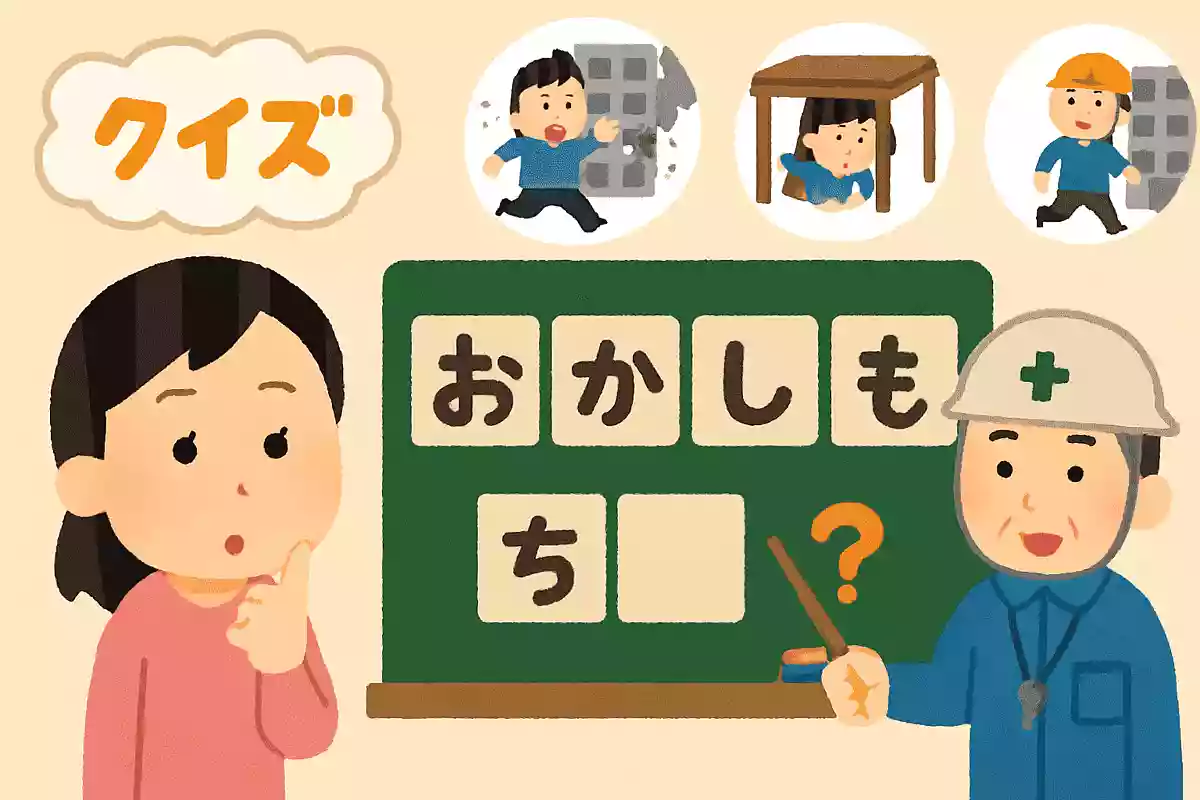
See the answer
won't return
“Okashi-mochi” is a keyword used to help people evacuate safely during disasters. The “mo” stands for “don’t go back,” meaning that during or after evacuation, you must never return to the original location, even if you’ve forgotten something or are worried about something. During disasters, the risk of building collapse and secondary hazards is extremely high, and there are many reported cases of people who returned after evacuating and were harmed as a result. Therefore, the action of “not going back” is very important for protecting your own life and the lives of those around you.

What should I do if an earthquake occurs while I’m in the bathroom?
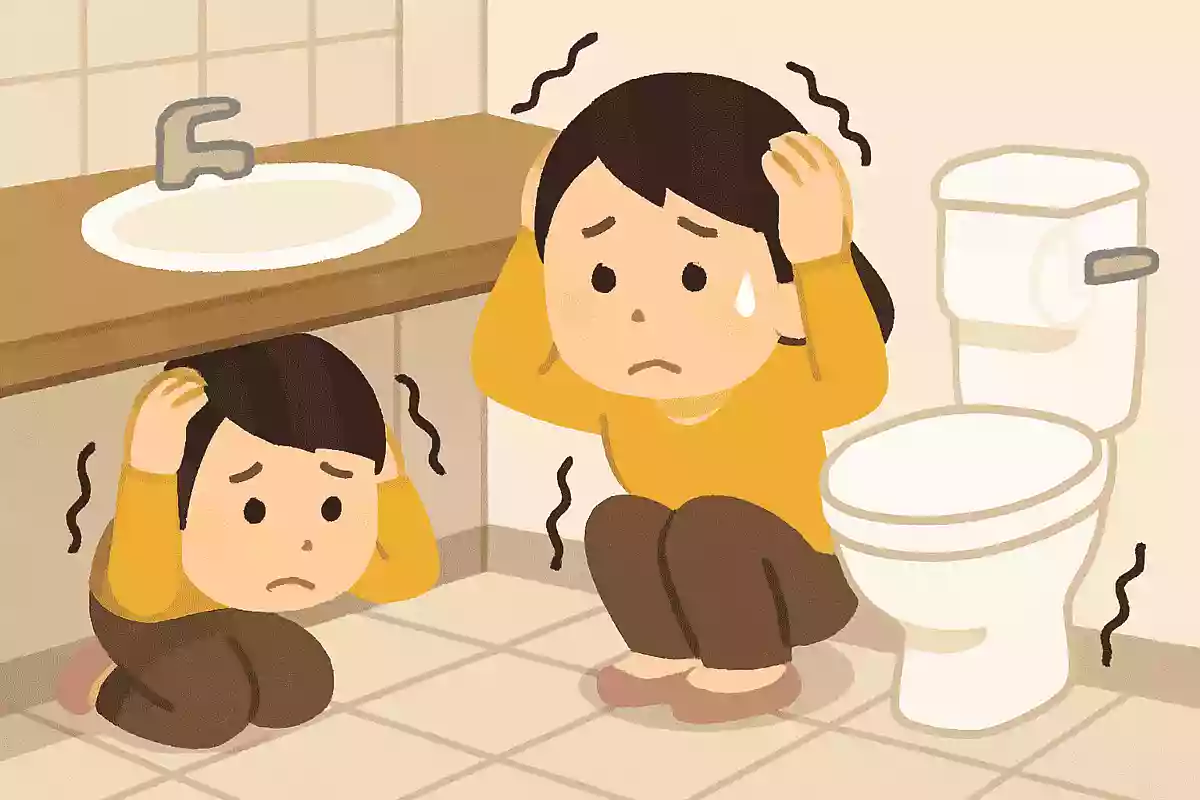
See the answer
Open the door immediately.
One possible risk if you experience an earthquake while in the restroom is that the door may warp and trap you inside. To prevent this, try to open the door as soon as the quake starts. It may be difficult in some situations, but it’s something to keep in mind.

Where should you aim a fire extinguisher?
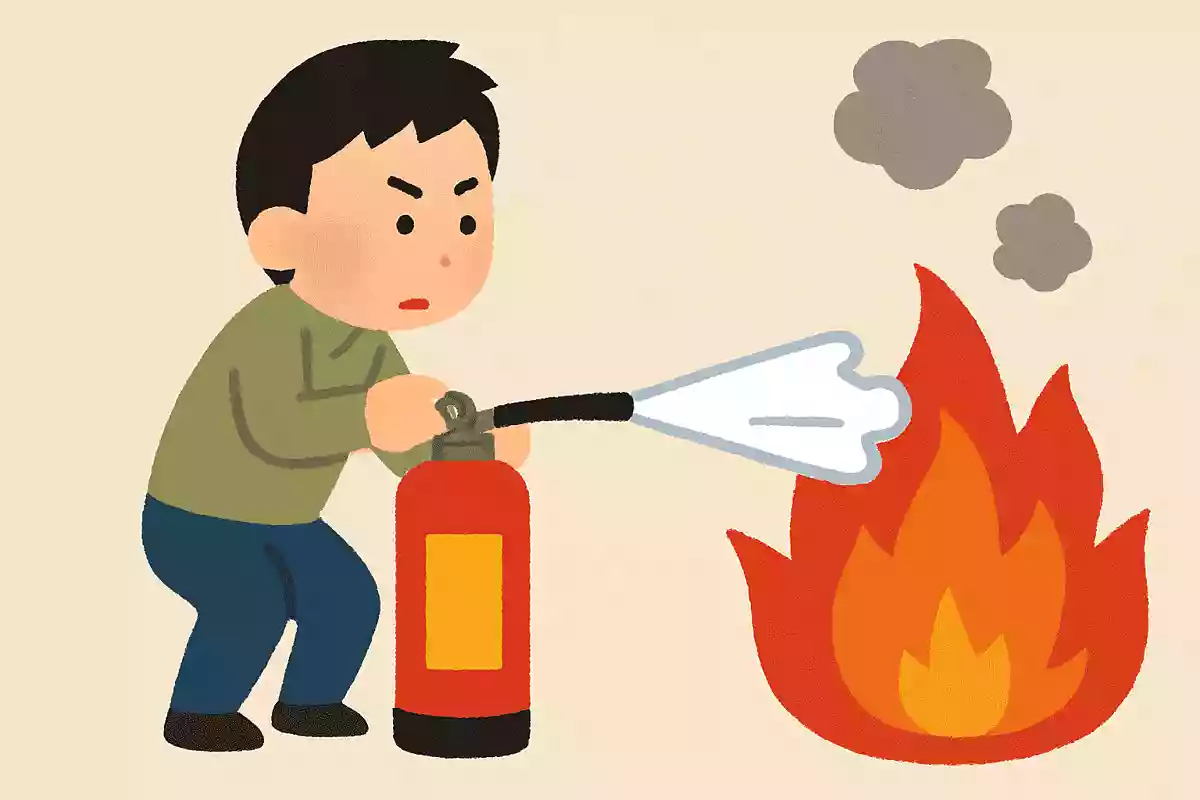
See the answer
origin of the fire
When using a fire extinguisher, it’s important to aim at the base of the fire. The base is the root of the burning material, and applying the extinguishing agent there can stop the combustion from spreading. If you aim at the smoke or the flames higher up, you won’t extinguish the fire effectively and the incident may be prolonged. Also, be careful not to get too close, and work from a safe distance on the upwind side.
If you hear thunder 5 seconds after a lightning flash, approximately how many meters away did the lightning occur?
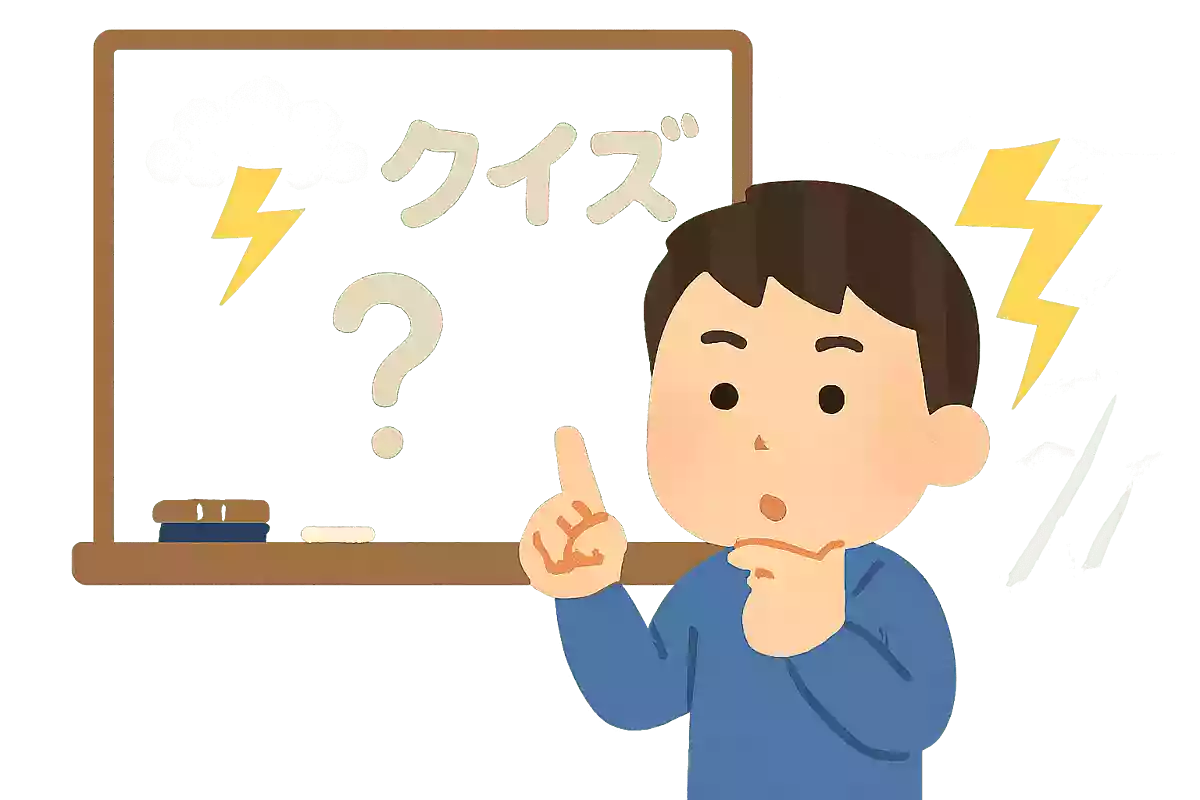
- about 500 meters
- About 1,700 meters
- about 3,400 meters
See the answer
About 1,700 meters
By multiplying the number of seconds from the lightning flash to when you hear the thunder by 340, you can estimate the distance to the lightning. In this problem, that would be 5 seconds × about 340 meters = approximately 1,700 meters. By carefully observing the flash and the thunder, you can also feel how the storm draws nearer and then moves away. If you’re a student, you could even apply this to a summer vacation science project.
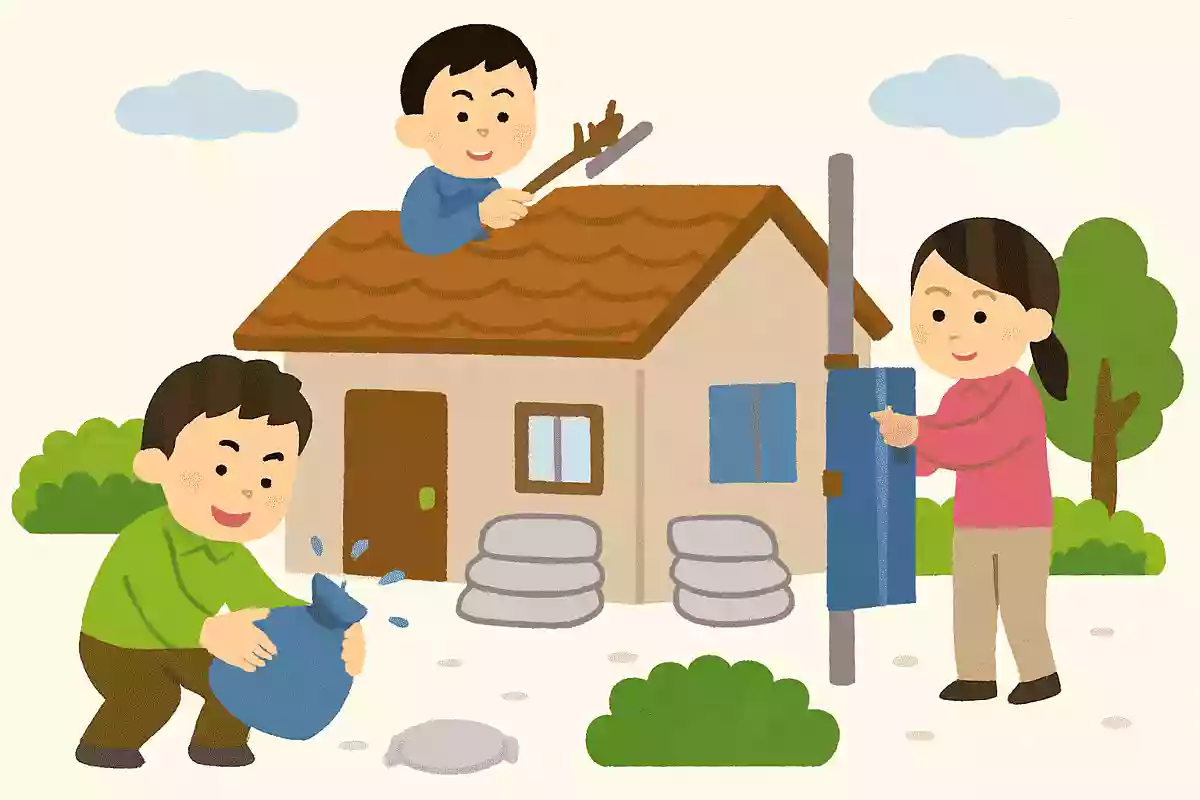
What measures can be taken around the house before a flood occurs?
See the answer
Clean the gutter
When flooding from heavy rain is expected, it’s important to clean the gutters and drains around your home. If they’re clogged with fallen leaves or trash, water won’t flow properly and may overflow, increasing the risk of flooding and underfloor damage. Regularly inspecting and cleaning gutters to ensure smooth drainage can help reduce damage. It’s also important to work with your neighbors to keep nearby gutters clean.
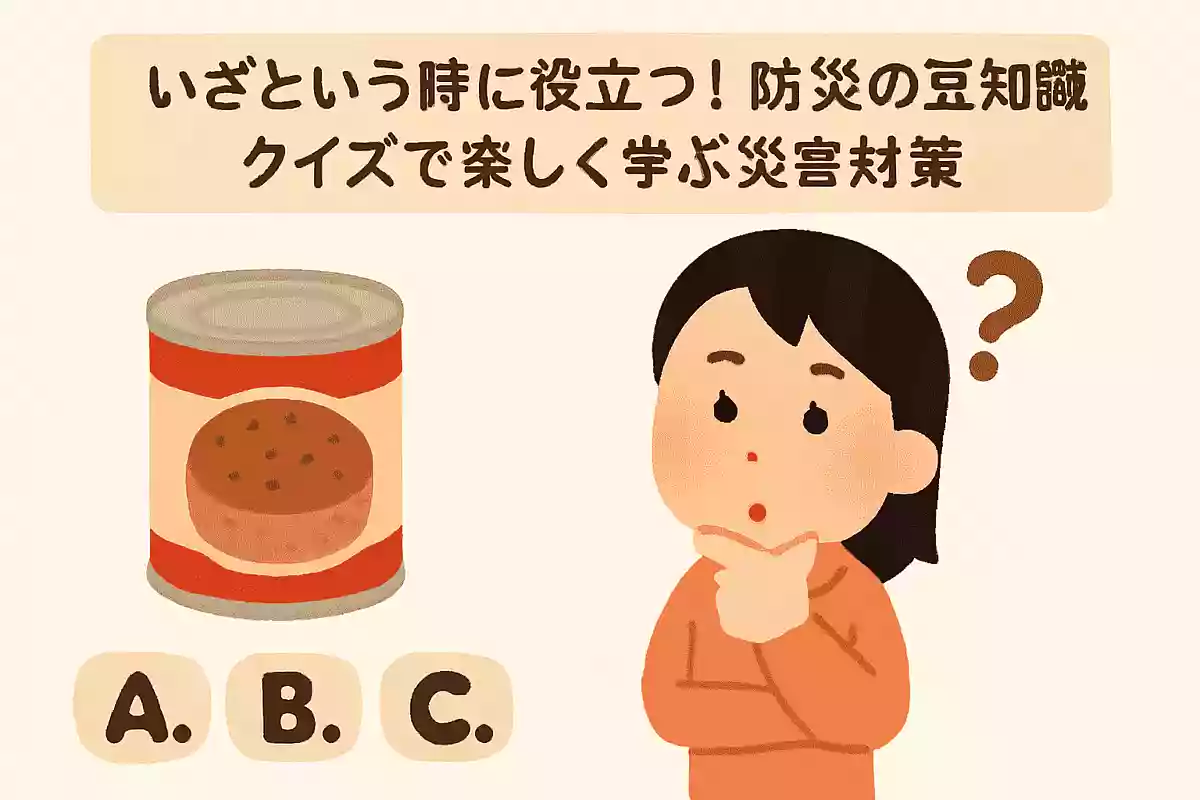
What food is used as emergency rations with a shelf life of 25 years?
See the answer
survival foods
Survival foods are attracting attention as emergency provisions that can be stored long-term. Their greatest feature is an exceptionally long shelf life of about 25 years. This is achieved by using a specialized freeze-drying process that removes nearly all moisture, significantly preventing food deterioration. Since food supply can be disrupted during disasters, long-lasting survival foods are stocked in many places, including households and local governments. For example, there are various options, starting with crackers, making them reassuring items to keep on hand for everyday preparedness.
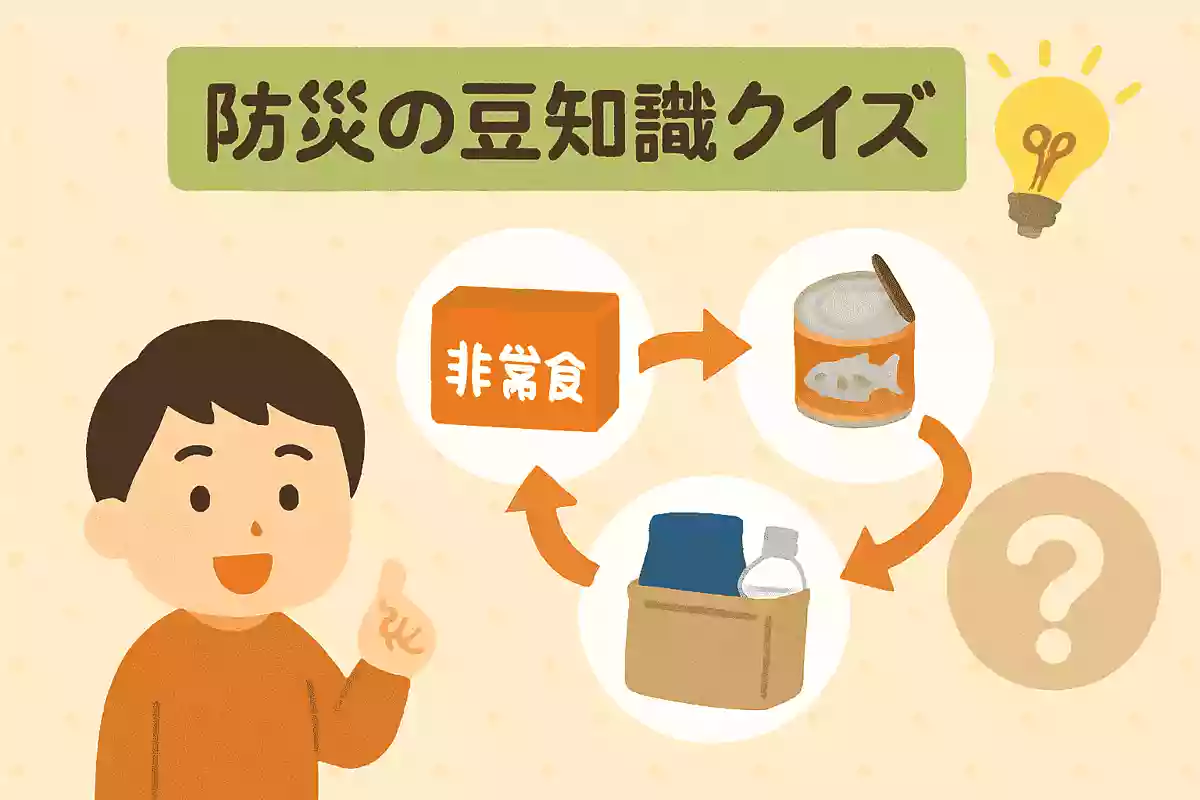
What do you call the practice of ‘stocking, consuming, and replenishing’ emergency food?
See the answer
rolling stock
The method of maintaining a certain amount of emergency food and daily necessities in stock, gradually consuming them in everyday life, and replenishing only what you use is called rolling stock. By adopting this method, you can prevent items from expiring and always keep your supplies fresh. Even if you suddenly need food during a disaster, having new emergency provisions on hand provides peace of mind. Also, by stocking items you’re accustomed to eating, you can reduce stress in case of an emergency.