

Useful in emergencies! Learn disaster preparedness the fun way with a disaster-prevention trivia quiz

What actions should I take when a disaster strikes? What do I need in an emergency? Disaster-preparedness quizzes let you learn the answers to these questions in a fun way.
Knowing about disaster preparedness in everyday life helps you be mentally ready when the time comes.
In this article, we’ll introduce disaster-preparedness knowledge we want both children and adults to learn, in an approachable quiz format.
Why not learn about disaster readiness like a game together with your loved ones? You might even discover something that makes you say, “Wow, I didn’t know that!”
- Surprisingly unknown? Trivia Quiz [Multiple Choice: 3 Options]
- For Seniors: Be Prepared for Emergencies — A Disaster Preparedness Quiz Useful in Times of Crisis
- A collection of challenging quizzes for adults [Difficult]
- Let's get excited with a two-choice quiz that everyone—from kids to adults—can enjoy!
- It never hurts to know! General knowledge quiz
- [Battle of Wits] Stimulate your intellectual curiosity! Quiz questions that get adults excited
- Aim for a perfect score! A three-choice common knowledge quiz that deepens your understanding
- [You Can Make It with Everyday Items!] DIY Craft Ideas for Creating Emergency Preparedness Supplies
- A three-choice quiz of useful trivia: a collection of questions you can use in everyday life
- Let's take on a four-choice quiz that everyone can enjoy together!
- Fun quizzes for elementary school kids: a collection of questions everyone can enjoy together
- [For Kids] December Trivia Quiz & Fun Facts! Learn about seasonal events and traditions!
- [Trick Quiz] Quiz Questions That Excite Everyone from Kids to Adults
Useful in emergencies! Learn disaster preparedness the fun way with a disaster trivia quiz (21–30)
Which of the following locations is more likely to be struck by lightning?
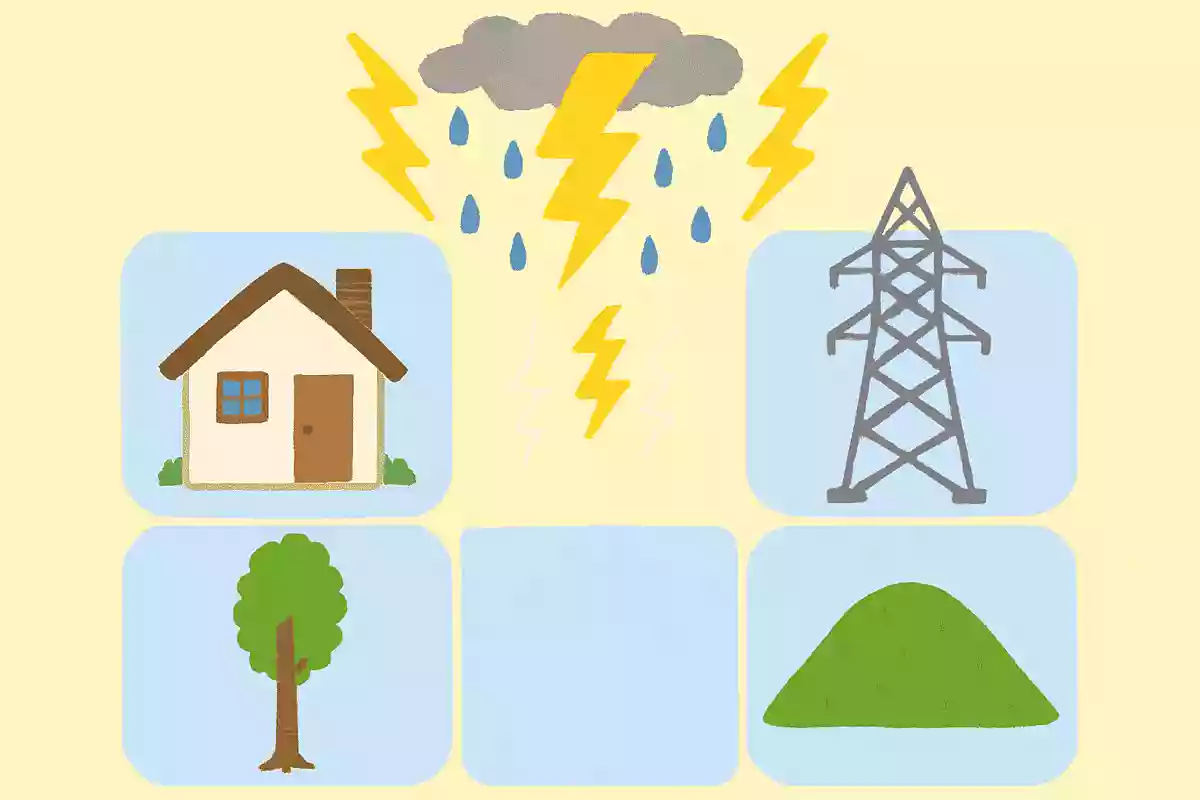
Lightning is said to strike tall objects and open areas more easily. Please choose the place where lightning is most likely to strike from the options below.
- Inside the building
- in the middle of a large field
- Inside the car
See the answer
in the middle of a large field
In open areas like sports fields where there’s nothing taller than you, lightning is more likely to strike. In fact, there have been incidents where lightning struck a field and students practicing club activities were taken to the hospital. If you hear thunder in a place with nothing taller than you, take shelter inside a building immediately.
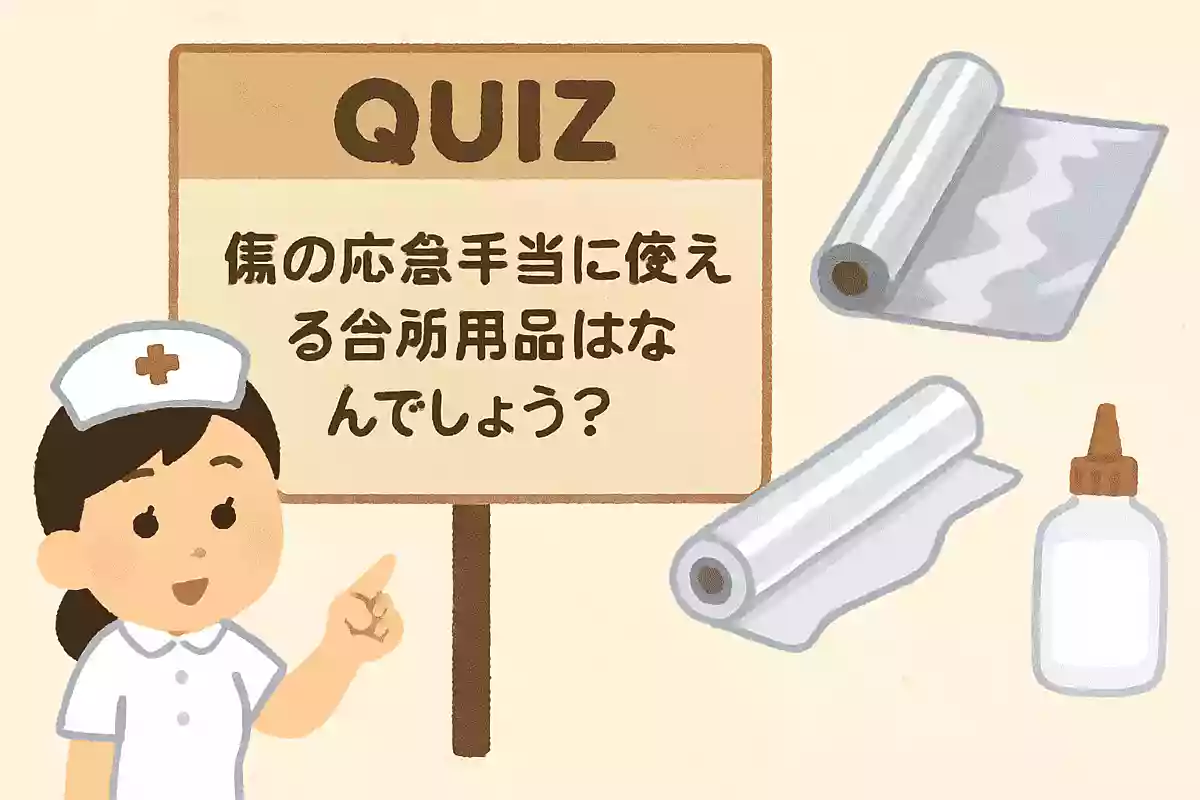
What kitchen items can be used for first aid on wounds?
See the answer
wrap
Plastic wrap can be used as a first-aid measure to cover wounds when medical bandages or gauze aren’t available, such as during disasters. After thoroughly cleaning the wound, gently cover it with plastic wrap to prevent drying and bacterial intrusion, and to help control bleeding. Although plastic wrap isn’t sterile, it can be highly effective as a temporary emergency measure.

Useful in an emergency! Learn disaster preparedness the fun way with a disaster-prevention trivia quiz (31–40)
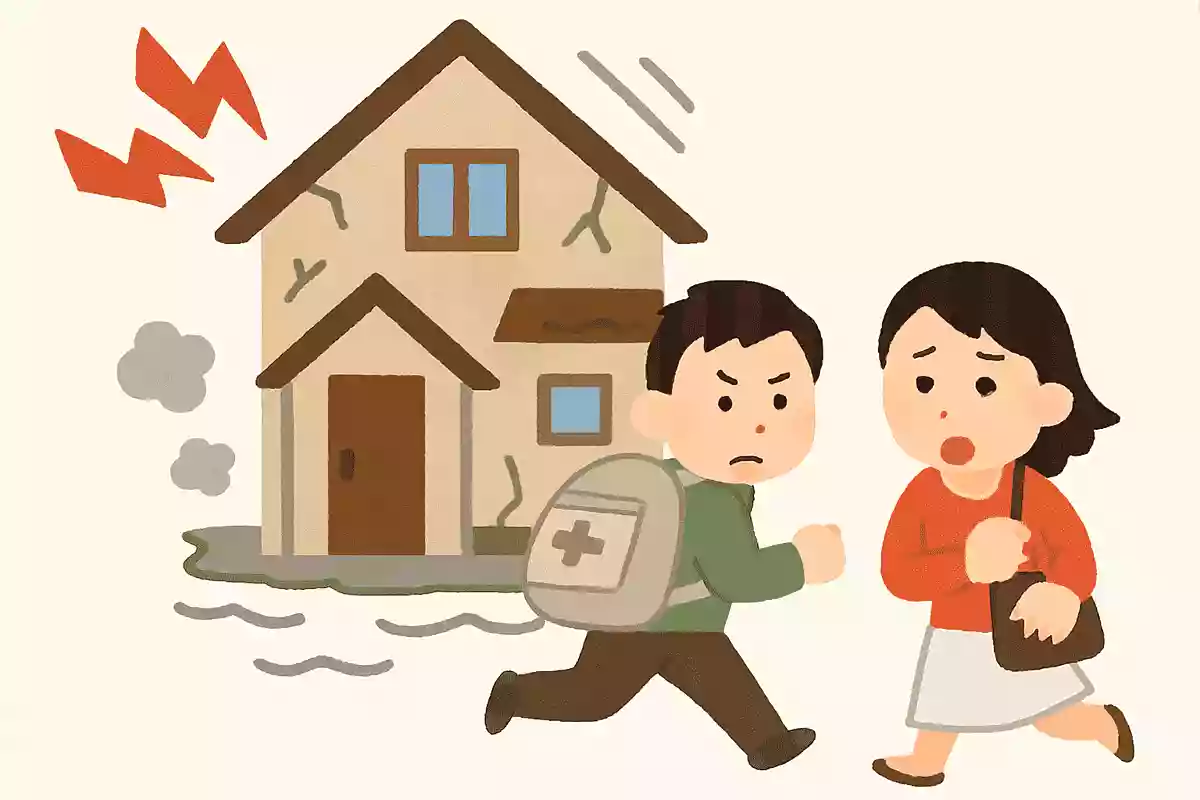
What should we do when evacuating from our house during an earthquake?
See the answer
flip the breaker
When evacuating your home during an earthquake, be sure to turn off the circuit breaker before going outside. This is to prevent “rekindling due to power restoration,” where damaged wiring from the shaking can cause a fire when electricity is restored later. Such fires are frequently reported as secondary damage after earthquakes. If electrical appliances have fallen over or been damaged, the risk of ignition is even higher, so remember to do this in an emergency.
How many emergency toilet bags should be prepared per adult per day?

See the answer
4 to 8 sheets
Because water service may be unavailable during disasters, toilet use becomes a major concern. Emergency toilet bags are used to handle feces and urine, so it’s reassuring to prepare at least about 4–8 bags per adult per day. It’s recommended to stock extra, taking into account usual elimination frequency and possible changes in health such as diarrhea. If a disaster lasts a long time or you have a large family, you should prepare even more. If you run short of toilet bags, hygiene risks increase, so keep a sufficient reserve on hand.
In conclusion
We’ve introduced a quiz that tests essential disaster-preparedness knowledge. Those bite-sized facts that make you think “Ah, I see!” have likely boosted your awareness of disaster prevention. To protect the people you care about, why not take this opportunity to go over your everyday preparedness once more with family and friends through a disaster-preparedness quiz?