

How many do you know? An earthquake trivia quiz: from general knowledge to fun facts


When an earthquake strikes, are you confident you can take the right actions? Information about earthquakes themselves and evacuation procedures is continually updated as new quakes occur over time, so many people still hold outdated or incorrect knowledge.
In this article, we present earthquake trivia and fun facts for the general public in a quiz format! You can enjoy learning useful knowledge for emergencies—such as what actions to take when an earthquake happens, the seismic intensity scale, and the number for the disaster message service.
To strengthen your disaster preparedness, why not take this opportunity to review the earthquake knowledge you “thought you knew”?
- Useful in emergencies! Learn disaster preparedness the fun way with a disaster-prevention trivia quiz
- Tsunami General Knowledge Quiz! Learn surprising facts and trivia through a quiz
- A trivia quiz about typhoons you might not know: questions range from general knowledge to disaster preparedness.
- How many can you answer? Trivia and fun facts quiz about rice
- Trivia quiz with useful tips to know: fun facts that come in handy at school or at home [for kids]
- How many can you solve? A surprising trivia and fun facts quiz about total lunar eclipses
- Recommended for elementary school students! Trivia quiz you'll want to share once you know it
- How many can you get right? Check your general knowledge with a heatstroke trivia and fun facts quiz.
- A three-choice quiz of useful trivia: a collection of questions you can use in everyday life
- [Killing Time] A Collection of Fun Trivia Quizzes You'll Want to Share with Someone
- A compilation of unsettling trivia and fun facts about Earth
- How many can you solve? Test your spring knowledge with a trivia quiz about March!
- How many can you solve? An Otsukimi trivia quiz from general knowledge to surprising fun facts
How many do you know? Earthquake Trivia Quiz: From General Knowledge to Fun Facts (21–30)
What is the best way to act if an earthquake occurs while you are walking outdoors?
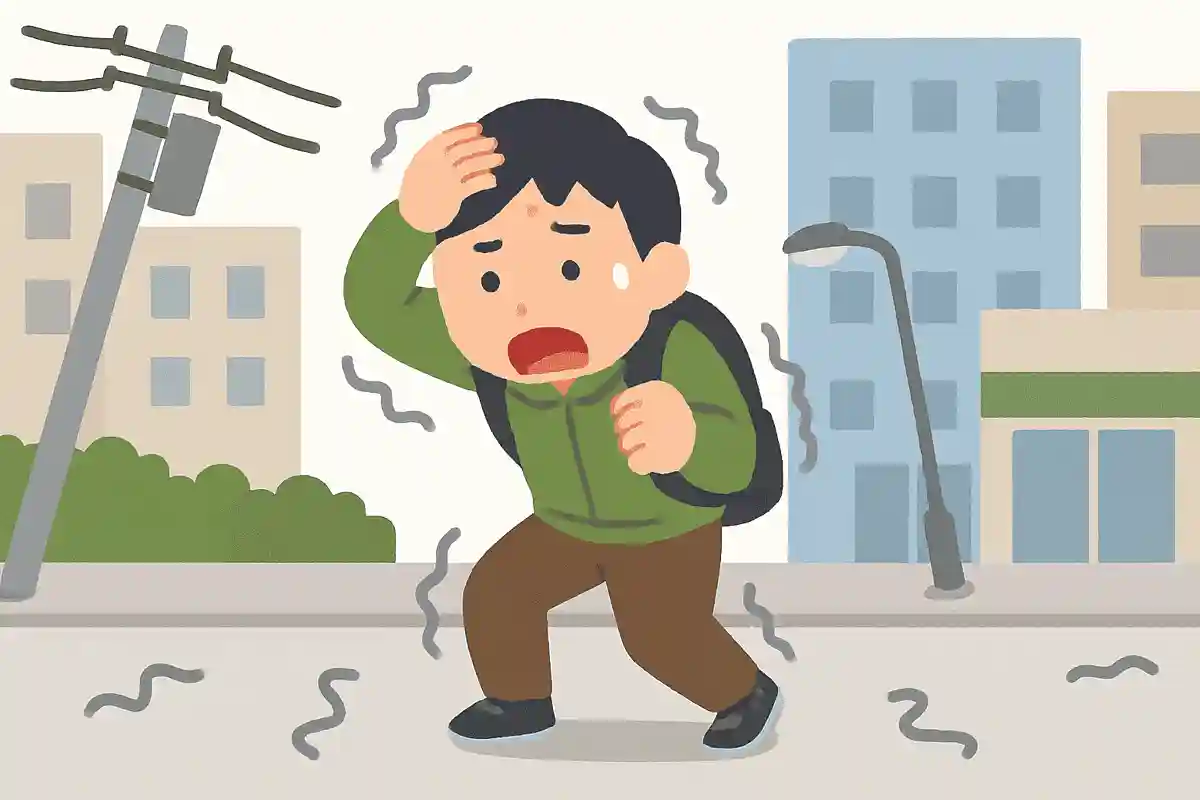
- Stay as far away as possible from block walls and buildings.
- Take shelter near block walls or buildings.
- Just run away anyway.
See the answer
Stay as far away as possible from block walls and buildings.
During an earthquake, it is important to ensure your safety by staying away from utility poles, block walls, and buildings when outdoors, and by watching out for falling glass and signs. Be cautious of landslides near cliffs and of tsunamis near the coast. The middle of the road and areas close to buildings may be dangerous.

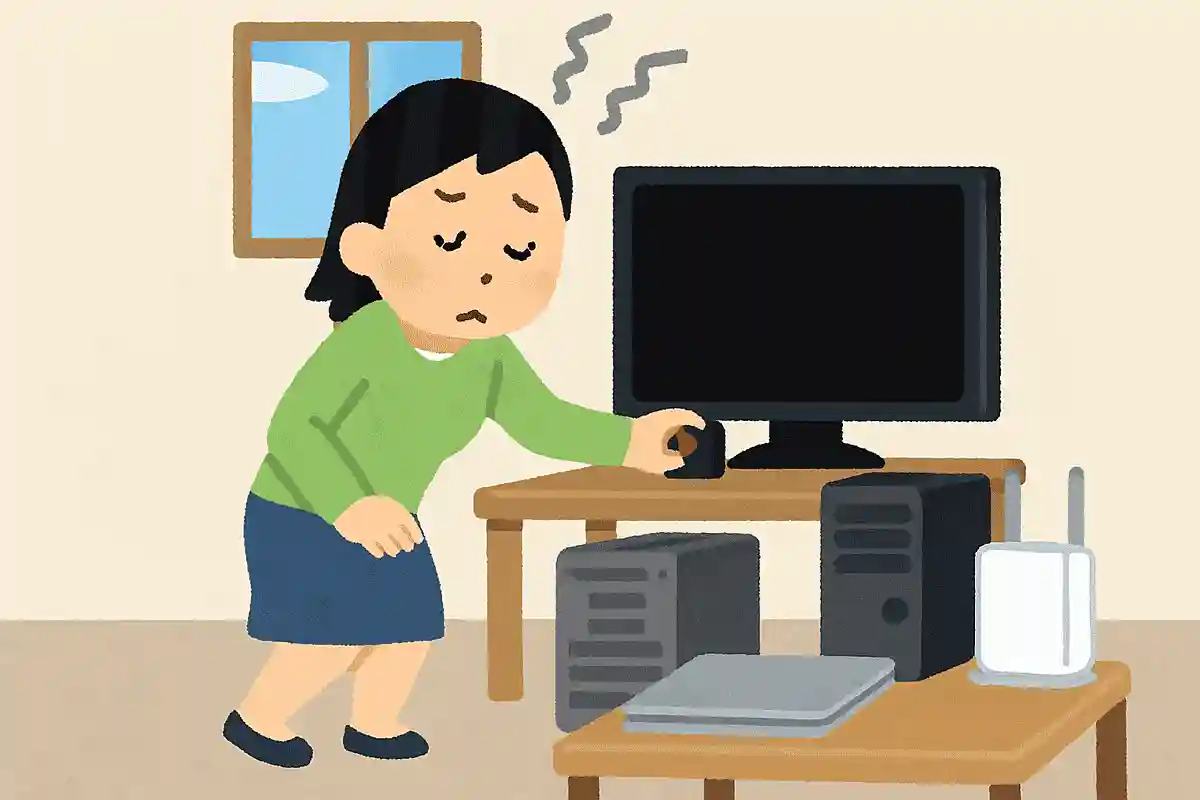
To prevent electrical fires, what should be done with electronic devices after an earthquake?
- take out; put outside; let (someone/something) out
- Unplug the power plug.
- leave it running
See the answer
Unplug the power plug.
A rekindled electrical fire refers to a fire that occurs when power is restored after an outage. During earthquakes, furniture may topple or houses may collapse, damaging wiring and creating a risk of ignition when electricity flows again. There have been many cases of this occurring as a secondary disaster after earthquakes, so unplugging power cords can give you peace of mind.

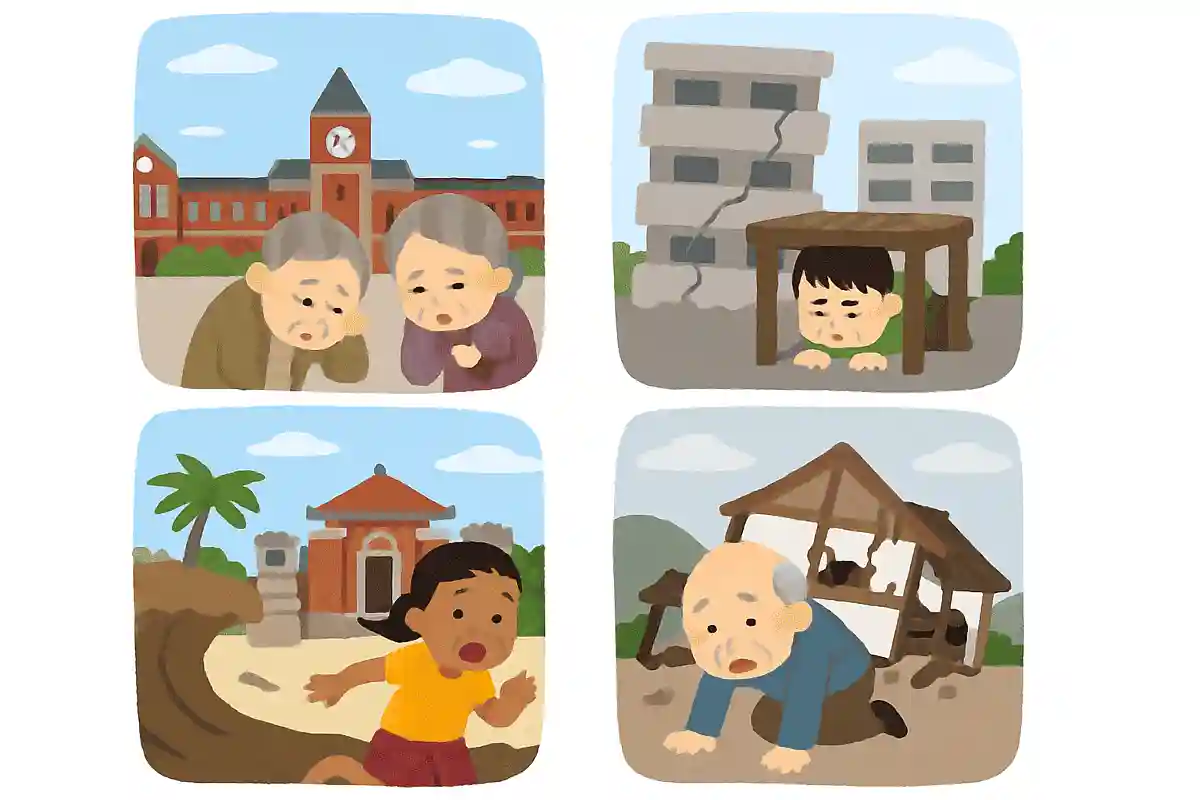
Which earthquake led to the establishment of Disaster Prevention Day on September 1?
- Great Kanto Earthquake
- Showa Nankai Earthquake
- Great Hanshin-Awaji Earthquake
See the answer
Great Kanto Earthquake
Disaster Prevention Day on September 1 was established in response to the Great Kanto Earthquake that occurred on this day in 1923. Centered around Tokyo and Yokohama, the earthquake caused extensive damage, including fires and building collapses, and served as a turning point that made many people keenly aware of the importance of disaster preparedness.
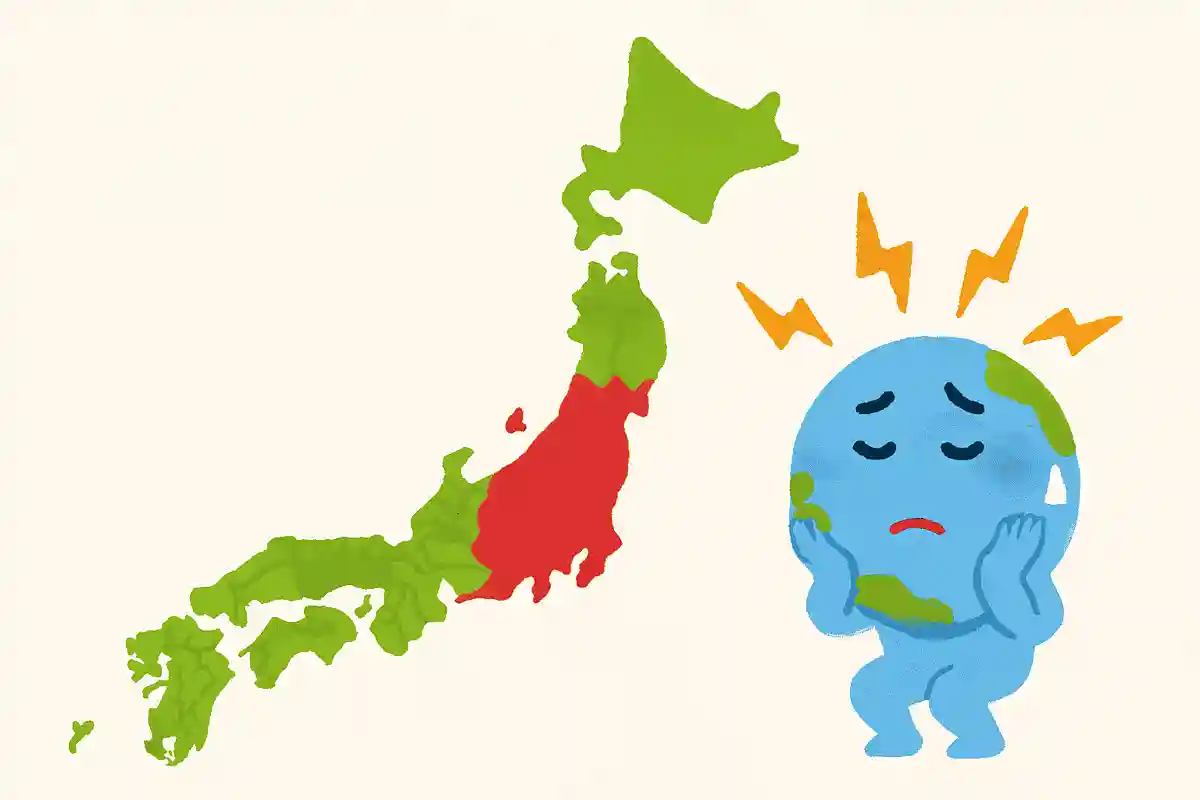
Which earthquake led to the term “aftershock” being used less frequently?
- Great East Japan Earthquake
- Kumamoto Earthquake
- Noto Peninsula Earthquake
See the answer
Kumamoto Earthquake
Many people may have the impression that aftershocks are earthquakes smaller in scale than the main shock. However, during the Kumamoto earthquakes, a quake with seismic intensity 7 was followed by an even larger earthquake. In response, the Japan Meteorological Agency refrained from using the term “aftershock” and began issuing information using expressions such as “earthquakes of similar magnitude” or wording that clearly states the seismic intensity.
What kind of earthquake is the Nankai Trough earthquake considered to be?
- trench-type earthquake
- fault-type earthquake
- volcanic earthquake
See the answer
trench-type earthquake
The Nankai Trough earthquake is called a trench-type earthquake and, because it occurs at the boundary between tectonic plates, it is also known as a plate-boundary earthquake. Around Japan, multiple plates such as the Pacific Plate and the Philippine Sea Plate collide, so this type of earthquake occurs frequently.
What do you call the state in which a displacement has occurred in the ground?
- cross section
- fault
- stratum
See the answer
fault
A state in which the ground has shifted is called a fault. When this shift occurs suddenly, a large earthquake can happen. Earthquakes often occur when underground faults slip, and faults that appear at the surface are sometimes called active faults; these can also be found under the sea.
In which era did the oldest recorded earthquake in Japan occur?
- Asuka period
- Heian period
- Kamakura period
See the answer
Asuka period
The oldest earthquake recorded in Japan is the Hakuchi Earthquake of 684, documented in the Nihon Shoki, which corresponds to the Asuka period. It is said that the damage at the time was also described in detail. This earthquake was a massive one that occurred on the 14th day of the 10th month in the 13th year of Emperor Tenmu, in the late Asuka period.