

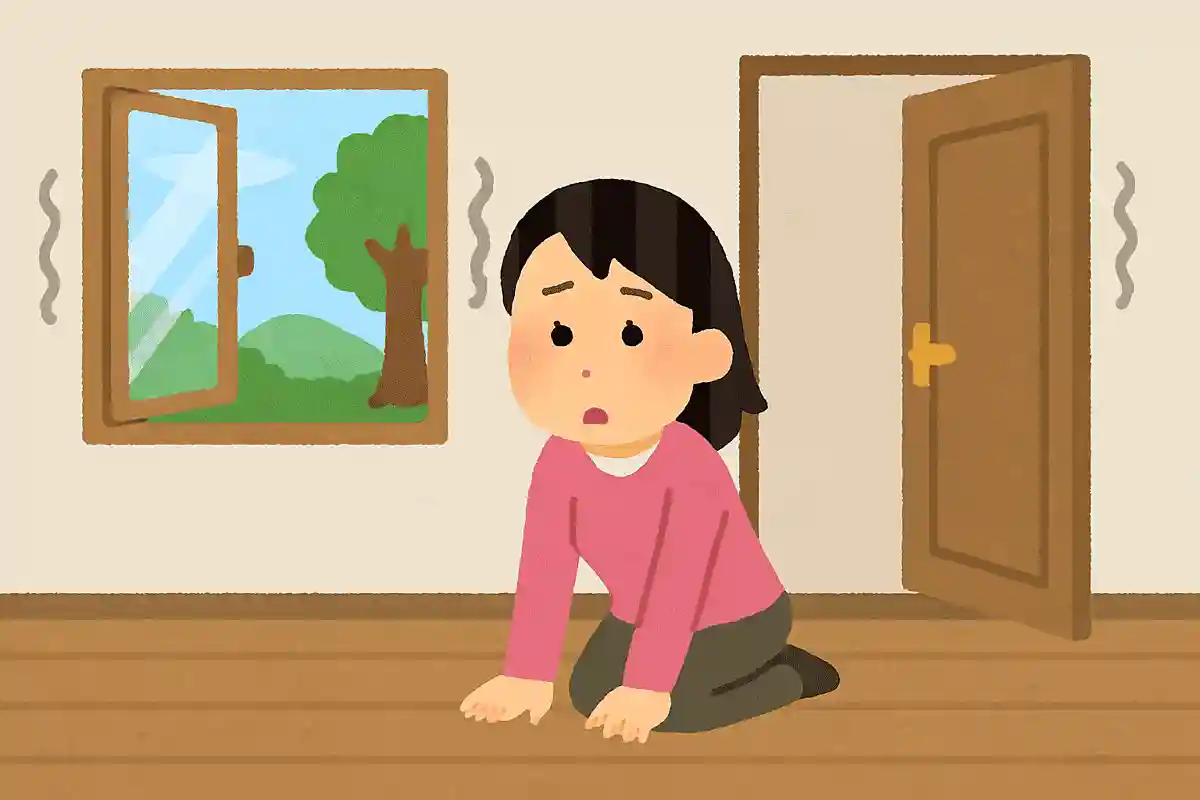


When an earthquake strikes, are you confident you can take the right actions? Information about earthquakes themselves and evacuation procedures is continually updated as new quakes occur over time, so many people still hold outdated or incorrect knowledge.
In this article, we present earthquake trivia and fun facts for the general public in a quiz format! You can enjoy learning useful knowledge for emergencies—such as what actions to take when an earthquake happens, the seismic intensity scale, and the number for the disaster message service.
To strengthen your disaster preparedness, why not take this opportunity to review the earthquake knowledge you “thought you knew”?
- Useful in emergencies! Learn disaster preparedness the fun way with a disaster-prevention trivia quiz
- Tsunami General Knowledge Quiz! Learn surprising facts and trivia through a quiz
- A trivia quiz about typhoons you might not know: questions range from general knowledge to disaster preparedness.
- How many can you answer? Trivia and fun facts quiz about rice
- Trivia quiz with useful tips to know: fun facts that come in handy at school or at home [for kids]
- How many can you solve? A surprising trivia and fun facts quiz about total lunar eclipses
- Recommended for elementary school students! Trivia quiz you'll want to share once you know it
- How many can you get right? Check your general knowledge with a heatstroke trivia and fun facts quiz.
- A three-choice quiz of useful trivia: a collection of questions you can use in everyday life
- [Killing Time] A Collection of Fun Trivia Quizzes You'll Want to Share with Someone
- A compilation of unsettling trivia and fun facts about Earth
- How many can you solve? Test your spring knowledge with a trivia quiz about March!
- How many can you solve? An Otsukimi trivia quiz from general knowledge to surprising fun facts
How many do you know? An earthquake trivia quiz: from general knowledge to fun facts (1–10)
Why should you open the front door and windows after the shaking from an earthquake stops?
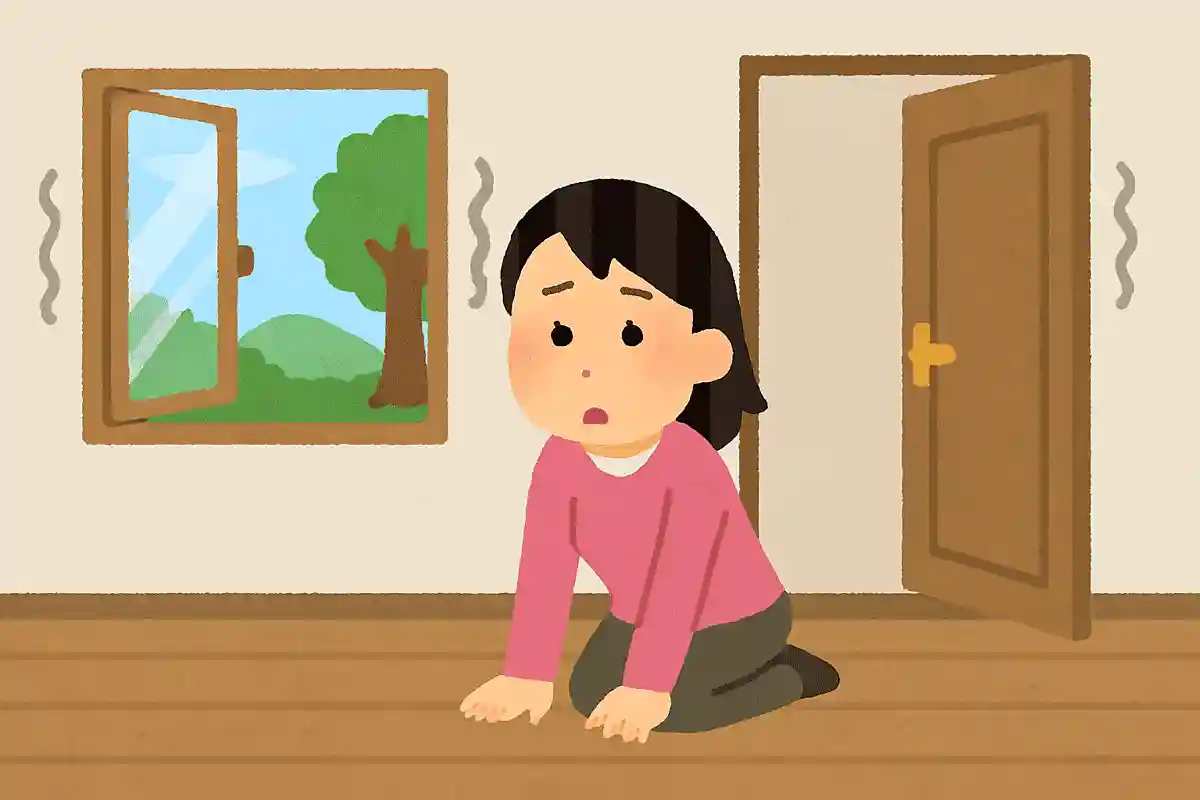
- To ensure/secure an evacuation route
- To open (it) as an evacuation site
- To prevent glass from shattering and scattering
See the answer
To ensure/secure an evacuation route
What you should do after the shaking from an earthquake subsides is secure an evacuation route. If the earthquake continues, your house may collapse or exits may become blocked. Before that happens, it’s important to open the front door and windows to ensure you have a clear way out.

When an earthquake early warning is issued, which of the following ways of acting is best?
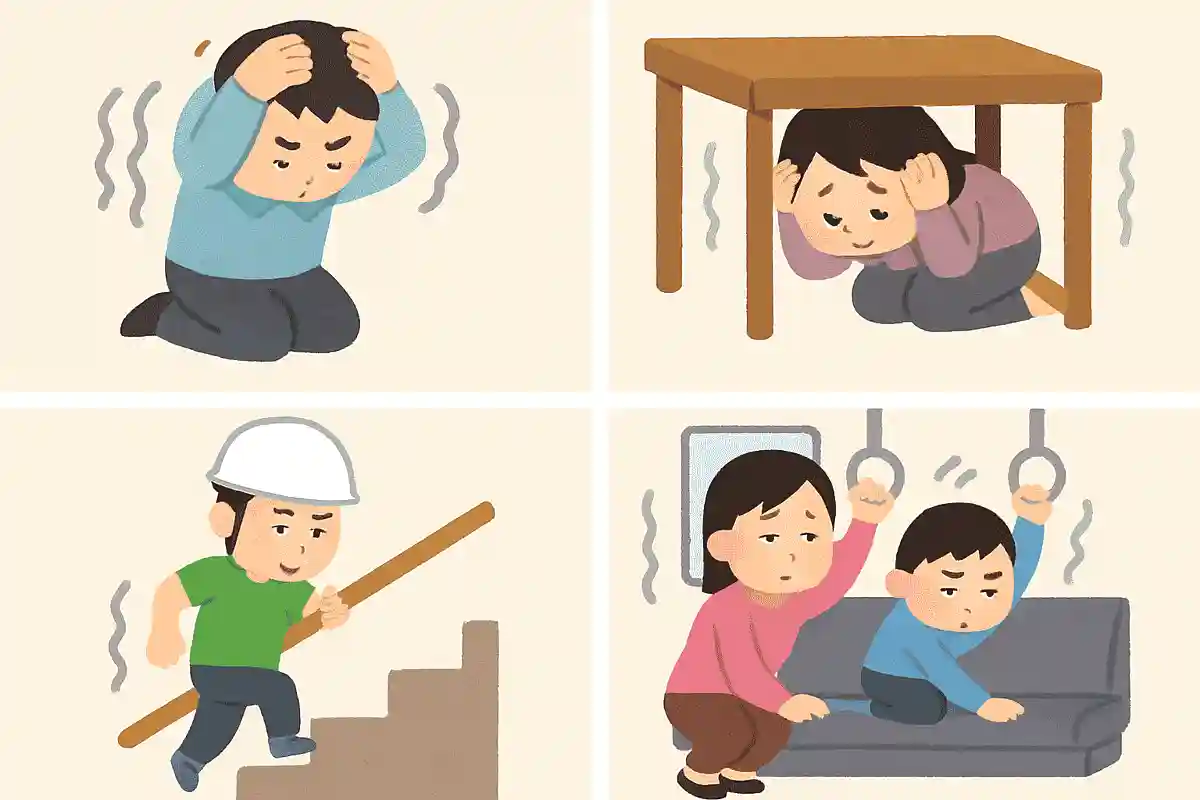
- put out the fire
- Go outside immediately.
- Take cover under a desk and protect your head.
See the answer
Take cover under a desk and protect your head.
When an earthquake occurs, the first priority is to ensure your personal safety. To protect yourself from falling objects, take shelter under a sturdy desk as soon as you feel the shaking and protect your head. It can be dangerous to force yourself to check heat sources or to rush outside in a panic, so please be careful.
At what seismic intensity does the gas supply automatically shut off for safety when an earthquake occurs?
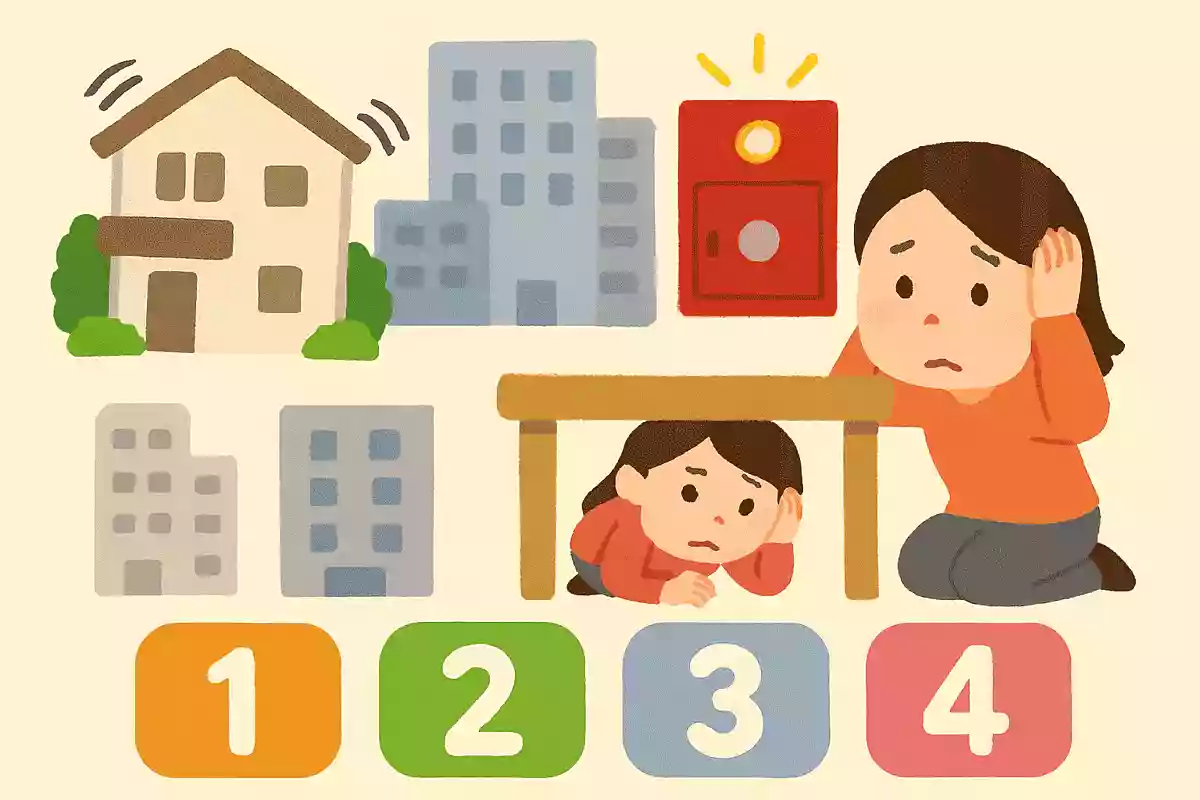
- Seismic intensity of 3 or higher
- seismic intensity equivalent to 4 or higher
- Seismic intensity equivalent to 5 or higher
See the answer
Seismic intensity equivalent to 5 or higher
In general, city gas supply is automatically shut off when shaking equivalent to seismic intensity 5 or higher is detected. This is to prevent gas leaks and fires caused by major tremors, and safety devices are activated in household microcomputer meters and the gas company’s supply equipment. Since this is an automatic function intended to prevent the spread of disasters, it’s important not to panic even if the shutdown occurs.

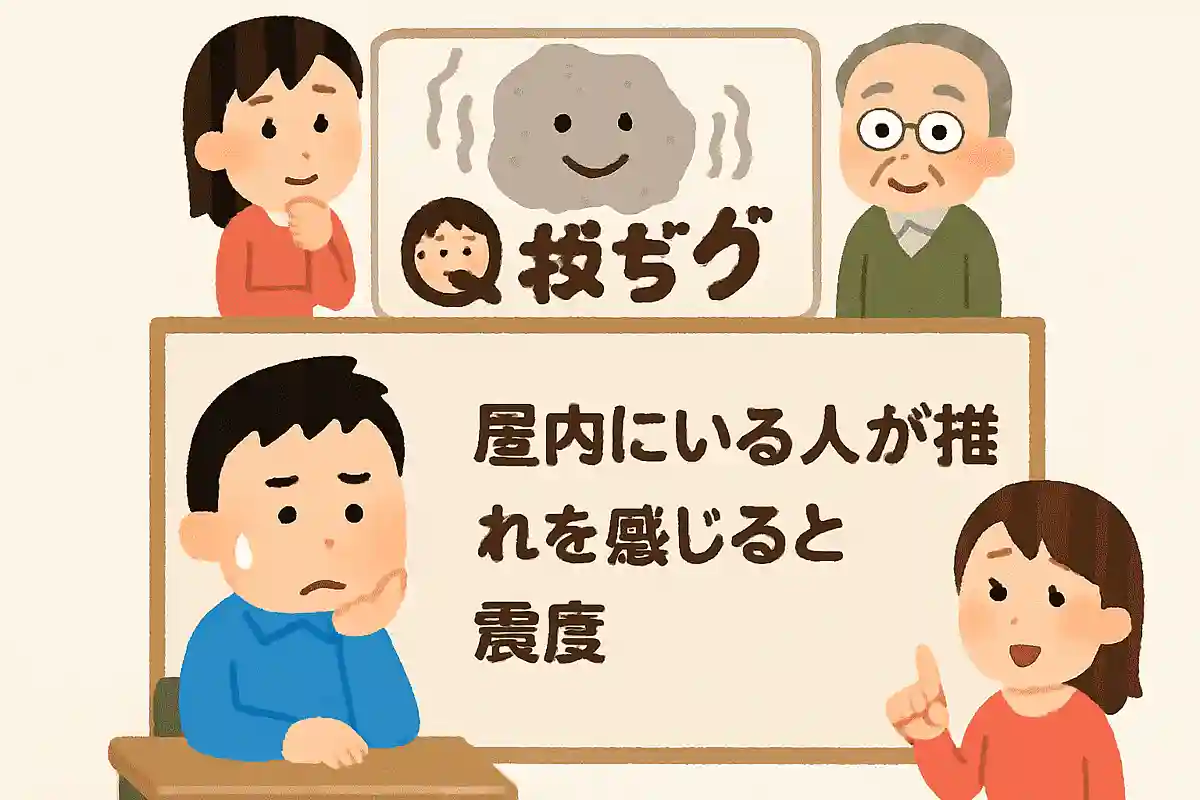
What seismic intensity level is said to be felt by most people indoors?
- Seismic Intensity 2
- Seismic intensity 3
- Seismic intensity 4
See the answer
Seismic intensity 3
Indoors, seismic intensity 3 is when most people can feel an earthquake. You may also notice it at intensity 1 or 2, but that usually happens when you’re quietly staying in a room. From intensity 4 and up, the shaking is strong enough for anyone to recognize an earthquake, regardless of location.
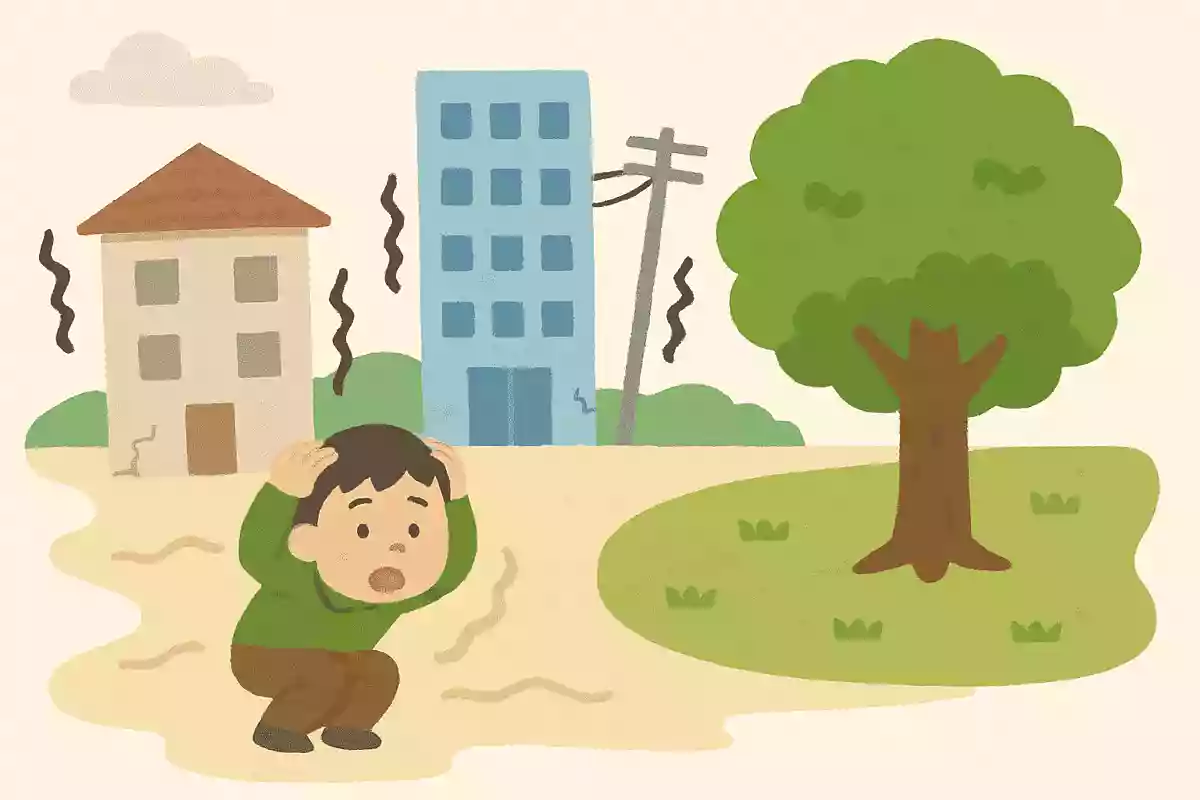
If you are outdoors when an earthquake occurs, which locations are appropriate as safe evacuation areas?
- right next to the building
- an open wide area
- Under utility poles and streetlights
See the answer
an open wide area
If you are outdoors when an earthquake occurs, evacuate to a safe, open area. Parks, sports fields, and plazas are recommended. Places near buildings that might collapse or where falling objects are likely can be dangerous and cause injury. If there is nowhere nearby to evacuate, protect your head with a bag or jacket and shield yourself from falling objects.

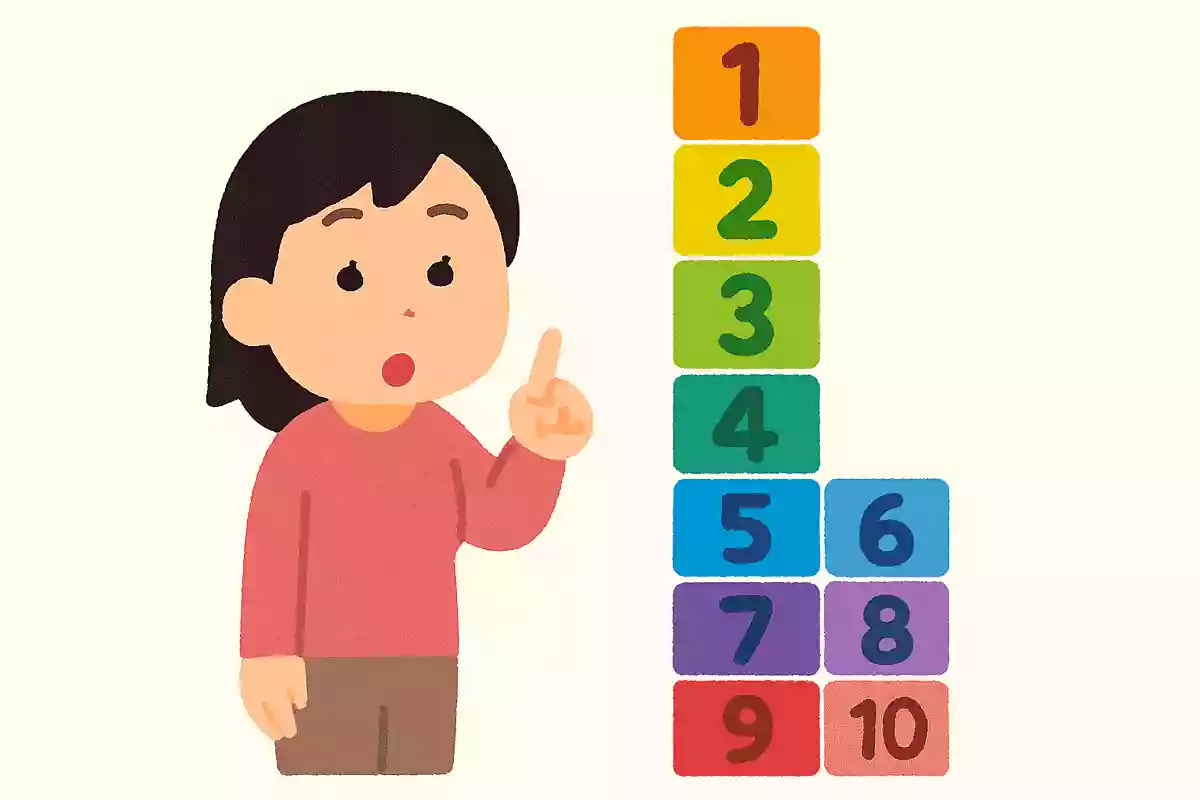
How many levels are there in the Japanese seismic intensity scale?
- seven classes
- eight classes
- 10 classes
See the answer
10 classes
There are ten levels in Japan’s seismic intensity scale: Intensity 0, Intensity 1, Intensity 2, Intensity 3, Intensity 4, Intensity 5 Lower, Intensity 5 Upper, Intensity 6 Lower, Intensity 6 Upper, and Intensity 7. Up to Intensity 3, people generally just feel the shaking and are startled, but at Intensity 4 and above, light fixtures may sway and objects may fall over, so many people are likely to feel afraid.
Into how many levels is magnitude, the unit that represents the size of an earthquake, divided?

- 10 levels
- 20 levels
- There is no upper limit.
See the answer
There is no upper limit.
Magnitude, which is often confused with seismic intensity, actually has no upper limit. Seismic intensity indicates how strongly a specific area shook during an earthquake, while magnitude represents the size of the earthquake itself. Because magnitude is a numerical measure of the earthquake’s energy, it has no upper bound.