

[For Seniors] Tricky quiz with annoying answers: a collection of questions guaranteed to get everyone excited once they hear the answers

Here are some trick questions packed with humor—perfect for a little mental workout.
Sometimes you’ll have an “Oh, that’s what it is!” moment, and other times the sheer cheekiness might make you sigh.
We’ve gathered a collection of quizzes that help you develop flexible thinking while having fun—great for communicating with seniors, too.
Since these are questions with deliberately annoying answers, you won’t reach them by taking the wording at face value.
Loosen up your thinking and give it a try! It’s a lineup of slightly mischievous, unique questions that you’ll be tempted to spring on someone else.
- [For Seniors] Get Excited by Knowing the Answers! Tricky Quiz
- [For Seniors] Try this ultra-difficult trick quiz! How many questions can you solve?
- [For Seniors] Liven Things Up with Trick Riddles You Answer!
- [For Seniors] Challenge Your Brain with Super-Hard Quizzes! A Collection of Tough Questions That Feels Great Once You Know the Answer
- [For Seniors] A guaranteed crowd-pleaser: the Say-Anything Quiz. Brain-training questions that won’t be fooled by trick questions.
- [Riddle Quiz for Seniors] Brain Training Perfect for Mental Exercise
- [For Seniors] Fun and Informative Trivia Quiz Collection
- [For Seniors] Fun and Lively! Recommended Quiz Questions
- [For Seniors] Laugh-Out-Loud, Crowd-Pleasing! Fun Quiz
- [For Seniors] Recommended and Exciting! Brain-Teaser Quiz Collection
- [For Seniors] The 10-Time Quiz That’ll Trip You Up! A Collection of Hilarious, Sure-to-Make-You-Laugh Questions
- [For Seniors] Fun Brain Training! A Collection of Tricky Quizzes You’ll Definitely Get Stumped By
- [For Seniors] Recommended for Brain Training! Ultra-Difficult Quizzes and Riddles
For Seniors: Trick Questions with Annoyingly Clever Answers. A Sure-Fire, Crowd-Pleaser Quiz Collection (1–10)
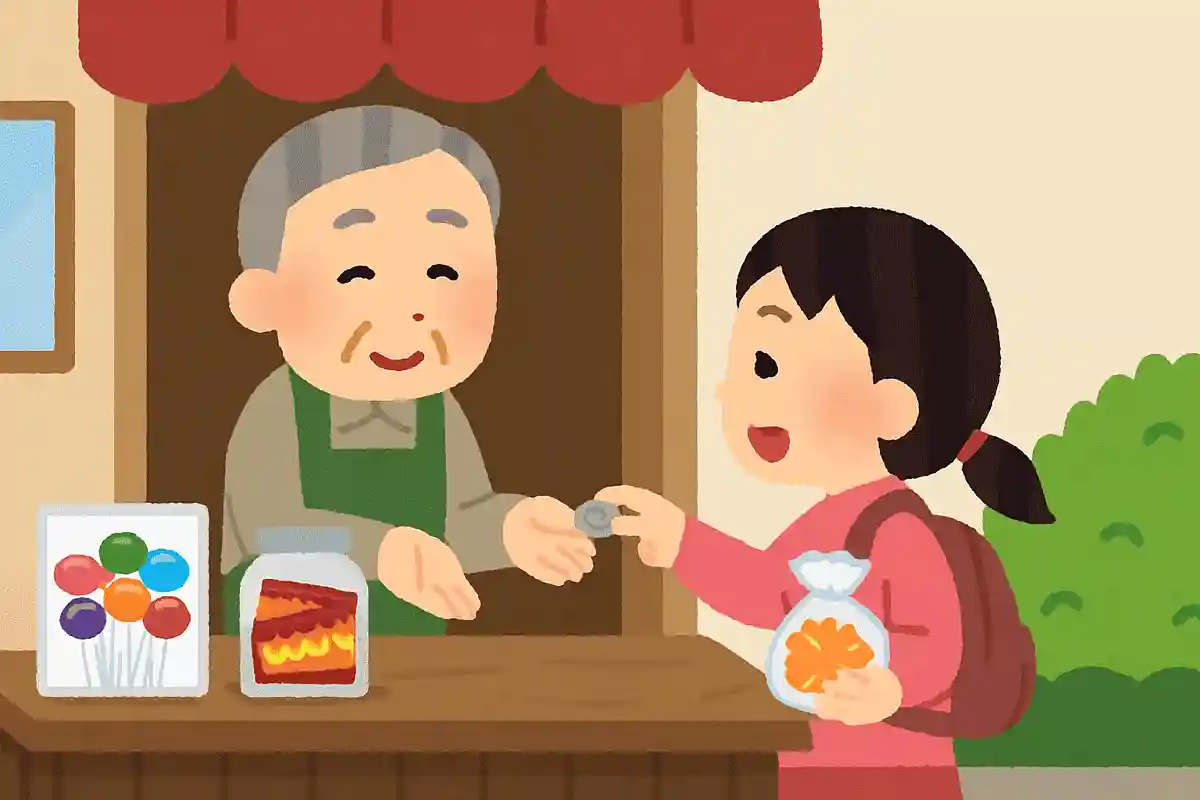
B-chan, who had 500 yen, bought a 300-yen snack at a candy shop. How much change did she get?
See the answer
0 yen
Normally, you might subtract 300 yen from 500 yen and think the answer is 200 yen, but the problem implicitly suggests that the payment was made so that no change would be needed. In this case, B-chan paid exactly 300 yen to avoid receiving any change. In other words, the change is 0 yen. For problems like this, you need to not only calculate straightforwardly but also read the intent of the question and any hidden conditions carefully. It’s a bit of a trick question.

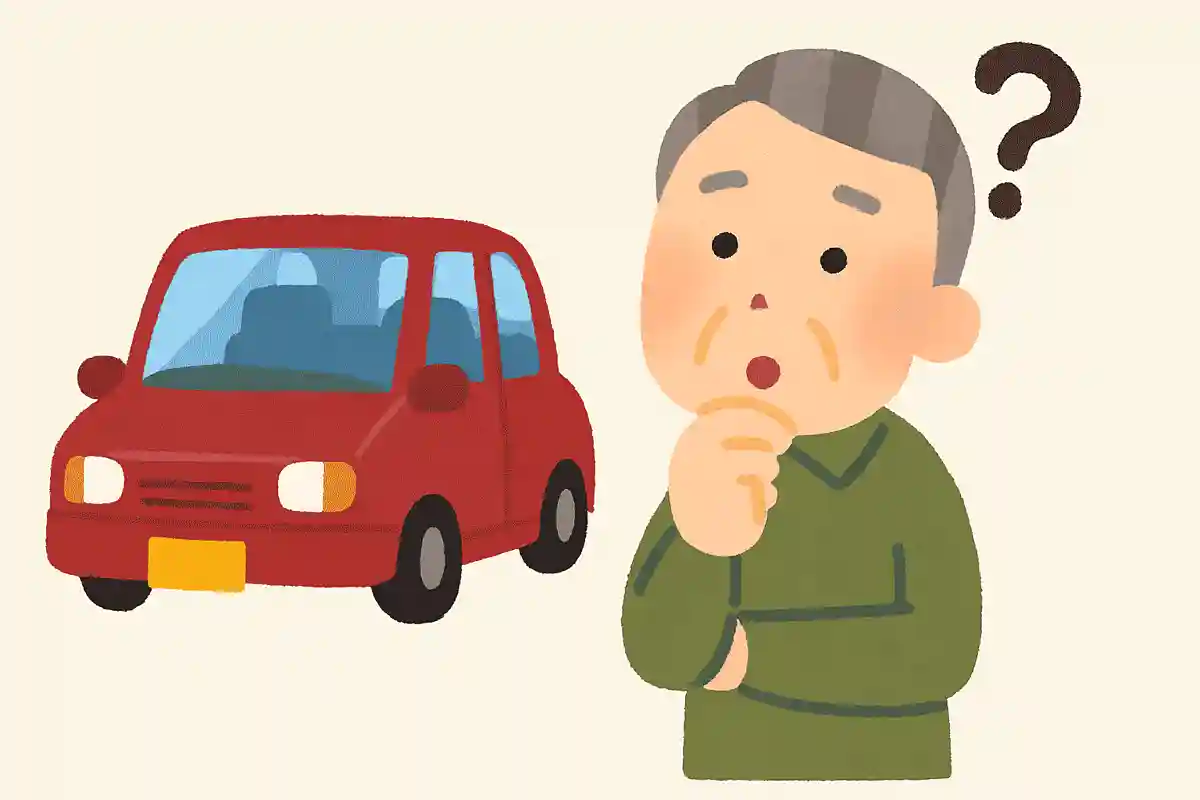
From what age can you ride in a car?
See the answer
0 years old
At first glance, this question makes you think about the legal driving age, but in fact it only asks about the act of “riding in a car.” If you’re just a passenger, there’s no age restriction, so even a newborn—i.e., a 0-year-old—can ride in a car using a child seat. It’s an annoying trick question that focuses on “riding,” not “driving.”
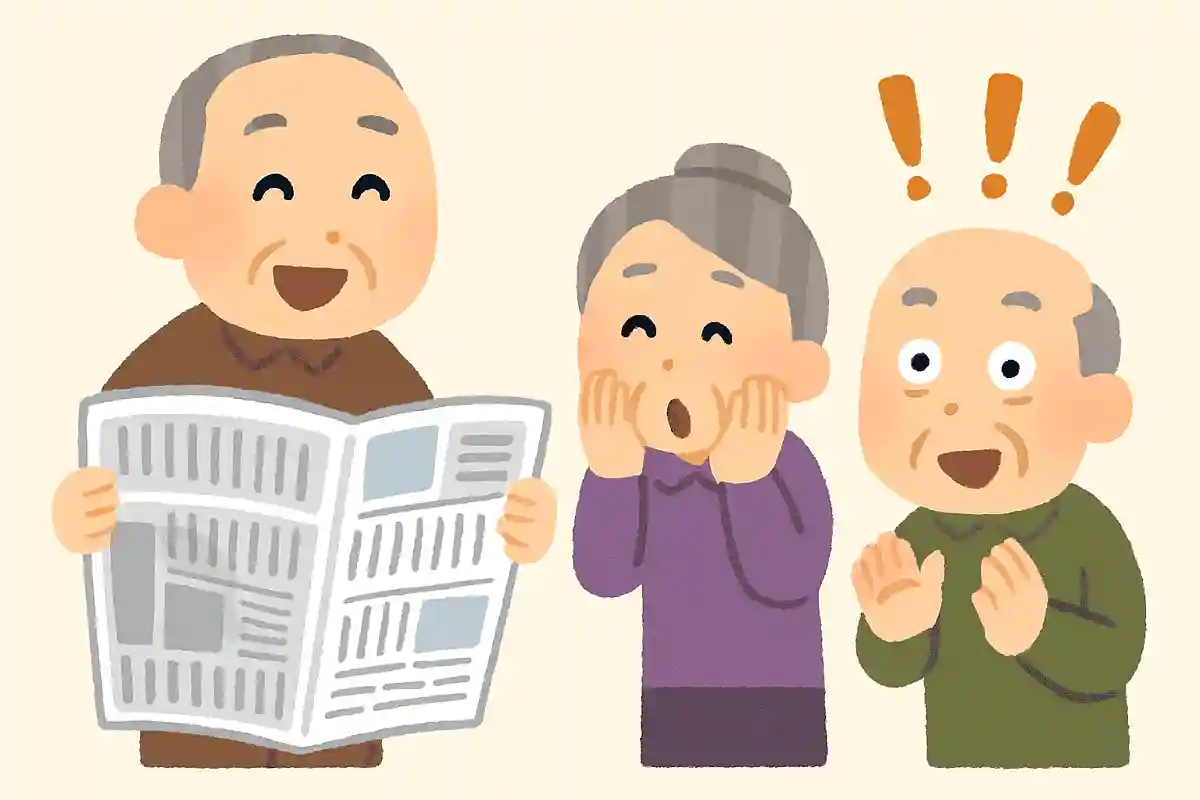
What happens if you turn a newspaper upside down?
See the answer
Hard to read.
Even if you turn a newspaper upside down, its content doesn’t change, but the letters are reversed, making it very hard to read. This isn’t the common “shinbunshi” palindrome that reads the same backward and forward!
[For Seniors] Tricky quizzes with annoying answers: a must-have set of questions guaranteed to get everyone excited once they hear the answers (11–20)
There are five daikon radishes growing in the field. If you pull out two of them, how many are left?

See the answer
two
In the problem statement, the word “ato” in the question “Ato wa ikutsu deshou ka?” means the “marks (impressions) left behind” after pulling out the radishes. In other words, if you pull out two radishes, you end up with two marks. In a normal arithmetic problem, it would be interpreted as “How many are left?”, but this is a wordplay trick question, and the answer is that there are two marks left.
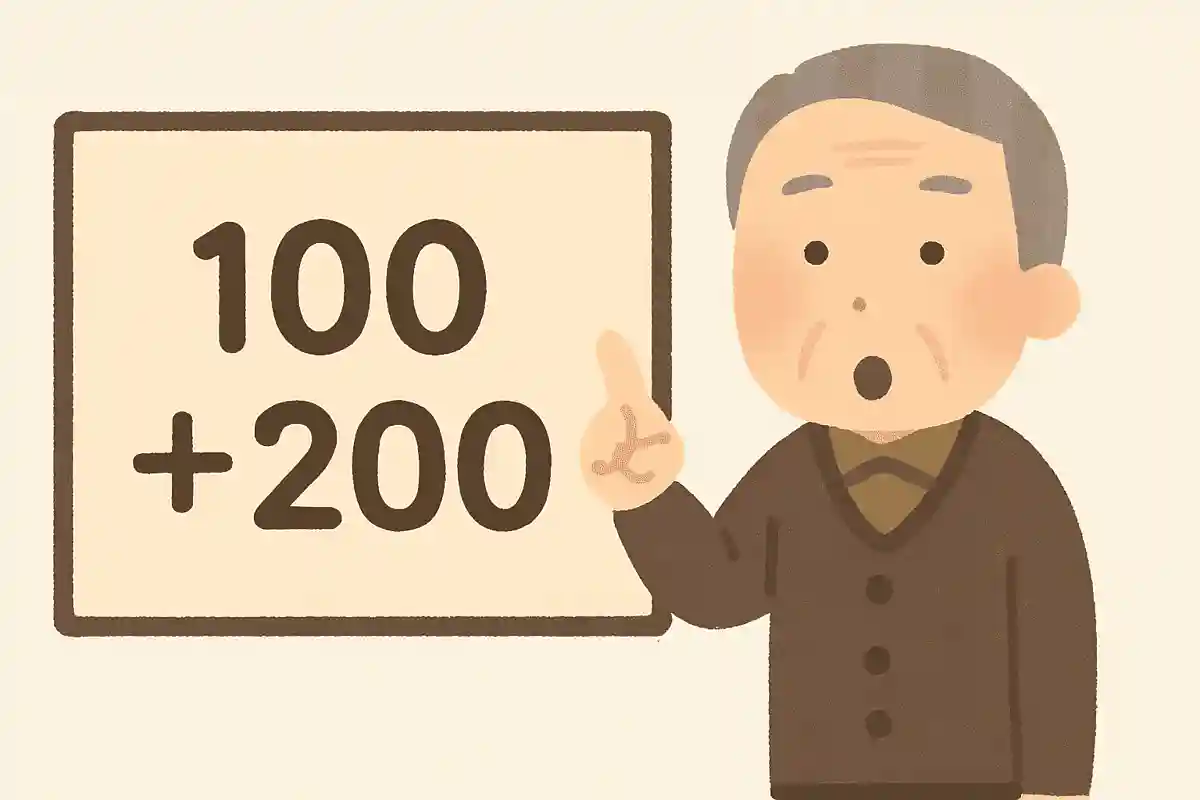
The answer is very simple. What is 100 + 200?
See the answer
Very easy
You’ll naturally want to answer 100 + 200 = 300, but this quiz is a trick question, and the problem statement explicitly says “the answer is very simple.” In other words, the answer is literally “very simple”—an annoying question indeed.
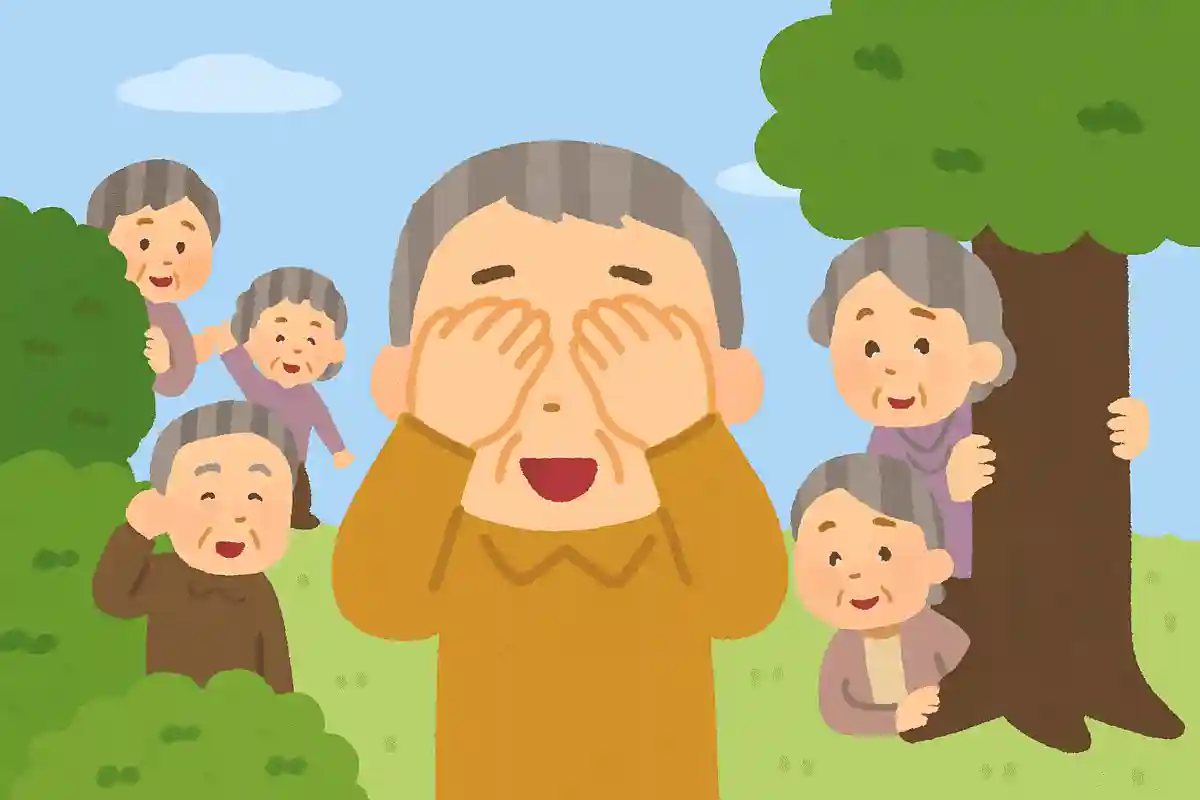
Eight people played hide-and-seek. If five were found, how many are left?
See the answer
2 people
In hide-and-seek, there is one “it” (the seeker) and the rest are hiders. If you play hide-and-seek with eight people, there will be one seeker and seven hiders. If five people have been found, that means five of the hiders have been found, so there are still two hiders who haven’t been found. Therefore, the answer is two.
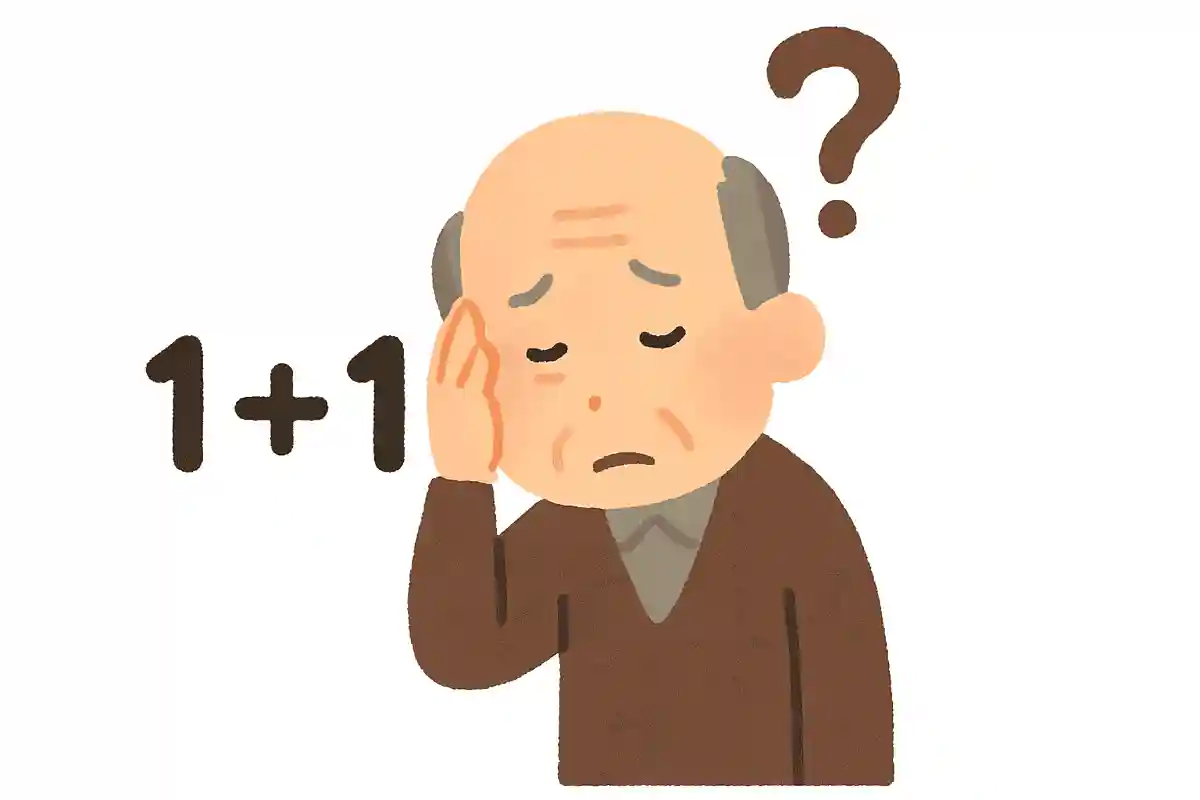
Despite being an adult, Mr./Ms. A couldn’t answer the question, “What is 1 + 1?” Why is that?
See the answer
Mr./Ms. A is a foreigner and did not understand Japanese, so ...
This question isn’t about knowledge or calculation; the trick lies in the way it’s posed. Person A is an adult, but because they are a foreigner who doesn’t understand Japanese, they didn’t understand the Japanese question “What is 1 + 1?” to begin with. That’s why they couldn’t answer.