

[For seniors] April haiku. Exciting
April is the season when cherry blossoms reach full bloom, evoking a sense of new beginnings.
As this time of year makes you want to step outside, why not express its beauty through haiku? Haiku is a traditional Japanese art that captures the changing seasons and puts personal feelings into words in a 5-7-5 syllable form.
For older adults in particular, it can be an enjoyable activity that sparks new discoveries and conversations while reminiscing about fond spring memories.
Let’s enjoy a lively haiku time together, feeling the seasonal charms of April.
- [For Seniors] Haiku for March: Enjoying a Spring Moment with Famous Verses
- [For Seniors] Spring Haiku. Spring Activity
- [For Seniors] Classic spring songs to sing in April: A heartwarming moment with nostalgic children’s songs and kayōkyoku (Japanese popular songs)
- [For Seniors] Enjoy the Arrival of Spring Indoors! Recommended April Origami
- [For Seniors] Summer Haiku: Ideas to Feel the Season
- April events and observances that seniors can enjoy
- [For Seniors] Embraced by Spring: Wall Decoration Ideas to Enjoy in April
- [For Seniors] Interesting spring haiku: introducing verses with striking kigo and unique expressions
- [For seniors] Classic spring kigo: beautiful words that evoke the season
- [For Seniors] Enjoy a Warm Spring! April Health Topics Roundup
- [For Seniors] Haiku Introductions for May: A Fun Recreation Activity
- For Seniors: Games and Recreational Activities to Enjoy in April
- [For seniors] Enjoy spring: April craft ideas
[For Seniors] Haiku for April. Exciting (11–20)
At the flower pavilion, blossoms overlapping, a fragrance lingers.
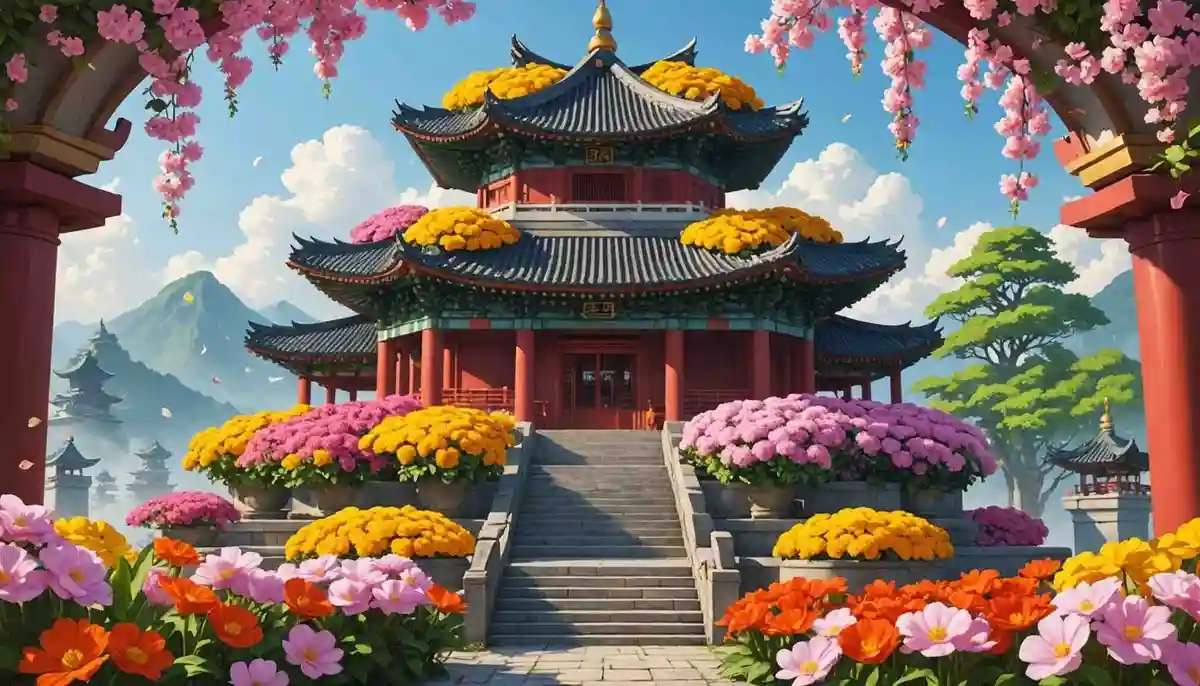
Tei Oikawa was a haiku poet active in the Showa era who, by founding the Azalea Women’s Haiku Circle, contributed to the emergence of many women haiku poets.
This haiku depicts the Flower Festival in April, with the flower pavilion lavishly adorned with blossoms, from whose overlapping layers a lovely fragrance wafts.
It paints a vibrant scene that includes the sense of smell.
The repeated use of the character for “flower” is also noteworthy, emphasizing the image of flowers blooming in layers.
It’s a technique that stages the scene not only through the meaning of the words but also through the visual appearance of the characters.

Little sparrows, out of the way, out of the way—horses are passing.
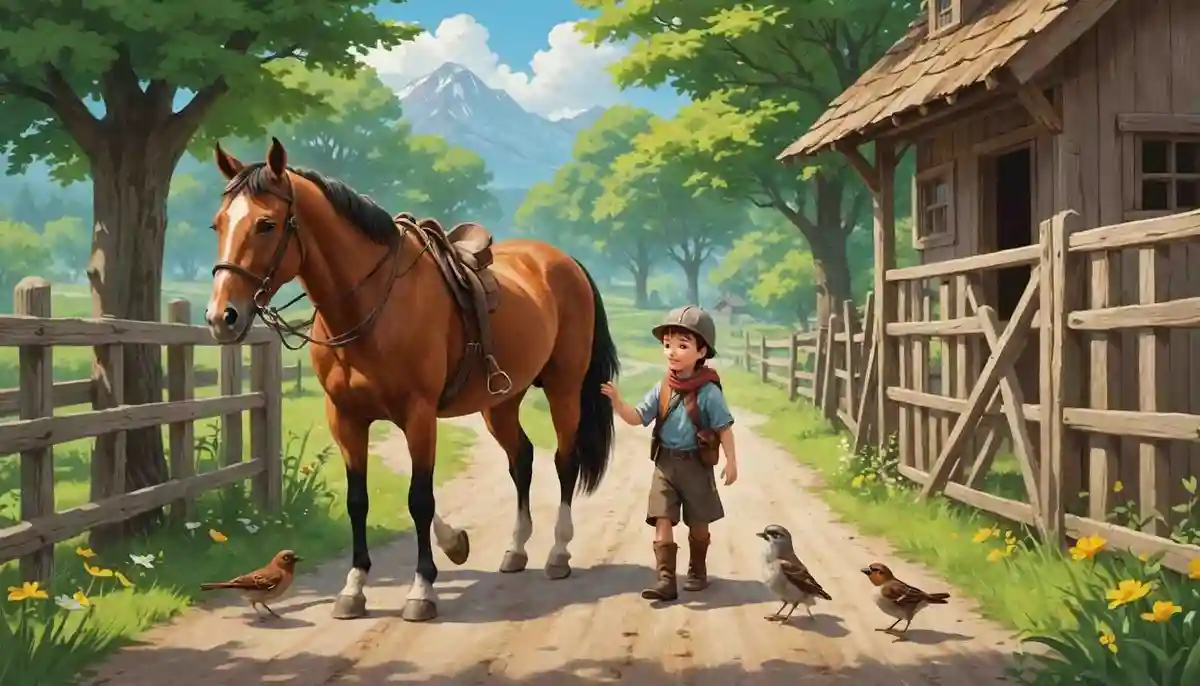
I would like to introduce Kobayashi Issa’s haiku: “Little sparrows— make way, make way, a horse is coming through.” Kobayashi Issa is one of the representative haiku poets of the Edo period.
Many older people may be familiar with him.
The sparrows that appear in the haiku are said to lay eggs in spring, which tells us the poem was composed in that season.
It brings to mind a scene of tiny sparrow chicks playing on a warm spring day.
In it, we can feel Issa’s gentle heart, as if he were warning them kindly that a lord or samurai on horseback is coming and it’s dangerous.

Flowers at the gate, quietly white—clouded with spring.
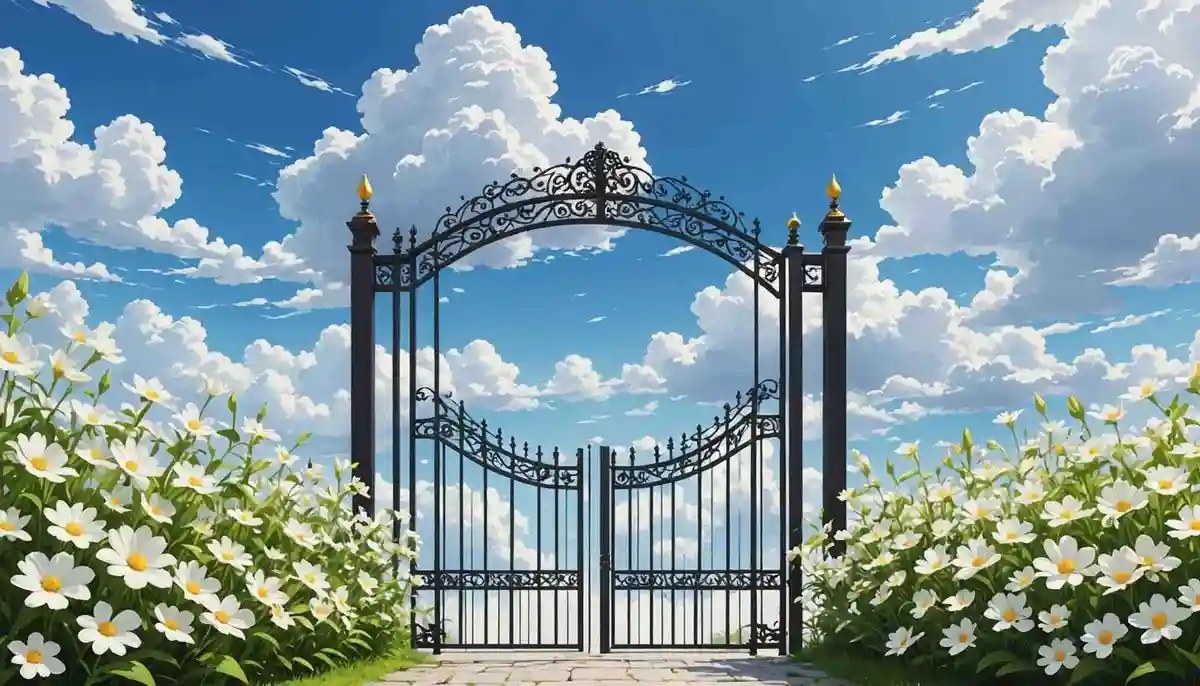
Here is a haiku by Sekitei Hara, a representative haiku poet of the Taisho era.
“Mon no hana shizuka ni shiroshi hanagumori” describes the beauty of flowers blooming on a softly overcast spring day.
Hanagumori is the seasonal word, referring to the thin clouds that cover the sky around the time cherry blossoms bloom, giving it a hazy, dull appearance.
These days, it’s not uncommon to notice flowers blooming along the roadside while out for a walk.
Living with that kind of perspective is lovely, isn’t it? It might also be fun to compose a haiku from flowers you find while taking a stroll with an older adult.
In conclusion
Haiku is a wonderful way to enjoy expressing your feelings while sensing the changing seasons. April marks the start of the new year and a time when new things begin. By all means, take this opportunity to enjoy haiku and savor the unique atmosphere of April.