

[Elderly] Haiku with the theme of August: Introducing famous verses

Do you compose haiku? Many older adults might enjoy them.
Since the sun is strong and we often spend time indoors in August, why not try engaging with haiku? In haiku, it’s standard to use a seasonal word called a “kigo” that indicates a specific season and to compose in the 5-7-5 pattern of 17 syllables.
For August, well-known kigo include morning glory, watermelon, the Milky Way, and cicadas.
In the haiku world, the period from around August 8 to around November 6 is considered “the three autumn months” and classified as autumn.
Therefore, August kigo range from ones with a strong summer feel to those that evoke autumn.
How about discussing what kinds of kigo there are and composing haiku on a theme you like?
- [For Seniors] Summer Haiku: Ideas to Feel the Season
- [For Seniors] Haiku Selections for July: Ideas to Feel the Summer
- [For Seniors] Summer kigo: A list of famous seasonal words to enjoy while savoring their elegance
- [For Seniors] June Haiku Showcase: Ideas to Feel Summer
- [For Seniors] Haiku for September: Introducing Verses Perfect for Autumn
- [For Seniors] A Collection of Famous Autumn Haiku: Introducing Beautiful Verses That Evoke Vivid Scenery
- [For Seniors] Famous Haiku About January: Learn New Year Season Words and Tips for Composing
- [For Seniors] Evoking autumn scenes: Introducing beautiful haiku for October
- [For Seniors] Famous Haiku for December: Masterpieces Depicting Winter Scenes and Year-End Moments, Plus Tips on How to Compose Them
- [For Seniors] Haiku Introductions for May: A Fun Recreation Activity
- For Seniors: Famous Haiku of November — Introducing Verses Depicting Beautiful Autumn Scenery
- [For Seniors] Haiku for March: Enjoying a Spring Moment with Famous Verses
- [For Seniors] Winter Haiku: Introducing Beautiful Masterpieces by Famous Haiku Poets
[Elderly] Haiku on the theme of August: Introducing famous verses (11–20)
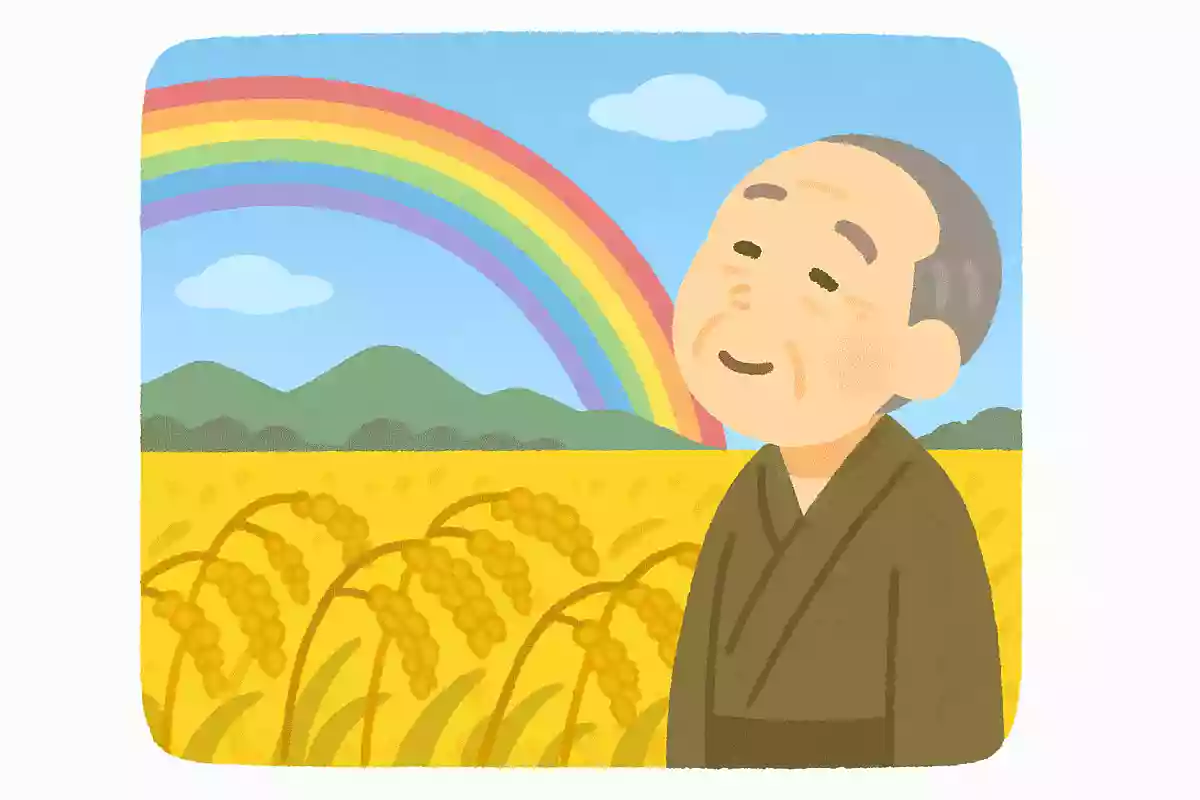
Eighth month of the lunar calendar—looking up at a rainbow, guardian of the late riceDakotsu Iida
Takotsu Iida grew up in an environment where he was exposed to many literary works and haiku from childhood.
This is said to have formed the foundation of the haiku he would later compose.
His haiku, many of which follow the traditional practice of depicting nature, were highly acclaimed as carrying on the style dating back to Matsuo Bashō.
Except for his student years, he spent his entire life in his birthplace of Yamanashi.
As a result, he often wrote poems that depict the rich natural scenery of satoyama and fields.
From the poem “In the lunar August, gazing up at a rainbow, guardian of the late rice,” we can sense the scene of autumn when the rice is ripening, with someone keeping watch to protect the paddies from birds and beasts, as well as the presence and demeanor of the watcher.

In conclusion
Among the seasonal words that represent August, there are many that evoke traditional events, insects, and plants. If you’re new to haiku, why not try composing some this summer while incorporating seasonal words? It may seem easy to fit your poem into the 5-7-5 pattern, but it’s actually quite challenging. Since it really exercises your brain, it’s also great mental training. Sharing and presenting the haiku you come up with is sure to be lively and fun!