

[For Seniors] Christmas-themed quiz. Liven up the fun with amusing trivia questions!

Shall we all enjoy the cheerful spirit of Christmas together? This time, we’re introducing a Christmas quiz that seniors can enjoy as well.
It’s packed with exciting topics you may know but not quite—like Santa’s secrets, tree decorations, and foods unique to Christmas.
Some questions are a bit challenging, but it’s fun to think them through while sharing hints.
You might even find conversations naturally starting with those around you.
Let’s learn delightful Christmas knowledge in a warm and friendly atmosphere.
- [For Seniors] Liven Things Up! 3-Choice Ranking Quiz
- [For Seniors] Introducing Trivia Quizzes and Fun Facts About December
- [Elderly Care Facility] Fun-filled recreational activities for a Christmas party: crafts, rhythmic exercises, games, and even a snack-time activity
- [For Seniors] Fun Quiz Questions That Will Liven Up December
- [Fun!] Quizzes to Liven Up a Christmas Party
- [For Seniors] Lively two-choice trivia quiz. Handy to know and tidbits you'll want to share with others
- [For Seniors] Recommended and Exciting! Brain-Teaser Quiz Collection
- [Christmas Party at the Nursing Home] Staff Take on the Challenge! Fun Performances Everyone Can Enjoy
- [For Seniors] Trivia Multiple-Choice Quiz
- [For Seniors] Brain-training with winter-themed quizzes. Great for activities, killing time, and dementia prevention.
- [For Elementary School Students] Exciting Christmas Quiz! Fun and Educational Questions
- [For Seniors] Recommended Trivia Quizzes & Fun Facts for November
- [For Seniors] Laugh-Out-Loud, Crowd-Pleasing! Fun Quiz
[For Seniors] Christmas Trivia Quiz: Lively Fun with Fascinating Facts (21–30)
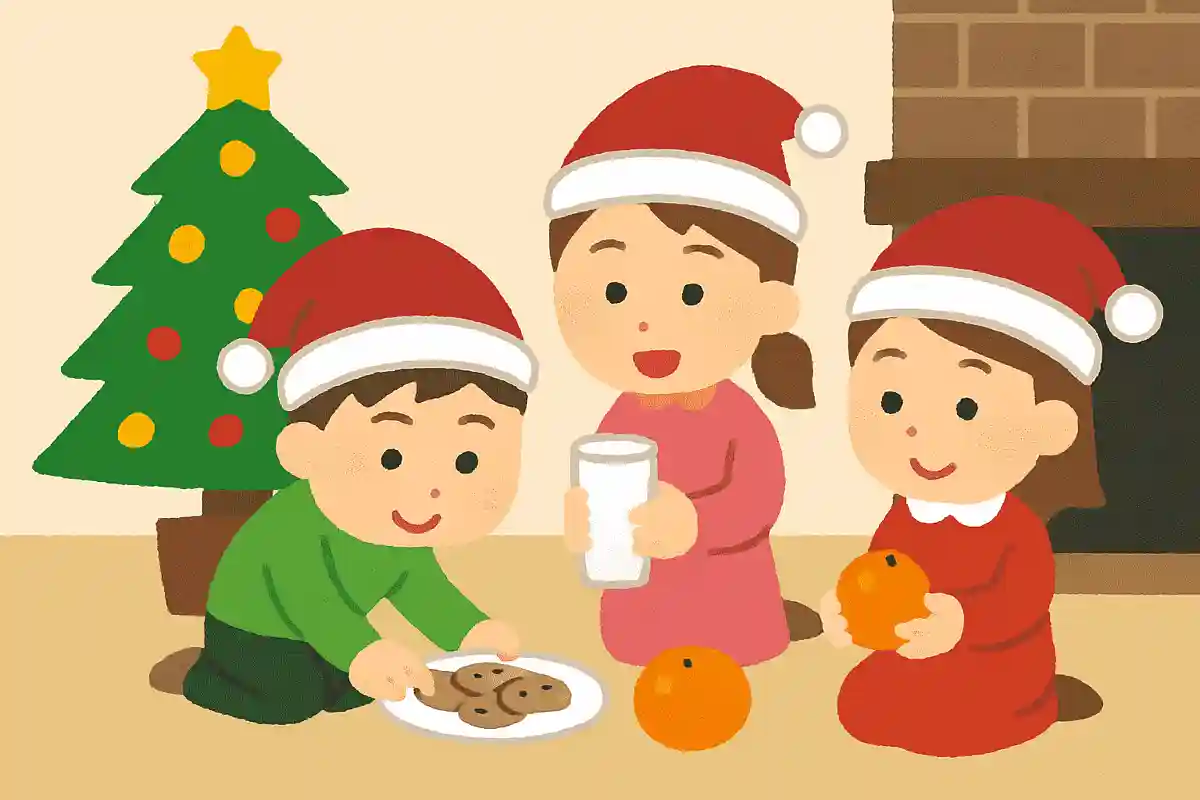
British children leave a gift for Santa Claus on Christmas Eve to show their appreciation. What is it?
- Gingerbread cookies
- Mince pies and milk
- Carrots and butter
See the answer
Meat pie and milk
In the United Kingdom, it is customary for children to set out mince pies and milk for Santa Claus on Christmas Eve. These are said to serve as his midnight refueling, and are believed to help him deliver all the presents throughout the night.

What does the “merry” in “Merry Christmas” mean?
- sacred
- sad
- fun
See the answer
fun
In “Merry Christmas,” the word “merry” means things like “cheerful” or “joyful.” The phrase “Merry Christmas” is used to express the wish to have an enjoyable Christmas.
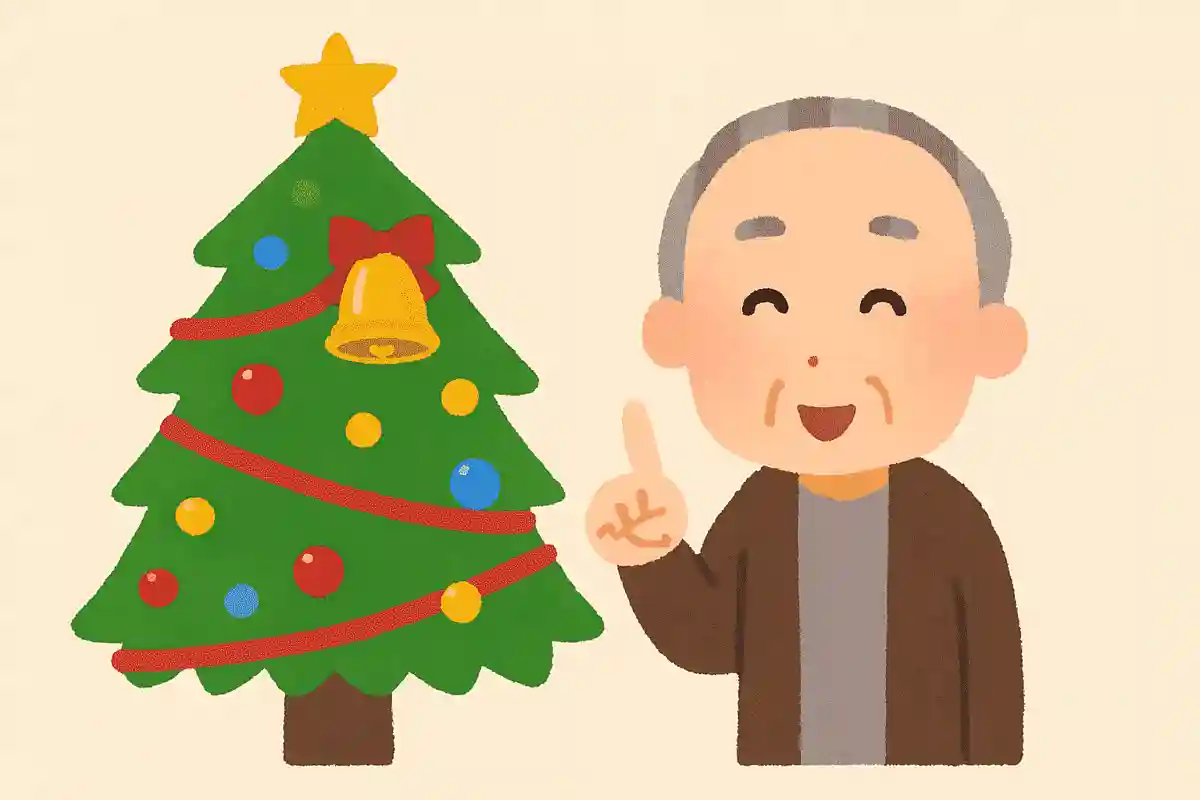
Why are bells hung on Christmas trees?
- To call Santa and the reindeer
- Because it is a symbol of Scandinavia.
- To announce the birth of Christ
See the answer
To announce the birth of Christ
Actually, decorating the tree with bells is to announce the birth of Christ. In addition, angels and dolls are also used as decorations, but it’s said that bells play the role of informing everyone. The bells are the angels’ chimes celebrating Christ’s birth.
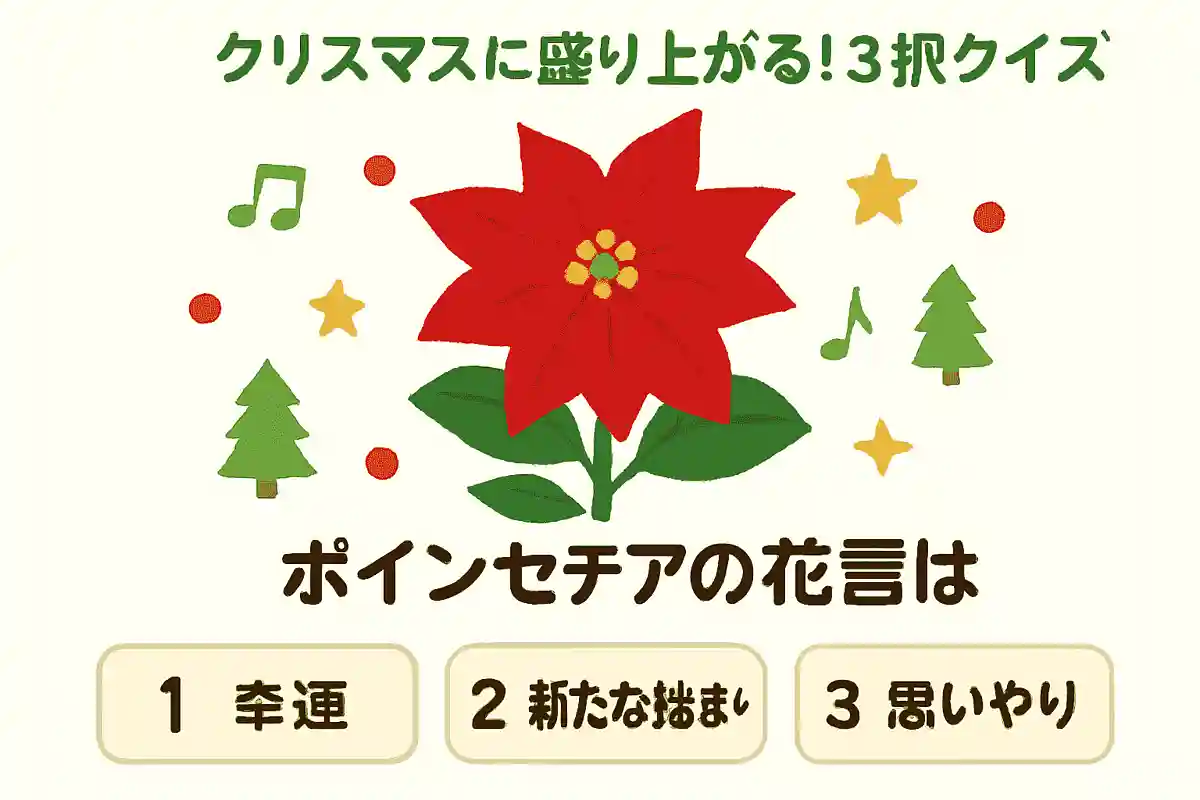
What is the flower language (meaning) of the Christmas-themed “poinsettia”?
- pure; clean; undefiled
- Passion
- Holy Night
See the answer
Holy Night
Since it’s a holy night, it’s a perfect phrase for Christmas. There are also other floral meanings such as “to bless,” “to wish good fortune,” and “my heart is burning.” And because Christmas is associated with the color red, the brightly colored red poinsettia is known as the flower of Christmas.
What meaning does the Christmas tree we decorate at Christmas have?
- Eternal love
- family love
- eternal life
See the answer
eternal life
The evergreen trees used for Christmas trees do not wither even in winter. Because of this, they are considered symbols of eternal life. In Christianity, they are also said to symbolize God’s everlasting love and the life that God bestows.
Why does Santa Claus wear red clothes?
- Because Saint Nicholas, the model for Santa Claus, wore red clothes.
- Because Jesus Christ was wearing red clothes
- Because the Nordic folk costume is red
See the answer
The model for Santa Claus was a man named Bishop Saint Nicholas. During his lifetime, he liked to wear red clothing during church ceremonies. It’s said that the red garments worn by bishops expressed their desire to help others and served as a sign that they would devote themselves to people even if it meant shedding blood.
In the Philippines at Christmas, what kind of whole roast is eaten?
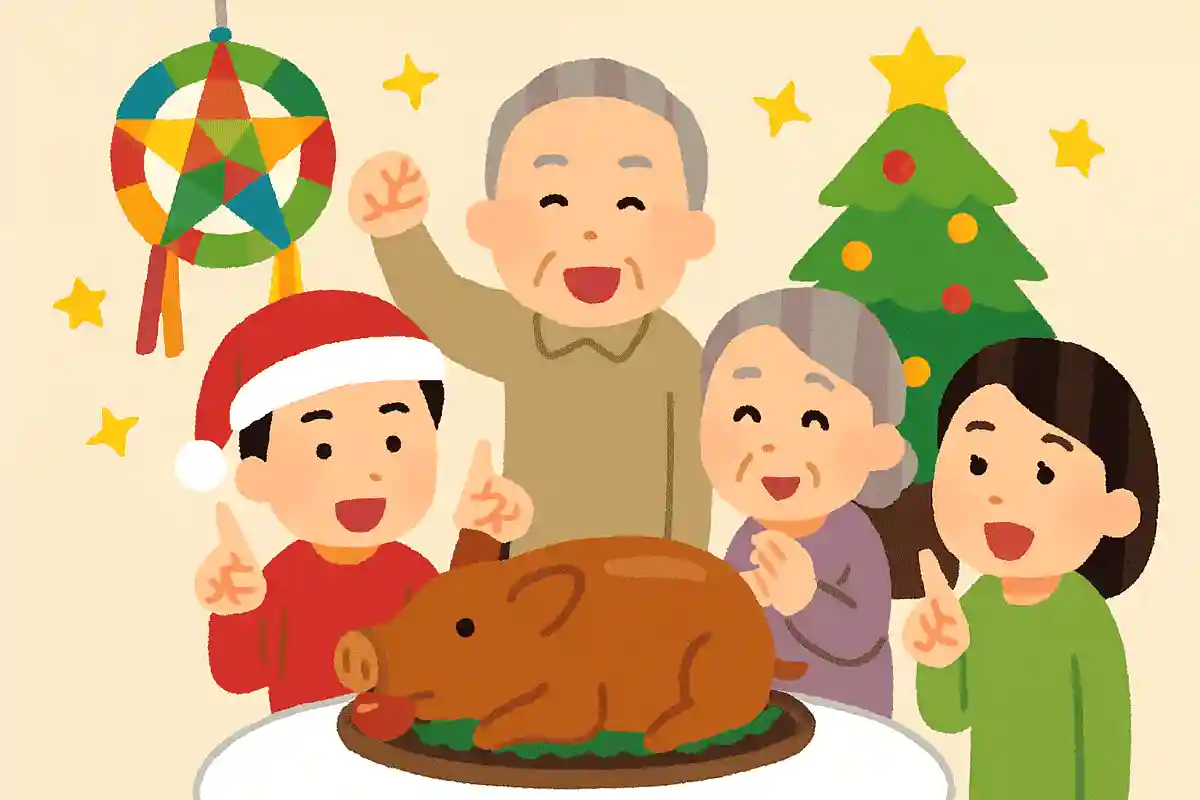
- pig
- cow
- bird
See the answer
pig
In the Philippines at Christmas, people eat a whole roasted pig called “lechon.” Lechon is considered a national dish of the Philippines and is typically served when many people gather for special days and celebrations. It’s a cultural tradition that differs from Japan’s.