

[For Seniors] Introducing Trivia Quizzes & Fun Facts About Space!

The vast universe is an eternal mystery for humanity and a constant source of curiosity.
For humans living on Earth, one of the planets in the solar system, space is an unknown realm, and its workings are always a subject of interest.
This time, we present a trivia quiz about space that can be enjoyed by everyone from children to seniors.
By taking on the challenge together with those around you, you can not only gain new discoveries and learnings, but also share in the wonder of the universe’s history and its grandeur.
Give it a try!
- [For Seniors] Trivia Quiz & Fun Facts about Stars. Brain Training
- [For Seniors] Let’s have fun with October trivia and fun facts quizzes!
- [For Seniors] January Trivia Quiz & Fun Facts. Brain training with quizzes about New Year and winter.
- Collection of trivia and fun facts about stars shining in the night sky
- [For Seniors] Trivia Quiz & Fun Facts About Earth
- [For Seniors] Enjoy Learning the Wonders of Mars! Trivia Quiz & Fun Facts to Exercise Your Brain
- For Seniors: Useful Trivia Questions! Introducing Fun Facts Quizzes You'll Want to Share
- [For Seniors] Trivia Quiz & Fun Facts for Everyday Life
- [For Seniors] Enjoyable Brain Training! Trivia Quiz & Fun Facts about Venus
- [For Seniors] Boost Your Knowledge! Fun Trivia Quiz
- [For Seniors] Fun and Informative! Trivia and Quizzes Introduced
- [For Seniors] Fun and Informative Trivia Quiz Collection
- [For Seniors] Fun and Lively! Recommended Quiz Questions
[For Seniors] Introducing Trivia Quizzes and Fun Facts About Space! (1–10)
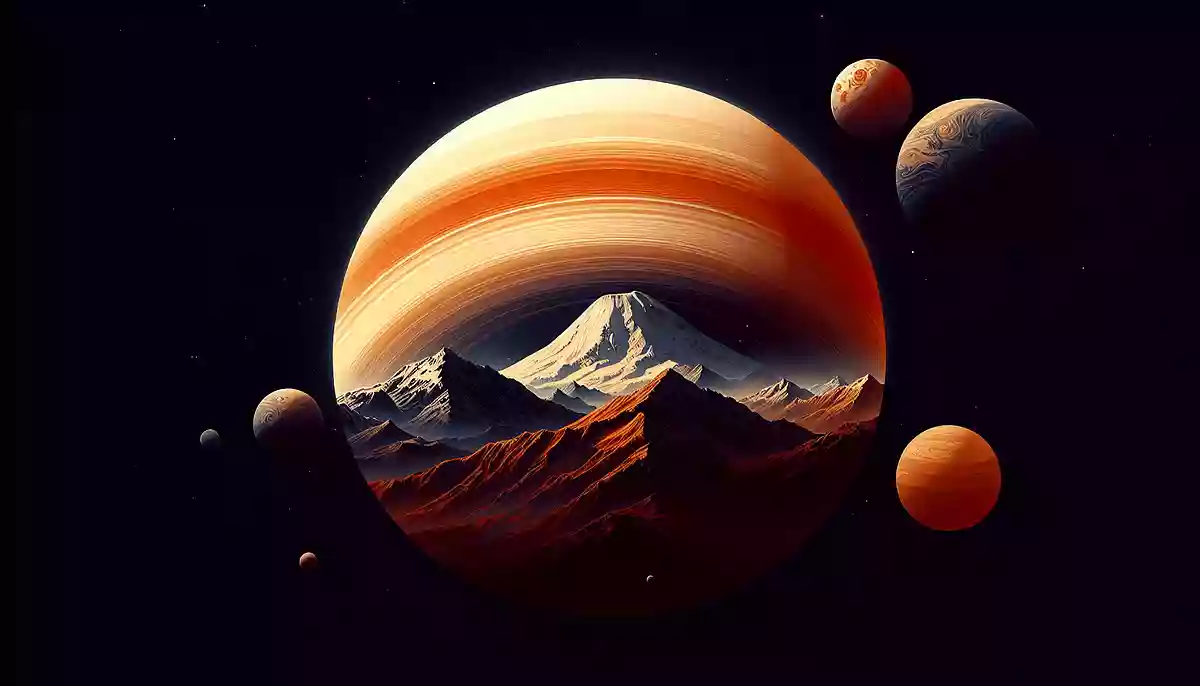
Which planet has Olympus Mons, the highest mountain in the solar system?
- Jupiter
- Saturn
- Mars
See the answer
Mars
It is said that Olympus Mons on Mars exceeds 20,000 km in height.
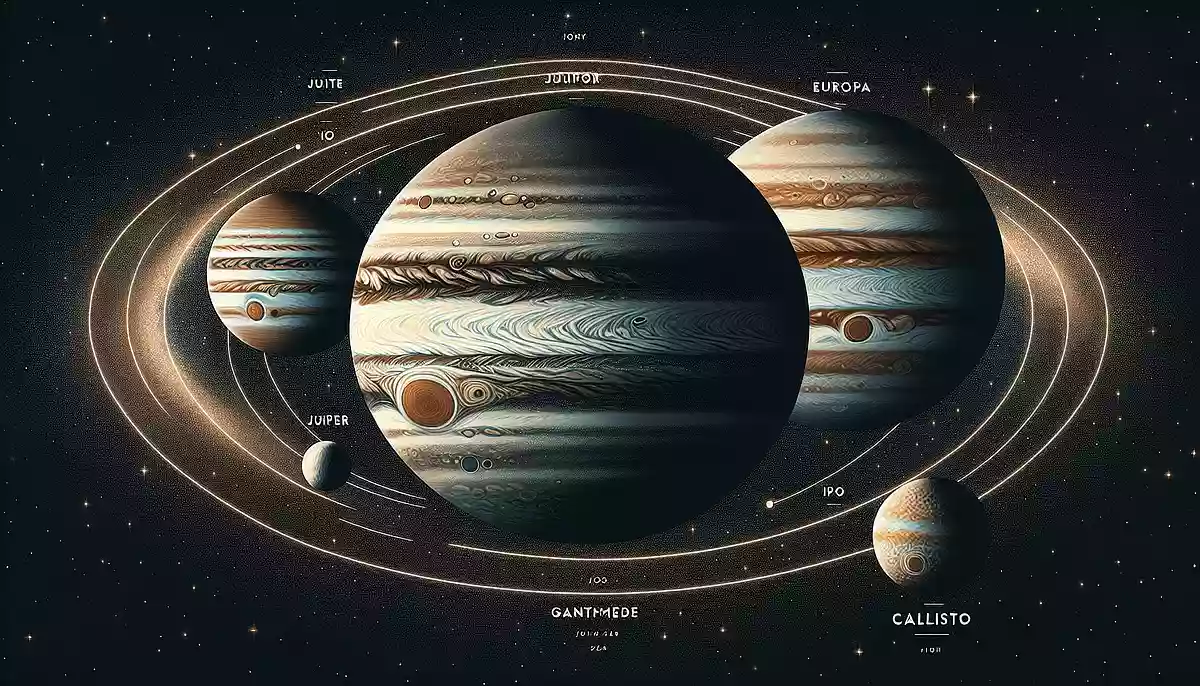
What are the four moons of Jupiter called, named after a 16th-century scholar?
- Newton
- Galileo
- Fabre
See the answer
Galileo
The four moons of Jupiter (Io, Europa, Ganymede, and Callisto) are called the Galilean moons. When Galileo was tried for religious reasons while studying the heliocentric model, the famous quote “And yet it moves” was born.
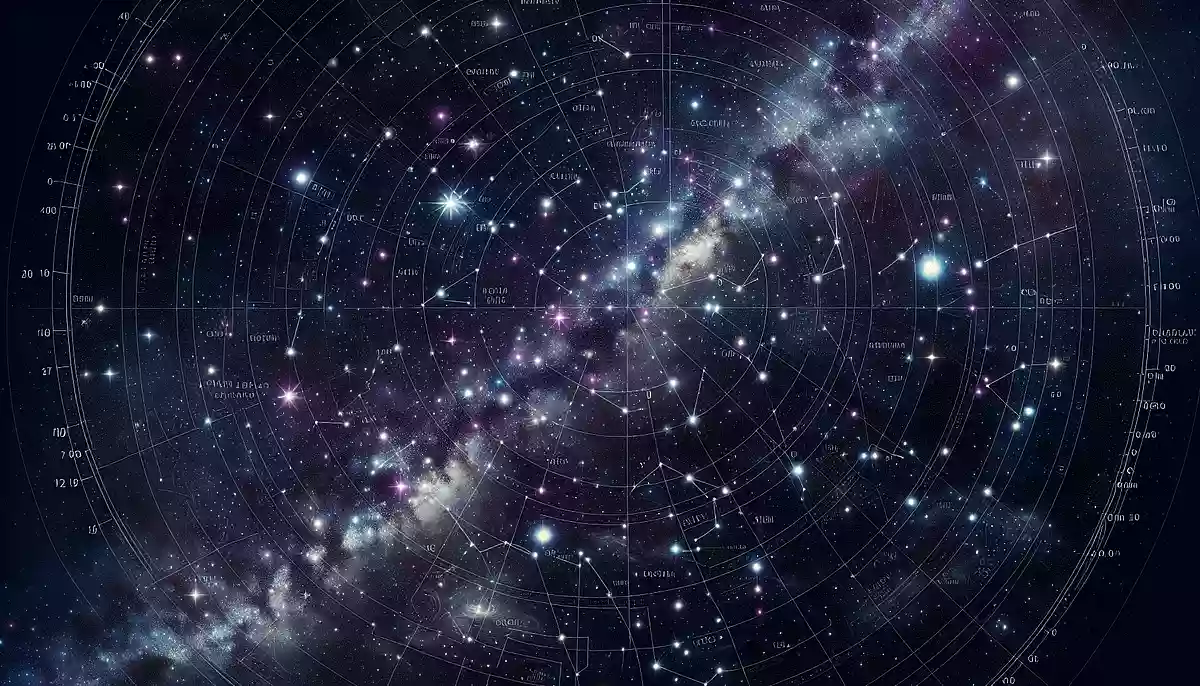
Which constellation are the stars of the Big Dipper part of?
- Ursa Major
- Canis Major
- Scorpio
See the answer
The Big Dipper is an asterism—a pattern of seven bright stars—located along the hip and tail of the constellation Ursa Major. Because of its ladle-like shape, it is also called "hishaku" (ladle) in Japan.
[For Seniors] Introducing Trivia Quizzes & Fun Facts About Space! (11–20)
What percentage is the oxygen concentration in space?
- 0%
- 10%
- 100%
See the answer
0%
Space has no oxygen and is mostly composed of carbon dioxide.
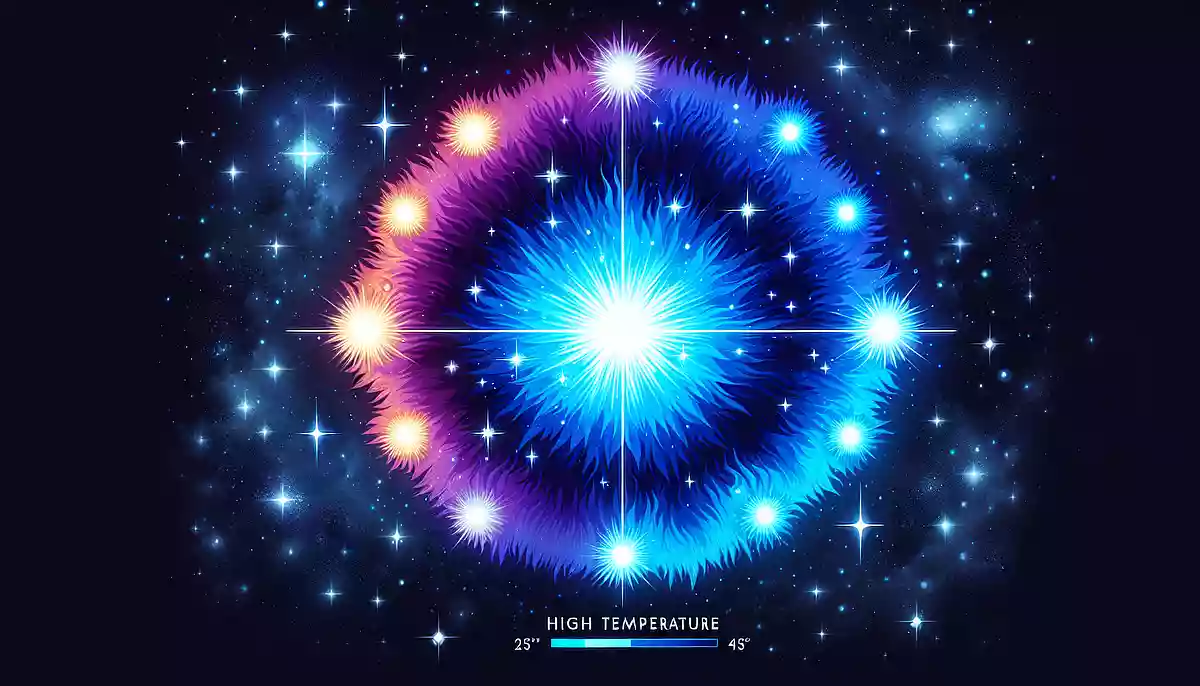
What color are stars with high temperatures?
- blue
- yellow
- red
See the answer
blue
Stars with high temperatures appear blue. A star’s surface temperature and color are closely related: the higher the temperature, the bluer it looks, and the lower the temperature, the redder it appears.
What is the temperature of Neptune, the planet farthest from the Sun in the solar system?
- -100 degrees
- -200 degrees
- -300 degrees
See the answer
-200 degrees
Neptune’s temperature varies depending on the location, but it averages about -200°C. Because it is the planet farthest from the Sun in the solar system, the sunlight it receives is weak and there is little heat.
Who was the first Japanese person to go to space?
- Toyohiro Akiyama
- Mamoru Mohri
- Chiaki Mukai
See the answer
Toyohiro Akiyama
On December 2, 1990, he visited the Mir space station as a cosmonaut aboard the Soviet spacecraft Soyuz TM-11. Mamoru Mohri is the first Japanese person to fly on the Space Shuttle, and Chiaki Mukai is said to be the first female astronaut from Asia.