

[For Seniors] Let’s Have Fun Together! Introducing Uplifting, Energizing Songs
We’d like to introduce some wonderful, uplifting songs recommended for seniors.
Listening to music not only enriches your emotions, but it’s also said to help you relax both body and mind.
Among the songs we’re about to introduce, there are many familiar tunes for seniors that will make you want to hum along.
We’ve carefully selected bright, cheerful songs and soothing pieces, based on nostalgic hits from years past.
They may even spark lively conversations about memories from those days.
Since they’re all lovely songs, be sure to use them for karaoke or exercise activities.
Playlist
| [For Seniors] Let’s Have Fun Together! Introducing Uplifting, Energizing Songs | |||
|---|---|---|---|
| show_chart | Title | Playlist | Review |
| 1east | Song of the FrogDoitsu min’yō |  play_arrow play_arrow | Enjoying folk songs of the rainy season as a round |
| 2east | The two are young.dikku mine |  play_arrow play_arrow | The classic duet by Dick Mine and Reiko Hoshi |
| 3east | Always keep your dreamsHashi Yukio / Yoshinaga Sayuri |  play_arrow play_arrow | A nostalgic classic is loved across generations. |
| 4north_east | The Highland Train GoesOkamoto Atsurō |  play_arrow play_arrow | A refreshing song themed around the railways of Fukushima Prefecture |
| 5south_east | March of 365 StepsSuizenji Kiyoko |  play_arrow play_arrow | Kiyoko Suizenji’s signature songs are life-encouragement anthems. |
| 6east | school daysPegī Hayama |  play_arrow play_arrow | Peggy Hayama is a Japanese singer of the song 'Gakusei Jidai' (Student Days). |
| 7east | a bright red sunMisora Hibari |  play_arrow play_arrow | Hibari Misora's 'Bright Red Sun' was a huge hit, selling 1.4 million copies. |
| 8east | Tokyo Olympic OndoMinami Haruo |  play_arrow play_arrow | The Tokyo Olympic Ondo is a symbol of the Games. |
| 9east | If you’re happy and you know it, clap your handsSakamoto Kyu |  play_arrow play_arrow | A heartwarming classic imbued with peace and friendship |
| 10east | Kawachi Ondo |  play_arrow play_arrow | Kawachi Ondo is a thriving folk song style from Osaka. |
| 11east | Because the moon is so very blueSugawara Totoko |  play_arrow play_arrow | The queen of elegy, Miyako Sugawara’s famous song |
| 12east | Waltz of StarlightSen Masao |  play_arrow play_arrow | Masao Sen's classic 'Hoshikage no Waltz,' a song that sings of the melancholy of parting |
| 13east | Flowers will bloom. |  play_arrow play_arrow | A moving song that portrays the sorrow and hope of the earthquake disaster |
| 14east | A Love Game Between a Man and a WomanHino Mika / Aoi Shirou |  play_arrow play_arrow | Takeda Pharmaceutical’s commercial song becomes a hit duet classic |
| 15east | Longing for RainYashiro Aki |  play_arrow play_arrow | Aki Yashiro’s classic hit “Ame no Bojo” passionately sings of longing in love. |
| 16east | Ozasiki Song |  play_arrow play_arrow | In the year of the Tokyo Olympics, a smash-hit song became popular. |
| 17east | Hanjirō of the Hakone Eight RiHikawa Kiyoshi |  play_arrow play_arrow | Kiyoshi Hikawa: popular among younger generations for his enka |
| 18east | festivalKitajima Saburō |  play_arrow play_arrow | Saburō Kitajima’s “Matsuri” is a highly versatile masterpiece. |
| 19east | the first strong spring windkyandīzu |  play_arrow play_arrow | The charm of a nostalgic classic that sings of spring’s arrival |
| 20east | Scorpio womanMikawa Ken’ichi |  play_arrow play_arrow | “Scorpio Woman” is a song about a woman who refuses to accept a breakup. |
| 21east | Blue MountainsFujiyama Ichirō |  play_arrow play_arrow | A classic youth song that portrays postwar hope |
| 22east | king (shogi piece)Murata Hideo |  play_arrow play_arrow | A masterpiece that expresses shogi strategy through music |
| 23east | Journey of the Heartchūrippu |  play_arrow play_arrow | A famous song based on tulip heartbreak |
| 24east | The Bride of SetoKoyanagi Rumiko |  play_arrow play_arrow | The loneliness of leaving my hometown and thoughts about a new life |
| 25east | Jamboree Mickey |  play_arrow play_arrow | Enjoying an exercise routine with Disney dance songs |
| 26east | Tokyo Boogie-WoogieKasaogi Shizuko |  play_arrow play_arrow | There are also many location-themed versions of Tokyo Boogie-Woogie. |
| 27east | Gift of Life ~I want nothing more~sadamasashi |  play_arrow play_arrow | A song that depicts the fulfillment of life |
| 28east | Itako GasaHashi Yukio |  play_arrow play_arrow | Yukio Hashi’s “Itako-Gasa” is a masterpiece of the matabi song genre. |
| 29east | 12th graderFunaki Kazuo |  play_arrow play_arrow | Kazuo Funaki's debut song 'High School Senior' |
| 30east | Ginza Kan-kan GirlTakatamine Hideko |  play_arrow play_arrow | Hideko Takamine’s famous song set in postwar Ginza |
| 31east | Soran Bushi |  play_arrow play_arrow | The Soran Bushi is a folk song from Hokkaido and is easy to dance to. |
| 32east | Blue MountainsFujiyama Ichirō, Nara Mitsue |  play_arrow play_arrow | Blue Mountain Range is a masterpiece of Japanese popular music. |
| 33east | 365 Steps MarchSuizenji Kiyoko |  play_arrow play_arrow | A march-style kayōkyoku song in the vein of Kiyoko Suizenji, carrying a message of moving forward. |
| 34east | Hanagasa Ondomin’yō |  play_arrow play_arrow | Beloved across generations in the folk song of the Yamagata Hanagasa Festival |
| 35east | strollInoue Azumi |  play_arrow play_arrow | Feeling heartwarmed by the theme song of My Neighbor Totoro |
| 36east | Tokyo Olympic Ondo |  play_arrow play_arrow | The Tokyo Olympic Ondo is a famous theme song. |
| 37east | Green breeze |  play_arrow play_arrow | A soothing children's song depicting the gentle breeze of spring |
| 38east | What a nice bath.Za Dorifutāzu |  play_arrow play_arrow | A Gunma Prefecture local song about visiting hot springs |
| 39east | I’m going to Tokyo.Yoshi Ikuzo |  play_arrow play_arrow | A fast-tempo song that lifts your spirits: “Ore-ra Tokyo sa Igu da.” |
| 40east | Until we meet againOzaki Kiyohiko | 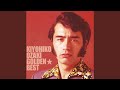 play_arrow play_arrow | A classic that poignantly portrays the sadness of parting and is loved across generations |
| 41east | A hill with a view of the harborHirano Aiko |  play_arrow play_arrow | A hill with a view of the harbor holds a bittersweet longing and the scenery of the port town. |
| 42east | Apple SongNamiki Michiko |  play_arrow play_arrow | The Apple Song was a postwar smash hit. |
| 43east | It’s okayHikawa Kiyoshi |  play_arrow play_arrow | Kiyoshi Hikawa’s songs deliver hope in life. |
| 44east | Finger exercises with kayōkyoku (Japanese pop songs) |  play_arrow play_arrow | Brain activation with finger exercises set to kayōkyoku (Japanese popular songs) |
| 45east | The Apple SongNamiki Michiko |  play_arrow play_arrow | The classic song that cheered up Japan after the war, “The Apple Song.” |
| 46east | Kiyoshi’s Zundoko SongHikawa Kiyoshi |  play_arrow play_arrow | Feeling energized with Kiyoshi's Zundoko-Bushi |
| 47east | I just can’t stopYamamoto Rinda |  play_arrow play_arrow | Let's dance to the famous hit by Linda Yamamoto. |
| 48east | Ginza Kan-kan GirlTakamine Hideko |  play_arrow play_arrow | A classic that sings of postwar hope and vitality |
| 49east | There’s always tomorrowSakamoto Kyu |  play_arrow play_arrow | Kyu Sakamoto’s uplifting classic song “Ue o Muite Arukou” |
| 50east | Kiyoshi’s Soran BushiHikawa Kiyoshi |  play_arrow play_arrow | Arrangement of a Hokkaido folk song, a famous hit by Kiyoshi Hikawa |
| 51east | Dancing HeroOginome Yōko |  play_arrow play_arrow | Yoko Oginome’s cheerful classic is popular across generations. |
| 52east | Off to the Mito Komon Festival!Yuko Suzuka |  play_arrow play_arrow | Mito Festival theme song: a fusion of traditional Japanese instruments and rock |
| 53east | Life is full of ups and downs.Shimakura Chiyoko |  play_arrow play_arrow | An inspiring work that sings of life's joy and hope |
| 54east | There’s no such thing as ghosts. |  play_arrow play_arrow | A heartwarming children's song introduction for Ghost Day in summer |
| 55east | The Sun of the DowntownBaishō Chieko |  play_arrow play_arrow | The charm of downtown nostalgia and warm singing voices |
| 56east | A street corner where stars fallSatoi Ito to Happī & Burū |  play_arrow play_arrow | A quiet night spent with a lover |
| 57east | Flamenco of the StarsSaigō Teruhiko |  play_arrow play_arrow | Teruhiko Saigō’s flamenco-style classic |
| 58east | As long as the sun is in the skyNishikino Akira |  play_arrow play_arrow | An iconic song of hope that looks forward and moves ahead, with bright lyrics that lift your spirits. |
| 59east | Let’s meet in Yurakucho.Furanku Nagai |  play_arrow play_arrow | Scenes from the Showa era, the classic hit by Frank Nagai |
| 60east | Be my bride.Kayama Yūzō |  play_arrow play_arrow | Music of hope delivered with a gentle singing voice |
| 61east | SEPTEMBEREarth, Wind & Fire |  play_arrow play_arrow | Thrilling masterpieces, the joy of moving your body |
| 62east | Donpan-bushimin’yō |  play_arrow play_arrow | Akita folk songs gained nationwide popularity, spurred by the National Sports Festival. |
| 63east | Grandfather’s Clock |  play_arrow play_arrow | A moving story about the bond between a grandfather and an old clock |
| 64east | red dragonfly |  play_arrow play_arrow | Listening to and singing children’s songs is effective for preventing dementia and activating the brain! |
| 65east | Love VacationZa Pīnattsu |  play_arrow play_arrow | Summer seaside romance, memories of youth |
| 66east | Ladybug Sambacherisshu |  play_arrow play_arrow | Spring songs brighten and uplift people's hearts. |
| 67east | UFOpinku redii |  play_arrow play_arrow | Introduction to Pink Lady’s classic hit “UFO” |
| 68east | era; age; time; periodNakajima Miyuki |  play_arrow play_arrow | Miyuki Nakajima: a heartwarming classic that resonates in spring |
| 69east | BoyhoodInoue Yosui |  play_arrow play_arrow | A youthful poem embraced by the timeless songs of Yosui Inoue |
| 70east | Happy HinamatsuriSakushi: Satō Hachirō / Sakkyoku: Kawamura Kōyō |  play_arrow play_arrow | The Charm of the Hina Matsuri Classic “Ureshii Hinamatsuri” |
| 71east | Album of MemoriesSakushi: Masuko Toshi / Sakkyoku: Honda Tetsuma |  play_arrow play_arrow | A nostalgic classic song depicting memories of kindergarten |
| 72east | On the Day of DepartureSakushi: Kojima Noboru / Sakkyoku: Sakamoto Hiromi |  play_arrow play_arrow | Graduation songs evoke the arrival of spring. |
| 73east | PicnicSakushi: Ogiwara Eiichi / Sakkyoku: Igirisu Min’yō |  play_arrow play_arrow | An energetic masterpiece, a heartwarming song |
| 74east | Northern SpringSen Masao | 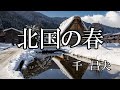 play_arrow play_arrow | A classic song that portrays the spring scenery of the northern country and a longing for one’s hometown |
| 75east | From here on, OndoŌizumi Itsurō |  play_arrow play_arrow | A song that gives you the courage to live positively toward the future |
| 76east | Swim, Taiyaki-kunShimon Masato |  play_arrow play_arrow | The Great Adventure of Taiyaki-kun, a heartwarming classic song |
| 77east | tea pickingMonbushō shōka |  play_arrow play_arrow | A celebrated song depicting the seasons and tea picking |
| 78east | Red Sweet PeaMatsuda Seiko |  play_arrow play_arrow | A bittersweet love story of a girl and the light of spring |
| 79east | teacherMori Masako |  play_arrow play_arrow | Masako Mori’s classic song “Sensei”: nostalgic lyrics and melody |
| 80east | Words of FarewellKaientai |  play_arrow play_arrow | “Okuru Kotoba” is a song of springtime farewells and bonds. |
| 81east | Like the flow of a riverMisora Hibari | 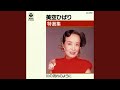 play_arrow play_arrow | Refresh mind and body with a song by Hibari Misora |
| 82east | The Bride SambaGō Hiromi |  play_arrow play_arrow | Let's dance to the nostalgic hit 'Oyome Samba' and relieve stress. |
| 83east | Hello from countries around the worldMinami Haruo | 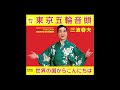 play_arrow play_arrow | Hello from countries around the world. The Expo theme song. |
| 84east | Chanchiki OdesaMinami Haruo |  play_arrow play_arrow | A heartwarming classic that evokes nostalgic longing |
| 85east | Ah, Ueno StationIzawa Hachirō |  play_arrow play_arrow | The song monument and departure melody of Ueno Station |
| 86east | Look up at the stars in the nightSakamoto Kyu | 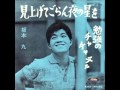 play_arrow play_arrow | The Appeal of Kyu Sakamoto’s Classic “Look Up at the Stars in the Night” |
| 87east | Otomi-sanKasuga Hachirō |  play_arrow play_arrow | The Appeal and Legacy of Hachiro Kasuga’s Classic Song “Otomi-san” |
| 88east | SakurazakaFukuyama Masaharu |  play_arrow play_arrow | Masaharu Fukuyama's 'Sakurazaka' is a heartwarming classic. |
| 89east | Hey, Nakamura-kun!Wakahara Ichirō |  play_arrow play_arrow | Representative songs of Ichiro Wakahara, workplace scenes of the Showa era |
| 90east | Ah, life has its tearsSatomi Kôtarô, Yokouchi Tadashi ai |  play_arrow play_arrow | Introduction to the theme song of Mito Komon |
| 91east | The boatman is dear.Otomaru |  play_arrow play_arrow | Sendo Koiya is a nostalgic classic song. |
| 92east | Over the hillFujiyama Ichirō | 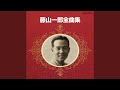 play_arrow play_arrow | A powerful song by Ichiro Fujiyama that walks with hope |
| 93east | Dreamy TokyoFujiyama Ichirō |  play_arrow play_arrow | Ichiro Fujiyama's classic songs touch the hearts of the elderly |
| 94east | Season of LovePinkī to Kirāzu |  play_arrow play_arrow | A classic bossa nova standard for summer |
| 95east | The season the sun gave usaoi sankakujougi |  play_arrow play_arrow | Songs of youth, and the bonds with friends, resonate in the heart. |
| 96east | I look up as I walkSakamoto Kyu | 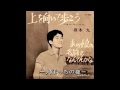 play_arrow play_arrow | Kyu Sakamoto’s classic song “Ue o Muite Arukou” reflects its era. |
| 97east | Sūdara-bushiHana Hajime to Kureēji Kyattsu |  play_arrow play_arrow | Sudarabushi is a Showa-era popular song that depicts human weakness. |
| 98east | A rose has bloomed.Maiku Maki |  play_arrow play_arrow | Introducing Maki Mike's 'Bara ga Saita' |
| 99east | dogwood (flowering dogwood)Hitoto Yo |  play_arrow play_arrow | Hanamizuki is a heartwarming popular song. |
| 100east | The Longed-For Hawaii RouteHaruo Oka |  play_arrow play_arrow | A famous song by Haruo Oka that sings of longing for Hawaii |