

[For Seniors] Hiroshima Prefecture Local Quiz: A collection of questions packed with regional charm, from tourist attractions to famous local foods.

Hiroshima Prefecture is home to numerous captivating sightseeing spots, local specialties, and little-known historical tales.
This time, we’re introducing a local Hiroshima quiz that seniors can enjoy together.
From Miyajima’s rice paddles and the World Heritage Site Itsukushima Shrine, to locations that served as sacred settings for a famous Studio Ghibli film…
Let’s rediscover the charms of Hiroshima along with nostalgic memories! Through the quiz, why not savor Hiroshima’s appeal—its long-cherished food culture, traditional crafts, and buildings imbued with prayers for peace—that continue to be passed down across generations?
- [For Seniors] Brain Training with Ehime Prefecture Local Quizzes! Enjoy Rediscovering the Region’s Charms
- [For Seniors] Local Quiz of Okayama Prefecture: Rediscover the Region’s Charms
- [For Seniors] Rediscover the Charm! Local Quiz of Kagoshima Prefecture
- [Miyazaki Prefecture Local Quiz for Seniors] Easy and Fun Questions
- [Hyogo Prefecture Local Quiz] Introducing questions for seniors!
- [For Seniors] Miyagi Prefecture Local Quiz: Brain training with questions on local cuisine, sightseeing spots, and notable figures
- For Seniors: Shiga Prefecture Local Quiz – Learn About Famous Tourist Spots and Regional Cuisine
- [For seniors] Nagasaki Prefecture local quiz: from famous sightseeing spots and local cuisine to classic confectionsNEW!
- For Seniors: Local Quizzes of Osaka Prefecture, from Famous Tourist Spots to Food
- [For Seniors] Introducing Local Quizzes from Mie Prefecture!
- [Local Quiz for Seniors] A Collection of Quizzes Showcasing the Charms of Aomori Prefecture
- [Local Quiz for Seniors] Rediscover the Charms of Nagano! Introducing Famous Tourist Spots and Delicious Local Specialties
- [For Seniors] How many can you answer? Introducing a local quiz about Shizuoka Prefecture
[For Seniors] Hiroshima Prefecture Local Quiz: A collection of questions packed with the region’s charms, from sightseeing spots to local gourmet specialties (1–10)
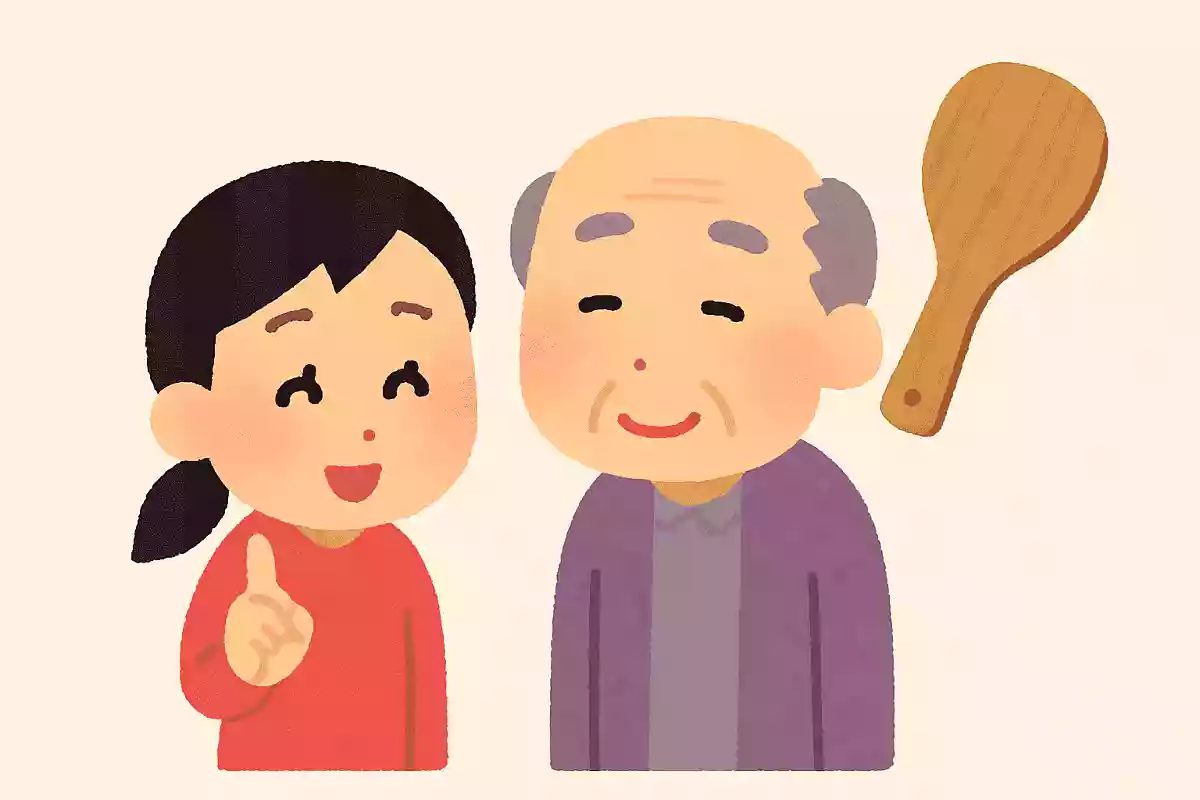
What is the wooden tool that is famous as a souvenir from Miyajima?
- It depends on context: 'はし' can mean 'chopsticks' (箸), 'edge' (端), or 'bridge' (橋). If you provide context, I can give the correct translation.
- rice paddle
- polite verb suffix (masu); used to make verbs polite in Japanese
See the answer
rice paddle
The Miyajima “shamoji” is a wooden rice paddle that is famous as a traditional craft of Miyajima. It is said to have begun being made in the Edo period by a monk who received a divine revelation from Benzaiten, and it is cherished as a lucky charm and a symbol of prosperous business. There is even a large shamoji monument displayed in the town of Miyajima, and the paddles are a popular souvenir among tourists. Their production requires the skill of seasoned artisans and involves carefully finishing the paddles using hard wood.

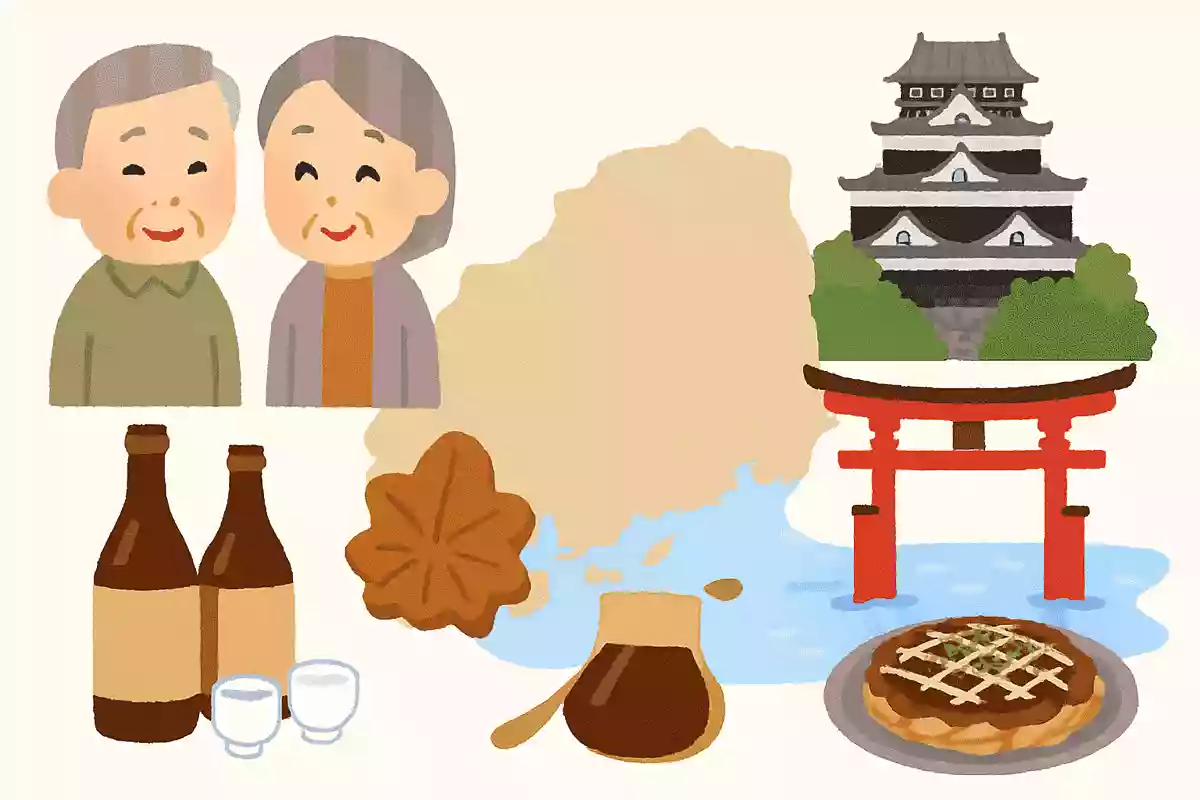
There is a region in Hiroshima Prefecture that is one of Japan’s three major sake-producing areas. What is the name of that region?
- Saijō
- Fushimi
- Nada
See the answer
Saijō
The correct answer is Saijō. Saijō is a district in Higashihiroshima City, Hiroshima Prefecture, and is known nationwide as one of Japan’s three major sake-brewing regions. Saijō is lined with many sake breweries, and every October it hosts a large event called the Sake Festival, which attracts many tourists. Thanks to Hiroshima’s clean water, rice, and favorable climate, the area is famous for producing delicious sake. The other two regions are Nada in Hyogo Prefecture and Fushimi in Kyoto.
When was the atomic bomb dropped on Hiroshima Prefecture?
- August 6, 1945
- December 8, 1941
- June 25, 1950
See the answer
August 6, 1945
The atomic bomb was dropped on Hiroshima City, Hiroshima Prefecture, at 8:15 a.m. on August 6, 1945, in the final days of World War II. The bombing claimed many precious lives and left the city in ruins. It was the first event of its kind in human history, and its effects continue to this day. In Hiroshima, this date is commemorated as an important day to pray for peace, with an annual Peace Memorial Ceremony. Although there are fewer and fewer people who remember that time firsthand, it is important to pass on this tragic history and the wish for peace to future generations.
[For Seniors] Hiroshima Prefecture Local Quiz: A set of questions packed with regional charms like tourist attractions and local gourmet specialties (11–20)
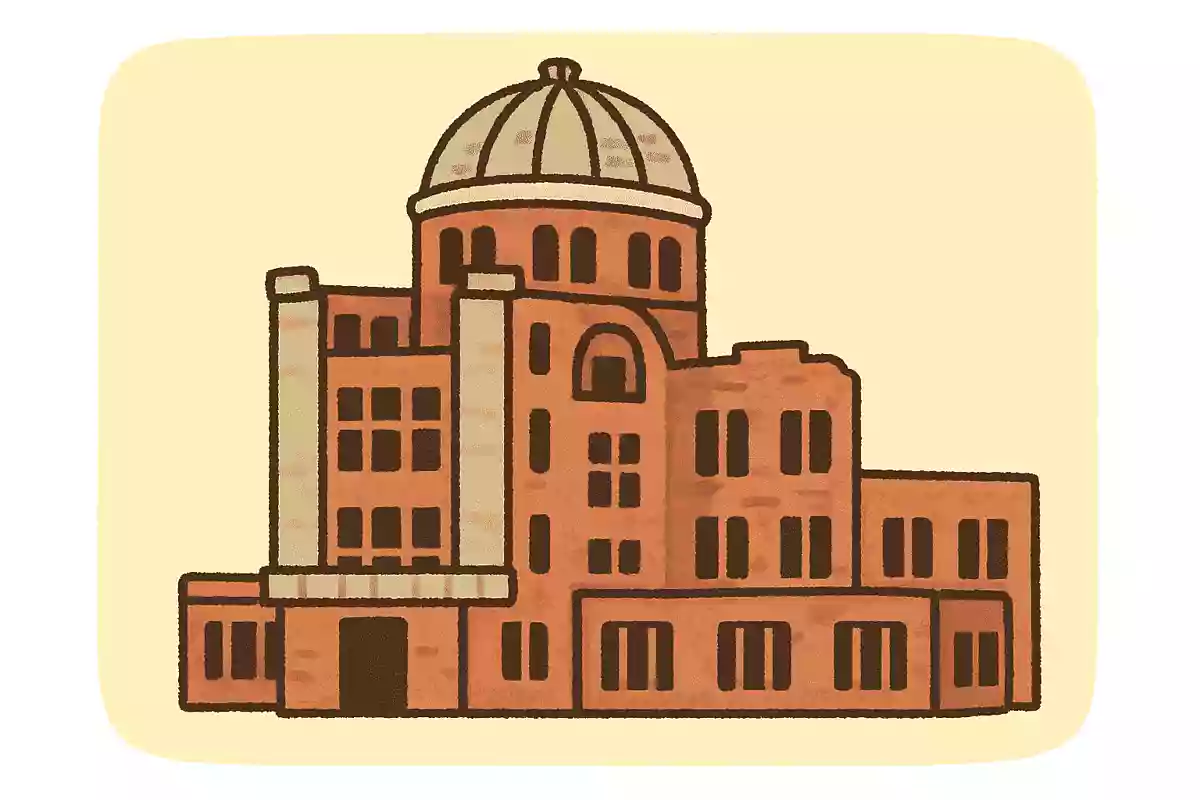
Before the atomic bombing, the Atomic Bomb Dome in Hiroshima Prefecture was used for a different purpose. What type of building was it originally used as?
- library
- art museum
- Industrial Promotion Hall (Industrial Exhibition Hall)
See the answer
Industrial Promotion Hall (Industrial Exhibition Hall)
The Atomic Bomb Dome was originally named the Hiroshima Prefectural Industrial Promotion Hall and was built in 1915. The building served as an exhibition venue and event hall to showcase industries and products from Hiroshima Prefecture, and it attracted many visitors. When the atomic bomb was dropped on Hiroshima, only the building’s walls and the dome miraculously remained. It is now preserved as a symbol of peace and plays an important role in conveying the brutality of war and the importance of peace.
What is the name of the famous rock on Sensuijima, an uninhabited island in Hiroshima Prefecture?

- Dragon God Rock
- Five-Colored Rocks
- Eboshiiwa
See the answer
Five-Colored Rocks
Goshiki-iwa (Five-Colored Rock), famous on Sensui Island, is a rare formation in Japan where five layers of rock are exposed. The five colors—red, blue, yellow, white, and black—blend to create beautiful patterns that evoke the wonders of nature. This rock is also popular as a spiritual power spot, attracting many people seeking healing and energy. In addition, Goshiki-iwa is renowned as a unique geological heritage site formed over a long span of time.
Kuranoura in Hiroshima Prefecture is known as a sacred spot for a certain Studio Ghibli film. Which Ghibli film is it?
- Ponyo on the Cliff
- My Neighbor Totoro
- Spirited Away
See the answer
Ponyo on the Cliff
Kuranoura in Kure City, Hiroshima Prefecture, is said to have served as a model for the setting of Studio Ghibli’s film Ponyo. The area’s beautiful sea and tranquil natural scenery greatly influenced the film’s world, and director Hayao Miyazaki is said to have visited the location and drawn inspiration from it. As a result, many fans began visiting after the film’s release.
Hiroshima Prefecture has the highest catch of a certain seafood in Japan. What seafood is it?
- conger eel
- oyster
- octopus
See the answer
oyster
The correct answer is “kaki (oysters).” Hiroshima Prefecture is known as one of Japan’s leading oyster-producing regions, with many oyster farms especially in Hiroshima Bay. About 60% of all oysters in Japan are produced in Hiroshima. Hiroshima oysters are rich in flavor and high in nutritional value, and they are loved by many people. Oyster farming in Hiroshima dates back to the Edo period, and even today they are a renowned local specialty enjoyed both in Japan and abroad. Locally, they are used in a variety of dishes such as grilled oysters and fried oysters, and their familiar taste is popular among older adults as well.