

![[For Seniors] Brain Training with Ehime Prefecture Local Quizzes! Enjoy Rediscovering the Region’s Charms](https://media.ragnet.co.jp/img/1200__png__https://www.ragnet.co.jp/files/2025/10/2d05e4f4f31b9bb70f21e7413e7a1ad3.webp)
[For Seniors] Brain Training with Ehime Prefecture Local Quizzes! Enjoy Rediscovering the Region’s Charms

How about a quiz on Ehime Prefecture? From the Seto Inland Sea to the mountainous interior, Ehime boasts diverse landscapes and cultures, with countless attractions that visitors of all ages can enjoy.
There are also many appealing local dishes, traditional crafts, and specialty products.
Let’s discover the lesser-known charms of Ehime while having fun with a quiz.
It might spark fond conversations about past travel memories.
We hope you enjoy a warm, relaxing moment rediscovering the rich allure of Ehime Prefecture.
[For Seniors] Brain Training with Ehime Prefecture Local Quizzes! Enjoy Rediscovering Regional Charms (1–10)
In Ehime Prefecture, there is a traditional event in autumn where families and community members gather to cook and eat taro in a pot. What is the name of this event?
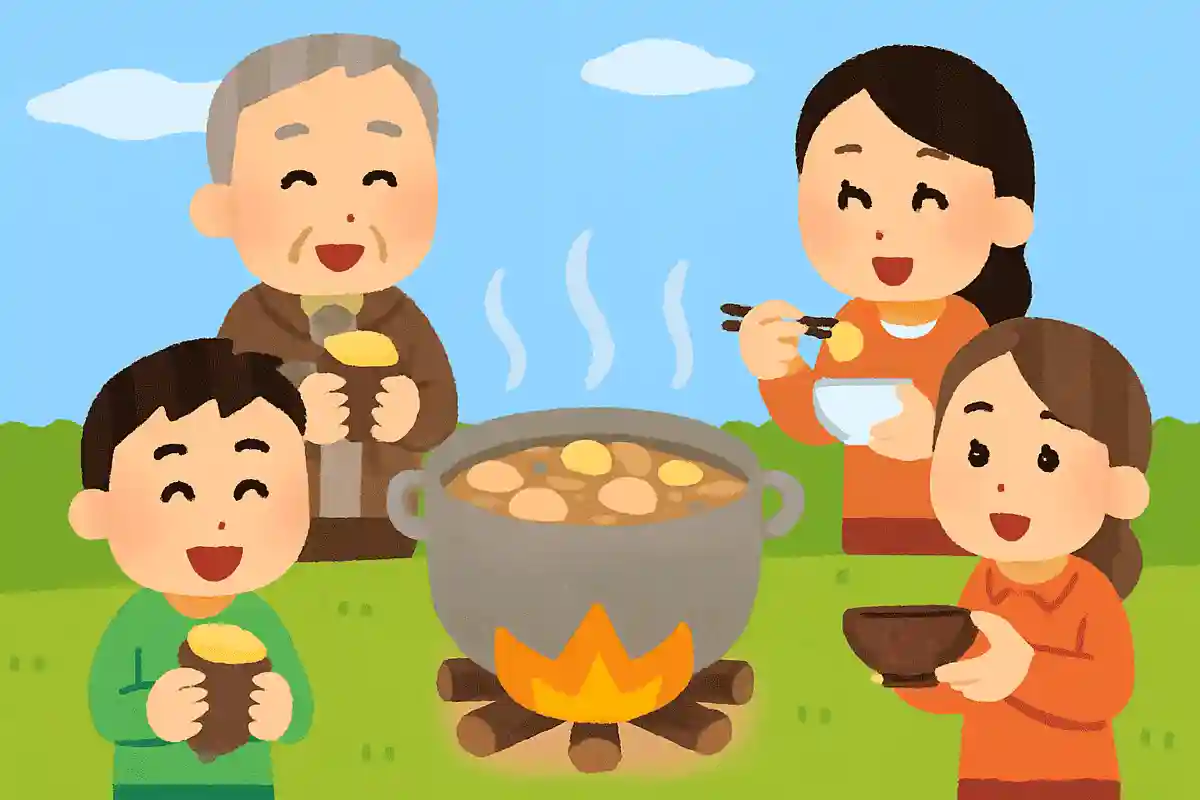
- Imoni party
- Imo-daki (taro stew)
- Potato Festival
See the answer
Imo-daki (taro stew)
A famous autumn tradition in Ehime Prefecture is imotaki. It’s especially popular in cities like Ōzu and Seiyo, where people gather to enjoy a local hot-pot dish featuring taro as the star ingredient, simmered with chicken, konjac, deep-fried tofu, and more. Gathering around pots on the riverbank is an important event that fosters community interaction and camaraderie. It also differs from Yamagata Prefecture’s imoni-kai in both ingredients and seasoning.

What gemstone is famously farmed in Ehime Prefecture?
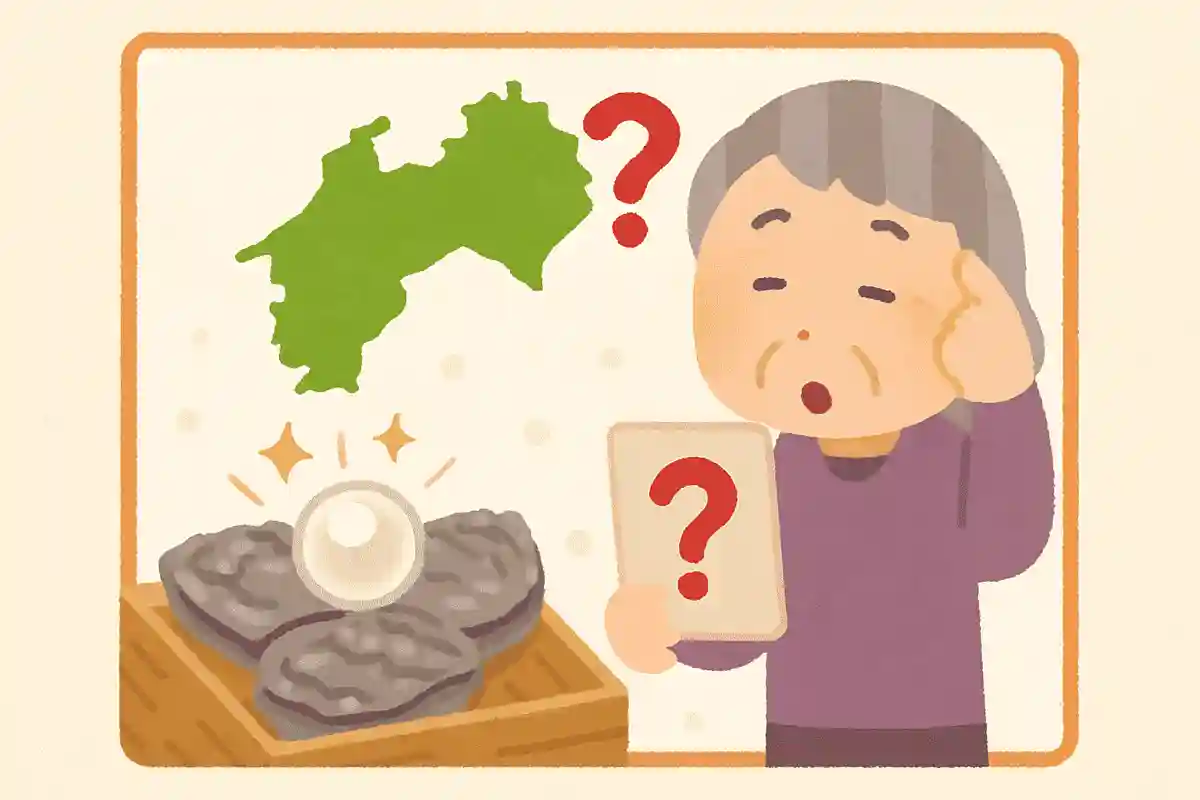
- Ruby
- Diamond
- pearl
See the answer
pearl
Ehime Prefecture is known for its thriving pearl cultivation. In particular, Uwajima Bay (Uwajima Sea) has long been a center for cultivating Akoya pearls using Akoya oysters, and their beautiful luster is famous nationwide. Pearls are gemstones that are formed inside a shell over many years, and they are often used in traditional Japanese ornaments. While other options like diamonds and rubies are made from minerals, pearls are unique as the only gemstones that are cultivated in the sea. Familiar to many older adults, pearls are cherished for traditional Japanese attire and as commemorative gifts.
What is the name of the road that connects Ehime Prefecture and Honshu?
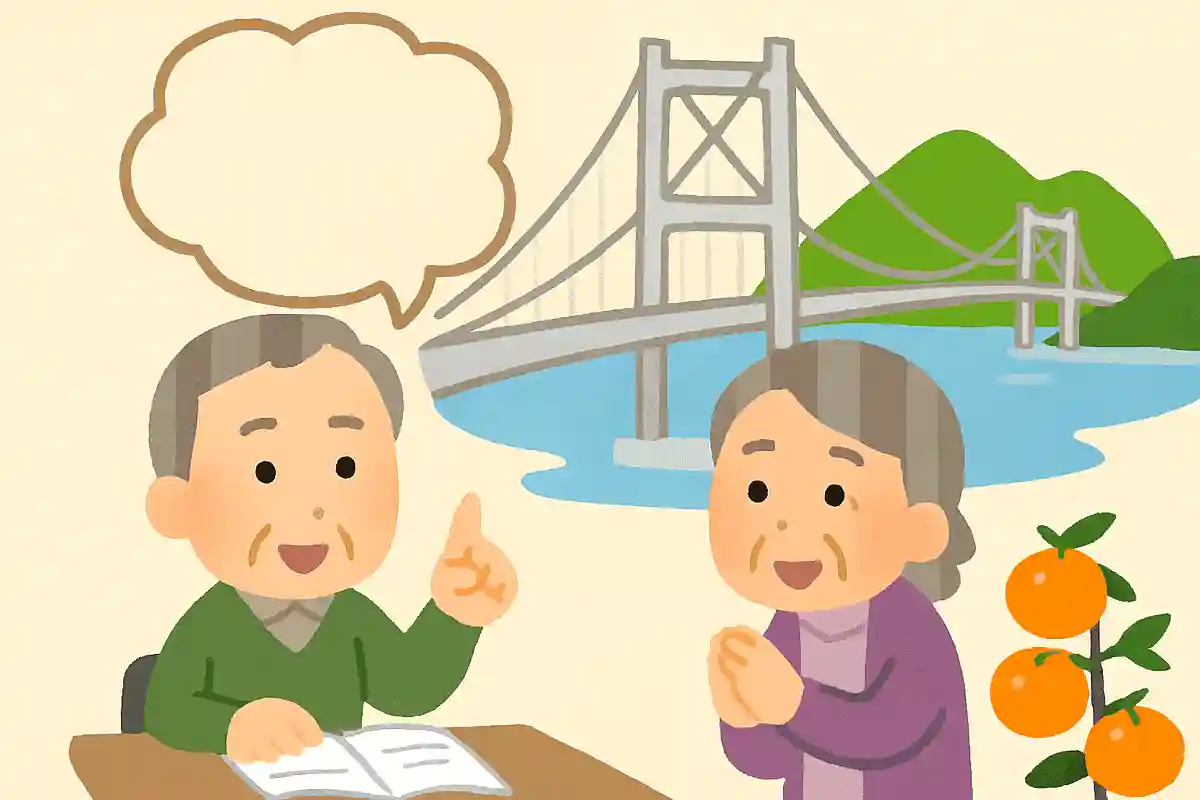
- Seto-Chuo Expressway
- Ise Bay Coastal Route
- Shimanami Kaido
See the answer
Shimanami Kaido
The Shimanami Kaido, officially called the Nishi-Seto Expressway, is a road that connects Onomichi in Hiroshima Prefecture with Imabari in Ehime Prefecture. It links multiple islands by bridges, forming a major artery between Honshu and Shikoku. In addition to motor vehicles, pedestrians and cyclists can also use it, and it is especially popular nationwide as a cycling destination. One of its attractions is the ability to enjoy the beautiful scenery of the Seto Inland Sea on a drive or cycling trip.
What is the name of the castle, located in the center of Ehime Prefecture, known for its keep built in the Edo period and its tall stone walls?
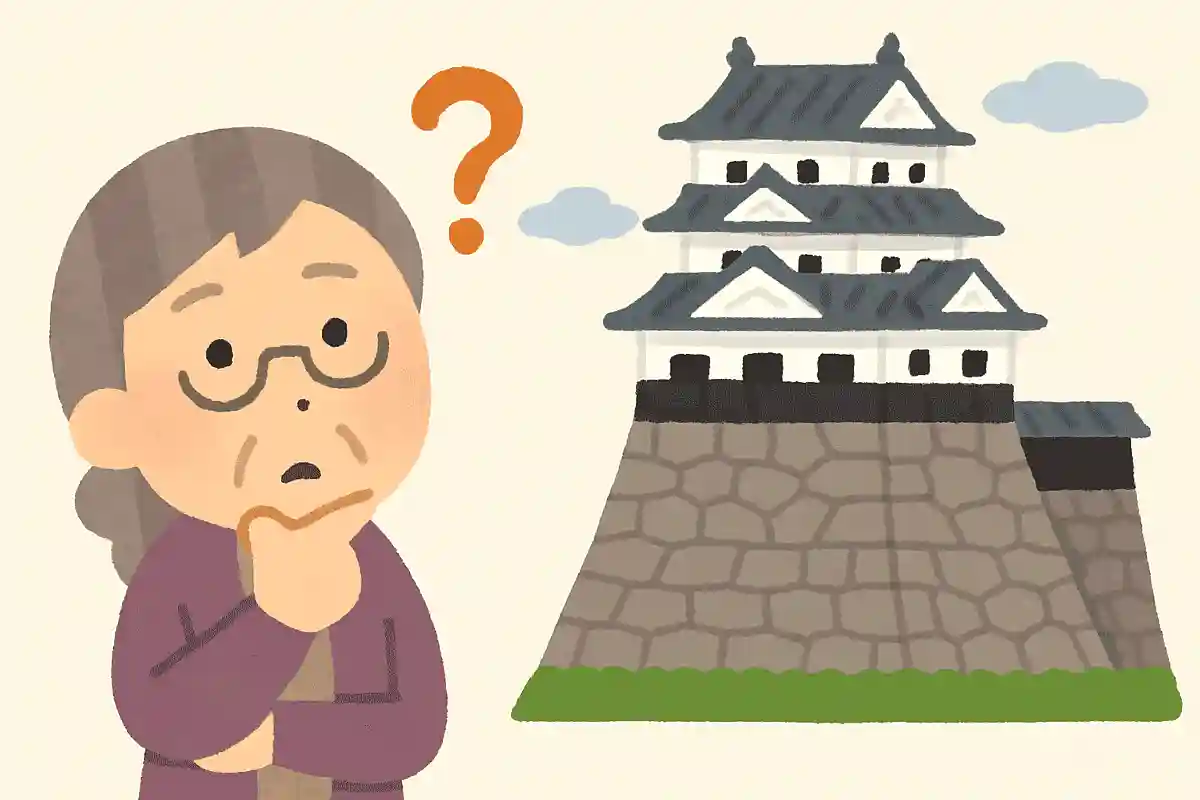
- Matsuyama Castle
- Uwajima Castle
- Imabari Castle
See the answer
Matsuyama Castle
Matsuyama Castle is a castle located in the center of Matsuyama City, Ehime Prefecture, renowned for its beautiful stone walls and its keep, which is one of Japan’s twelve surviving original keeps. Built by Kato Yoshiaki, the castle’s impressive stone walls showcase a robust defensive design and are a highlight. From the keep, you can enjoy panoramic views of Matsuyama City, making it very popular with tourists. Many valuable Edo-period structures remain, making it a place where you can truly feel the history.
What fruit, a specialty of Ehime Prefecture, boasts one of the highest production volumes in Japan?
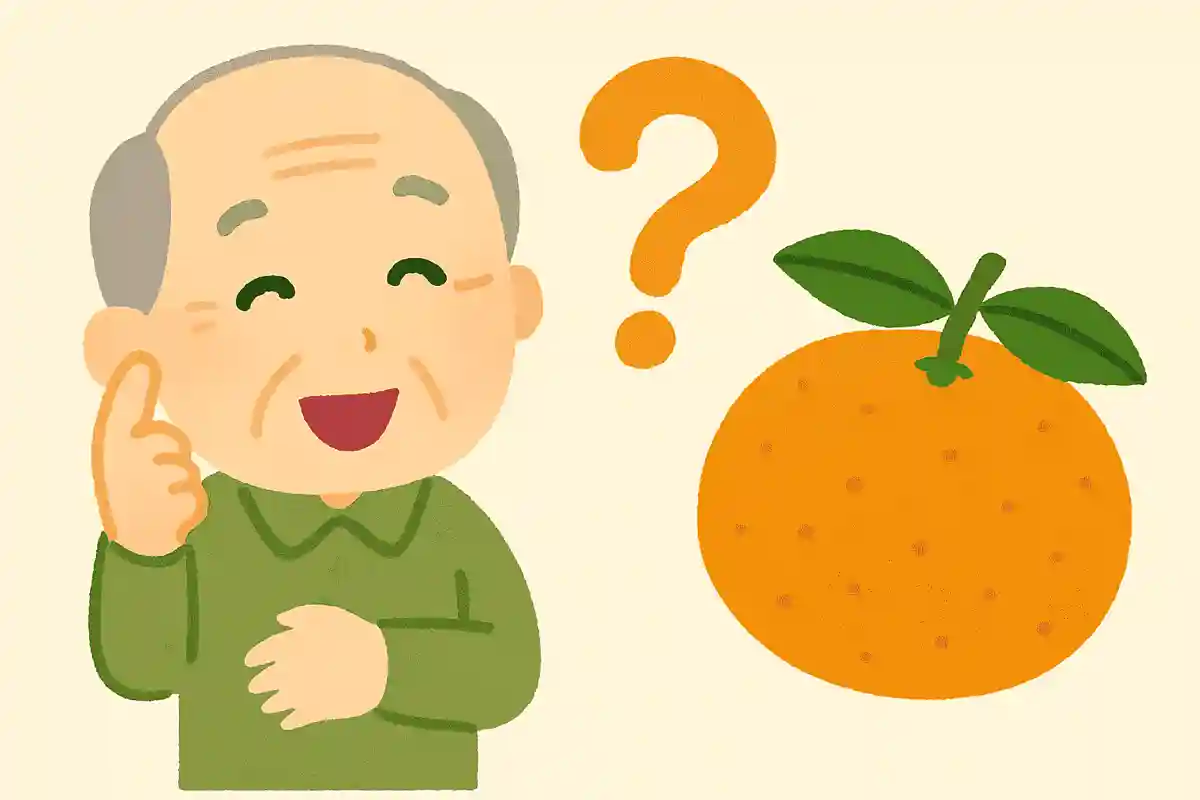
- Apple
- mandarin orange
- grapes
See the answer
mandarin orange
Ehime Prefecture is one of Japan’s leading mandarin orange production areas. Taking advantage of the warm Seto Inland Sea climate and sun-drenched slopes, the region produces mandarins that excel in both quality and quantity. In particular, “Ehime Mikan” are renowned nationwide and are popular as gifts. Beyond mandarins, selective breeding of citrus varieties has advanced, and a wide range of citrus fruits such as “Dekopon” and “Setoka” are also cultivated. Even so, mandarins can truly be called the representative fruit of Ehime Prefecture.
Ehime Prefecture is geographically divided into three regions: “Toyo,” “Chuyo,” and what is the name of the remaining one?
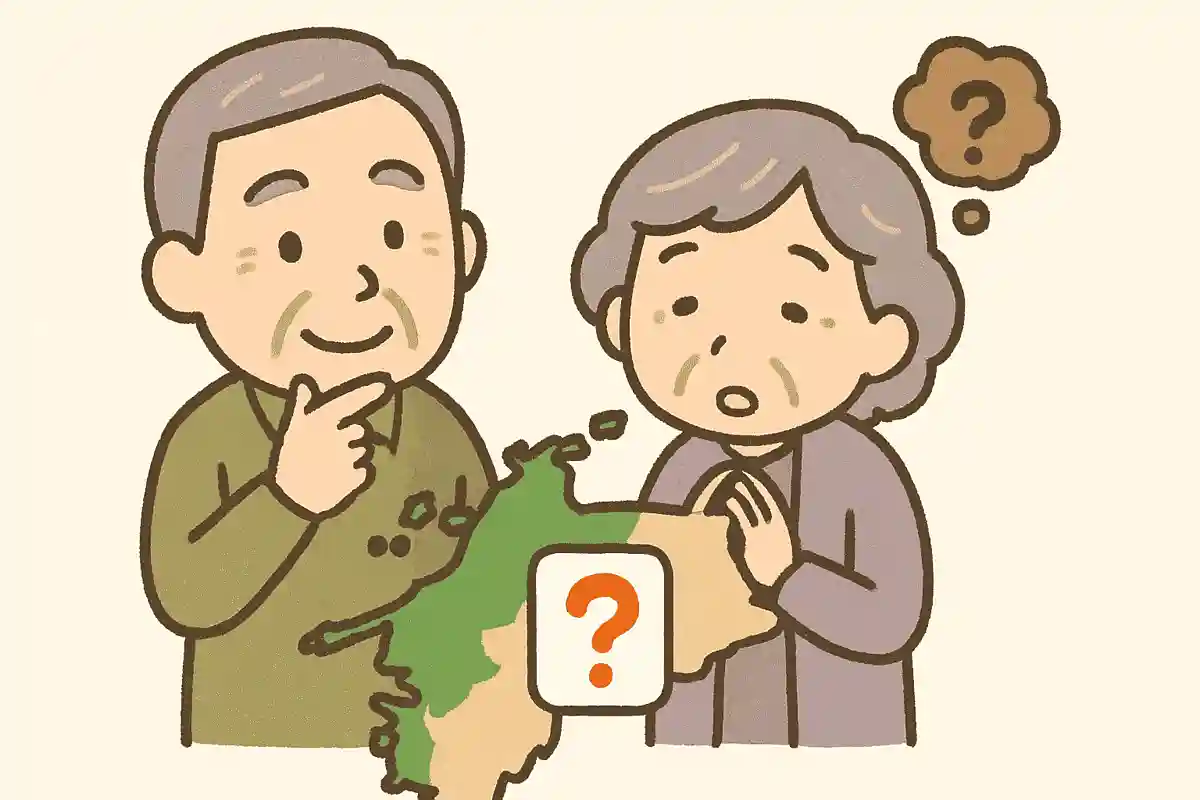
- Nanyo
- Kita-Yo
- Seiyo
See the answer
Nanyo
Ehime Prefecture is divided into three regions: Tōyo, Chūyo, and Nanyo. Tōyo includes cities such as Niihama and Saijō; Chūyo includes Matsuyama and Iyo; and Nanyo refers to the southern part of Ehime, including cities like Uwajima and Yawatahama. Nanyo is known for the cultivation of mikan and other citrus fruits, taking advantage of its mild climate, and it is also attractive for its nature-rich fisheries and tourism. In particular, areas such as the Uwa Sea and Ashizuri-Uwakai National Park offer beautiful scenery to enjoy.
What is the name of the PR character of Imabari City, Ehime Prefecture?

- Bary-san
- Mican
- Shimapong
See the answer
Bary-san
Barry-san is the PR character of Imabari City in Ehime Prefecture, and he’s also famous for winning the Grand Prix at the 2012 Yuru-chara Grand Prix. He looks like a bird, wears a belly warmer, and has a crown inspired by the Kurushima Kaikyō Bridge. He also carries a boat-shaped wallet, symbolizing local industries and culture. When you visit Imabari, you can find his merchandise and panels all around the city—he’s a character much loved by the citizens.