

[For Seniors] Brain Training with Ehime Prefecture Local Quizzes! Enjoy Rediscovering the Region’s Charms

How about a quiz on Ehime Prefecture? From the Seto Inland Sea to the mountainous interior, Ehime boasts diverse landscapes and cultures, with countless attractions that visitors of all ages can enjoy.
There are also many appealing local dishes, traditional crafts, and specialty products.
Let’s discover the lesser-known charms of Ehime while having fun with a quiz.
It might spark fond conversations about past travel memories.
We hope you enjoy a warm, relaxing moment rediscovering the rich allure of Ehime Prefecture.
- [For Seniors] 3-Choice Dialect Quiz! A Collection of Fun Dialect Quizzes from Around Japan
- [General] Surprisingly unknown? Test your geography skills with a three-choice quiz on Japan’s prefectures
- [For Seniors] Hina Matsuri (Girls’ Day) Trivia Quiz & Fun Facts. Recommended for Dementia Prevention Activities
- [For Seniors] Surprisingly Unknown! General Knowledge Quiz
- [For Seniors] Fun Brain Training! Prefecture Quiz
- [Gifu Prefecture] Local Quiz! For Seniors
- [Local Quiz from Fukuoka Prefecture] Introduced for seniors!
- [For Seniors] Fun! Let’s Get Excited with Japan’s Number One Quiz
- [For Seniors] Recommended Trivia Quizzes & Fun Facts for November
- [For Seniors] Hiroshima Prefecture Local Quiz: A collection of questions packed with regional charm, from tourist attractions to famous local foods.
- [For Seniors] Introducing Local Quizzes from Mie Prefecture!
- [For Seniors] Rediscover the Charm! Local Quiz of Kagoshima Prefecture
- [For Seniors] Kochi Prefecture Local Quiz! Deepen your local pride with Sakamoto Ryoma and the Shimanto River
[For Seniors] Brain Training with Ehime Prefecture Local Quizzes! Enjoyably Rediscover Regional Charms (11–20)
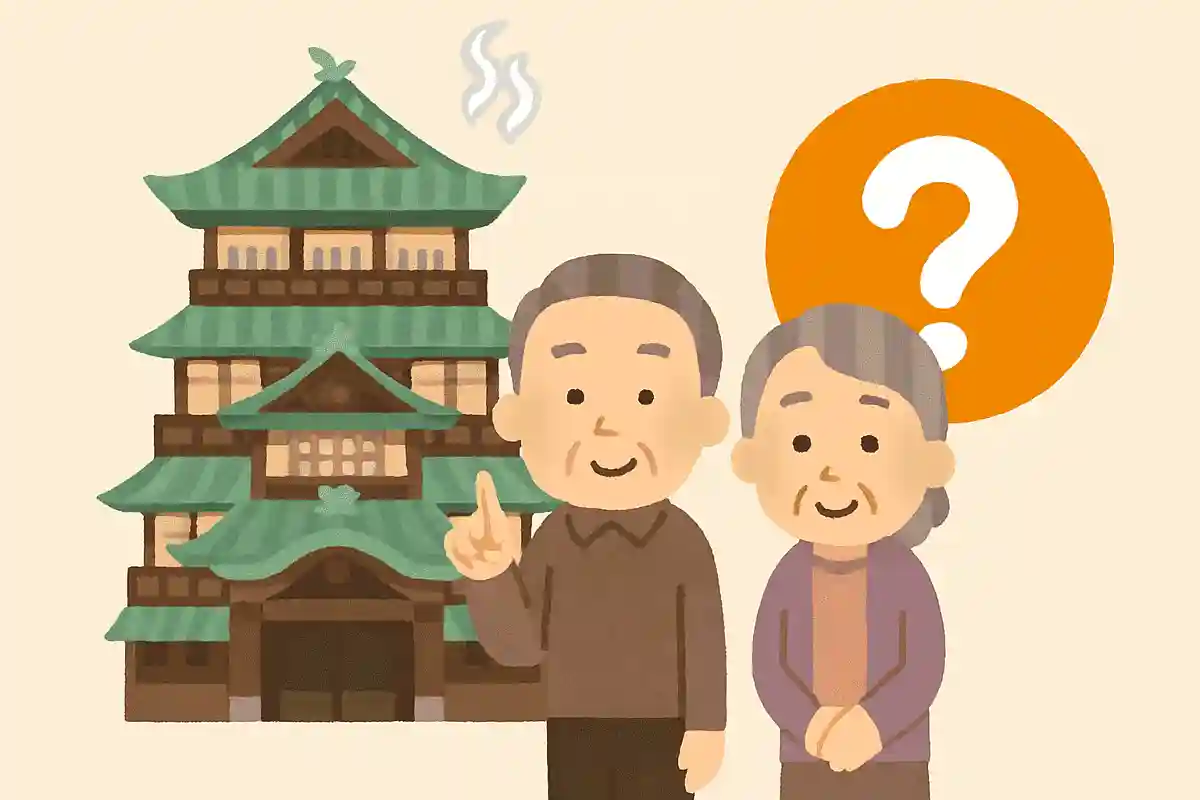
What is the Studio Ghibli film set in a famous hot spring area located in Matsuyama, Ehime Prefecture?
- My Neighbor Totoro
- Spirited Away
- Kiki's Delivery Service
See the answer
Spirited Away
Spirited Away is a Studio Ghibli film directed by Hayao Miyazaki, released in 2001. The bathhouse that appears in the film is a beautiful example of traditional Japanese architecture and is said to be partly modeled on Dogo Onsen Honkan in Matsuyama, Ehime Prefecture. Dogo Onsen is one of Japan’s oldest hot springs and has long been beloved by many people. The building is depicted memorably in the movie, and when you visit Dogo Onsen, you can feel the world of Spirited Away.

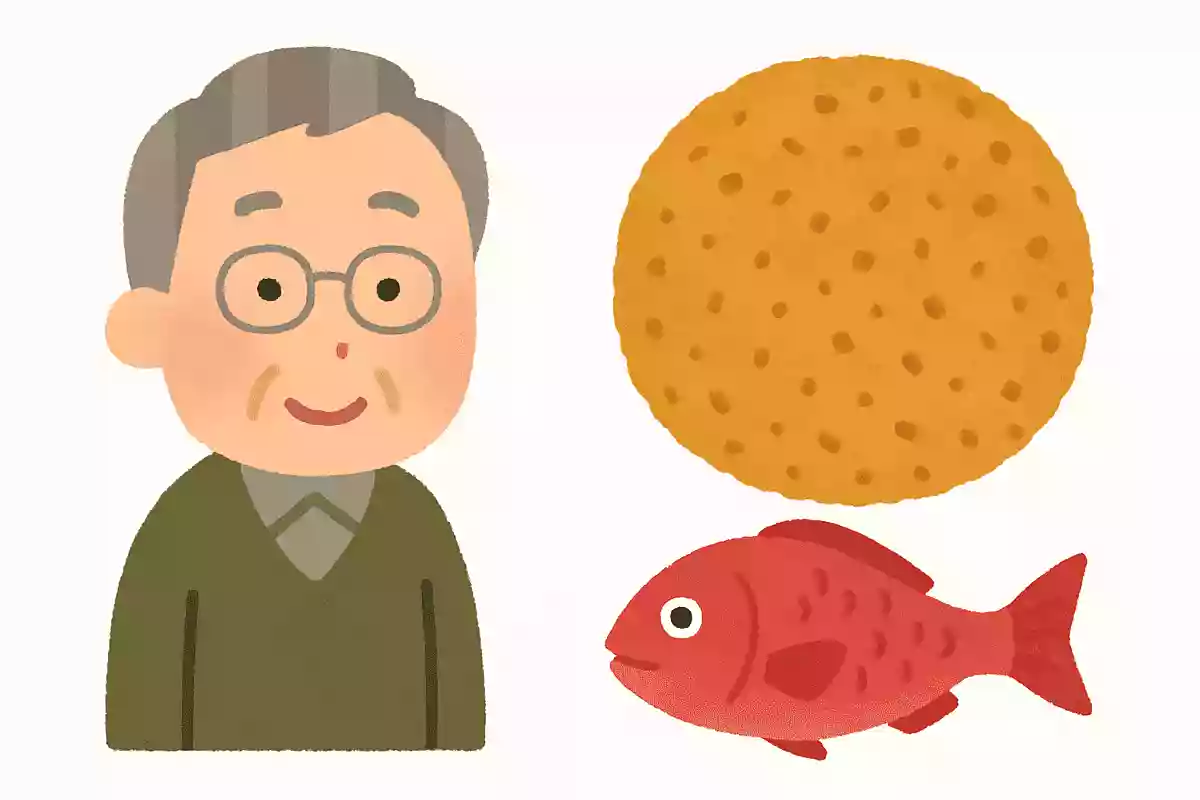
Yukari is a famous rice cracker from Aichi Prefecture. What fish is used in it?
- Thailand
- salmon
- shrimp
See the answer
shrimp
Senbei made by crushing and baking shrimp is called “Yukari.” Shrimp are highly nutritious and rich in minerals such as calcium.

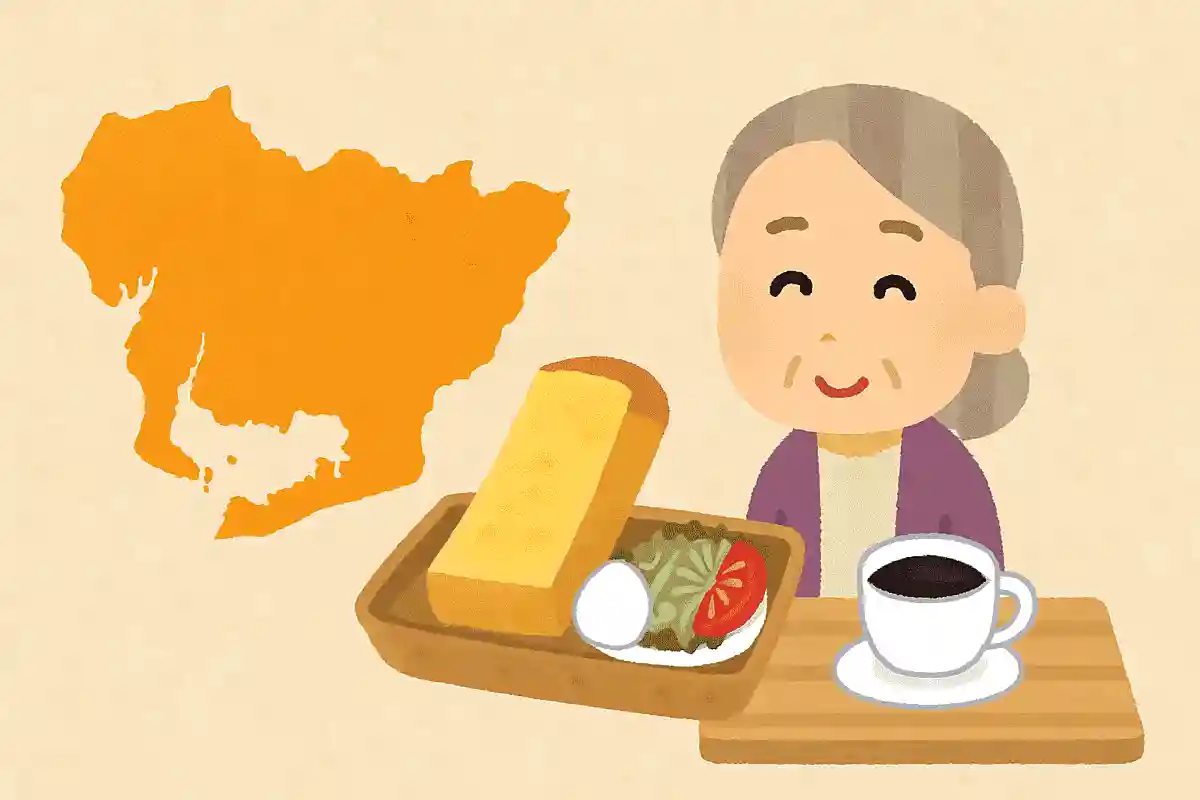
The famous “morning” (breakfast set) culture in Aichi Prefecture. What time is it served?
- 12:00 a.m. to 6:00 a.m.
- 6:00 AM to 11:00 AM
- 11:00 a.m. to 4:00 p.m.
See the answer
6:00 AM to 11:00 AM
The “morning” sets offered at cafes and similar places in Aichi Prefecture are generally available from 6:00 a.m. to 11:00 a.m. They’re a great deal because, in addition to a regular drink, you get items like toast, a boiled egg, and salad.
The Aichi dialect word “erai.” What does it mean?
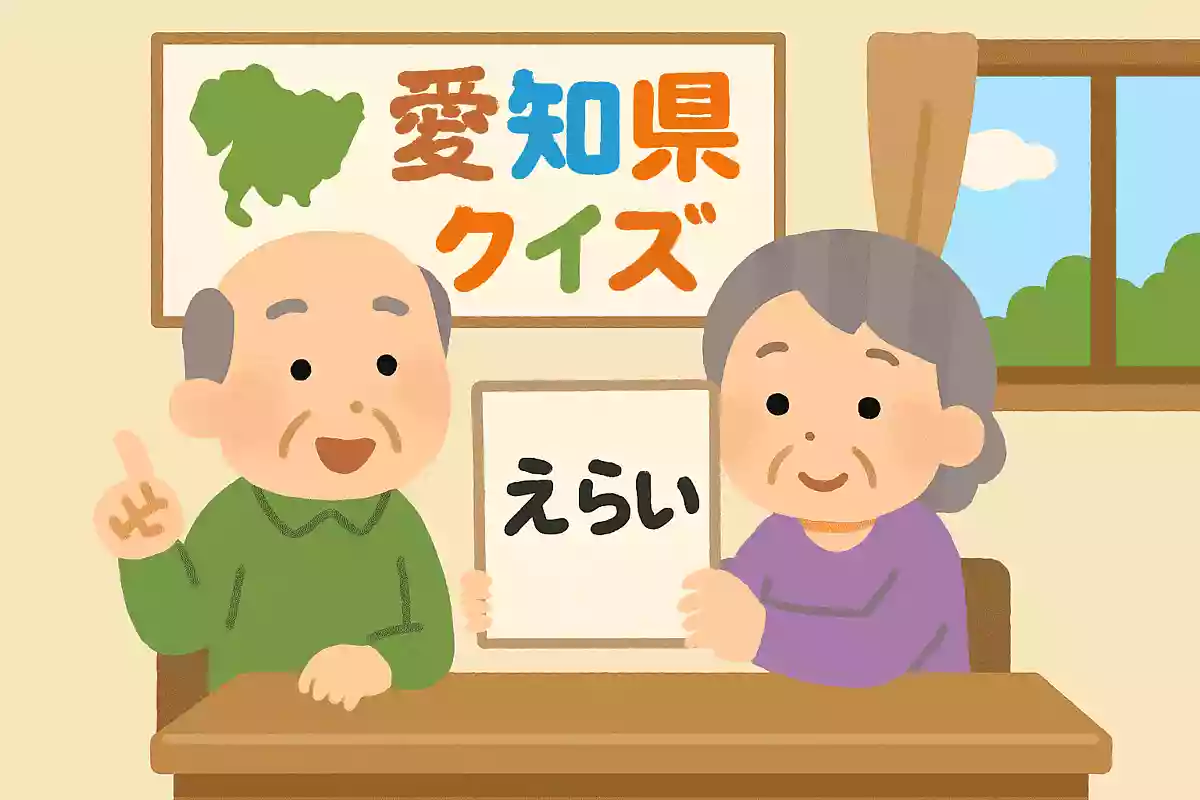
- Amazing, splendid
- I'm exhausted and sluggish.
- interesting
See the answer
I'm exhausted and sluggish.
A dialectal use of erai that’s often positive. In Aichi Prefecture, it’s something people say when they’re tired, for example.
The famous “Nagoya-meshi.” Which of the following is it?
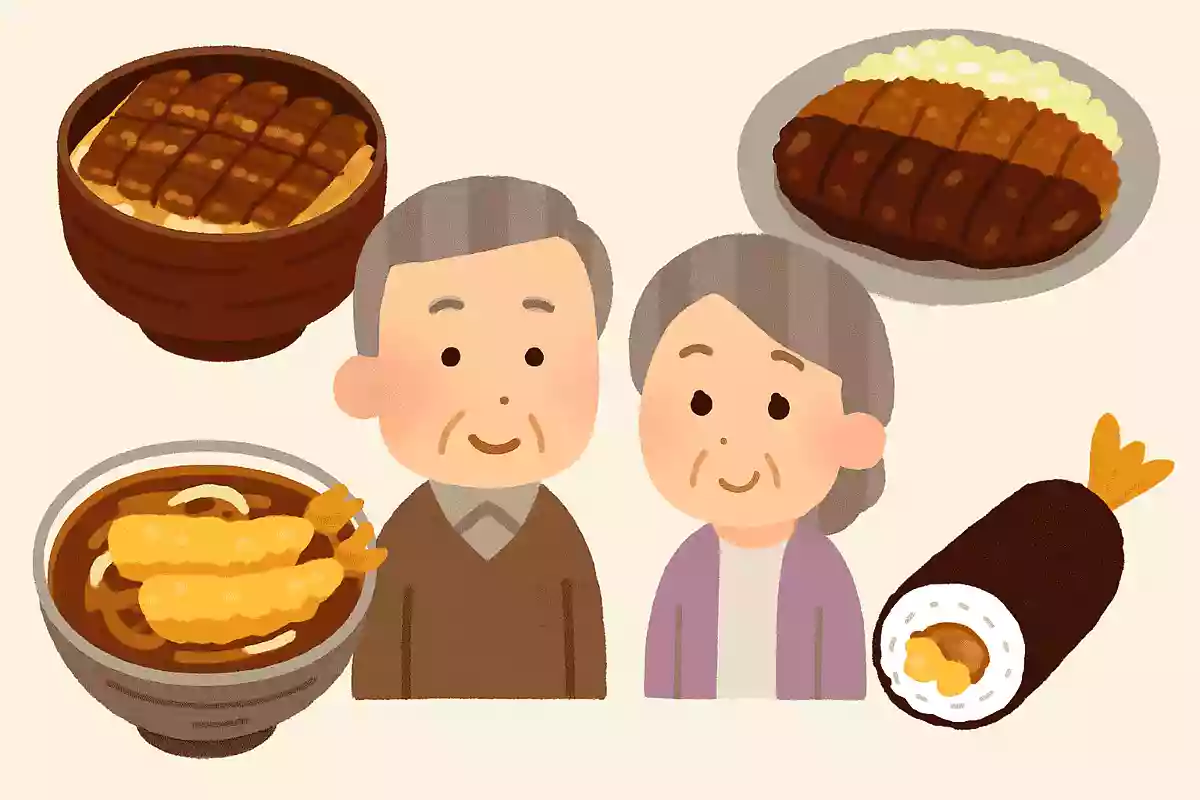
- kappa maki (cucumber roll)
- Grilled rice ball
- tempura rice ball (tenmusu)
See the answer
tempura rice ball (tenmusu)
Tenmusu is a rice ball with shrimp tempura inside. “Miso katsu, tenmusu, and fried shrimp” are known as the three major specialties of Nagoya.
Aichi Prefecture’s “prefectural flower.” Which flower is it?

- Gentian
- rabbit-ear iris
- azalea
See the answer
rabbit-ear iris
The flower of Aichi Prefecture is the rabbit-ear iris (kakitsubata). There is a legend that when the Heian-period poet Ariwara no Narihira visited Yatsuhashi in present-day Chiryu City, he was so moved by the beauty of the blossoms around him that he composed a poem incorporating the five characters of “kakitsubata.”
[For Seniors] Brain Training with Ehime Prefecture Local Quizzes! Enjoy Rediscovering Regional Charms (21–30)
Aichi dialect ‘yatto ___’. What do you call it?
- kata
- want to
- turtle
See the answer
turtle
In the Nagoya dialect, “yattokame” means “long time no see.” Some sources say it can also be written as “the eightieth day.”