

[For Seniors] Brain Training with Ehime Prefecture Local Quizzes! Enjoy Rediscovering the Region’s Charms

How about a quiz on Ehime Prefecture? From the Seto Inland Sea to the mountainous interior, Ehime boasts diverse landscapes and cultures, with countless attractions that visitors of all ages can enjoy.
There are also many appealing local dishes, traditional crafts, and specialty products.
Let’s discover the lesser-known charms of Ehime while having fun with a quiz.
It might spark fond conversations about past travel memories.
We hope you enjoy a warm, relaxing moment rediscovering the rich allure of Ehime Prefecture.
- [For Seniors] 3-Choice Dialect Quiz! A Collection of Fun Dialect Quizzes from Around Japan
- [General] Surprisingly unknown? Test your geography skills with a three-choice quiz on Japan’s prefectures
- [For Seniors] Hina Matsuri (Girls’ Day) Trivia Quiz & Fun Facts. Recommended for Dementia Prevention Activities
- [For Seniors] Surprisingly Unknown! General Knowledge Quiz
- [For Seniors] Fun Brain Training! Prefecture Quiz
- [Gifu Prefecture] Local Quiz! For Seniors
- [Local Quiz from Fukuoka Prefecture] Introduced for seniors!
- [For Seniors] Fun! Let’s Get Excited with Japan’s Number One Quiz
- [For Seniors] Recommended Trivia Quizzes & Fun Facts for November
- [For Seniors] Hiroshima Prefecture Local Quiz: A collection of questions packed with regional charm, from tourist attractions to famous local foods.
- [For Seniors] Introducing Local Quizzes from Mie Prefecture!
- [For Seniors] Rediscover the Charm! Local Quiz of Kagoshima Prefecture
- [For Seniors] Kochi Prefecture Local Quiz! Deepen your local pride with Sakamoto Ryoma and the Shimanto River
[For Seniors] Brain Training with Ehime Prefecture Local Quizzes! Enjoy Rediscovering Regional Charms (1–10)
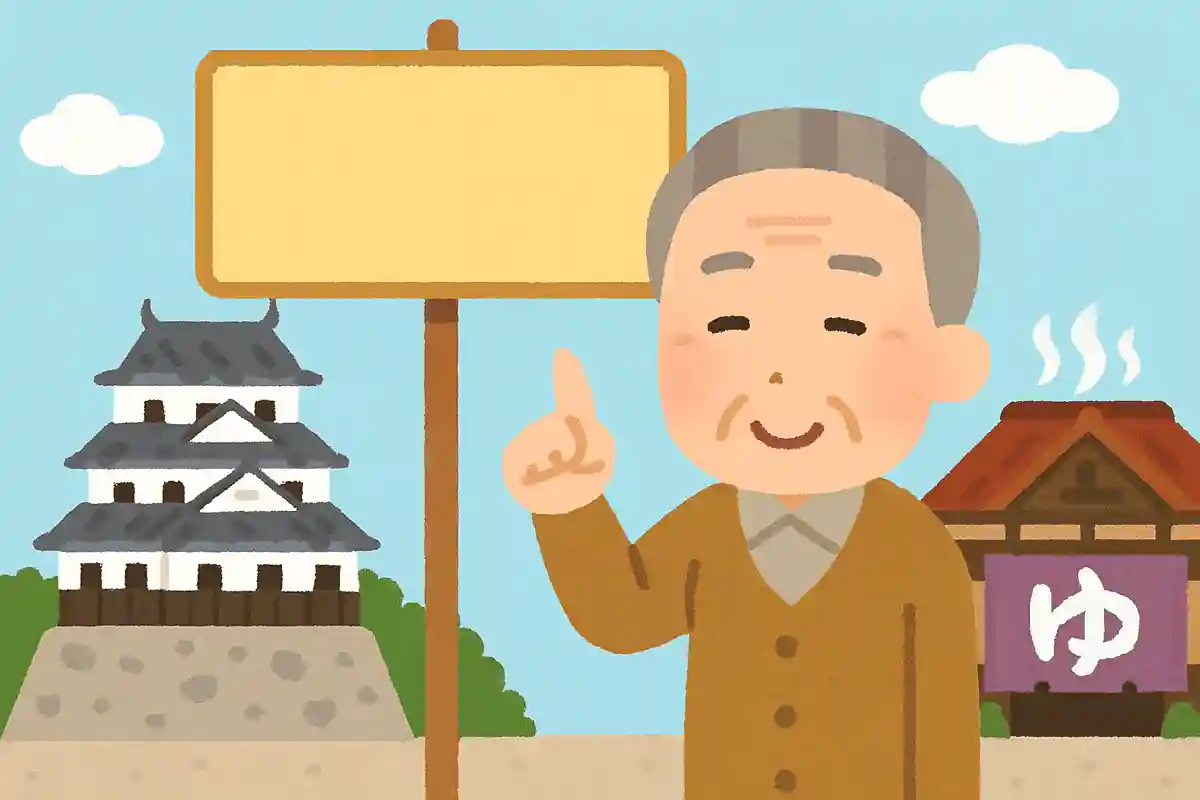
What is the title of Natsume Soseki’s novel set in Matsuyama, Ehime Prefecture?
- heart
- Botchan
- I am a cat.
See the answer
Botchan
Natsume Soseki’s novel Botchan is set in Matsuyama City, Ehime Prefecture. Drawing on Soseki’s own experiences teaching English at Matsuyama Middle School (now Matsuyama Higashi High School), it tells the story of a newly appointed teacher who stirs up various commotions in a rural town on the island of Shikoku. The protagonist is known for his strong sense of justice and quintessential Edo temperament, and the work is beloved for its many colorful characters. Matsuyama boasts numerous tourist spots and local specialties associated with Botchan, making it a literary classic that represents Ehime and is cherished by locals as well.

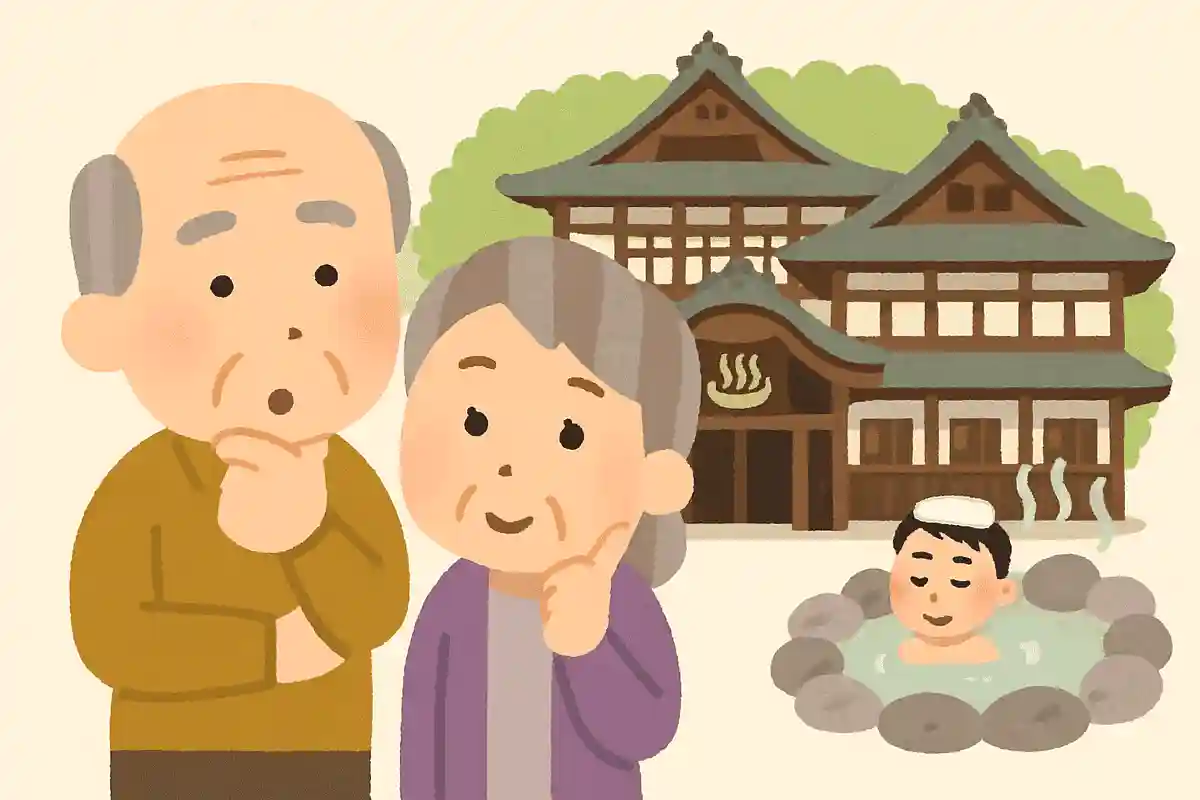
Which hot spring destination in Ehime Prefecture is known for being the oldest in Japan?
- Gero Onsen
- Beppu Onsen
- Dogo Onsen
See the answer
Dogo Onsen
Dogo Onsen, located in Matsuyama City, Ehime Prefecture, is one of Japan’s most renowned ancient hot springs, with a history said to span about 3,000 years. The Dogo Onsen Honkan is designated as an Important Cultural Property and retains the atmosphere of the Meiji era to this day. Among hot spring resorts nationwide, it is particularly esteemed for its historical value and is highly popular with tourists.
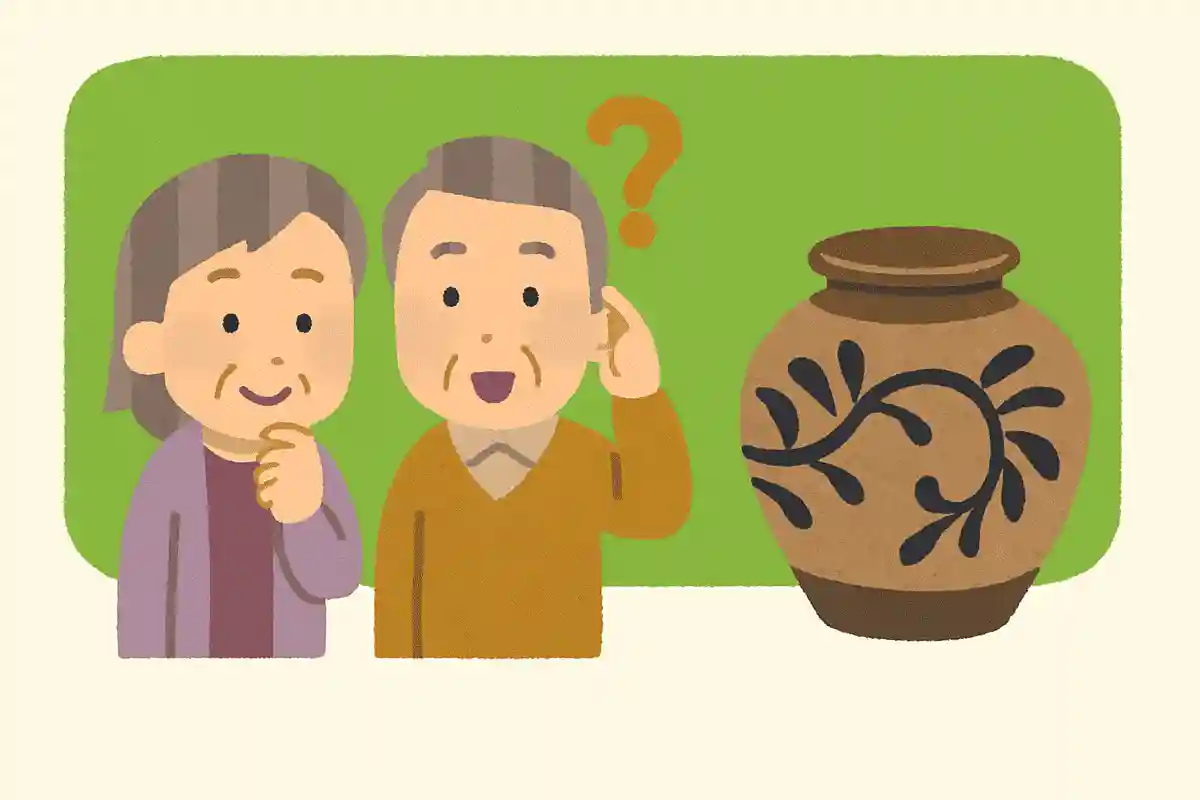
What is the pottery from Ehime Prefecture that is designated as a traditional craft of Japan?
- Tobe ware
- Arita ware
- Hagi ware
See the answer
Tobe ware
The correct answer is “Tobe ware.” Tobe ware is pottery produced in places such as Tobe Town in Iyo District, Ehime Prefecture, and it has a very long history. It is characterized by blue and indigo designs, and is popular for everyday use because of its durability. In 1976 (Showa 51), it was designated as a Traditional Craft of Japan, which helped make it known nationwide. The other options—Arita ware and Hagi ware—are ceramics made in Saga Prefecture and Yamaguchi Prefecture, respectively.
[For Seniors] Brain Training with Ehime Prefecture Local Quizzes! Enjoyably Rediscover Regional Charms (11–20)
What was the old provincial name that was used in Ehime Prefecture until around the beginning of the Meiji era?
- Tosa Province
- Province of Awa
- Iyo Province
See the answer
Iyo Province
Until the early Meiji period, the area of Ehime Prefecture was called Iyo Province. In Japan, each region had an old provincial name until the abolition of domains and establishment of prefectures during the Meiji Restoration. The term Iyo has been in use since the Heian period, and its legacy can still be seen today in Ehime’s history, traditional events, and food. Well-known examples include iyokan (a type of citrus) and Iyo dialect. Tosa is the old provincial name for present-day Kochi Prefecture, and Awa is the old name for Tokushima Prefecture.
What is the capital city of Ehime Prefecture?
- Matsuyama City
- Niihama City
- Imabari City
See the answer
Matsuyama City
The prefectural capital of Ehime Prefecture is Matsuyama City. Matsuyama is the largest city in Shikoku and is home to many public facilities and government institutions. The city is dotted with historical landmarks and tourist attractions. It is also very famous as a production area for mikan and other citrus fruits, taking advantage of its mild climate.
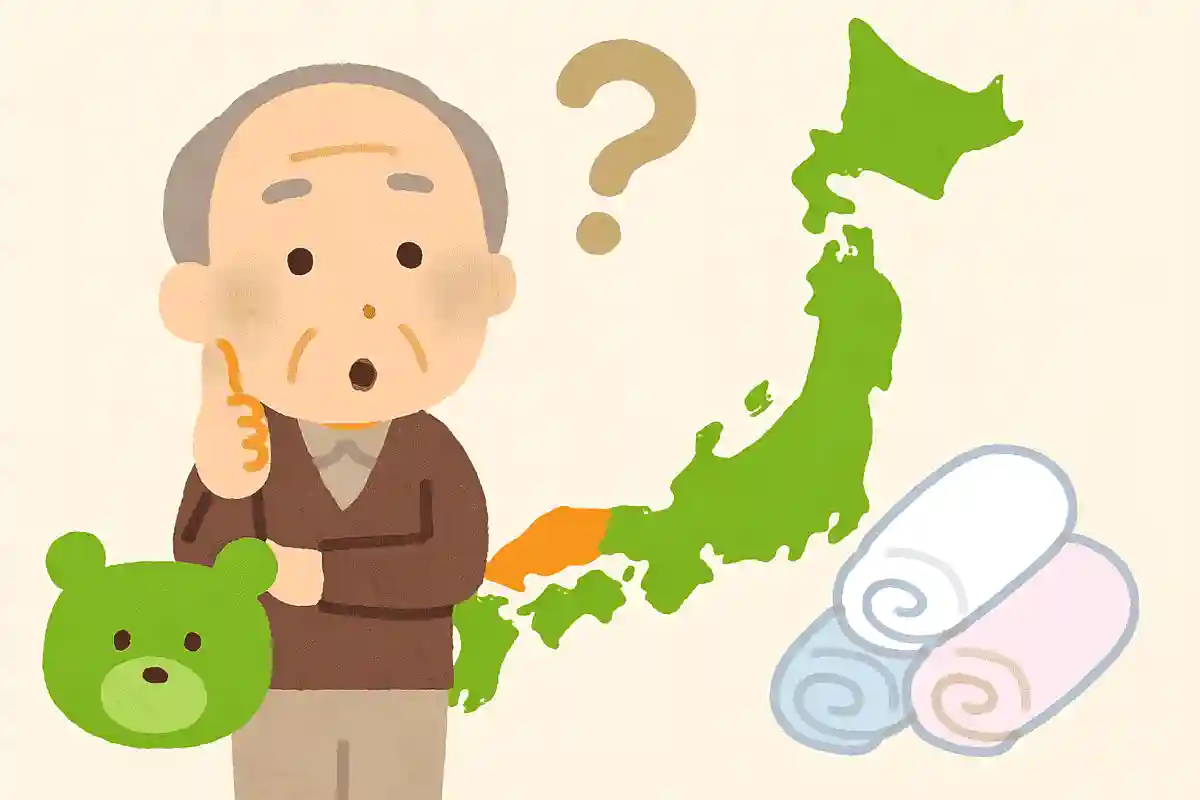
Imabari City in Ehime Prefecture is said to be Japan’s largest production area for a certain specialty product. What is that specialty product?
- pajamas
- socks
- towel
See the answer
towel
Imabari City is nationally renowned for its “Imabari Towels.” Known for their superior absorbency, softness, and durability, Imabari Towels are beloved by many and are exported not only throughout Japan but overseas as well. Over the city’s long history, artisans have refined their craft, supported by abundant local water resources. Products bearing the Imabari Towel mark are regarded as proof of high quality. In this way, towel production makes a significant contribution to Imabari City’s industry and regional revitalization.
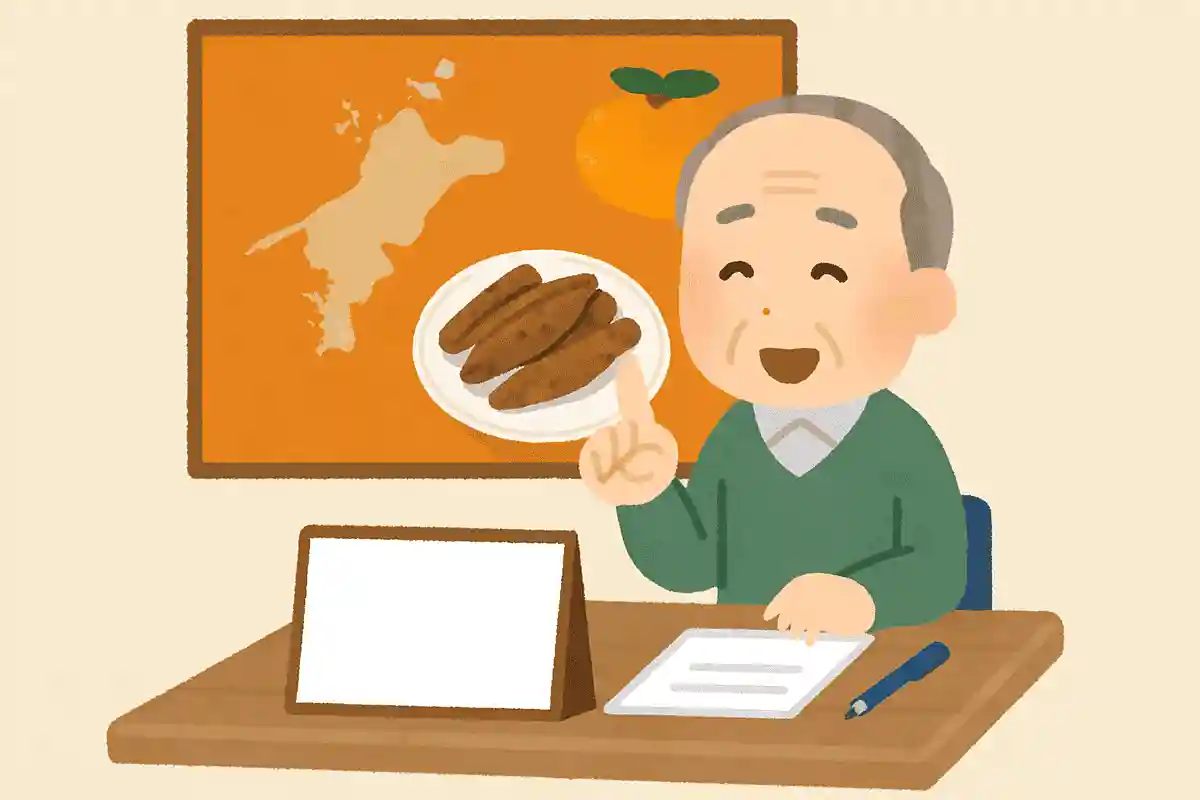
In the Nanyo region of Ehime Prefecture, what is the name of the local dish made by grinding small fish whole—including the bones and skin—into a paste and deep-frying it?
- Hiraten (flat fish cake)
- Jakoten (fried fish cake made from small fish)
- Sea bream rice
See the answer
Jakoten (fried fish cake made from small fish)
Jakoten is a traditional local dish representing the Nanyo region of Ehime Prefecture. It is made by grinding small fish (mainly harambo and lizardfish) whole with their skin and bones, then deep-frying the paste. Using the bones and skin makes it rich in nutrients such as calcium. It has long been eaten in fishing towns as a preserved food, snack, or side dish, and it is still loved by locals today. Its appealing texture and simple, rustic flavor also make it a popular souvenir and gift.